
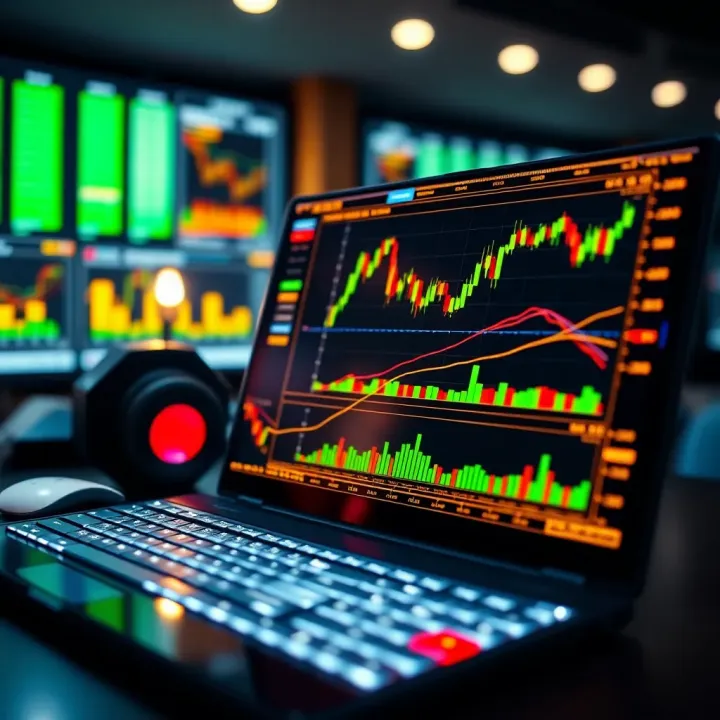
Forex Trading Courses in Kenya: A Practical Guide
Explore forex trading courses in Kenya📈. Learn course types, key topics, practical skills, and how to pick the best option to trade confidently and earn with ease💰.
Edited By
Edward Palmer
Bitcoin's price in US dollars changes constantly, driven by various forces that affect supply and demand. Today, Bitcoin is often seen as both a digital asset and a speculative investment, making its price sensitive to news, regulations, and market sentiment.

Market Demand: When more people want to buy Bitcoin than sell it, the price goes up. This can happen after major companies announce support or during times of economic uncertainty.
Regulatory News: Government actions often cause price swings. For example, announcements about new regulations or bans have historically caused sharp drops.
Supply Constraints: Bitcoin has a capped supply of 21 million coins. As more coins get mined and put into circulation, the scarcity tends to push prices higher.
Macro Trends: Inflation rates, interest rate changes, and the strength of the US dollar can all impact Bitcoin’s appeal as an investment.
Bitcoin's price history is marked by wild ups and downs. Back in early 2017, Bitcoin hovered around $1,000 before hitting nearly $20,000 by the end of that year. After a long bear market, it surged past $60,000 in 2021. These extremes highlight the crypto market's volatility compared to traditional assets.
If you’re thinking about buying Bitcoin, timing matters. Watch for:
Market Trends: Look at recent price movements and volume changes.
News Events: Stay updated on policy changes or major corporate endorsements.
Technical Indicators: Tools like moving averages or RSI can hint at potential price shifts.
"Remember, Bitcoin’s price reflects a mix of investor sentiment and tangible economic factors, so it’s a moving target that requires constant attention."
Understanding these elements gives you a clearer picture of Bitcoin pricing today. It helps in making smarter investment choices and managing risks effectively sooner rather than later.
Knowing the current Bitcoin price and its latest market snapshot is essential for anyone involved in trading or investing in cryptocurrencies. This information not only helps you gauge the market's immediate state but also guides decisions like when to buy, sell, or hold. For example, a trader monitoring Bitcoin's price fluctuations throughout the day can seize short-term opportunities, while a long-term investor might use it to reassess portfolio allocation.
Bitcoin’s price in US dollars represents how much one Bitcoin (BTC) costs when exchanged for US currency. Think of it as the market's current consensus on Bitcoin’s value expressed in dollars. This price fluctuates constantly due to trades happening every second across various exchanges worldwide.
Understanding this price is practical for anyone looking to quantify Bitcoin's worth in terms familiar to them. Since most people deal with dollars daily, quoting Bitcoin against the dollar makes it easier to see what a Bitcoin is worth in real terms.
Exchanges like Coinbase, Binance US, and Kraken serve as marketplaces where buyers and sellers meet. They play a key role in setting Bitcoin’s price through supply and demand on their platforms. Each exchange can have slightly different prices due to differences in user activity and liquidity.
The reported Bitcoin price you see often reflects an average or aggregated price across several exchanges to offer a more balanced view. Traders must consider these variations since arbitrage opportunities—buying low on one exchange and selling high on another—can exist.
For up-to-the-minute Bitcoin prices, investors rely on data aggregators and platforms like CoinMarketCap, CoinGecko, and trading platforms themselves. These sources provide real-time updates, charts, and indicators.

Access to live data is crucial, especially for active traders, because Bitcoin price can swing by hundreds or even thousands of dollars during volatile periods. Having reliable tools prevents missed opportunities and informs better risk management.
Bitcoin’s price often shows significant short-term volatility. For instance, in recent weeks, it has experienced sharp rises following positive regulatory news but also sudden dips due to global economic uncertainties or technical sell-offs.
Tracking these movements helps traders and investors identify patterns, like resistance levels and support zones, which influence their strategic moves. That said, it's wise to combine price trends with broader market analysis rather than trade solely on price swings.
Bottom line: The Bitcoin price in USD fluctuates moment to moment based on activity across exchanges, and staying updated with reliable sources is key to navigating this dynamic market effectively.
Bitcoin's price changes every day depending on several factors that impact how much buyers are willing to pay and sellers are ready to accept. Understanding these daily influences is key for anyone trading or investing in Bitcoin because price swings can be swift and sometimes unpredictable.
Impact of limited supply: Bitcoin differs from traditional currencies because it has a fixed maximum supply of 21 million coins. This cap means new bitcoins become harder to get over time, especially after each "halving" event that cuts mining rewards in half. When demand rises but supply remains capped or grows slowly, the price tends to go up. For example, during periods when big investors publicly announce their Bitcoin holdings, scarcity awareness spikes, pushing prices higher.
Buyer and seller behavior: Daily price fluctuations often comes down to how active traders and investors behave. If more people rush to buy Bitcoin fearing it will get more expensive, the price climbs. Conversely, if sellers dominate—maybe due to profit-taking or panic selling after negative news—the price falls. These actions can create short-term volatility as market participants react to their expectations or emotions.
Regulatory news and government actions: Announcements from governments or regulatory agencies can make or break Bitcoin sentiment overnight. For example, when the U.S. Securities and Exchange Commission (SEC) rejects or delays Bitcoin ETF approvals, prices often drop swiftly. On the flip side, moves like El Salvador adopting Bitcoin as legal tender gave the market a confidence boost, briefly elevating prices.
Macroeconomic indicators: Broader economic data also play a role. Inflation figures, interest rate changes by the Federal Reserve, and unemployment statistics can impact investor appetite for riskier assets like Bitcoin. In a high inflation environment, some investors buy Bitcoin as a hedge, driving prices up. Alternatively, when the economy looks shaky, they may seek safer assets, putting downward pressure on Bitcoin.
Effect of social media and influencers: Bitcoin's price has often reacted dramatically to comments made on platforms like Twitter or YouTube by well-known tech figures and crypto influencers. A casual tweet from someone like Elon Musk praising or criticizing Bitcoin can influence thousands of buyers and sellers, triggering rapid price changes.
Social media can amplify rumors or hype quickly, making sentiment a powerful day-to-day driver of Bitcoin price.
Psychology of investors: Fear and greed cycles are very real in Bitcoin trading. When prices soar, investors may drive the price even higher out of excitement, sometimes beyond intrinsic value. When prices fall, fear sets in, causing sell-offs that can trigger further declines. Recognizing when sentiment is driving prices versus fundamental factors helps traders avoid knee-jerk reactions.
In summary, daily Bitcoin price shifts arise from a mix of fixed supply, how buyers and sellers act, global economic developments, and the mood of the market shaped by news and social dynamics. Keeping an eye on these aspects can help you better anticipate price moves and make smarter investment decisions.
Understanding the historical context and price volatility of Bitcoin helps investors and traders gauge patterns and risks. Bitcoin’s price history is filled with dramatic shifts, reflecting market behavior, technological developments, and regulatory news. Recognizing these elements can guide smart decision-making today.
Bitcoin’s price milestones mark key moments that went beyond just numbers. Back in July 2010, Bitcoin’s price was less than a cent, barely noticed outside niche circles. Fast forward to December 2017, Bitcoin spiked to nearly $20,000 before crashing down. More recently, in November 2021, it hit an all-time high above $68,000. These milestones aren't just trivia; they signal turning points driven by adoption, speculation, or external events.
Patterns of growth and correction tend to follow Bitcoin’s cycles. For example, after surging rapidly in 2013 and 2017, Bitcoin went through corrections where prices dropped by over 70%. Investors experienced boom-bust cycles, typical in emerging markets. Understanding this can prevent mistimed panic selling or greedy buying by showing that sharp rises often meet sharp falls.
Bitcoin’s volatility is notably higher compared to traditional assets like stocks or gold. While the S&P 500 usually swings 1-2% daily, Bitcoin regularly moves 5-10% or more. This large price jitter reflects its early-stage maturity, limited liquidity compared to conventional markets, and a diverse trader base ranging from speculators to long-term holders.
Sharp price swings mostly stem from news events, market sentiment shifts, and liquidity gaps. Regulatory announcements can cause quick spikes or drops. For example, China’s repeated crackdowns on crypto mining and exchanges resulted in sudden price crashes. Additionally, social media hype or influential figures tweeting about Bitcoin can ignite rapid price moves. Unlike stocks tied to company earnings, Bitcoin’s value depends heavily on perception, which can change in a heartbeat.
Being aware of Bitcoin's volatility and its historical price events equips you to better handle the emotional ups and downs and make more informed trades.
In short, tracing Bitcoin’s price history and grasping its volatility are essential. They provide practical clues about timing the market and setting realistic expectations—both crucial for anyone dealing with Bitcoin today.
Keeping a close eye on Bitcoin's price is essential for traders and investors aiming to make timely decisions. Since Bitcoin prices can change rapidly within minutes, understanding how to track these movements efficiently is more than just beneficial—it's necessary. By using trustworthy tools and apps, you reduce the risk of missing key market shifts or overpaying due to delayed information.
Several websites have earned a solid reputation for providing accurate and up-to-date Bitcoin pricing. CoinMarketCap and CoinGecko stand out as go-to platforms, offering live price feeds alongside market cap data and historical charts. These sites gather prices from multiple exchanges, giving you a well-rounded view rather than relying on a single market's figures. For example, if you only checked one exchange like Coinbase, you might miss subtle shifts happening on Binance or Kraken, where volume and liquidity could differ.
When choosing a price tracker, it's crucial to look for real-time updates, clear charts, and a user-friendly interface. Features such as customizable alerts, multi-currency support, and detailed trading volume breakdowns help investors gauge market sentiment more accurately. A tool that lets you compare price trends over different periods—say, last hour, day, or month—makes spotting trends easier and supports better timing in buys or sells.
Mobile apps have transformed how traders stay connected to Bitcoin markets. Apps like Blockfolio (now FTX) and Crypto Pro offer reliable price alerts and comprehensive portfolio tracking. These apps push notifications for price swings, so you don’t need to stare at your screen all day. This is especially handy during wild market swings where prices can spike or drop by double-digit percentages fast.
The benefit of mobile tracking goes beyond alerting. It empowers you to react instantly whether you’re commuting, at work, or away from your computer. For instance, getting a push notification for a sudden price drop lets you act quickly, potentially saving thousands of dollars or locking in profits when prices rise sharply. Plus, many apps provide news feeds and analysis snippets within the app, keeping you informed without extra effort.
Staying updated on Bitcoin prices is not just about knowing the number but reacting smartly and swiftly with reliable info right at your fingertips.
Bottom line: Using reputable price tracking websites combined with mobile apps lets you stay ahead of the market, catch opportunities, and avoid pitfalls caused by outdated or scattered data. Whether you’re a serious trader or a casual investor, these tools are indispensable for making informed decisions.
When deciding to buy Bitcoin, understanding current market conditions is key to making smart choices. Prices can swing sharply, so knowing when to enter the market and what costs you'll face is essential to avoid surprises and maximize your investment's potential.
Timing and entry points play a huge role in your success or failure when purchasing Bitcoin. While timing the market perfectly is nearly impossible, watching for clear price patterns and technical indicators can help you avoid buying at a peak. For instance, during a sudden price spike fueled by hype, jumping in might mean buying at an inflated price just before a pullback. On the flip side, periods of consolidation or slight dips could offer more reasonable entry points. It's wise not to rush your purchase but instead watch market signals like volume changes or support and resistance levels before committing.
Another key is staying informed about global events, as news about regulations or broader economic shifts can influence price action quickly. For example, announcements about tighter cryptocurrency regulations by the SEC may cause a short-term dip, while adoption news from large companies might drive prices up.
Avoiding common mistakes can save you money and frustration. One typical error is chasing the price after a big rally, often leading to buying at the top. A better approach is dollar-cost averaging—purchasing small, regular amounts over time—to reduce the risk of buying all at once at an unfavorable price. Also, many buyers overlook the psychological aspect, getting too emotional based on market hype or fear, which can cloud judgment. Setting clear entry criteria and sticking to them helps keep emotions in check. Lastly, double-check the credibility of your exchange and wallet providers to avoid scams or technical issues.
Exchange fees vary widely between platforms and can impact your overall cost when buying Bitcoin. These fees include trading commissions, spread costs (the difference between buying and selling prices), and withdrawal charges. For example, Coinbase charges around 0.5% to 4% depending on payment method and transaction size, while Binance offers lower fees around 0.1%. It's important to compare fee structures since high fees can erode your investment returns, especially on smaller purchases.
Network transaction costs—often called miner fees—cover the cost of processing your Bitcoin transaction on the blockchain. These fees fluctuate based on network congestion. During busy periods, fees can skyrocket, sometimes reaching $20 or more for a standard transfer, which is a significant chunk if you're buying small amounts. On quieter days, fees might drop to just a few dollars or less. Wallet apps usually estimate these fees for you, but it's smart to check before confirming the transaction. If fee timing matters, you can set your transaction priority lower to save but expect slower confirmation.
Bottom line: To make the most of buying Bitcoin today, evaluate market timing carefully and factor in all costs including exchange and network fees. This approach helps you avoid overpaying and positions you better for future gains.
Explore forex trading courses in Kenya📈. Learn course types, key topics, practical skills, and how to pick the best option to trade confidently and earn with ease💰.

Learn the step-by-step process of multiplying binary numbers 🧮, including shift-and-add methods, practical examples, and real computing uses in Kenya's tech scene 🇰🇪.

Explore practical risk management tools to spot and reduce business risks in Kenya. Learn how to choose and use them effectively for protection and growth 📊⚖️📈

Learn how Kenyan forex traders maximise profits through sound strategies, risk management, and understanding market trends. Tailored tips on M-Pesa payments and local regulations included 📈💸
Based on 11 reviews