

Understanding Enterprise Risk Management Frameworks
Explore how to build and maintain practical Enterprise Risk Management frameworks 🛡️ for stronger oversight, compliance, and smarter decisions in Kenya and beyond.
Edited By
Henry Mitchell
Every business faces uncertainties that may affect its operations and profits. In Kenya, where market conditions can change quickly due to factors like political shifts, weather fluctuations, or regulatory updates, having a clear risk management strategy is vital. Such a strategy helps organisations spot risks early, plan proper responses, and keep a constant watch on developments.
A good risk management strategy does more than just guard against losses. It acts as a roadmap, guiding your decisions and helping to protect investments and resources. Whether you are running a small shop in Nakuru or managing a large enterprise in Nairobi, understanding the risks that could disrupt your activities is key.

At the heart of this approach is a simple process:
Identify potential risks: These could be anything from delayed payments via M-Pesa to supply chain disruptions caused by road closures.
Assess the impact: Determine which risks could lead to the greatest financial loss or operational interruptions.
Plan how to respond: Decide whether to avoid, reduce, share, or accept each risk based on its severity and likelihood.
Monitor continuously: Keep an eye on the risk environment as things change, adjusting your plans accordingly.
Managing risk is not about eliminating it completely but about understanding and handling it so your business stays strong even when problems arise.
For example, a trader relying on just one supplier for imported goods faces supply risks if borders close or shipping delays occur. They might diversify suppliers or stock more inventory to be resilient. An investor in Kenyan equities could track regulatory changes by the Capital Markets Authority (CMA) or economic reports from the Central Bank of Kenya (CBK) to anticipate market swings.
Overall, building an effective risk management strategy requires clear steps paired with good judgment and local knowledge. It lays the foundation to protect your business assets, adapt under pressure, and seize opportunities while others hesitate. In the following sections, we will unpack each component of this strategy to help you apply it practically in the Kenyan business environment.
Grasping the basics of risk management sets the foundation for any effective strategy. Without a clear understanding, organisations may overlook serious threats or waste resources on unlikely problems. This section explains what risk management is, the types of risks businesses face, and why having a strategy matters.
Risk management is the process of recognising, evaluating, and addressing potential threats that could harm an organisation's assets, reputation, or ongoing operations. Its main purpose is to reduce uncertainty and enable a business to operate confidently despite challenges. For instance, a Nairobi-based exporter might manage currency risk to avoid losses from shilling fluctuations.
Businesses encounter different risk types including financial risks like credit defaults, operational risks such as supply chain disruptions, and external risks including political changes or weather events. A farmer in Kisumu, for example, faces weather variability risks affecting crop yields, while a tech startup in Nairobi could face data security risks.
Protecting assets and reputation is key for business survival. Without proper risk controls, losses from theft, accidents, or cyber-attacks can severely dent a company’s balance sheet and public image. Take a supermarket chain in Kenya: failing to manage stock or delivery risks may lead to empty shelves, disappointing customers and damaging brand trust.
Complying with regulations is not optional but often legally mandated. Authorities like the Capital Markets Authority (CMA) or Kenya Revenue Authority (KRA) require firms to follow risk practices that protect investors and taxpayers. Failure to comply may result in fines or licences being withdrawn.
Supporting decision making is another advantage. When leaders understand the risks, they make smarter choices about investments, expansions, or product launches. A broker assessing market volatility will use risk data to advise clients on safer asset allocation during uncertain times.
Having a well-structured risk management approach helps organisations not only survive shocks but also seize opportunities with confidence and clarity.
This strong grasp of risk basics prepares businesses to build practical, tailored strategies that fit their specific challenges and goals.
Building a solid risk management strategy means taking clear, practical steps to identify, assess, and respond to risks. This process helps businesses, especially Kenyan enterprises, to avoid surprises and protect their investments. From spotting potential threats to deciding how best to handle them, each step shapes how a business weather challenges and stays competitive.
Identifying risks is the first step toward managing them effectively. Kenyan businesses commonly face risks such as political instability, fluctuating exchange rates, unreliable power supply, and the impact of weather on agricultural activities. For example, a trader in Kisumu may identify transport delays due to seasonal roads as a significant risk. Recognising such risks early allows businesses to plan accordingly.
Tools and techniques help uncover risks that might otherwise be missed. Conducting staff interviews, using checklists tailored to industry challenges, and organising brainstorming sessions with local stakeholders are practical ways to gather insights. For instance, a Nairobi-based manufacturing firm might use failure mode effects analysis (FMEA) to spot vulnerabilities in its supply chain. These approaches make sure risks are clear and documented.
Once risks have been identified, assessing their severity and likelihood is essential. Qualitative methods involve rating risks using categories like high, medium, or low, while quantitative techniques use figures such as expected financial loss or probability percentages. A Kenyan SME might use qualitative assessment when deciding which risks could disrupt matatu transport and quantitative analysis for evaluating currency fluctuation effects on imported goods.
Prioritising risks helps businesses focus resources wisely. Ranking risks by impact and likelihood draws attention to those that need immediate action. For example, a wholesale supplier might rank theft risk high because of frequent incidences, but rank machinery breakdown as medium if the equipment is relatively new and well-maintained. This ranking guides where to put mitigation efforts first.
Response options include avoidance, mitigation, transfer, and acceptance. Avoidance involves changing plans to sidestep risk, such as bypassing a volatile supplier. Mitigation might mean installing backup generators to combat power outages common in many parts of Kenya. Transferring risk often uses insurance policies, while acceptance occurs when the risk is minor or the cost of mitigation outweighs the benefit.
Choosing the right response depends on the nature and scale of the risk. For instance, for weather-related risks affecting crops, a farmer may combine mitigation by practising soil conservation with transferring risk by taking out crop insurance. Businesses in the jua kali sector, often operating on tight budgets, tend to accept certain operational risks but may invest in safety training to reduce accident chances. Tailoring the response to each risk ensures the strategy is practical and cost-effective.
A well-structured risk management strategy relies on clear steps that are suited to local business realities and resource availability. Identifying, assessing, and responding carefully helps Kenyan enterprises stay resilient in uncertain environments.
Putting a risk management strategy into action and ensuring everyone involved understands it is vital for success. Without clear implementation and communication, even the best plans remain on paper, leaving organisations exposed to avoidable harm. Effective execution turns identified risks and response plans into everyday practice, helping businesses reduce losses and navigate uncertainties confidently.
Establishing clear roles ensures accountability at every level. Leadership must actively champion risk management to set the tone. For example, a CEO who regularly discusses risk issues signals their importance to the whole organisation. Risk committees or dedicated teams then translate this buy-in into daily oversight, coordinating activities like monitoring compliance or investigating incidents.
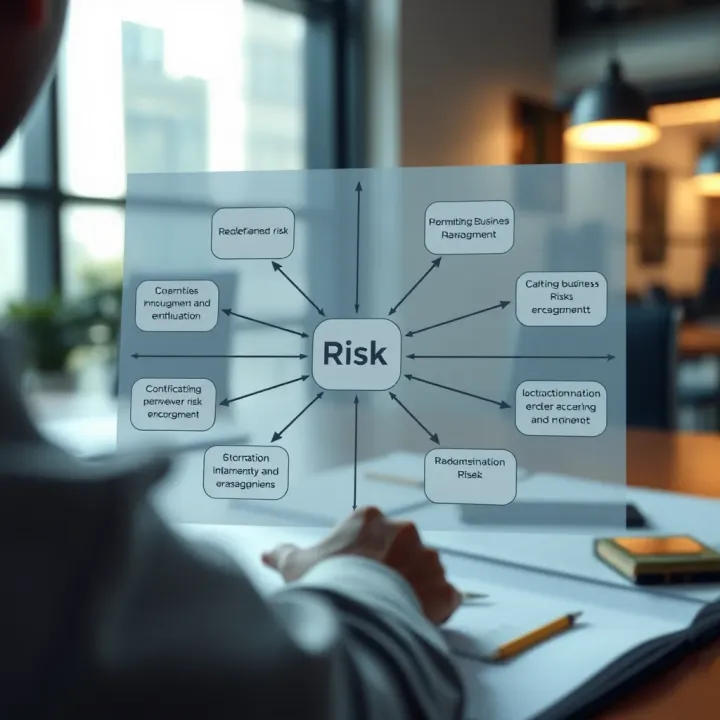
Pragmatically, this structure prevents risk tasks from being overlooked. A financial institution in Nairobi, for instance, allocates duties so the compliance officer handles regulatory risks while branch managers focus on operational hazards. This division makes monitoring manageable and responsive.
Training equips staff with the know-how to spot and report risks promptly. Many businesses assume everyone understands risk intuitively, but targeted sessions can reveal gaps or misunderstandings. Workshops or e-learning tailored to Kenyan SMEs, for example, can cover common threats such as cyber fraud or market fluctuations.
Awareness fosters a risk-conscious culture where employees feel responsible for safety and compliance rather than waiting for directives. This proactive mindset can sharply reduce incidents, as shown by a Nairobi-based agro-processing firm that saw a decline in safety lapses after regular toolbox talks.
Risk management should not be a separate function but part of everyday work. Embedding risk checks into routines, such as quality control or supplier vetting, ensures consistent application. A retailer in Mombasa integrates stock audits with risk assessments, spotting supply chain disruptions early.
This integration saves time and increases effectiveness by making risk management an organic part of business rather than an add-on task people might skip.
Digital tools help track risks and controls continuously across the organisation. For example, Kenya's growing use of cloud-based enterprise resource planning (ERP) systems offers modules for risk incident reporting and monitoring key risk indicators automatically.
Small businesses can also use mobile apps or spreadsheets to log and follow up on risks. This digital record-keeping supports quicker response times and data-driven decisions, crucial in fast-moving sectors like finance or logistics.
Clear communication avoids confusion and aligns understanding. People need simple, jargon-free explanations of the risk strategy tailored to their roles. Leaders can use meetings, memos, or internal newsletters to highlight the strategy’s importance and how it benefits the team.
Genuine buy-in happens when staff see how risk management protects their work environment and contributes to organisational success. For example, a construction company that shared stories of avoided accidents motivated workers to actively follow safety protocols.
Risk environments change, so updating all stakeholders regularly keeps the strategy relevant. Scheduled reports or dashboard updates help track progress, spotlight emerging risks, and reinforce accountability.
Consistent reporting also builds trust across departments and with external partners like regulators or insurers. A bank that publishes quarterly risk summaries for its board and staff maintains transparency and sharpens focus on critical issues.
Implementing and communicating risk management well transforms strategy from paper to practice, safeguarding assets and supporting informed decision-making across all levels of a Kenyan business.
Regularly monitoring, reviewing, and improving a risk management strategy is essential for keeping it relevant and effective. Risks evolve with changes in the business environment, economic conditions, and regulatory requirements. Without ongoing attention, a strategy can quickly become outdated, leaving the organisation exposed to new threats or missed opportunities.
Monitoring key performance indicators (KPIs) helps businesses track risk levels and spot early warning signs before problems escalate. For instance, a sudden increase in supplier delays or a sharp drop in sales could signal supply chain or market risk. In Kenyan agribusiness, changes in rainfall patterns or pest outbreaks serve as early warnings that require prompt action to avoid losses.
Tracking these indicators gives decision makers timely insights to adjust strategies. Setting thresholds on KPIs allows the team to receive alerts when certain risk levels are reached, improving their readiness and response.
Feedback from staff, customers, and stakeholders plays a pivotal role in refining risk plans. Employees dealing with day-to-day operations often spot emerging risks or inefficiencies first. For example, a jua kali workshop might identify new safety hazards when adopting unfamiliar equipment.
Acting on such feedback ensures the risk management approach adapts to real conditions. In practical terms, this might mean updating safety training or adding new measures against emerging risks like cyber threats affecting online payments.
Periodic reviews and audits assess if risk controls are working as intended. This involves checking whether risk mitigation measures reduce incidents and financial losses. An SME dealing in retail might review security controls after a theft incident to determine gaps.
These evaluations help avoid complacency and reveal where resources may be better spent. Regular audits create accountability and improve confidence among investors and regulators.
Businesses do not operate in a vacuum; regulations, market trends, and technologies shift constantly. Updating the risk strategy to reflect these changes is key. For example, a company affected by new tax laws in Kenya would reshape its financial risk plans to comply.
Adjustments might also cover environmental risks due to climate change or new competitors altering market dynamics. Staying flexible ensures the business is prepared for fresh challenges.
Every incident or near miss in operations offers a chance to learn. Documenting what happened, why, and how it was handled provides valuable lessons. For example, when a delivery vehicle breaks down causing delays, analysing the root causes can help prevent recurrence.
These lessons build organisational memory, reducing repeated mistakes. Sharing them with teams keeps everyone informed and vigilant.
Following up on lessons learned requires improving processes. This might mean tightening quality checks, improving staff training, or adopting new technologies. A small manufacturer in Nairobi might introduce better machine maintenance schedules after equipment failures caused production halts.
Continuous improvement from learning incidents strengthens resilience. Over time, it creates a culture where risks are managed proactively rather than reacting only after problems arise.
The ongoing cycle of monitoring, reviewing, and improving ensures that a risk management strategy remains a living tool, safeguarding the organisation against both present and future challenges.
Managing risks isn’t always straightforward, especially for small and medium-sized enterprises (SMEs) in Kenya. Organisations face unique obstacles that can hinder their ability to put effective risk management strategies in place. Recognising these challenges helps businesses tailor solutions that are both practical and affordable.
Limited resources and expertise often prevent Kenyan SMEs from fully embracing risk management. These businesses typically operate on tight budgets, making it hard to hire specialised risk managers or invest in advanced risk assessment tools. For example, a small retailer in Nakuru may struggle to set aside funds for insurance coverages or digital monitoring systems, leaving it vulnerable to theft or supply chain disruptions. Additionally, many entrepreneurs rely heavily on their own experience rather than formal training, which can limit their ability to identify and mitigate risks effectively.
Beyond finances, SMEs also grapple with cultural attitudes towards risk. In Kenya, there's a tendency among some business owners to view risks as inevitable challenges to be endured rather than problems to be managed proactively. This mindset can discourage early problem spotting or investment in preventive measures. For instance, a jua kali workshop owner might delay maintaining tools, assuming breakdowns come with the territory. Such attitudes slow down organisational learning and hamper efforts to build resilience against unexpected events.
To address limited resources, SMEs can explore affordable tools and training options. There are several budget-friendly training programmes and workshops offered by government agencies like the Kenya Industrial Research and Development Institute (KIRDI) that teach risk management basics. Tools such as simple risk registers and free risk assessment templates can also help owners track hazards without heavy costs. Furthermore, adopting digital platforms like M-Pesa for transparent financial tracking reduces operational risks while remaining cost-effective.
Building a risk-aware organisational culture becomes critical for overcoming cultural barriers. This involves encouraging open discussions about potential risks and rewarding staff who identify and solve problems early. For example, firms could hold regular meetings where employees share near misses or safety concerns without fear of blame. Cultivating this attitude not only improves vigilance but also strengthens teamwork and boosts overall business stability over time.
Overcoming barriers to risk management is more than acquiring tools; it's about shifting mindset and embedding risk thinking into everyday business activities.
By tackling both material and cultural challenges, Kenyan SMEs can develop risk management strategies that fit their realities while providing real protection against uncertainties.
Using real-life examples from Kenyan enterprises helps to ground risk management concepts in practical realities. It shows how businesses facing familiar challenges organise their processes and choose responses that fit local dynamics. This section shines a light on agriculture and the jua kali sector, two vital parts of Kenya’s economy where risk management is not just theory but a necessity for survival.
Agriculture in Kenya depends heavily on weather patterns, especially with the long and short rains dictating planting seasons. Droughts or floods can wipe out entire crops, leading to significant losses. To manage these risks, farmers use weather forecasting services and adopt water-saving technologies like drip irrigation to reduce dependence on rainfall. For instance, many smallholder farmers in Kitui County have started using solar-powered water pumps to maintain irrigation even during dry spells.
Another practical approach is crop diversification. Instead of planting only maize, farmers in regions prone to erratic rains also grow drought-resistant crops such as sorghum and millet. This spreads risk and improves resilience against unpredictable weather.
Prices for agricultural products shift quickly due to factors such as supply changes, transport costs, and regional demand. Farmers can lose income if they sell produce during a market glut. To manage this, some organisations encourage farmers to form cooperatives for collective bargaining and better access to storage facilities, which enables them to hold produce until prices improve.
For example, the dairy farmers around Eldoret have pooled resources to invest in cool storage and milk processing, reducing waste and making their products more competitive. This kind of risk mitigation through improved marketing channels helps dampen the impact of fluctuating prices.
The jua kali sector faces unique risks from the informal nature of operations and limited infrastructure. Safety concerns like poor workshop setups, electrical hazards, and lack of protective gear expose artisans to injury and downtime. Practical risk management involves enforcing basic safety standards and training. Some local organisations provide workshops on safe handling of tools and materials, which cuts down accidents and improves productivity.
On the operational side, unreliable power supply affects production schedules. Business owners often invest in small generators or solar panels as backup power solutions, ensuring continuity even when outages hit.
Access to affordable and reliable credit is a major hurdle for jua kali businesses. Many rely on informal loans with high interest or unpredictable terms, increasing financial vulnerability. To address this, risk management includes better financial planning and exploring group lending schemes facilitated by microfinance institutions or SACCOs (Savings and Credit Cooperative Organisations).
Besides, some artisans use mobile money platforms like M-Pesa to build a transaction record, making it easier to apply for digital loans with documented repayment histories. This reduces the risk of over-indebtedness and keeps businesses running smoothly.
Real cases from Kenyan agricultural and jua kali sectors show how tailored risk strategies keep local businesses afloat amid challenges. Studying these examples gives stronger insight on applying risk management steps successfully in similar environments.
Explore how to build and maintain practical Enterprise Risk Management frameworks 🛡️ for stronger oversight, compliance, and smarter decisions in Kenya and beyond.

Discover practical financial risk management tips 📊 for professionals & students in Kenya. Learn methods, tools & get useful PDFs to manage risks confidently.
Explore how risk management helps businesses identify, assess, and control threats to protect capital and earnings for smarter decisions across sectors. 📊🔒
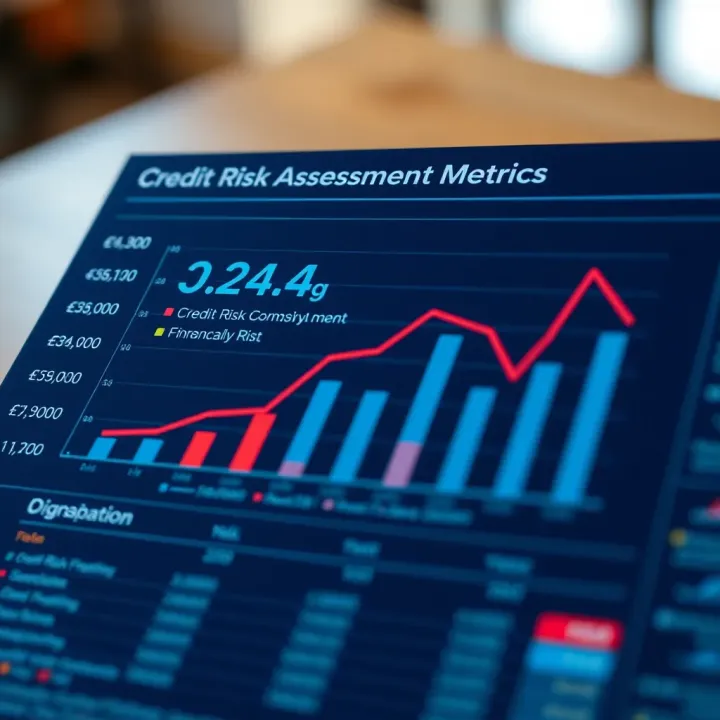
Explore effective credit risk management strategies, tools, and challenges for Kenyan businesses and financial institutions 📊💼. Stay compliant and secure.
Based on 9 reviews