
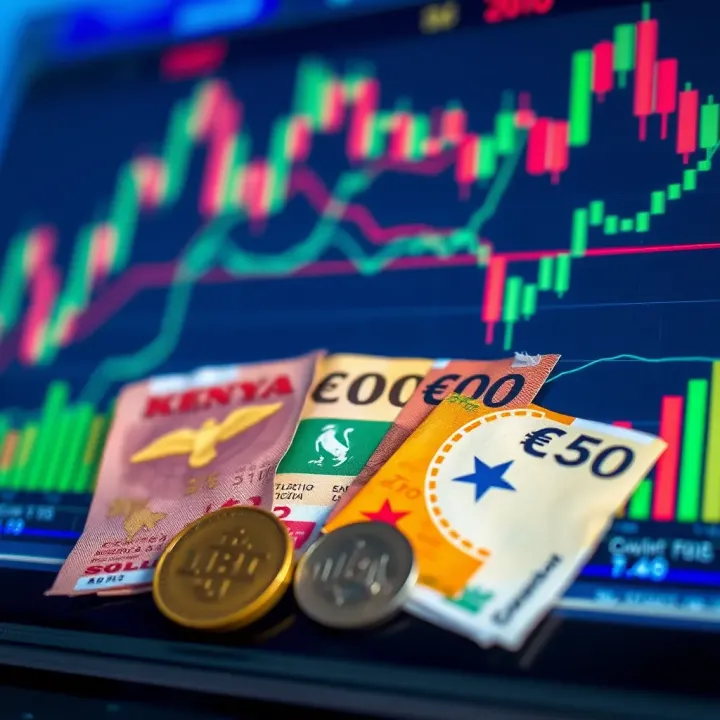
Forex Trading Basics for Beginners in Kenya
📈 Learn forex trading basics, risks, Kenyan regulations & tech tips to start confidently. A practical guide crafted for beginners aiming for smarter trading in Kenya 🇰🇪.
Edited By
Henry Thompson
Forex trading, or foreign exchange trading, involves buying and selling currencies to make a profit. In Kenya, interest in forex has grown, thanks to easier access through online platforms and mobile money like M-Pesa. For beginners, it’s vital to understand how the market works before risking any shillings.
The forex market operates 24 hours daily, five days a week, which means you can trade at any time that suits you—even outside regular banking hours. Unlike the Nairobi Securities Exchange (NSE), forex markets are global and deal with currency pairs like USD/KES (US dollar against Kenyan shilling) or EUR/USD (Euro against US dollar).
Successful traders start with solid knowledge and realistic expectations. Trading without this is like driving in Nairobi without knowing the traffic rules—you might end up stranded or worse.
Flexibility: Because of the market hours, you can trade around your job or studies.
Accessibility: You don’t need huge capital to begin. Some brokers allow opening accounts with as low as KS,000.
Liquidity: Forex is the largest financial market globally, making it easier to enter or exit trades quickly.
Before jumping in, get acquainted with the following:
Currency Pairs: Major pairs include USD/KES, GBP/USD, USD/JPY, while minors and exotics have their own risks.
Leverage: Borrowed funds allow bigger positions but increase risks. Many Kenyan brokers offer leverage up to 1:100, but beginners should be cautious.
Spread: The difference between the buying and selling price is the broker’s fee. Narrow spreads mean lower costs.
Trading Platforms: Most brokers offer MetaTrader 4 or 5, which run smoothly on both computers and smartphones.
Choose a regulated broker: Look for firms licensed by the Capital Markets Authority (CMA) or reputable international bodies.
Use demo accounts: Practice trading with virtual funds before using real money.
Learn basic analysis: Understand both technical charts and fundamental news — like how CBK policy changes can influence the KES.
Understanding these basics puts you ahead and helps avoid common pitfalls. The next sections will guide you through selecting brokers, developing strategies, and managing risks tailored to Kenya’s environment.
Understanding the basics of forex trading is vital for anyone starting out in this field, especially in Kenya where the market dynamics may differ due to local factors. Getting a solid grasp of core concepts helps you avoid costly mistakes and trade with more confidence. For instance, knowing how currency pairs move or what affects their price can save you from jumping into a trade blindly.
Forex trading refers to the buying and selling of currencies on the foreign exchange market to make a profit. People trade forex by exchanging one currency for another—for example, swapping Kenyan shillings (KES) for US dollars (USD)—with the hope that the exchange rate will move in their favour. This market operates 24 hours a day, which means you can trade whenever it suits you.
The practical relevance is clear for Kenyans involved in imports, exports, or those remitting funds from abroad—changes in forex rates directly impact business costs and income. For beginner traders, understanding forex trading opens doors to potentially profit from currency fluctuations.
Currencies are traded in pairs because you're exchanging one currency for another. Each pair has a base currency and a quote currency. For example, in the pair USD/KES, the USD is the base currency, and the KES is the quote. The price tells you how much of the quote currency you'll need to buy one unit of the base currency.
This system allows you to speculate on whether a currency will strengthen or weaken against another. Say you expect the US dollar to rise against the Kenyan shilling because of economic changes in the U.S.; you might buy USD/KES to benefit from the shift.
Major currency pairs include USD/EUR, USD/GBP, and USD/JPY, representing some of the world's most traded currencies. For Kenyans, USD/KES is the most relevant major pair since the shilling's value against the dollar affects everyday transactions, from fuel prices to loan interest rates.
Minor pairs, such as EUR/GBP or AUD/NZD, trade less often but might interest traders looking for more specialised opportunities. However, focusing on pairs involving the Kenyan shilling or widely used currencies like the US dollar and euro is usually better when starting out.
A pip is the smallest price change in a currency pair, often the fourth decimal place. For example, if USD/KES moves from 110.0000 to 110.0001, that’s one pip. The spread is the difference between the buying (ask) and selling (bid) price, usually what brokers charge as a fee.
Leverage allows you to control a larger position with a small amount of money, but it also increases risk. If your broker offers leverage of 1:100, you can trade KS00,000 with just KS,000 in your account. Margin is the money needed to open a leveraged trade, held to cover potential losses.
Kenyan traders must be cautious with leverage to avoid large losses, especially since volatile market events can swing prices swiftly.
When you buy a currency pair, you expect the base currency to strengthen against the quote currency. Conversely, a sell order bets that the base will weaken. For example, buying USD/KES means you believe the dollar will rise compared to the shilling.
Knowing when to place these orders is crucial. For instance, if a Kenyan trader suspects upcoming political stability might boost the shilling, they might sell USD/KES to profit when the shilling strengthens.
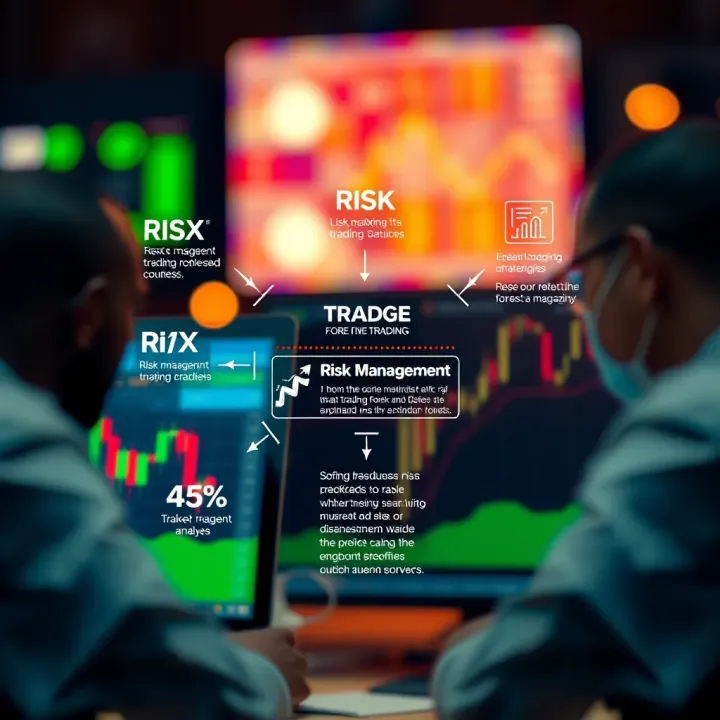
Charts visually show currency price movements over time and are essential for decision-making. Beginners should focus on recognising trends—whether the price is generally going up, down, or sideways.
Understanding trends helps identify entry or exit points. For example, if USD/KES shows a steady upward trend, a trader might consider buying, expecting the dollar’s value to continue rising. Using candlestick charts, which illustrate daily price action, brings more clarity to patterns than simple line charts.
Mastering these fundamentals lets you trade with a clearer view of the market, helping navigate forex trading’s ups and downs more confidently and smartly.
Setting up properly before you start trading forex in Kenya makes all the difference between smooth sailing and unnecessary headaches. This section explains how to pick the right broker, open your trading account, and fund it conveniently — practical steps that every beginner trader should get right.
Choosing a broker regulated by a recognised authority protects your funds and ensures fair trading practices. In Kenya, brokers licensed by the Capital Markets Authority (CMA) offer some local protection and are generally more familiar with Kenyan market conditions. However, many traders also use international brokers regulated by authorities like the Financial Conduct Authority (FCA) in the UK or the Cyprus Securities and Exchange Commission (CySEC). These licences show the broker meets strict financial standards and client protection rules, which matter if disputes arise.
Local brokers generally offer customer support in Kenyan timezones and payment options like M-Pesa, making deposits and withdrawals smoother. International platforms might provide wider currency pairs and advanced trading tools but could have higher fees or slower payout times due to cross-border transactions. For instance, a local broker might let you start with KSh 5,000 and fund your account instantly via M-Pesa, while an international broker could require higher minimum deposits and bank transfers.
Look closely at charges such as spreads, commissions, and withdrawal fees because these can eat into profits quickly. Also, the trading platform's usability counts—MT4 and MT5 are popular for their reliability and features. A broker with solid customer support that responds quickly via phone, email, or chat in Swahili or English can save you stress, especially when technical problems arise during volatile market moments.
Many brokers offer accounts designed with beginners in mind. These often have lower minimum deposits, more leverage options, and access to demo accounts. For example, a 'mini' or 'micro' account lets you trade smaller lot sizes with less capital, helping you learn without risking too much. Such account types provide a practical way to grow confidence steadily.
M-Pesa has made funding trading accounts straightforward for many Kenyans. Brokers accepting M-Pesa enable instant deposits without expensive bank charges. Bank transfers are also an option but usually take longer and may have additional fees. Always confirm the broker’s deposit methods before opening an account to avoid delays when the market moves fast.
Demo accounts simulate real trading with virtual money, allowing beginners to explore platform features and test strategies risk-free. Practising consistently helps you understand market behaviours and sharpens your decision-making without financial pressure. Most reputable brokers offer demo accounts that mimic live markets closely — this is a must before investing real funds.
Setting up your forex trading carefully with the right broker, account, and funding method builds a strong foundation for your trading journey in Kenya.
With these steps well understood and handled, you'll be able to enter the forex market with confidence and focus on growing your skills effectively.
Trading forex well requires more than just knowing the basics. You need solid strategies that help make consistent and informed decisions. For beginners in Kenya, understanding essential trading strategies lays the foundation for managing risk, reading the market properly, and spotting potential profit opportunities.
Day trading involves opening and closing trades within the same day. Traders aim to profit from small price movements during market hours. This style suits people who can closely monitor the markets and respond quickly, like checking trends during Nairobi stock market hours. On the other hand, swing trading holds positions for several days or even weeks, trying to catch bigger market shifts. This approach can work well for Kenyans balancing trading with other jobs, allowing more time to analyse trends without watching charts constantly.
Technical analysis looks at past price data and charts to predict future movements. It’s particularly useful in forex because markets react to patterns and trends you can spot with practice. Beginners in Kenya can start by studying support and resistance levels—price points where currency pairs often reverse direction. For instance, if the USD/KES pair hits a strong resistance level repeatedly, it might signal a selling chance. Simple tools and indicators help in breaking down complex charts into actionable insights for Kenyan traders.
Fundamental analysis considers economic news and events affecting currency values. Kenyan traders following global reports—such as US interest rate decisions or oil price changes—can better understand why the shilling moves the way it does. For example, a rise in oil prices may weaken the shilling because Kenya imports oil, raising costs. Staying updated with economic calendars and trusted news sources helps you anticipate how such events influence forex prices.
Indicators like Moving Averages (MA), Relative Strength Index (RSI), and Bollinger Bands are user-friendly for beginners. Moving Averages smooth out price data to highlight trends, while RSI helps identify overbought or oversold conditions—telling you when a currency might reverse. Bollinger Bands show volatility, helping traders decide if price movements are normal or signal a potential break. Using these indicators together gives a better overall picture of the market.
Candlestick charts are the bread and butter of forex trading. Each candle shows the opening, closing, highest, and lowest prices during a set time. Beginners should focus on identifying patterns like "doji" (indecision) or "hammer" (possible reversals). For instance, spotting a hammer candle after a downtrend can suggest buyers stepping in, a cue to consider buying. Reading these charts helps you time your trades more accurately.
Knowing when to enter or exit a trade is crucial. Entry points are where you buy or sell a currency pair based on your analysis, while exit points are where you close the trade to lock in profit or cut losses. Setting stop-loss orders limits downside, protecting your capital. Take-profit orders help secure gains before the market reverses. For example, if buying USD/KES at 110, setting a stop-loss at 108 and take-profit at 113 manages your risk and potential reward clearly.
A well-defined strategy combining these elements can greatly improve your chances of success, especially when starting out in the fast-moving forex markets.
Using practical approaches like these, Kenyan traders build confidence, reduce losses, and improve decision-making in forex trading.
Managing risks is a vital part of successful forex trading. Most beginners in Kenya focus heavily on making profits but overlook how easily losses can eat into their capital. By learning to manage risk effectively, you keep your trading sustainable and avoid mistakes that can wipe out your account quickly. Avoiding common pitfalls not only protects your money but builds discipline, which is essential for long-term success.
Using stop-loss and take-profit orders helps you control how much you lose or gain on each trade without watching the market all day. A stop-loss order automatically sells your position if the currency price moves against you, limiting losses. For example, if you buy the USD/KES pair expecting it to rise but the price dips below a certain level, your stop-loss kicks in to close the trade before losses pile up. Similarly, a take-profit order locks in profits once the price hits a target, ensuring you don’t lose gains to sudden market shifts.
Setting appropriate leverage limits is crucial because leverage can multiply both profits and losses. Kenyan brokers often offer high leverage, sometimes 1:100 or more, but beginners should keep leverage low, say 1:10 or less. Using too much leverage can quickly drain your trading account if the market moves against you. It’s like borrowing money to invest; the more you borrow, the bigger the risk of losing more than your initial capital. Keeping leverage reasonable helps you trade with less stress and more control.
Diversifying trades to protect capital means spreading your investment across different currency pairs or trading strategies rather than putting all your money into one trade. For instance, instead of trading only USD/KES, you might add trades in EUR/USD or GBP/USD, which don’t always move the same direction. This reduces the risk that a single market event wipes out your capital. Diversification acts like an insurance policy, balancing your potential gains and losses.
Emotional trading and overtrading happen when traders let feelings like fear or greed drive their decisions rather than logic. Imagine a trader who doubles their stake after a loss, hoping to recover quickly. This often leads to bigger losses. Overtrading, or placing too many trades without proper analysis, burns out capital and causes poor decisions. Staying calm and following a clear trading plan prevents emotional mistakes.
Ignoring market research is skipping the homework before trading. New traders who jump in without checking economic news, central bank policies, or global events risk guesses that hurt their wallet. For example, ignoring a planned interest rate announcement by the Central Bank of Kenya can lead to sudden currency swings. Successful traders read market reports, use reliable news sources, and understand how events affect currencies.
Chasing losses instead of learning is a common trap where a trader tries to win back lost money by risking bigger trades. This often leads to a cycle of losses and frustration. Instead, every loss should be an opportunity to review what went wrong and adjust your strategy. Kenya’s forex schools and experienced traders often stress the value of patience and learning from mistakes rather than rushing to recover losses.
Managing risk and avoiding these common mistakes won’t make you rich overnight, but they keep you in the game long enough to see real progress.
Taking these steps seriously from the beginning protects your hard-earned KSh and builds a foundation for smarter trading decisions in Kenya’s forex market.
Access to reliable resources is a key part of learning forex trading, especially for beginners in Kenya. Many newcomers struggle with information overload or getting lost in jargon, so having clear, practical guides can make a big difference. Resources like PDFs, trading manuals, and online forums offer step-by-step knowledge, which can build confidence and reduce costly mistakes.
Reliable forex trading PDFs are usually available on official broker websites, financial education platforms, or local financial institutions like the Capital Markets Authority (CMA) Kenya. These guides often break down complex topics into digestible sections, covering basics such as market mechanics, risk management, and how to interpret charts. For Kenyans, it’s especially helpful to find resources that reference local regulations or payment options like M-Pesa.
To use trading manuals effectively, start by focusing on the chapters that cover foundational concepts. Don’t rush through the entire document at once. It’s better to read a section, then practice what you’ve learned using demo accounts or by reviewing market charts. Highlight key points and glossary terms you find confusing, then revisit them after practical application. This approach transforms written information into usable skills.
Examples of trusted guides include the CMA Kenya beginner resources, the Bank of International Settlements (BIS) publications, and well-known brokers like FXTM or AvaTrade who provide downloadable manuals tailored to beginners. Internationally, the 'Forex for Beginners' PDF by Investopedia offers clear language, making it easy to understand various trading techniques.
Kenyan forex forums and social media groups provide real-time insights and shared experiences that you won’t find in books. Groups on platforms like Facebook and Telegram see active discussions on market trends, broker reviews, and trading tips relevant to the Kenyan context. Engaging in these communities helps you learn from others’ successes and mistakes, plus you get updates on local events like training sessions and regulatory changes.
Webinars and training programmes are valuable for getting interactive learning. Many brokers and Kenyan financial educators organise webinars that cover topics from beginner fundamentals to advanced strategies. Attending these sessions allows you to ask questions directly and clarify doubts. It’s a good idea to choose programmes led by accredited instructors or those recognised by bodies like the CMA.
Demo accounts and practice tools let you trade without risking real money. Almost every reputable broker offers a demo account where you can simulate forex trading using virtual funds. Practising on these platforms helps in understanding order types, testing strategies, and familiarising yourself with trading platforms such as MetaTrader 4 or MetaTrader 5. For Kenyans, brokers supporting deposits through M-Pesa make it easy to transition from demo to live accounts.
Using trusted resources and connecting with communities not only sharpens your trading skills but also keeps you grounded in Kenya’s specific market picture. This practical knowledge ultimately helps protect your capital and builds your confidence as a forex trader.
📈 Learn forex trading basics, risks, Kenyan regulations & tech tips to start confidently. A practical guide crafted for beginners aiming for smarter trading in Kenya 🇰🇪.
📈 Learn how forex trading works in Kenya, explore local regulations, trading strategies, risks, and steps to start earning through M-Pesa and online platforms.
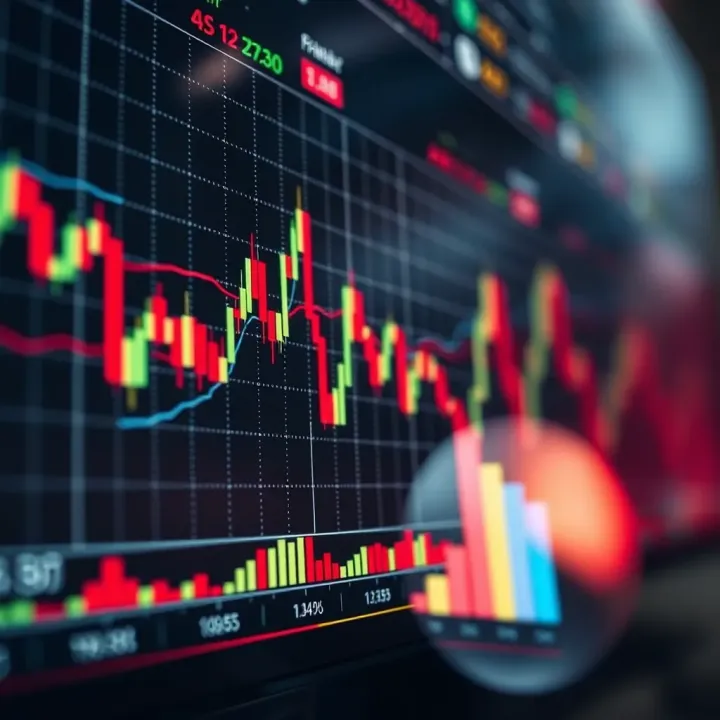
📈 New to forex? This practical guide breaks down key concepts, tools, and strategies to help Kenya beginners trade confidently and make smart choices. 💡
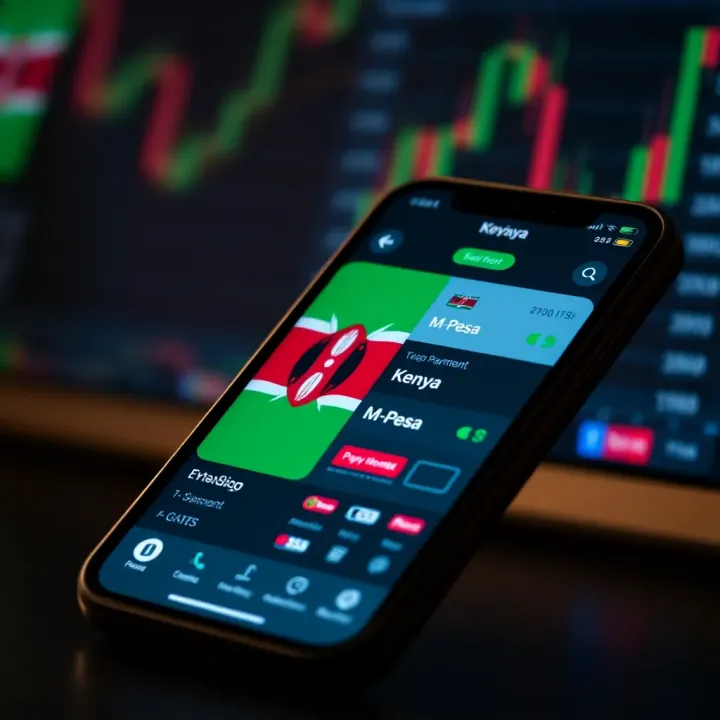
📈 Learn how to trade forex online in Kenya with tips on regulation, local payment methods like M-Pesa, and managing risks. Start your trading journey today!
Based on 13 reviews