

Understanding Binary Gender and Its Impact
Explore binary gender concepts, cultural impacts, and evolving views including non-binary identities, with insights relevant to Kenyan society 🇰🇪🌍
Edited By
Amelia Watson
Non-binary gender refers to identities that don’t fit neatly into the traditional male or female categories. It challenges the common understanding that gender is just a simple either-or choice. In Kenya, where cultural and societal norms often emphasise binary gender roles, recognising non-binary identities can be quite complex but necessary.
People who identify as non-binary might feel that they are a mix of male and female, neither, or something else entirely. For example, a young Kenyan woman working in Nairobi’s fintech sector might identify as non-binary because her experience of gender doesn’t align with what’s expected of her based on her biological sex. She may prefer pronouns like 'they' or 'them' or other terms beyond 'he' or 'she'.
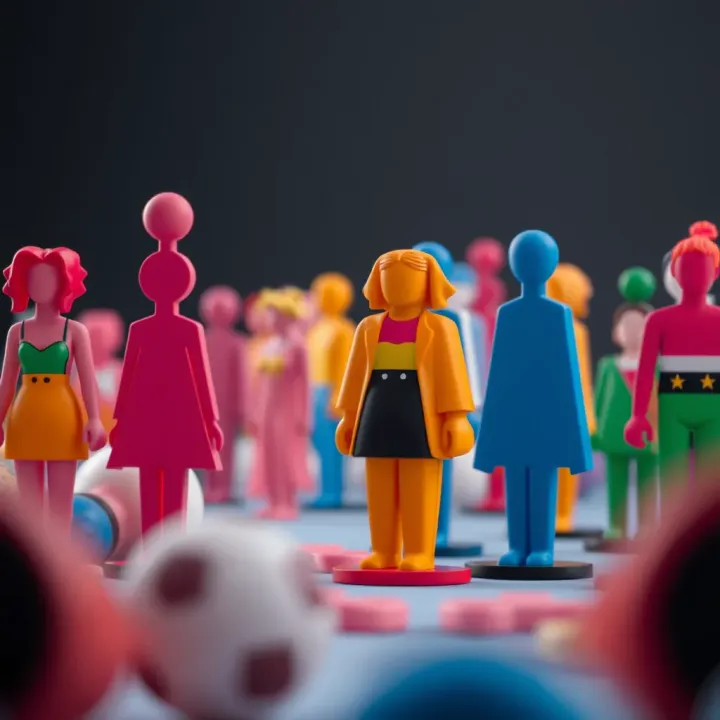
Understanding non-binary gender means appreciating that gender is a spectrum, not just two boxes.
In a Kenyan context, family, religion, and cultural beliefs play a strong role in shaping how gender is viewed. The traditional roles of men and women are deeply rooted in many communities. For instance, certain ethnic groups have clear expectations about men as providers and women as caregivers. This rigid outlook makes it harder for non-binary individuals to find acceptance and support.
Many non-binary people in Kenya face challenges such as social exclusion, discrimination at work or school, and difficulties accessing healthcare that respects their gender identity. Schools and workplaces rarely provide adequate awareness or policies for gender diversity. Even official documents often require a male or female gender marker, which complicates matters further.
Raising awareness is crucial. Educators, employers, and policymakers need to understand how to support non-binary Kenyans better. For example, companies in Nairobi can update their HR policies to respect preferred names and pronouns. Schools can include gender diversity in their sex education syllabus to foster acceptance early on.
In summary, non-binary gender in Kenya is an important social topic that challenges long-standing norms. Recognising and supporting non-binary people contributes to more inclusive communities and workplaces. As the country grows and diversifies, it’s necessary to expand our understanding of gender beyond just male and female.
Understanding what non-binary gender means is vital for anyone aiming to grasp the full picture of gender identities in Kenya and beyond. It helps clear common confusions and supports inclusive approaches in workplaces, education, and social settings. For traders and investors, knowing these definitions can even improve client relations and market strategies involving diverse communities.
Non-binary refers to gender identities that do not fit neatly into the traditional categories of male or female. For example, someone might feel they are both male and female, somewhere in between, or completely outside this binary spectrum. This concept challenges the usual idea that everyone must identify strictly as a man or woman.
This broader understanding matters for practical reasons. Take schools or companies that want to create inclusive environments; knowing non-binary exists helps avoid assumptions, such as using only "he" or "she" pronouns. It also guides policies around uniforms, bathrooms, and official documents.
Within the non-binary community, some common terms include genderqueer, genderfluid, and agender:
Genderqueer usually means rejecting rigid gender categories altogether.
Genderfluid describes having a gender identity that shifts over time.
Agender refers to having no gender or feeling gender-neutral.
These terms help people better express their personal experiences and allow others to respect and recognise their identities. For example, someone working in Nairobi’s tech sector might prefer the label genderfluid, which explains their changing gender expression.
Biological sex is determined by physical characteristics such as chromosomes, hormones, and reproductive organs present at birth. However, gender identity is about how a person feels and experiences themselves internally, which may or may not align with their biological sex.
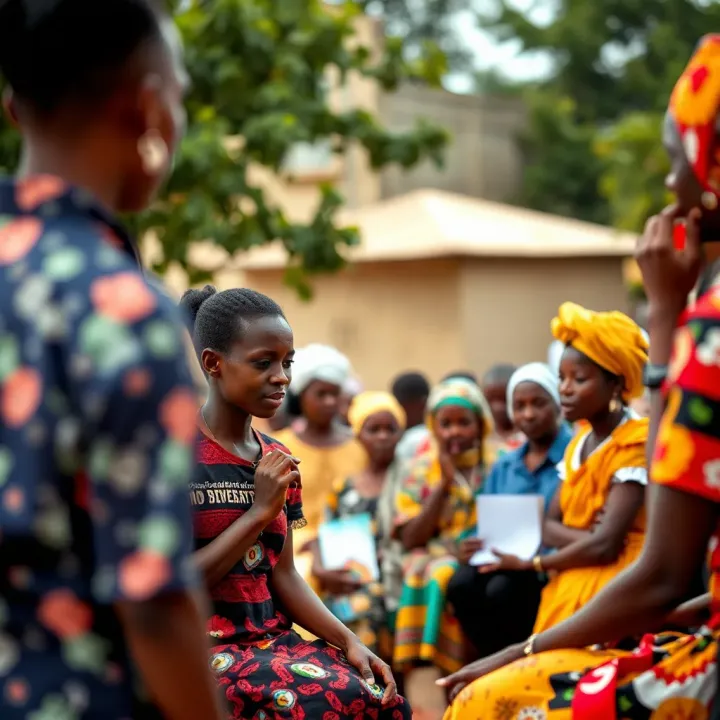
For instance, a person assigned male at birth might identify as female, non-binary, or another identity altogether. This distinction is crucial in medical and social services, where recognising gender identity affects access and respect.
Gender is also a social and personal concept shaped by cultural expectations and individual experiences. In Kenyan society, gender roles have traditionally been linked to specific behaviours and duties, but these ideas vary widely across communities and eras.
Today, many people see gender less as a strict label and more as a flexible aspect of identity. This view emphasises personal freedom to define oneself, which supports mental wellbeing and social inclusion. For example, recognising diverse gender identities can improve community cohesion by reducing prejudice and misunderstandings.
Understanding non-binary gender is not just about labels but recognising the variety of human experiences. This clarity allows Kenyan institutions to be more inclusive and responsive, creating respectful spaces where everyone can participate fully.
Gender diversity holds a significant place in Kenyan culture, both historically and in modern times. Understanding how gender roles have evolved offers insights into the challenges and opportunities faced by non-binary individuals today. Recognising this diversity is key for traders, investors, analysts, educators, and brokers alike, as it affects social dynamics, workplace inclusivity, and market behaviour.
Historically, several Kenyan communities acknowledged diverse gender roles beyond the strict male-female binary. For instance, among the Buganda and some Maasai sections, roles like female warriors or male healers reflected a fluid understanding of gender responsibilities. These roles demonstrated practical adaptation and respect for individual strengths over rigid gender labels. This historical recognition means that gender diversity is not entirely foreign to Kenya’s cultural fabric, even if contemporary society leans towards binary norms.
However, the arrival of colonial rule and the spread of Christianity introduced stricter gender norms. Colonial administrators often suppressed traditional practices they considered ‘uncivilised’, enforcing Western ideals of male and female roles. Religious influences reinforced these divisions, promoting binary gender identities as moral laws. This shift displaced many indigenous views, making non-binary identities less visible and creating social stigma around gender variations.
Today, public perceptions about gender diversity in Kenya are mixed but gradually shifting. Urban areas, especially Nairobi and Mombasa, show rising awareness of non-binary and LGBTQ+ identities. This is partly due to global influences, local activism, and social media discussions. Still, there remains widespread misunderstanding and prejudice in many rural areas, where traditional and religious values continue to dominate. For businesses and educators, addressing these divides is necessary for fostering inclusive environments.
Urbanisation and improved access to education have played a crucial role in changing attitudes. Exposure to diverse ideas through universities, online platforms, and international exchanges has made younger generations more receptive to concepts like gender fluidity. For example, universities like the University of Nairobi have begun dialogues around gender identity, creating safer spaces for marginalized groups. Increased education also equips workers and employers with better tools to tackle discrimination, benefiting organisational culture and productivity.
Embracing Kenya's gender diversity helps create workplaces and communities where everyone can contribute fully without fear of exclusion.
By understanding both traditional gender practices and contemporary changes, stakeholders can better support non-binary individuals within Kenyan society and commerce. This awareness is not only a social responsibility but also enhances economic and educational outcomes.
Historical gender roles varied across ethnic groups
Colonial and religious forces imposed rigid binaries
Urban areas lead in gender diversity awareness
Education opens doors for acceptance and inclusion
Each of these points delivers useful insights for professionals engaging with Kenya's diverse social fabric today.
Non-binary individuals in Kenya encounter several obstacles that influence their everyday lives and wellbeing. Understanding these challenges sheds light on why respect and legal acknowledgement are necessary. This section outlines the main issues within Kenyan society, from social stigma to legal recognition, helping readers appreciate the practical effects on non-binary people.
Non-binary Kenyans often face prejudice both in their communities and workplaces. For example, some may be excluded from social gatherings or called names that undermine their identity. At work, they can experience unfair treatment, such as being overlooked for promotions or having their gender identity ignored by colleagues. Such discrimination restricts their ability to fully participate in society and earn a livelihood with dignity.
This stigma is not just social but can deeply affect mental health. Many non-binary individuals report feelings of anxiety, depression, or isolation caused by persistent rejection or misunderstanding. When people around you question your identity or treat you unfairly, it becomes hard to maintain confidence and emotional balance. In Nairobi, some mental health clinics have started recognising gender diversity as part of their counselling services, but access remains limited outside major urban centres.
Kenya does not currently provide legal options for non-binary gender markers on official documents like national IDs or passports. This lack complicates everyday matters such as opening bank accounts, accessing loans, or registering businesses. For traders and investors, mismatched identity documents can lead to confusion or even denial of services, affecting financial inclusion.
Access to health care and social services also presents challenges. Medical forms and hospital records typically assume a male or female gender, making it difficult for non-binary Kenyans to get appropriate care. There have been cases where health practitioners lack training on gender diversity, resulting in misgendering or refusal of certain services. This situation discourages many from seeking help, worsening health outcomes. Expanding training for health providers and adjusting administrative systems to recognise non-binary identities could improve these barriers.
Supporting non-binary citizens by addressing social prejudice and legal limitations benefits the whole community, fostering inclusivity and tapping into the full potential of all Kenyans.
In summary, the social stigma and limited legal recognition complicate matters for non-binary individuals in Kenya, impacting their mental health, economic participation, and access to essential services. Raising awareness among employers, health providers, and governmental institutions is a necessary step to ensure equality and respect for non-binary Kenyans.
Supporting non-binary individuals in Kenya is essential for building an inclusive society where everyone feels respected and valued. As non-binary people face unique challenges—from social stigma to lack of legal recognition—both individuals and organisations can play a role in fostering acceptance and creating environments that acknowledge diverse gender identities. Understanding this support is especially relevant in workplaces, schools, and communities, where respect and inclusion can directly impact mental health, productivity, and social cohesion.
Individuals and organisations can foster acceptance by openly recognising and respecting non-binary identities. This starts with simple actions, such as using correct pronouns and avoiding assumptions based on appearance. For example, companies in Nairobi are beginning to include gender-neutral options on forms and encourage respectful language in internal communications. This small adjustment sends a strong message that diversity is welcome.
Organisations can also provide sensitivity training for staff to challenge stereotypes and reduce unconscious bias. In practice, jua kali workshops or informal sessions can help colleagues understand the lived experiences of non-binary people. When leadership supports such initiatives, it creates a culture where everyone feels safer and more included.
Creating safe spaces in schools and workplaces involves more than policy—it requires a welcoming culture. Schools in Kenya can designate specific support groups or clubs that allow students to express their gender identity without fear. For instance, some urban schools in Nairobi and Mombasa have started peer support networks where students discuss gender issues confidentially.
At workplaces, management should establish clear anti-discrimination policies. Facilities that respect privacy and provide gender-neutral restrooms can make a big difference. Employees are more likely to perform well when they feel accepted for who they are, which in turn benefits the organisation through higher morale and reduced absenteeism.
Incorporating gender diversity in school curricula can demystify non-binary identities early on. Education that reflects real-life diversity helps students appreciate differences rather than fear them. Including lessons on gender identity alongside traditional subjects in primary and secondary schools offers pupils a broader view of human experience. This approach also prepares future employers and community members to be more understanding and supportive.
Community outreach and media representation play a vital role in shaping public opinion. Kenyan media houses can feature stories highlighting non-binary Kenyans to break down misconceptions. Radio programmes, TV shows, and social media campaigns that share real experiences promote empathy and awareness. NGOs often run outreach events in both urban and rural areas to engage people in dialogue, helping reduce prejudice at the grassroots level.
Respect and support for non-binary individuals are not just about fairness; they improve mental health, community well-being, and workplace productivity. Small changes in attitude and policy can create a big impact.
Together, education, open dialogue, and supportive environments form the foundation for greater acceptance of gender diversity in Kenya. Understanding these steps helps traders, investors, analysts, and educators appreciate how social inclusivity can align with broader economic and social goals.
Explore binary gender concepts, cultural impacts, and evolving views including non-binary identities, with insights relevant to Kenyan society 🇰🇪🌍

📈 Discover how binary trading works, risks involved & top tips for Kenyan traders. Learn about trusted platforms, regulation & smart strategies to boost your market moves.

📊 Learn how to spot binary numbers and distinguish non-binary ones clearly. Understand why this matters in computing, with practical examples for easy grasp.

Explore cashier binary systems in Kenya's payment scene 💳. Learn how they work, their benefits, and tips for using this tech confidently in daily transactions.
Based on 6 reviews