

Best Forex Trading Books for Kenyan Investors
📘 Discover top forex trading books for Kenyan investors! Learn to pick guides that fit your needs and apply strategies in local markets effectively. 🇰🇪
Edited By
Isabella Green
Forex trading has become a growing interest in Kenya, as more people look beyond traditional investing avenues to grow their wealth. The foreign exchange (forex) market is where currencies are bought and sold, shaping the value of the shilling against other currencies like the US dollar or euro. This market runs 24/7, offering countless chances for those ready to learn and engage.
However, forex trading isn't a walk in the park—it demands a solid understanding of how the market works, the risks involved, and the right tools to navigate it safely. For Kenyan investors, it’s important to consider local regulations, economic factors, and the best platforms tailored to their needs.
This guide breaks down forex trading in a straightforward way, helping you grasp essential concepts, meet the key players, and adopt strategies that fit your goals. Whether you're a beginner or looking to sharpen your skills, this article covers everything from market basics to risk management, with a special focus on what matters most to investors in Kenya.
Understanding forex isn't just about guessing which way a currency will move—it's about making informed decisions backed by data, discipline, and a clear plan.
Throughout this article, we will cover:
What forex trading involves and how the market operates
Important terms and participants you’ll meet along the way
How to choose safe and reliable trading platforms
Risk management practices to protect your investments
How Kenyan economic factors influence forex trading decisions
By the end of this guide, you should feel equipped to step confidently into forex trading, knowing the steps to take and the pitfalls to avoid. Let's get the basics down and move toward smarter trading.
Getting into forex trading can feel overwhelming at first, especially for Kenyan investors venturing into this vast market. This section sets the stage by explaining what forex trading actually is and why it matters, so you don’t just dive in blind. Knowing the basics helps you avoid common pitfalls and gives you a clearer sense of how currency markets fit into the bigger financial picture.
Forex trading, short for foreign exchange trading, is essentially the buying and selling of currencies. Unlike owning a stock or a bond, when you trade forex, you’re speculating on the price movements between currency pairs, such as the US Dollar (USD) against the Kenyan Shilling (KES) or the Euro (EUR) versus the British Pound (GBP). This market operates 24/5, allowing traders to engage at almost any time that suits their schedule.
Understanding forex is crucial because currency prices reflect global economic conditions, political events, and market sentiment all rolled into one. For instance, a Kenyan exporter might monitor USD/KES rates closely since fluctuations directly impact their revenues once converted.
Currencies are quoted in pairs because you’re always comparing one against another. A price like USD/KES 110 means one US dollar buys 110 Kenyan shillings. When you buy that pair, you’re betting the dollar will strengthen against the shilling. Conversely, selling the pair means you expect the shilling to gain value compared to the dollar.
This buying and selling happen on electronic networks connecting banks, brokers, and retailers worldwide. For Kenyan investors, trading often occurs through platforms like MetaTrader 4 or 5 offered by brokers regulated by Kenya’s Capital Markets Authority, ensuring safer transactions.
Forex trading is not just about small investors or traders; it acts as the financial backbone of international trade and investment. Governments, businesses, and banks continuously exchange currencies to do everything from buying goods overseas to investing in foreign projects.
For Kenyans, the global currency market impacts everything from the price of imported electronics to the cost of traveling abroad. For example, if the dollar strengthens against the shilling, imported goods become pricier at local stores.
Understanding this global interplay helps you see forex as more than speculation — it’s a dynamic environment reflecting worldwide economic health.
The forex market is the largest financial market on earth, with an average daily trading volume surpassing $6 trillion. That’s huge compared to stock markets or commodities trading. This size means you can enter and exit trades quickly without worrying much about finding a buyer or seller — a feature called high liquidity.
Liquidity offers Kenyan traders the ability to react swiftly to market news without getting stuck in half-filled orders. Think of it as having a ready crowd eager to trade at your preferred price, unlike less liquid assets that might leave you waiting.
In forex, the sheer scale and accessibility make it appealing but also demand a responsible approach. Knowing what you’re dealing with helps reduce risks and improves your chances of making smart decisions.
To wrap this up, starting with a clear grasp of what forex trading entails and why it matters lays a solid foundation. This knowledge equips Kenyan investors to approach the market with confidence and a well-grounded perspective.
Understanding how forex markets operate is essential for anyone looking to trade currencies effectively. This section breaks down the mechanics behind currency trading, explaining how prices are determined and when the markets are active. These details help Kenyan investors know when to jump in and how to read the signs around the flurry of trading activities worldwide.
At the heart of forex trading are currency pairs — these are two currencies being bought or sold against each other. For example, USD/KES represents the US dollar against the Kenyan shilling. Major pairs usually involve the world's most traded currencies such as USD, EUR, JPY, GBP, and others. They tend to have tighter spreads and higher liquidity, making them more attractive to traders who want smoother transactions and lower trading costs.
Minor pairs, on the other hand, do not include the USD but are still actively traded pairs like EUR/GBP or AUD/NZD. These might have larger spreads and slightly less liquidity but provide alternatives when opportunities in majors aren't favorable.
For a Kenyan investor, focusing on pairs that involve the USD or EUR can be practical because they tend to be more stable and less volatile compared to exotic pairs, which might include the KES paired with lesser-known currencies. This can be especially helpful when starting out or when you want to avoid sharp swings.
Every currency pair comes with two prices: the bid and the ask. The bid is the price at which you can sell a currency pair, while the ask is the price at which you can buy it. The difference between these two is known as the spread, which represents the broker’s profit margin or transaction cost.
For example, if USD/KES has a bid price of 115.00 and an ask price of 115.05, the spread is 0.05 Kenyan shillings. This difference might seem tiny, but it adds up, especially for traders who open and close multiple trades daily. Understanding this helps Kenyan investors evaluate brokers better and avoid unnecessary fees that can eat into their profits.
The forex market never sleeps; it operates 24 hours a day, five days a week, opening first in Asia, then Europe, and finally North America before the cycle repeats. The three major sessions are the Tokyo, London, and New York sessions. Each has unique characteristics:
Tokyo session: Often sees increased activity for JPY pairs.
London session: Generally the most volatile and liquid time, especially for EUR and GBP pairs.
New York session: The most active for USD pairs.
Knowing the sessions matters for Kenyan traders because market activity affects price movements and trading opportunities. For instance, if you trade USD/KES, keeping an eye on the New York session is wise since it influences USD liquidity and volatility most.
Kenya is in the East Africa Time zone (EAT), which means forex traders here will experience overlaps during certain market sessions. Between 4 pm and midnight EAT covers both the London afternoon and New York morning sessions, a period known for heightened volatility and tighter spreads.
However, outside these overlaps, some sessions like Tokyo or Sydney are off-peak hours for Kenyan traders, often resulting in lower liquidity and wider spreads. This can increase risk due to less predictable price movements. Understanding how time differences affect market hours helps Kenyan investors plan trades smarter, entering when liquidity is high and avoiding times when markets are thin.
Knowing when and how the forex market operates can be the difference between catching the wave or wiping out. Timing trades according to major sessions and understanding pricing dynamics lets you stay ahead instead of chasing moves blindly.
In short, grasping how currency pairs are priced and when the market is most active arms Kenyan forex traders with practical tools to make informed decisions and manage risks better.
Knowing who plays a role in forex trading helps Kenyan investors see the bigger picture. It’s not just about one person buying or selling currencies; a variety of players each move the market in their own way. Understanding these players can help you predict market moves and make smarter trading choices.
Let's break down the key participants and their roles so you don't miss out on what really drives forex trading.
Central banks, like the Central Bank of Kenya (CBK), hold significant sway in the forex markets. They manage their country’s currency supply and interest rates, often stepping in to stabilize the currency or meet economic goals. For example, if the Kenyan shilling weakens too quickly, CBK might intervene by selling foreign currency reserves to support it.
Why does this matter to you? Because sudden policy changes or interventions can cause sharp currency moves. Keeping a close eye on central bank announcements and policy decisions gives you foresight to adjust your trades accordingly.
Commercial banks act as intermediaries, facilitating large currency transactions for clients including governments, corporations, and investors. They also trade currencies for their own accounts, adding to market liquidity.
In Kenya, institutions like KCB Group or Equity Bank participate heavily in forex markets, often quoting currency prices for customers and assisting in international payment settlements. Their activities impact liquidity and pricing, meaning their operations can influence spreads and execution quality for retail traders.
Retail traders are individual investors like you and me participating through brokers. Although retail traders make up a smaller slice of the total forex volume (roughly 5-10% globally), they are a growing force, especially with accessible online platforms.
For Kenyan investors, retail trading offers a chance to engage in forex markets with relatively small capital. But remember, retail traders face more risks due to limited resources compared to banks and central players, so managing your risk carefully is key.
Forex brokers are the gateway for retail investors to enter the forex market. They provide trading platforms, access to currency pairs, leverage options, and customer support. In Kenya, brokers regulated by the Capital Markets Authority (CMA) like HotForex or FXPesa are preferred for their adherence to rules and client security.
Selecting the right broker directly impacts your trading cost and experience. Look for low spreads, transparent fees, easy deposit/withdrawal processes, and reliable customer service. Brokers also offer various account types tailored to different trader needs.
Brokers usually operate in one of two ways: market making or Electronic Communication Network (ECN) models. Market makers set their own bid and ask prices and take the opposite side of your trades. This setup provides liquidity but can lead to conflicts of interest.
On the other hand, ECN brokers connect traders directly to the interbank market, offering better pricing transparency and usually tighter spreads. However, ECN accounts might have commissions or require higher minimum deposits.
For Kenyan traders, choosing between these depends on your trading style and priorities. If you prefer straightforward pricing and fixed spreads, a market maker might suit you. If you seek more market transparency and lower spreads, ECN is worth considering.
Understanding these different roles helps you navigate the market more confidently. Each participant—from central banks to retail traders—moves the forex market in distinct ways. By knowing who does what, you can better anticipate price shifts and tailor your strategies accordingly.
Starting forex trading in Kenya has grown more popular, but it’s essential to approach it with a clear roadmap. This section zeroes in on the key practical steps and considerations for Kenyan traders who want to dip their toes in forex. From selecting a trustworthy broker to opening the right trading account, these fundamentals shape your trading experience and safeguard your investment.
Before you even think about depositing money, check if the broker is authorized by Kenya’s Capital Markets Authority (CMA). This isn’t just a box to tick; it protects your funds from dishonest practices. For instance, brokers registered with CMA must stick to certain rules and undergo regular checks, which reduces the risk of scams.
Also, well-known global regulators like the Financial Conduct Authority (FCA) or Cyprus Securities and Exchange Commission (CySEC) add an extra layer of safety, even for Kenyan traders. Always verify the broker’s credentials on official regulatory websites instead of taking claims at face value.
Spreads and fees eat into your profits, so pay close attention here. The spread is the difference between the buy price and sell price of a currency pair. For example, if EUR/USD bid is 1.1000 and ask is 1.1002, your spread is 2 pips.
Brokers with tight spreads usually cost less overall, but watch for additional fees like commissions, overnight swap charges, or withdrawal costs. Some brokers advertise zero commissions but compensate with wider spreads, so crunch the numbers based on your typical trade size.
For example, if you trade in small amounts, higher fixed commissions may quickly add up, while tight spreads benefit scalpers and frequent traders.
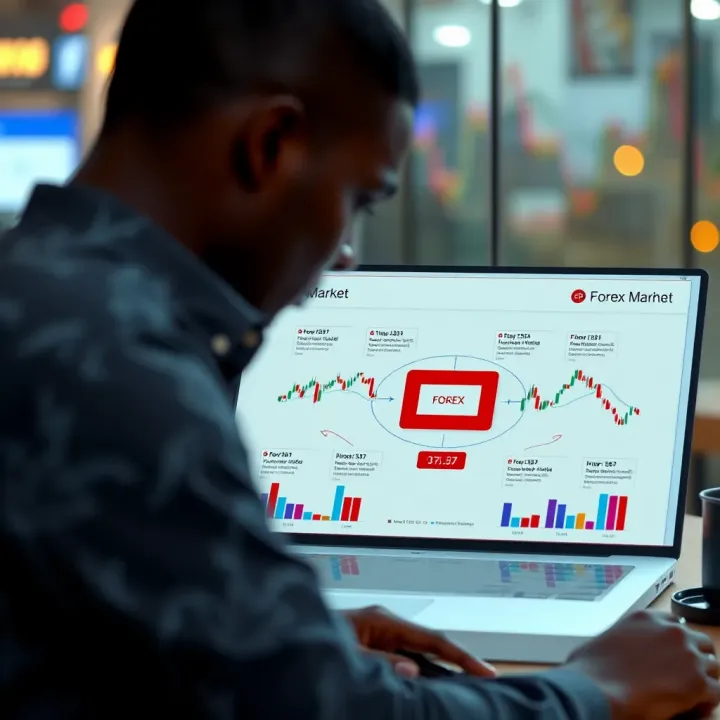
Most brokers offer different account types tailored to various trader needs. Common types include:
Standard accounts: Suitable for most beginners with moderate minimum deposits.
Mini or Micro accounts: Allow trading smaller volumes, ideal if you want to start cautiously without risking much.
VIP or Premium accounts: For experienced traders with higher funding requirements and better spreads or perks.
Kenyan investors should consider their budget and experience level carefully. For example, a newbie might open a micro account with a modest deposit, while a seasoned trader may look for accounts offering lower spreads and fast execution.
Due to global anti-money laundering (AML) laws, brokers require documentation before allowing trades or withdrawals. Typically, you'll need:
A valid government-issued ID or passport
Proof of address like a utility bill or bank statement
Sometimes, proof of income or source of funds
This process can take from a few hours up to several days, so don’t expect to start trading immediately after registration. Have these documents ready to avoid delays.
Remember, though it might feel like paperwork, this step ensures your account’s security and the broker's legitimacy. Fast verification also helps you grab trading opportunities without unnecessary waiting.
Starting forex trading in Kenya with the right broker and a properly set-up account puts you on a safer path to success. Be picky with who you choose, and take your time to understand all fees and account features before putting your money on the line.
Understanding the fundamental concepts of forex trading is where things get real. These basics aren't just theory—they're the building blocks that help traders make sense of the constantly shifting forex market. For Kenyan investors, grasping these essentials can mean the difference between diving in blind and navigating the market with confidence.
By getting familiar with concepts like leverage, margin, pips, lots, and orders, traders can better control their trades, manage risks, and ultimately improve their chances of success. Let's unpack these key ideas so you know what’s what and why it matters.
Leverage is like a double-edged sword in forex trading. It allows traders to control a bigger chunk of money than what they actually put in. For example, if you have $100 and your broker offers a leverage ratio of 1:100, you’re essentially trading with $10,000. This boosts your buying power, meaning you can open larger positions and potentially earn more from even small price moves.
For Kenyan traders, leverage makes forex an affordable option—you don’t need thousands to start. But a crucial point is that leverage amplifies both your gains and losses. If a trade goes against you, losses are magnified just as much. Imagine betting on a local football match with borrowed cash—if your team loses, you owe more than your original stake.
High leverage might seem tempting, but it’s risky business. When you crank up leverage too much, even a minor swing in currency rates can wipe out your account. Kenyan investors must be cautious because market volatility, especially with currencies like the KES (Kenyan Shilling), can be unpredictable.
High leverage can lead to margin calls, where your broker demands more funds to keep positions open, or worse, automatic liquidation of your trades at a loss. The saying "don’t put all your eggs in one basket" fits well here—overleverage is like putting all your eggs in one basket and riding a shaky motorbike.
A wise approach is to use leverage conservatively—start low, maybe 1:10 or less, and only increase when you’re comfortable with how the market moves.
Forex prices move in tiny units called "pips," which stands for "percentage in point." For most currency pairs, one pip is 0.0001, or one ten-thousandth. For example, if USD/KES moves from 100.2500 to 100.2505, the price changed by half a pip.
Understanding pips helps traders measure gains or losses precisely. If you know how much each pip is worth, you can decide when to enter or exit a trade effectively.
A "lot" represents the number of currency units you’re trading. A standard lot is 100,000 units, but smaller options like mini (10,000) and micro lots (1,000) are common, particularly for beginners or those with smaller accounts.
To put this into perspective: trading one micro lot of USD/KES means you’re dealing with 1,000 dollars’ worth of the currency pair. Each pip movement then translates into a fixed monetary amount depending on the lot size, allowing you to calculate profits or losses easily.
Placing a trade in forex isn't just "buy" or "sell"—orders come with different options to help manage how and when trades execute. Here are a few common types Kenyan traders should know:
Market Order: The simplest—buy or sell immediately at the current market price.
Limit Order: Set a target price to buy or sell. The trade only executes if the price reaches that level, helping to lock better deals.
Stop Loss Order: Automatically closes your position to limit losses if the market moves against you.
Take Profit Order: Locks in gains by closing your position when reaching a profit target.
Trailing Stop: Similar to a stop loss, but it moves with the price, protecting profits while allowing room for further gains.
Using these orders helps you manage risks smartly without staring at your screen all day. For example, a Kenyan investor holding a USD/KES long position might set a stop loss 50 pips below the buy price to avoid bigger losses if the market drops unexpectedly.
Tip: Start practicing with demo accounts using these orders to get comfortable before risking real money.
With these core forex concepts under your belt, you’re better equipped to understand how trades work and what to watch out for. Always remember: the market is full of opportunities, but a clear grasp of these basics helps keep you steady no matter which way prices swing.
Understanding popular forex trading strategies is vital for Kenyan investors looking to build a foundation for consistent success. Trading strategies serve as roadmaps that guide when to enter and exit trades, helping to reduce guesswork and emotional decisions. Without a clear strategy, traders might find themselves lost in the chaotic swings of the forex markets.
Popular strategies generally fall into two broad categories: technical analysis and fundamental analysis. Each offers unique tools and perspectives to interpret market movements. Kenyan traders can benefit hugely by familiarizing themselves with both and applying them based on their trading style and objectives.
Chart patterns are visual formations on price charts that often indicate potential future price movements. Recognizing these patterns can help traders predict trend directions and timing. Common examples include:
Head and Shoulders: Indicates a possible trend reversal.
Double Top/Bottom: Signals price exhaustion and potential turnarounds.
Triangles: Suggest continuation or breakout moments.
For instance, if a trader spots a "double bottom" formation forming on the USD/KES chart, this might hint that the price is about to rise after testing a support level twice. Such patterns help Kenyan traders time their buys or sells better, avoiding chasing moves blindly.
Indicators and oscillators are mathematical calculations based on historical price data that help traders interpret market strength and momentum. Examples include:
Relative Strength Index (RSI): Shows if a currency pair is overbought or oversold.
Moving Averages (MA): Smooth price data to identify trends.
MACD (Moving Average Convergence Divergence): Helps spot trend changes.
Kenyan traders might use RSI to avoid buying EUR/USD when it’s overbought or wait for MACD crossovers before opening positions. These tools add objectivity to decisions, reducing risks from relying solely on gut feeling.
Economic indicators are country-specific data points that reveal the health of an economy and influence currency values. Key indicators include GDP growth, unemployment rates, inflation figures, and interest rates.
For example, a rise in Kenya’s inflation rate may put pressure on the Kenyan shilling (KES), affecting how USD/KES moves. Traders monitoring such reports can anticipate currency swings and adjust their positions accordingly.
Major news events—like central bank announcements, elections, or trade data releases—can spark rapid price changes. Understanding the likely impact of these events is crucial:
Unexpected interest rate hikes tend to strengthen a currency.
Political instability might weaken it.
Kenyan traders should be aware of scheduled news releases, such as those from the Central Bank of Kenya or the US Federal Reserve, and plan their trades carefully around these to avoid surprise losses or to capitalize on volatility.
Tip: Following an economic calendar and staying updated with trustworthy news sources helps avoid sudden shocks and positions you to make smarter trading moves.
In sum, combining technical chart reading with fundamental economic awareness builds a solid approach to forex trading. Kenyan investors who practice these strategies while keeping an eye on local and international developments can better manage risks and spot genuine opportunities in the forex market.
Risk management is the backbone of any successful forex trading plan, especially for Kenyan investors navigating the volatility of the currency markets. Without these techniques, traders risk wiping out their capital in a blink, even if their overall strategy seems sound. Understanding and applying risk management helps protect your funds during sudden market shifts and ensures that losses stay manageable.
At its core, risk management is about making sure one bad trade doesn’t derail your entire trading journey. For example, if you enter a trade on the EUR/USD pair without limits, a sudden spike or drop could erase days’ or weeks’ worth of profits. By employing risk management techniques such as stop loss and take profit or diversifying your trades, you secure your investments and avoid emotional decisions that could lead to costly mistakes.
Think of a stop loss as your personal safety net in forex trading. This tool automatically closes your position once the price hits a certain unfavorable level, preventing further losses. Setting a stop loss isn’t just about avoiding big hits; it’s about keeping your capital intact so you can remain in the market longer. For instance, if you buy USD/KES at 110 and place a stop loss at 108, you're limiting your loss to a certain amount per trade, instead of the market sliding uncontrollably against you.
Without a stop loss, emotions like fear or greed might push you to hold losing positions too long, hoping the market will turn—which often backfires. Regularly using stop losses can turn trading into more of a calculated game rather than a gamble.
Just as important as limiting losses is the ability to lock in your winnings. Take profit orders let you set a target price at which your trade will automatically close, securing your profit without having to watch the screen all day. This helps avoid the common pitfall of getting greedy and hoping for more gains, only to see profits slip away.
For example, if you enter a trade on GBP/USD at 1.3000, anticipating it to rise to 1.3100, you can set your take profit slightly below 1.3100 to sell automatically once that level is reached. This guarantees a gain in a market that can whip back at any moment.
Together, stop loss and take profit orders act like guardrails, keeping your trading journey steady and less prone to sudden crashes or missed opportunities.
Putting all your eggs in one basket is a classic mistake. Overexposure happens when you invest too heavily in a single currency pair or market sector, increasing your risk dramatically if that market moves against you. For Kenyan traders, this might mean focusing solely on USD/KES because of local familiarity, ignoring other opportunities.
Diversification spreads your risk by involving multiple pairs, like EUR/USD, GBP/USD, or even emerging market currencies such as the South African rand. By not relying on one position or asset, you reduce the chances that a single event crashes your portfolio.
Effective portfolio risk management also means adjusting the size of your trades according to your available capital and the risk on each position. For example, risking 1-2% of your total trading capital on any single trade is a common rule of thumb. If you have KES 100,000 to trade, this means your stop loss should be sized so you don’t lose more than KES 1,000 or 2,000 per trade.
Balancing your portfolio involves weighing the risk and reward of each position and how they interact. If you have several trades that might be affected by the same economic event or geopolitical risk, you might want to reduce exposure or hedge one against the other.
Wise forex traders view risk management not as a hurdle but as a crucial tool that helps them stay in the game long enough to win.
In practice, combining stop loss and take profit orders with diversification creates a strong safety net. This way, you're not just hoping luck is on your side but systematically reducing risk while maximizing potential rewards on your forex trades in Kenya.
For many Kenyan traders, especially those new to forex, hitting a few snags along the way is almost guaranteed. But knowing the common pitfalls can save you from losing more than just your money—it can protect your sanity, too. This section points out the typical mistakes that can trip up even the most enthusiastic traders and offers practical advice to dodge them. Avoiding these errors isn't just about preserving capital; it’s a critical step toward becoming a disciplined and successful forex trader.
Jumping into forex trading without a clear plan is like setting off on a road trip with no map—you might get lucky, but more often, you’ll get lost. In Kenya's fast-moving forex market, having a strategy means defining your trading goals, risk tolerance, entry and exit rules, and money management techniques before you open a trade. For example, deciding beforehand that you'll risk only 2% of your trading capital on any single position helps avoid catastrophic losses. Experienced traders often recommend writing down a trading plan and reviewing it regularly to stay on track and remove guesswork from decisions.
One of the sneaky culprits behind many failed trades is emotion. Fear and greed can hijack your judgment quicker than you realize. Imagine hearing that USDKES is dropping sharply due to unexpected policy changes and rushing to sell without checking your strategy—this is a recipe for disaster. Emotional trading often leads to chasing losses or doubling down on bad trades. To keep emotions in check, use tools like stop-loss orders, stick to your trading plan no matter what, and take breaks if you find yourself getting jittery. A calm, measured approach beats impulsive trading every time.
The forex market reacts strongly to economic announcements, and missing these can catch you on the back foot. The economic calendar is like your trading diary—it highlights when key reports like Kenya’s inflation rates or the US non-farm payroll numbers are due. These scheduled events often cause spikes in volatility as traders digest new information. For instance, a surprise interest rate change by the Central Bank of Kenya can swiftly influence the value of the Kenyan shilling, shaking up the USDKES pair.
Smart traders in Kenya mark economic announcements on their calendars and plan their trades accordingly. This doesn't always mean trading during the event—sometimes it means stepping back to avoid wild price swings and potential slippage. For example, a trader might close or tighten stops on positions ahead of a big Fed announcement or Kenya’s GDP release to protect their capital. Conversely, others might prepare a strategy to trade the volatility after the news drops, with well-defined entry points. The key is preparation, not guesswork.
Staying clear of these mistakes can vastly improve your chances of success. It's not about being perfect but about making smarter, well-informed choices every step of the way.
Understanding Kenya's legal and regulatory framework is key for anyone trading forex within the country. It ensures your investments stay above board and helps you avoid pitfalls that could cost you dearly. Since forex trading involves cross-border money flow and quick shifts in currency values, having clear regulations in place protects both traders and the market’s integrity.
Kenya's approach to forex trading regulation centers around oversight, accountability, and transparency. This framework isn't just about rules—it's about trust, keeping the financial playground safe so investors can focus on their strategies without worrying about scams or legal snafus.
The Capital Markets Authority (CMA) plays a pivotal role in Kenya's forex space. This authority acts like the watchdog for all financial markets, forex included. It regulates licensed brokers, ensuring they stick to fair practices and maintain healthy operational standards.
When choosing a broker, checking their CMA license can save you from headaches down the road. CMA-regulated brokers must adhere to strict rules around transparency, like clear disclosure of fees and safeguarding your deposits. If the broker slips up, the CMA can step in to protect you, making it a critical checkpoint for any trader in Kenya.
Compliance isn't just red tape—it's what keeps the system honest. Brokers regulated by the CMA must meet ongoing requirements like regular financial reporting and security protocols. For you, the trader, understanding these requirements means you can spot brokers who might cut corners.
For example, a broker who fails to provide account statements or is vague about margin requirements could be skating on thin ice. Staying aware of these compliance standards helps you stick with reputable firms and avoid the noise of rogue players.
Kenya isn’t immune to forex fraud, so knowing how to spot dodgy brokers is a must. Watch out for brokers promising sky-high returns with no risk—that’s a classic red flag. Also, if the firm isn’t registered with the CMA or lacks transparent contact information, consider it a warning sign.
Another tactic fraudsters use is pressure tactics—pushing you to deposit more money quickly or discouraging you from withdrawing funds. Legitimate brokers operate openly and don’t box you into uncomfortable corners.
Keeping your trading experience safe starts with doing your homework. Always verify your broker’s regulatory status with the CMA and read reviews from fellow Kenyan traders. Use demo accounts to get a feel for the platform before you put money in, and never trade with money you can’t afford to lose.
Setting strong passwords and enabling two-factor authentication can fend off unwanted intruders on your account. Also, regularly updating your trading software keeps you protected from security vulnerabilities.
Always remember: A cautious trader is a successful trader. Your safety nets are not just technical but also skills and knowledge you build with every trade.
By paying close attention to Kenya’s regulatory environment and cultivating good safety habits, you’re not just protecting your money—you’re also boosting your confidence as you navigate the forex market.
Having the right tools and platforms can make or break your experience in forex trading. For Kenyan traders stepping into this market, understanding what’s available, and how to use it, isn’t just a nice-to-have—it’s essential. These tools help you track currency movements, execute trades, and manage risk effectively. Imagine trying to navigate Nairobi's busy streets without a GPS app; similarly, trading forex without a reliable platform is like flying blind.
MetaTrader 4 (MT4) and MetaTrader 5 (MT5) are among the most widely used forex trading platforms worldwide, including Kenya. Their main appeal lies in their user-friendly interface and flexible features. MT4, often favored by beginner and intermediate traders, offers excellent charting tools, technical indicators, and automated trading capabilities via Expert Advisors (EAs). MT5, its successor, builds on this with more timeframes, additional order types, and support for various asset classes.
Why does this matter? For example, a Kenyan trader using MT4 can set alerts for USD/KES currency pair fluctuations during unexpected political events, allowing timely decisions. The platforms support local brokers like FXPesa, making deposits and withdrawals straightforward for Kenyan users. So, whether you're analyzing trends or launching a quick trade, MT4 and MT5 provide practical, reliable tools to handle the job without fuss.
These platforms run directly in your web browser without the need to install software. They are perfect for traders who want quick access from any device, whether at home in Nairobi or while traveling. Popular examples, such as the web versions of MetaTrader and IG Markets, offer almost all the core features of desktop clients.
What’s the catch? Web-based platforms usually come with fewer customization options and slightly slower execution speeds. Still, they score high on convenience and accessibility. If you’re a casual trader or just testing the waters, these platforms are a great entry point. They often come with easy account setup and demo versions, helping you practice before putting real money on the line.
Mobile trading apps have reshaped how forex trading fits into daily routines. Kenyan traders no longer need to be glued to desktop computers. Apps like MetaTrader’s mobile version, Plus500, and IQ Option let you trade currencies directly from your smartphone or tablet.
This flexibility matters. Say you’re stuck in traffic on Mombasa Road but spot a sudden dip in the EUR/USD pair. With mobile trading, you can respond immediately, placing buy or sell orders on your phone. Such immediacy can be the difference between profit and loss in the fast-moving forex world.
Trading on mobile apps introduces concerns about security. Public Wi-Fi networks, unsecured devices, or weak passwords can expose your trading account to risks. Kenyan traders should prioritize apps offering two-factor authentication (2FA), encrypted data transmission, and frequent security updates.
Always update your app regularly and avoid logging in through shared or public devices. Apply strong, unique passwords and consider using apps approved by your broker that follow regulatory standards set by the Capital Markets Authority. This way, your trading remains secure even when you’re on the move.
Choosing the right tools and platforms isn't just about convenience—it’s about gaining the confidence and control needed to trade successfully in Kenya’s forex market.
Staying current with forex market trends is a must for any trader looking to make smart moves, especially in a fast-paced and globally influenced market like forex. For Kenyan investors, this means keeping an eye on how currencies fluctuate due to economic data, political events, and international developments. If you don’t keep up, it’s like trying to catch a bus that’s already left the stop—your trades might end up costing you instead of earning.
Being informed helps you anticipate market shifts rather than just react to them, which can be a game-changer in managing risk and maximizing profits. For example, knowing when the U.S. Federal Reserve is about to change interest rates or when a major economic report is due can help you position your trades wisely. It’s not about predicting the future but understanding the factors driving currency moves.
Economic news websites are the backbone for timely and reliable information on market events that influence currency pairs. Kenyan traders should regularly check sites like Bloomberg, Reuters, or CNBC Africa. These platforms provide up-to-the-minute updates on interest rates, inflation figures, employment data, and geopolitical developments.
What makes these websites invaluable is their straightforward presentation of facts alongside expert analysis. For instance, if the Kenyan shilling faces pressure due to a drop in tea exports, these sites will dissect why and what it might mean moving forward. Subscribing to their daily newsletters or alerts can give you an early heads-up on market-moving news without having to comb through pages.
Currency analysis blogs are often written by forex pros and analysts who break down complex market behavior into digestible insights. Kenyan investors benefit from following blogs like DailyFX or ForexLive, which focus on technical setups, trend discussions, and fundamental interpretations.
Unlike bare-bones news sites, these blogs offer interpretation and often suggest potential trading strategies tied to current trends. For example, when the Euro begins to tumble against the dollar, a blog post might explain it’s due to political uncertainty in the EU, helping you understand the “why” behind the move and whether it may continue.
Forums and social media groups act as lively hubs where traders share tips, challenge ideas, and even chat about day-to-day experiences. Kenyan traders can tap into platforms like Forex Factory or Facebook groups dedicated to African traders for real-world feedback and fresh viewpoints.
These communities often highlight things you won’t learn from official sources — like broker reliability, unusual market behavior, or handy platform tricks. Engaging in these groups also keeps you accountable; when you put your trades and ideas out there, you tend to stick more closely to your plan.
Nothing beats hands-on learning from experienced professionals in your own backyard. Several financial education centers and banks in Kenya offer forex workshops and courses. These sessions cover everything from basics to advanced strategies and cater specifically to local market conditions and regulations.
Attending such workshops helps clear doubts, sharpen your skills, and network with other traders, which can be surprisingly motivating. Plus, interacting with knowledgeable instructors can reveal nuances about managing forex within the Kenyan context, such as handling mobile money platforms or tax implications.
Keeping in touch with market trends isn’t just about gathering information. It’s about turning that knowledge into smarter trading decisions that help you navigate the ups and downs with confidence and clarity.
Navigating the forex market successfully means more than just knowing the basics—it’s about making informed decisions tailored to your specific needs as a Kenyan investor. This final section wraps up the essential points covered and spotlights how applying these lessons can protect your capital and improve your trading outcomes. Understanding local regulations, picking the right tools, and managing risks are just a few factors that can make all the difference when you’re trading forex from Nairobi, Mombasa, or any other part of Kenya.
Grasping fundamental concepts like currency pairs, pips, and leverage isn’t just academic; it’s the groundwork for making smart trades. For example, knowing why the USD/KES pair might be more volatile around certain economic reports helps you avoid jumping into trades blindly. When you understand what influences price movements and how market hours affect liquidity, you’re in a better spot to plan your strategies effectively.
Preparation isn’t just about setting up your accounts or picking a broker. It means researching your trades, setting stop-loss limits, and knowing when to pull back. Imagine you’re eyeing a trade during a political event in Kenya; having prepared by checking the economic calendar and gauging market sentiment could save you from unnecessary losses. Preparation breeds confidence, which in turn helps you stick to your plan without making rash decisions.
Dip your toes in before diving headfirst. Starting with smaller positions lets you learn the ropes without risking too much of your capital. For instance, if your account allows a minimum trade of $50, try operating at that level to see how the market behaves and how well you manage your emotions. This gradual approach reduces pressure and builds a solid foundation.
Forex markets evolve constantly, and so should you. Keep an eye on updates from reputable sources like Bloomberg or the Central Bank of Kenya, join active trading forums, and consider workshops or courses available locally or online. Continuous learning will keep you sharp and ready to adjust your tactics as conditions shift.
Remember, forex trading isn’t about quick wins; it’s about steady progress. Armed with understanding and preparation, you’ll be better equipped to navigate the market's ups and downs confidently.
📘 Discover top forex trading books for Kenyan investors! Learn to pick guides that fit your needs and apply strategies in local markets effectively. 🇰🇪
📈 Discover how Kenyan investors can use copy trading to mimic experts, manage risks, and choose trusted platforms while understanding local regulations.
Explore forex trading basics tailored for Kenyan beginners 🇰🇪. Learn how the market works, key strategies, tools, and risks to trade confidently 💹.
📈 New to forex? This practical guide breaks down key concepts, tools, and strategies to help Kenya beginners trade confidently and make smart choices. 💡
Based on 12 reviews