
Forex Trading Basics for Kenyan Beginners
📈 Start your forex trading journey in Kenya with confidence! Learn picking brokers, trading strategies, risk management & practical local tips plus PDF resources.
Edited By
Emily Clarke
Forex trading has steadily gained popularity in Kenya, especially among young investors looking to grow their wealth beyond traditional savings. It involves buying and selling currencies, aiming to profit from changes in exchange rates. Unlike buying shares or bonds, forex trading happens in a global, 24-hour market, providing flexibility but also demanding a solid understanding of how the market moves.
Kenyan traders often use platforms such as MetaTrader 4 or 5, which offer real-time market data and tools for technical analysis. For instance, a beginner might use these platforms to track the USD/KES pair, monitoring how news on American economic policies affects the Kenyan shilling.
Remember, forex trading carries significant risk. Unlike deposits in banks protected by deposit insurance, losses in forex can be total. Therefore, skills and knowledge are your first defence.
Before committing real money, it’s common to start with a demo account offered by brokers like HotForex or OctaFX Kenya. These allow practice using virtual funds under real market conditions, helping beginners grasp concepts such as leverage and margin without risking their capital.
Kenya’s financial market regulator, the Capital Markets Authority (CMA), keeps an eye on forex brokers to protect traders from scams. Always confirm that the broker you choose is licensed by CMA or at least regulated by recognised international authorities.
Getting reliable resources is key. Many Kenyans turn to free forex trading PDFs and eBooks from respected sources to build their foundation. These materials cover basics such as reading currency charts or understanding economic indicators like inflation and interest rates.
To get started on the right foot, consider these initial steps:
Open a demo trading account to test your strategies
Follow local forex forums and trusted financial news sources
Learn about risk management, for example by setting stop-loss orders
Understand Kenyan regulations regarding foreign exchange trading
By laying a strong groundwork, you can approach forex with greater confidence and reduce unnecessary losses. It’s like tending a shamba: the soil must be fertile before planting, otherwise the crops will struggle.
This guide will walk you through fundamental concepts, essential tools, risks to watch out for, and how to stay compliant with Kenyan laws—all to help you start forex trading safely and effectively.
To get a solid start in forex trading, understanding the basics is key. This foundation helps you avoid common pitfalls and make informed decisions. For Kenyan traders, knowing how this market works is not just theory — it directly affects how you manage your trading times, choose currency pairs, and assess risks.
Forex trading is the act of buying and selling currencies with the goal of making a profit from fluctuating exchange rates. Unlike stock markets, forex is a global, decentralised market open 24 hours, mainly involving banks, financial institutions, corporations, and individual traders. For example, when a Kenyan forex trader buys the US dollar against the Kenyan shilling, they aim for the dollar to strengthen so they can sell it later at a higher price.
These pairs always include the US dollar because it acts as the global reserve currency. Common pairs include EUR/USD (euro to US dollar), USD/JPY (US dollar to Japanese yen), and GBP/USD (British pound to US dollar). For Kenyan traders, currency pairs involving USD, EUR, and GBP are popular because many import and export deals hinge on these currencies. Understanding which pairs move the most during certain sessions lets you spot opportunities better.
Trading involves speculating on the price direction of one currency against another. If you expect one currency to strengthen, you buy it; if not, you sell it. Trades are made on margin, meaning you can control larger amounts with a smaller deposit, but this increases both potential profit and risk. For instance, using leverage of 1:100 means you can trade KS00,000 worth of currency with just KS,000, but if the market moves against you, losses are magnified equally.
Forex operates continuously across four main sessions: Sydney, Tokyo, London, and New York. Kenya falls under East Africa Time (EAT), which means market activity peaks at different local times. The London session overlaps with the New York session from 3 pm to 6 pm EAT, often resulting in higher trade volumes and volatility.
Highest market liquidity tends to occur when two sessions overlap, especially London and New York. For example, trading USD/EUR or GBP/USD between 3 pm and 6 pm EAT is ideal since more participants are active. This means tighter spreads and better chances of executing trades at desired prices. Avoid trading in quiet periods like the Asian session when liquidity is generally lower, which can increase spreads and slippage risks.
Keep in mind that understanding when the market is busiest helps you plan trading activities around optimal times, increasing your chances of success and reducing costs.
Summary: Grasping how forex works, the major currencies involved, and when the markets operate gives you a practical advantage. It helps you schedule trades wisely and choose currency pairs that suit your strategy and the Kenyan trading environment.
Kicking off forex trading in Kenya calls for a clear understanding of the practical steps that lay the foundation for success. Without knowing how to pick a dependable broker or navigate legal formalities, many would-be traders risk losing cash or getting frustrated by avoidable setbacks. This section breaks down what you need to start trading confidently, covering broker choice, account setup, regulation, and deposits — all tailored to Kenyan realities.
Factors to consider when selecting a broker: The broker is your main partner in forex trading, so it’s key to look beyond flashy adverts. Check if the broker offers competitive spreads, reliable execution speed, and user-friendly platforms such as MetaTrader 4 or 5. Customer service responsiveness matters, especially if issues pop up outside typical hours. Also, confirm if the broker supports deposit and withdrawal methods available in Kenya, like M-Pesa, because that eases fund management.
Regulated vs unregulated brokers in Kenya: Always prioritise brokers regulated by Kenya’s Capital Markets Authority (CMA) or other respected bodies like the Financial Conduct Authority (FCA). Regulated brokers follow rules designed to protect clients’ money and ensure fair trading. Using unregulated brokers can expose you to scams, poor trade execution, or difficulties withdrawing your funds. For instance, it's quite common some unregulated platforms vanish without notice, leaving traders stranded with their investments.
Local recommendations and platforms: Trusted brokers such as HotForex, XM, and Exness often appear on Kenyan trader forums and social media groups. These platforms typically offer support in local languages and have payment options including M-Pesa and bank transfers. Local testimonials help gauge service quality before committing. Engaging with local trading communities also shares valuable insights about which brokers perform well in the Kenyan context.
How to open a trading account: Setting up a forex trading account usually involves submitting identification documents like your national ID or passport, and proof of residence (a utility bill, for example). This process verifies you and helps meet anti-money laundering requirements. The broker will then guide you through choosing an account type, often demo or live, depending on your readiness.
KRA PIN and compliance: Traders in Kenya must provide their Kenya Revenue Authority (KRA) Personal Identification Number (PIN) when opening accounts. This is necessary for tax compliance and reporting any forex profits legally. Keeping records of your trades and earnings will help when filling returns and avoid future penalties.
Deposits and payment methods, including M-Pesa: Convenient funding is essential. Most brokers now accept deposits through M-Pesa, offering fast, secure transactions widely used across Kenya. Bank transfers and credit cards remain options but might have longer processing times or higher fees. For example, depositing KS0,000 via M-Pesa can reflect instantly on your trading account, allowing you to capitalise quickly on market opportunities.
Starting forex trading is straightforward once you know what to look for: a trustworthy broker, clear legal compliance with KRA, and simple payment ways tailored for Kenyan traders. This foundation keeps you safe and sets you on the path to learning and growing as a trader.
Having the right tools is key to getting started with forex trading in Kenya. These resources help you analyse the market, make informed decisions, and execute trades efficiently. Without reliable platforms and access to good learning materials, even the best strategies can fall apart. This section covers the trading software most Kenyans use and the best sources for solid educational content.
For many Kenyan traders, MetaTrader 4 (MT4) and MetaTrader 5 (MT5) are the go-to platforms. They handle everything from charting to order execution and are supported by most brokers operating locally and internationally. MT4 is especially popular for forex due to its simplicity and availability of Expert Advisors (EAs) — automated trading bots that can follow specific strategies without manual input. Meanwhile, MT5 supports more assets and offers added features like advanced chart types and economic calendars.
Beginners should know these platforms provide real-time price data, various technical indicators, and flexible order types such as stop-loss and take-profit, which are crucial to managing risk. These features allow you to customise your trading approach according to your risk comfort and market outlook. Also, since both MT4 and MT5 support demo accounts, practising with virtual funds helps build confidence before trading with actual money.
Mobile trading apps go hand in hand with desktop versions. Most Kenyan traders use mobile apps to monitor markets or place quick trades on the go, especially when commuting or away from their computers. However, desktops give more room for detailed chart analysis and multiple windows, which suits deeper strategy work. Having both options provides flexibility — you can check your positions anytime but still perform comprehensive reviews when settled.
Trustworthy forex trading PDFs and guides are readily available from reputable brokers like HotForex or FXTM, and educational websites specialising in forex. These materials break down concepts into simple language and come with real examples tailored for beginners. Downloading these PDFs allows you to study without relying on constant internet access, which is particularly helpful if you travel or have spotty networks.
Key topics to focus on include understanding currency pairs, market orders, leverage and margin, risk management techniques, and how economic events impact forex. Knowing these basics helps you avoid common rookie mistakes and lay a solid foundation for consistent trading.
Besides PDFs, numerous free online courses and YouTube channels run by experienced Kenyan forex traders offer step-by-step guides. Using these tools well means following along actively, practising on demo accounts, and revisiting challenging topics. You won’t learn overnight, but consistent effort ensures you develop critical skills and spot scams early.
Remember, forex trading is fast-moving, but patient learning and using the right tools will put you ahead of many casual players.
With these platforms and learning resources in place, Kenyan beginners can build their trading confidently, armed with knowledge and effective software.
Managing risks and building a trading strategy are fundamental for anyone engaging in forex trading, especially beginners in Kenya. Forex markets can change rapidly, and without a clear plan, traders may suffer heavy losses. A solid strategy helps you navigate market fluctuations and avoid emotional decision-making, while risk management protects your capital from unexpected downturns.
Forex markets are famously volatile, with currency prices shifting quickly due to economic news, political events, or global turmoil. For example, a sudden change in the US Federal Reserve’s interest rate policy can cause the US dollar to swing significantly against other currencies. Without careful attention, such moves can wipe out profits or even your initial investment.
Leverage magnifies both gains and losses. Many Kenyan brokers offer leverage up to 1:100 or more, which means you can control a large position with a small deposit. While this sounds attractive, it also increases the risk of losing your money much faster if the market moves against you. A beginner using high leverage without understanding these dangers is likely to lose cash quickly.
Unfortunately, the Forex market attracts some dishonest players. In Kenya, scams range from fake brokerage firms claiming huge profits to pyramid schemes disguised as trading platforms. Some unscrupulous operators may take your deposits but prevent withdrawals or manipulate prices to cause losses.
You should always verify a broker’s regulation status with the Capital Markets Authority (CMA) Kenya and avoid offers promising guaranteed returns or unrealistic gains. Also, be cautious of unsolicited calls or messages pushing you to invest quickly. Scrutiny and patience are your best shield against these risks.
Starting with simple trading strategies can help you understand market behaviour without exposing yourself too much. One well-known approach is the trend-following strategy where you buy when prices rise and sell when they fall, relying on technical indicators like moving averages. For instance, if the 50-day moving average crosses above the 200-day moving average, it might signal a buying opportunity.
Another beginner-friendly method is range trading, where you identify support and resistance levels and trade within those band limits. This approach suits markets that are not trending but moving sideways.
No strategy is complete without risk management. This involves deciding how much of your capital to risk on any trade, usually a small percentage like 1-2%. Keeping losses small ensures that a few bad trades won’t wipe out your account.
Risk management also means diversifying your trades and avoiding chasing losses. For example, if one currency pair isn’t performing, it’s better to pause and review rather than increase your stakes recklessly.
Stop-loss orders are essential tools to limit losses. Suppose you buy EUR/USD at 1.1000; you could set a stop-loss at 1.0950 to cap your loss to 50 pips. This order automatically closes your position if the price moves against you.
Similarly, take-profit orders lock in gains by automatically closing a trade when a set price target is reached. Together, these orders help you manage trades without watching the market constantly and remove emotion from decision-making.
Risk management isn’t just about protecting your money; it’s about preserving your ability to trade another day. Starting small, staying disciplined, and having a clear plan form the backbone of successful forex trading in Kenya.
Understanding forex regulation and legal matters in Kenya is vital for anyone looking to trade currencies safely. This section explains the main regulatory bodies involved, how they protect traders, and what legal responsibilities you must keep in mind. Navigating this framework helps avoid scams and ensures compliance with Kenyan laws.
Role of the Capital Markets Authority (CMA)
The Capital Markets Authority (CMA) is the primary regulator for forex trading activities within Kenya. Its mandate includes licensing forex brokers, monitoring market conduct, and enforcing rules designed to protect investors. When brokers operate under CMA’s regulation, they must adhere to transparency standards, maintain client funds separately, and submit regular financial reports. This reduces the chances of fraud and helps build trust in the forex market.
For example, a Kenyan trader using a CMA-licensed broker is less likely to encounter withdrawal delays or misleading trades. CMA also educates the public on forex risks, which is helpful for beginners who are still learning the ropes.
Kenya Revenue Authority (KRA) and tax implications
Forex traders in Kenya must recognise that earnings from trading are subject to taxation. The Kenya Revenue Authority (KRA) requires individuals and businesses earning income through forex activities to report those earnings accurately. This includes profits realised from both short-term trades and longer-term positions.
Failing to declare forex income can lead to penalties or audits, so keeping detailed records of all trades and profits is crucial. Traders typically pay taxes under the Income Tax Act, and in some cases, Value Added Tax (VAT) may apply to services provided by brokers or platforms. In practice, many traders consult tax professionals to ensure compliance and avoid surprises during KRA assessments.
Licensing of brokers and investor protection
Ensuring that a forex broker holds a valid licence from a reputable authority like CMA is a key step for Kenyan traders. Licensed brokers must meet defined capital requirements and follow strict operational guidelines. This licensing acts as a safeguard, protecting traders against unfair practices and bankruptcy risks.
Unlicensed brokers often operate without accountability, increasing the risk of scams. For instance, some unregulated brokers may manipulate prices or refuse withdrawals. Using a CMA-licensed broker reduces these dangers. The authority also provides a formal mechanism to lodge complaints if issues arise during trading.
Reporting forex earnings and compliance
Traders are legally obligated to report forex profits to KRA when filing annual tax returns. This reporting should include all realised gains, losses, and associated costs like commissions or fees. Maintaining clear records helps during tax assessments and can support claims for deductions.
Compliance extends beyond taxation; traders should avoid engagements that violate anti-money laundering laws or forex-specific directives set by CMA. Staying on the right side of these regulations protects your investment and reputation. Aside from official reporting, keeping up with changes in regulations saves traders from unexpected legal troubles.
Remember: Trading forex in Kenya isn’t just about making profits. Following legal and regulatory requirements is essential for sustainable trading and long-term success.
In summary, knowing the roles of CMA and KRA, choosing properly licensed brokers, and staying compliant with tax rules are foundational steps for anyone serious about forex trading in Kenya.
📈 Start your forex trading journey in Kenya with confidence! Learn picking brokers, trading strategies, risk management & practical local tips plus PDF resources.
📈 Learn forex trading basics, risks, Kenyan regulations & tech tips to start confidently. A practical guide crafted for beginners aiming for smarter trading in Kenya 🇰🇪.
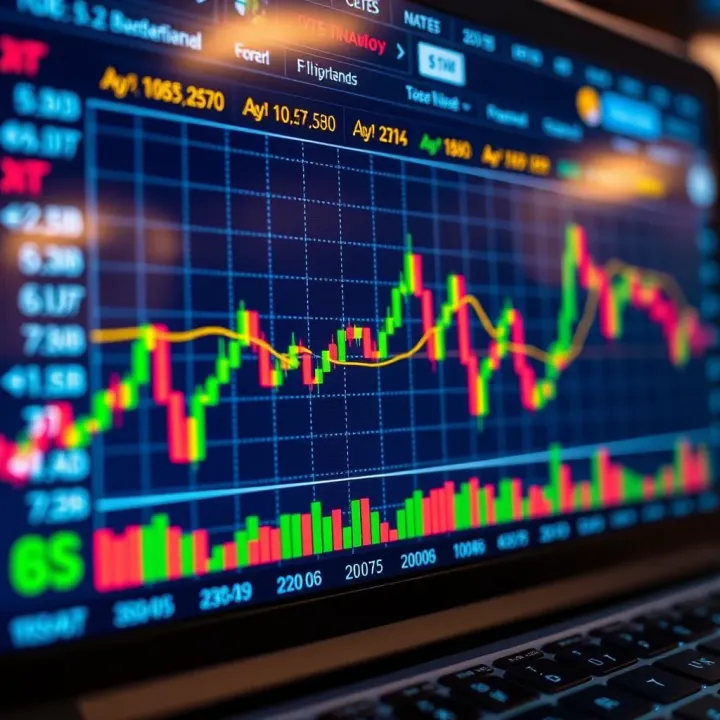
📈 Learn how forex trading works in Kenya, explore local regulations, trading strategies, risks, and steps to start earning through M-Pesa and online platforms.
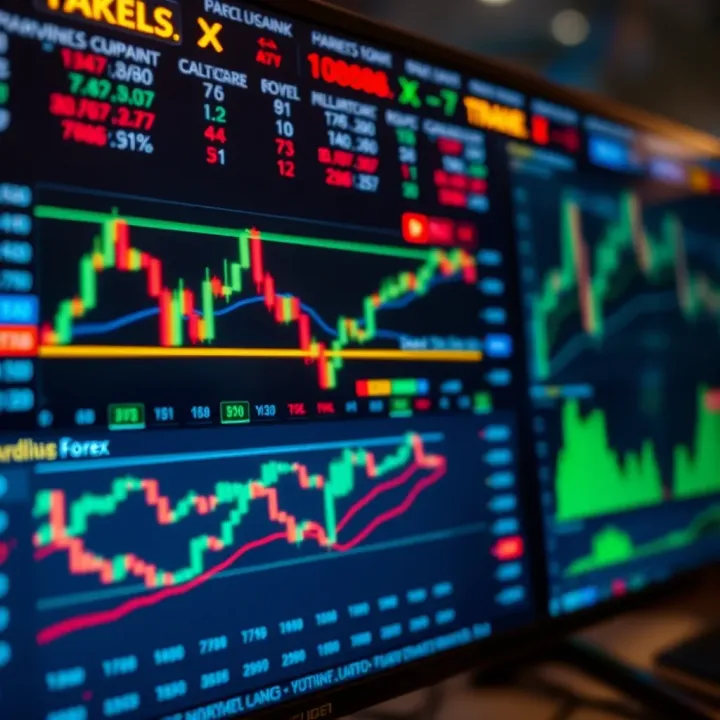
📈 New to forex? This practical guide breaks down key concepts, tools, and strategies to help Kenya beginners trade confidently and make smart choices. 💡
Based on 13 reviews