
Forex Trading Companies in Kenya: A Practical Guide
Explore trusted forex trading companies in Kenya 🇰🇪, learn about regulations, platforms, risks, and smart tips to trade confidently and safely in 2024 📊💡
Edited By
Benjamin Foster
Forex trading sessions mark the active hours when major financial markets around the world open and close each day. Kenyan traders who understand these sessions gain an edge by knowing when liquidity peaks and volatility rises, which can boost trading opportunities.
The forex market runs 24 hours but is divided into four main sessions: the Sydney, Tokyo, London, and New York sessions. These sessions correspond to the business hours in different global financial hubs. For instance, the Tokyo session overlaps partly with Sydney's, while the London session overlaps with New York's, creating periods of heavier trading activity.
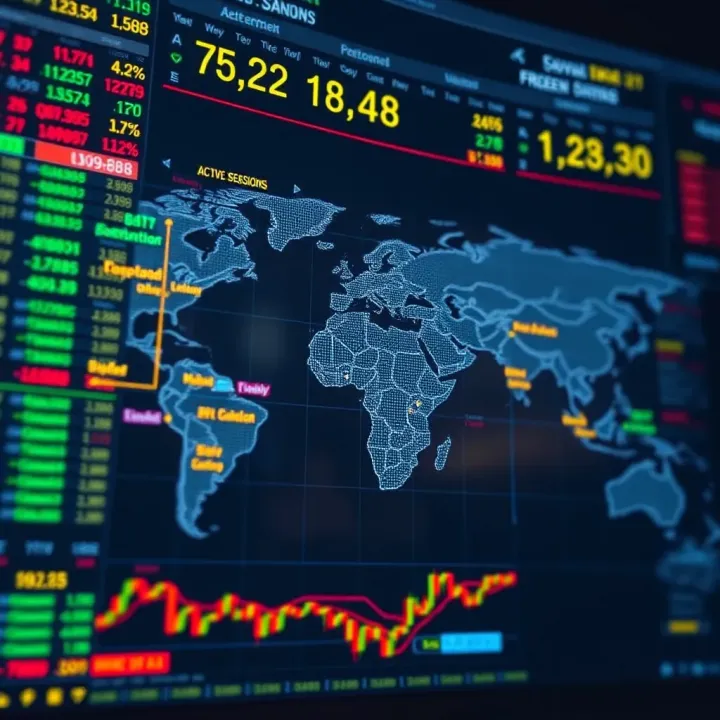
Since Nairobi operates on East Africa Time (EAT, UTC+3), adjusting to these sessions is crucial. For example, the London session starts at 10 am EAT and ends at 7 pm EAT, which overlaps with the New York session from 3 pm to 7 pm EAT. These overlapping hours usually see tighter spreads and higher trading volumes, creating prime conditions for traders.
Understanding when these overlaps happen helps Kenyan traders pick better entry and exit times, avoiding periods of low activity that often bring unpredictable price swings.
Some practical tips for Kenyan traders include:
Focus on the London and New York overlap because most currency pairs involving the US dollar and euro show increased volatility then.
Avoid trading during off-peak hours, such as late night Nairobi time when liquidity drains, leading to erratic price movements.
Always check international holidays, like US or UK bank holidays, as these affect session activity and volatility.
Knowing trading sessions also helps with managing daily routines, especially for those balancing forex with other jobs or responsibilities. For example, a trader working in Nairobi’s central business district might find early morning Tokyo session less practical but can focus on London-New York hours after office.
Effectively aligning trading times with these sessions, and understanding their characteristics, makes forex trading less guesswork and more informed. This practical approach can sharpen Kenyan traders’ strategies, enhancing their chances of success in the global forex market.
Understanding forex trading sessions is essential for anyone serious about trading currencies. These sessions define when major currency markets are open and active, impacting liquidity and volatility. For Kenyan traders, knowing when these sessions start and end—even converting them to East Africa Time (EAT)—can significantly improve trading decisions.
The concept of trading sessions: The forex market operates 24 hours a day across different time zones but not all hours have the same trading activity. Trading sessions correspond to the working hours of major financial centres around the world, such as Tokyo, London, and New York. During these times, market activity peaks because banks, corporations, and investors are all active. For instance, when London is at the centre of attention, the market usually sees more volume and faster price movements compared to when only Sydney is open.
Global financial centres and their time zones: Each trading session aligns with a specific financial centre’s business hours. Tokyo operates mostly during Japan Standard Time, London on Greenwich Mean Time or British Summer Time, and New York on Eastern Standard or Daylight Time. Kenyan traders must adjust these to East Africa Time (EAT), which is UTC+3, to know exactly when to watch the market closely. For example, the London session runs roughly from 10 am to 7 pm EAT, coinciding with the late morning and afternoon in Nairobi.
Why session timing affects forex liquidity: Liquidity, or how easily assets can be bought or sold without affecting prices, depends heavily on trading activity. When two sessions overlap, liquidity often spikes, making it easier to enter and exit trades at better prices. For example, the overlap between London and New York sessions sees huge trading volumes affecting pairs like EUR/USD and GBP/USD. Conversely, outside these peaks, spreads widen and volatility may drop, increasing risk for traders who are less prepared.
This session is the first to open among the major forex centres, starting around 1 am and running to 10 am EAT. It’s typically quieter, focusing on currencies like the Japanese yen (JPY), Australian dollar (AUD), and New Zealand dollar (NZD). Kenyan traders might find the Asian session offers slower, steadier price moves but watch out for news from China and Japan which can cause sudden volatility.
London’s trading hours bring the largest market volume and high liquidity to forex markets. Active roughly from 10 am to 7 pm EAT, the European session affects many currency pairs—especially EUR/USD, GBP/USD, and EUR/GBP. The London session often sets the tone for the day, with price action influenced by economic reports from the UK and Eurozone.
Starting around 3 pm and running until midnight EAT, the New York session merges with London’s later hours creating a busy overlap. It heavily influences the US dollar (USD) pairs and responds to US economic data releases like non-farm payrolls or Federal Reserve announcements. Kenyan traders can expect bigger price swings during this session, but also better opportunities for intraday trading.
The Sydney session opens the forex trading day around 11 pm to 8 am EAT. While it handles the fewest volume among the main sessions, it’s significant for trading AUD and NZD pairs. Activity is often subdued until Tokyo opens, but sharp moves can occur due to regional economic news or commodities prices affecting these currencies.
For Kenyan traders, aligning trading plans with these sessions improves timing and risk management. Knowledge of session times helps avoid surprises and spot the best hours to trade based on currency pairs of interest.
When two major forex trading sessions overlap, market activity tends to spike. This happens because more traders from different financial centres enter the market simultaneously, increasing liquidity and price movement. Understanding these overlaps is especially useful for Kenyan traders aiming to time their trades during periods with tighter spreads and better price action.
The overlap between the London and New York sessions, running roughly from 3 pm to 7 pm East Africa Time (EAT), is when the forex market is most active. Both London and New York are global financial hubs with heavy currency trading volume, making this overlap period the peak for liquidity. For a Kenyan trader, this means tighter spreads, faster executions, and more pronounced price movements, which can lead to better trading opportunities.
This period also often sees the release of important economic data from the US and Europe, further adding to market volatility. Traders should prepare for quick price swings and use strategies that can adapt to fast-changing conditions during these hours.
The Tokyo-London overlap might be less prominent compared to the London-New York one, but it still offers unique chances. This overlap occurs early morning in Nairobi, from around 10 am to 11:30 am EAT. It marks the transition from the Asian session to the European session when liquidity tends to pick up.
During this time, currencies like the Japanese yen (JPY) and pound sterling (GBP) see increased activity. Kenyan traders focusing on these pairs should watch this overlap window for bounce trades or breakout movements that appear as Asian market participants exit and European traders enter.
Currency pairs involving the US dollar (USD), euro (EUR), British pound (GBP), and Japanese yen (JPY) often see the biggest moves during these overlapping sessions. For instance, EUR/USD and GBP/USD usually show higher volatility and volume between 3 pm and 7 pm EAT when London and New York sessions coincide.
On the other hand, overlaps involving the Tokyo session affect pairs like USD/JPY and EUR/JPY, albeit on a smaller scale. Identifying the right pair with its session overlap can help Kenyan traders align their strategies with predictable market rhythms, improving chances of success.
Since forex markets operate on global time zones, converting the major sessions to EAT is vital. The Asian (Tokyo) session runs mainly from 2 am to 11 am EAT, the European (London) session from 10 am to 7 pm EAT, and the US (New York) session from 3 pm to 12 am EAT.
Understanding these conversions helps Kenyan traders plan their day efficiently. For example, if you want to trade during high liquidity periods, timing your session according to Nairobi's clock is essential — especially because early starts or late nights might impact your daily routine.
For those in Nairobi, the best hours generally fall between 3 pm and 7 pm EAT when London and New York overlap. This window offers the most reliable volatility and liquidity needed for active forex trading. Trading outside this period is possible but may have wider spreads and weaker price action.
Additionally, the early morning overlapping of Tokyo and London sessions from 10 am to 11:30 am EAT is suitable for traders focusing on yen pairs or preferring moderate volatility levels. Planning your trading around these periods can enhance your chances of making consistent gains.
Remember, aligning your trading with these overlapping sessions can make a real difference. It reduces risks linked to low liquidity and offers better market entry and exit points, critical for any Kenyan trader aiming to grow their forex portfolio efficiently.
By tracking session overlaps and their effects on currency pairs, plus adjusting for Nairobi’s time zone, Kenyan traders can optimise their forex activities and manage risk better.
Grasping how the forex market behaves during different sessions helps Kenyan traders identify the best times to trade and make smarter decisions. Each session has unique traits shaped by the predominant financial centres operating within them. These differences affect price moves, liquidity, and volatility, all important for tailoring your trading strategy.
The Asian session kicks off in Tokyo and nearby markets, covering roughly 12 am to 9 am East Africa Time (EAT). During this period, focus tends to be on currencies like the Japanese yen (JPY), Australian dollar (AUD), and New Zealand dollar (NZD). For a Kenyan trader, understanding this helps you choose which pairs to trade when the market for that currency is active. For example, AUD/USD can show distinctive patterns during Asian hours that are less obvious in London or New York sessions.
Volatility in the Asian session is generally mild compared to others because fewer global markets are open. Trading volume also tends to fall, which can mean narrower price ranges and sometimes slower trends. However, this quieter environment can be good for traders who prefer less choppy markets or those who want to spot potential setups before more active sessions begin. On the flip side, sudden price spikes can occur if unexpected news from Asia hits, so keeping an eye on local economic updates matters.
The European session, centred on London, runs roughly 10 am to 7 pm EAT. This is the most liquid and active session of the day since London is home to many major banks and financial institutions. Liquidity peaks, leading to smoother price action and tighter spreads, which benefits traders looking for efficient executions or scalping opportunities. Take the EUR/GBP or GBP/USD pairs as examples—these often show the biggest moves during European hours.
Popular currency pairs during the European session go beyond the Euro and British pound. Since London remains a key forex hub, USD pairs like EUR/USD and GBP/USD also pick up extensive trading interest. Kenyan traders can capitalise on the overlap of London and New York sessions later in the day, where liquidity and volatility skyrocket, offering more trading opportunities but also higher risks.
From around 3 pm to midnight EAT, the US session becomes active, driven largely by New York markets. Economic reports from the US, such as Non-Farm Payrolls or Federal Reserve announcements, often cause significant price swings. For Kenyan traders, being aware when these releases happen helps avoid entering trades just before volatile news or helps you trade during these moves deliberately.
The US session invites strategies that respond to volatility bursts. Momentum trading or news-driven setups are common as price moves react sharply to data. Also, because the US dollar is a key reserve currency, pairs like USD/JPY, USD/CAD, and USD/CHF often see increased activity. Kenyan traders should adjust risk management accordingly, considering volatility spikes and wider spreads during key US economic events.
Understanding how each forex session behaves sharpens your trading approach, letting you pick the right times and currency pairs that fit your style and risk appetite.
Mastering forex sessions can give Kenyan traders a real edge in timing their trades and managing risks. Knowing when global markets open and close, and how these times align with Nairobi’s local time, helps traders avoid unnecessary losses and spot the best opportunities. These tips focus on practical ways to use session knowledge to fit your trading style and lifestyle.
Aligning trading with Nairobi’s daily schedule is key. Nairobi operates on East Africa Time (EAT), which is three hours ahead of GMT. This means the Asian session, dominated by Tokyo, opens late evening Nairobi time and closes early morning. The European session, mainly London, coincides with late morning to early afternoon, while the US session overlaps with Nairobi’s late afternoon into the evening.
For example, if you are a day trader, focusing on the European and US sessions might fit your daily rhythm better. Trading during these periods means you catch the busiest hours with enough price action for intraday strategies. Meanwhile, swing traders might include the Asian session to capture longer price movements. Aligning your trading activity to local time helps you avoid trading when markets are quiet, which can cause erratic price moves and widen spreads.
Balancing multiple sessions for diversified strategies lets you spread risk and tap into different market dynamics. Each session tends to favour certain currency pairs due to regional economic activity. The Asian session often sees movements in the Japanese yen (JPY), Australian dollar (AUD), and New Zealand dollar (NZD). Meanwhile, the European session brings in pairs like EUR/USD and GBP/USD, and the US session highlights USD-related pairs.
This diversity allows you to develop strategies suited to distinct market behaviours. For instance, you could monitor the Asian session for early market cues, then trade more actively during the European and US sessions when liquidity and volatility are higher. Diversification across sessions can also lessen the impact of sudden news that affects only one region.
Platforms with built-in session indicators can save you time and reduce guesswork. Many popular trading platforms like MetaTrader 4 and 5, TradingView, and cTrader show visual markers of trading sessions directly on charts. This helps you quickly see when markets are active or about to open without constantly checking clocks.
For example, when you spot the London session starting on your chart, you know liquidity is about to improve, so you can time your trades accordingly. Visual indicators also help avoid trading during low liquidity times, reducing slippage and costly spreads.
Setting alerts for important session openings and overlaps gives traders a timely heads-up to act decisively. Some platforms or dedicated apps allow custom notifications for session start or overlap times, so you never miss the moments when volume and volatility usually jump.
Take the London-New York overlap, which is especially lucrative for many traders due to its high liquidity. Getting an alert when this period starts allows you to prepare your positions or scan for breakout opportunities. Alerts can also warn you when a session is closing, signalling a slowdown in price action and allowing you to close or adjust trades as necessary.
Keeping track of session timings using technology not only sharpens your trading decisions but also helps you manage your time better, especially when juggling trading with other daily commitments in Nairobi.
Applying these focused tips helps Kenyan traders make the most of forex sessions by blending smart timing, diverse strategies, and handy tools. This practical approach fits the realities of trading from Nairobi and increases the chances of consistent success in the forex market.
Trading forex from Nairobi means you’ll face challenges that come with the different forex sessions. These challenges often revolve around liquidity and volatility, which affect your ability to enter and exit trades smoothly or maintain safe risk levels. Understanding these complications and how to navigate them can protect your capital and improve your trading results.
Risks of trading outside active sessions: When you trade during periods with low liquidity, like late-night hours in Nairobi when most major markets are closed, spreads tend to widen and price movements become erratic. For example, trading the USD/JPY pair when neither Tokyo nor New York is active can result in bigger gaps between buy and sell prices. This situation increases your transaction cost and makes stop-loss orders less reliable, leading to unexpected losses.
Strategies for limited trading windows: If your schedule or circumstances limit your trading to off-peak hours, focus on currency pairs known for better liquidity at those times, such as AUD/USD during the Sydney session. You can also reduce position sizes to minimise risks due to unpredictable price swings. Using limit orders instead of market orders helps you control entry points and avoid slippage. Additionally, keeping an eye on daily or weekly pivot points provides reference levels for expected price movements even when volume is thin.
How volatility spikes can affect Kenyan traders: Sudden volatility often occurs during overlapping sessions like London-New York or around major economic news releases, such as the US Non-Farm Payroll report. Such spikes can quickly trigger stop-loss orders or wipe out gains if you’re not prepared. For example, a Kenyan trader holding a position during a sharp – and fast – price move without proper risk controls might lose a significant part of their deposit.
Risk management during session overlaps: During high-volatility overlaps, it’s vital to adjust your settings. Lower your leverage to avoid large margin calls and use tighter stop-loss orders that reflect increased price swings. Monitoring economic calendars helps you avoid trading right before major announcements. Also, consider trading more liquid pairs like EUR/USD or GBP/USD during overlap times because they tend to have more predictable reactions compared to exotic pairs. Finally, practise strict money management—risk only a small portion of your capital per trade to stay afloat during stormy market conditions.
Forex trading isn’t just about spotting opportunities but managing when the market behaves unpredictably. Challenges in session timings don’t have to trip you up if you plan carefully.
Addressing these challenges with clear strategies will build your confidence and help you make the most out of forex sessions trading from Nairobi.
Explore trusted forex trading companies in Kenya 🇰🇪, learn about regulations, platforms, risks, and smart tips to trade confidently and safely in 2024 📊💡
Learn how Kenyan traders can read forex trading charts 📈 with ease. Understand chart types, key indicators, and tips to spot trends and make smarter trades.

🤖 Discover how forex trading bots work in Kenya, their pros and cons, tech behind them, tips for use, and risks to watch for in currency markets.

📚 Discover key forex trading books for Kenyan traders! Learn essential skills, risk management, and trading psychology to boost your strategy today.
Based on 8 reviews