
Forex Trading Companies in Kenya: A Practical Guide
Explore trusted forex trading companies in Kenya 🇰🇪, learn about regulations, platforms, risks, and smart tips to trade confidently and safely in 2024 📊💡
Edited By
Oliver Bennett
Forex trading in Kenya has gained ground as more individuals seek alternative income sources beyond traditional jobs. For many traders, trading signals serve as a helpful compass, pointing out when to buy or sell currency pairs in the fast-moving forex market.
A forex trading signal is essentially an alert or suggestion generated by analysts or automated systems. It indicates potential trading opportunities—highlighting specific currency pairs, entry prices, stop-loss points, and targets. This guidance cuts through the noise of market fluctuations, giving traders a clearer action plan.
Kenyan traders, especially beginners, often find signals useful because they save time spent analysing charts and economic data. For instance, a signal might advise buying the USD/KES pair at 110.25 with a stop-loss at 109.80 and a take-profit target of 111.00. Following such signals can simplify decision-making, provided the trader uses them wisely.
Quality matters: Not all trading signals are created equal. Some providers offer well-researched signals based on fundamental and technical analysis, while others might rely on guesswork or delayed data. Kenyan traders must learn to distinguish reliable sources to avoid losses.
Signals come in several forms:
Manual Signals: Delivered by experienced analysts via social media, email, or messaging apps like WhatsApp and Telegram.
Automated Signals: Generated by computer algorithms scanning market patterns and sending real-time alerts.
Copy Trading Signals: Users automatically replicate trades from proven successful traders through broker platforms.
Understanding the types helps traders pick what suits their style and risk tolerance. For example, a busy professional in Nairobi might prefer automated signals to save time, while a hands-on trader in Kisumu might value manual signals for their detailed explanations.
In the Kenyan context, integrating trading signals with local market realities—like trading hours aligning with Kenyan banks or payment systems using M-Pesa—can enhance results. However, signals are not foolproof; risks remain, and blindly following tips without personal judgment can lead to losses.
The key takeaway is that forex trading signals can be a powerful tool when used cautiously and combined with basic trading knowledge. They offer a practical route to navigate forex's complexity and possibly increase the chances of success in the Kenyan market.
Forex trading signals act as alerts for traders, showing them when to buy or sell particular currency pairs. These signals distil complex market data into actionable suggestions, helping traders make decisions without getting overwhelmed by charts or news. For Kenyan traders, especially those balancing forex activities alongside other commitments, signals provide a handy way to spot opportunities quickly and efficiently.
Using trading signals is like having a guide when navigating the rough forex waters. Instead of guessing or relying solely on gut feeling, traders receive advice based on technical patterns, market news, or expert judgment. This can save time and reduce mistakes, making trade execution more structured and confident.
Forex trading signals are specific recommendations indicating the best time to enter or exit a trade in the currency market. Usually, these include details such as which currency pair to trade, the direction (buy or sell), entry price, stop-loss (risk limit), and take-profit levels. For instance, a signal might say: "Buy USD/KES at 112.50 with stop-loss at 111.80 and take profit at 113.50." This concisely tells you what to do without needing to analyse all market indicators yourself.
In a practical sense, signals turn complex forex market moves into simple instructions. For Kenyan traders without deep analytical skills or who lack the time for detailed study, this is immensely useful.
Signals act as a compass, guiding traders on where and when to place trades. Although they don’t guarantee profits, they outline trade conditions based on market analysis, helping avoid random or impulsive moves. Many traders combine signals with their own knowledge to improve decision accuracy; it’s not about blindly following but using them as support.
For example, a Kenyan trader watching the USD/EUR market can receive a signal backed by data trends and news, helping decide the best entry point without missing fast-moving price changes. Signals reduce guesswork and enhance timing, key to forex success.
Many signals come from technical analysis, where historical price data and chart patterns reveal market behaviour. Tools like moving averages, Relative Strength Index (RSI), Fibonacci retracement, and candlestick patterns spot potential reversals or trends. If the RSI shows an overbought EUR/USD, a signal might suggest selling soon.
For Kenyan traders, learning basic technical indicators adds value, as signals based on these methods usually reflect actual market behaviour. For example, when a signal tells you to buy the GBP/USD because its price bounced off a key support level, it’s relying on these time-tested chart signals.
Signals can also derive from fundamental analysis, which examines economic events, interest rate moves by the Central Bank of Kenya (CBK) or the US Federal Reserve, and geopolitical news. For instance, if Kenya’s inflation data is weaker than expected, a signal might advise selling the Kenyan shilling (KES) against stronger currencies.
Fundamental-based signals offer insights beyond charts, focusing on macroeconomic factors influencing currency values. For Kenyan traders, integrating these helps understand why markets move and not just how. For example, during the CBK rate decision, fundamental signals might prompt traders to anticipate currency shifts.
Signals come from both automated systems (trading bots) and human analysts. Automated signals use algorithms to scan markets quickly and execute trades 24/7, useful in volatile conditions. However, they might miss context, such as political unrest affecting currency sentiment.
Conversely, manual analysis involves experts interpreting data and market conditions, providing nuanced signals that consider current events. Kenyan traders often find a mix helpful: automated signals deliver speed, while manual ones bring human insight. For example, an automated alert might suggest buying USD/EUR, but a manual analyst could advise caution amid upcoming elections.
Combining these methods lets you balance speed and judgment, improving your chances of timely and profitable trades.
Understanding how signals work arms Kenyan traders with a practical tool to navigate forex markets confidently rather than guessing in the dark.
The world of forex trading offers various types of signals that cater to different trading styles and expertise levels. Understanding these types helps traders in Kenya pick signals that fit their approach and trading goals. Each type has its own practical benefits and limitations, so it’s wise to know how they’re generated and used.
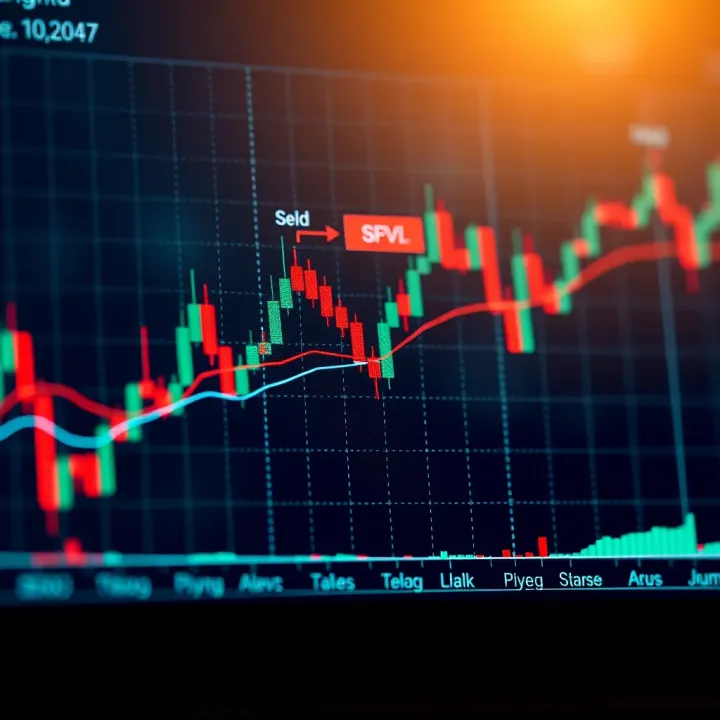
Manual forex signals come from experienced analysts who watch the markets closely. These professionals use their market knowledge and expertise to identify trade opportunities. For example, a seasoned analyst might study the USD/KES currency pair, noticing patterns like support and resistance levels or geopolitical events affecting the rate. This hands-on approach helps traders by providing insight that goes beyond raw numbers.
These analysts rely on a mix of technical indicators and fundamental data. They look at charts, moving averages, and candlestick patterns, but also monitor news such as Central Bank of Kenya (CBK) policy changes or global economic reports. For Kenyan traders, this means the signals can contain context-specific insights, like how local inflation data may impact the forex market. This makes manual signals useful for those who want signals blended with expert interpretation.
Automated signals are generated using software programs that follow set rules in the market. Trading bots scan currency pairs continuously, looking for predefined setups like when a moving average crosses a specified threshold. For instance, an algorithm might send a buy signal for the EUR/USD when specific momentum indicators align.
These signals remove human emotion from trading decisions, working around the clock and delivering opportunities fast. For busy traders in Nairobi or Mombasa who can't watch markets all day, automated signals can notify them promptly.
Automated signals offer speed and consistency, avoiding the fatigue and bias human analysts might face. However, they can also fall short during unexpected events, like sudden market shocks or news releases, since algorithms can't easily factor in breaking news without human input. Also, some bots perform better in certain market conditions but fail in others. Kenyan traders should test these systems on demo accounts before committing real funds.
Copy trading allows less experienced traders to follow and replicate trades from successful experts. In Kenya, platforms offering copy trading give access to global forex pros. When a pro buys or sells a currency pair, the same action automatically reflects in the follower’s account.
This is practical for traders who prefer learning by watching others or lack time for deep market analysis. However, picking the right trader to follow requires careful research of their track record and risk level.
Social signals come from trading communities where members share ideas and trade setups. These can be found in WhatsApp groups, Telegram channels, or specialised forums. For Kenyan traders, joining communities that focus on forex pairs relevant to the EAC region or major global currencies can provide timely and locally relevant trade ideas.
An important benefit is crowd wisdom — multiple traders contribute, which can help spot strong signals. But it’s crucial to verify information since community signals may sometimes be speculative or influenced by biases.
Choosing the right type of forex trading signal depends on your trading style, experience, and the level of involvement you want. Combining different signal types can also help balance benefits and risks in your trading journey.
Forex trading signals are particularly useful for Kenyan traders looking to navigate the fast-moving currency markets without spending hours on technical charts. Signals help by pointing out potential trade opportunities, but knowing how to access, use, and time these signals properly is key to making real gains rather than losses.
Several platforms commonly used in Kenya provide forex trading signals, making it easier for local traders to get insights. Platforms like MetaTrader 4 and 5 remain popular as they combine charting tools with signal services. Additionally, brokers such as HotForex and XM offer integrated signal options directly through their trading apps. These platforms often provide real-time signal notifications that traders can act on quickly.
Mobile-friendly signal sources are particularly handy because many Kenyan traders prefer trading or monitoring markets on phones or tablets while on the move. Apps like Telegram and WhatsApp groups have become common channels where signals are shared live. Some local fintech startups also offer SMS-based forex signals tailored for users without smartphones. This accessibility ensures traders in smaller towns or those without stable internet can still follow trading advice.
Relying solely on signals can be risky, so combining them with your own analysis is advisable. For example, if a signal suggests buying the USD/KES pair, you should check recent market news in Kenya, such as CBK policy changes or regional trade developments, to confirm it's a good move. Use signals as a prompt rather than the final decision.
Managing trade size and risk is vital when using signals. Despite signals indicating good entry points, never risk more than a small portion of your trading capital on any one trade. For instance, setting stop-loss orders at 1–2% below your entry point helps limit potential losses, which is especially important in volatile pairs like USD/UGX or EUR/KES. This method protects your investments even if a signal turns out to be false.
Kenya runs on East Africa Time (EAT), which affects when you should use forex signals efficiently. Global forex markets operate mostly in three sessions: London, New York, and Tokyo. The London session overlaps significantly with EAT, running from 11 am to 8 pm locally, so many signals related to major pairs are most relevant during these hours.
Understanding these session overlaps helps Kenyan traders choose the best time to act on signals. For example, signals on GBP/USD pairs are usually more reliable during London or New York sessions. Keeping track of EAT and global sessions allows traders to avoid placing trades during low-liquidity hours when signals might be less effective.
Using forex trading signals in Kenya is not just about following tips blindly. It's about knowing where to find them, how to fit them into your strategy, managing your risks smartly, and timing your moves according to when the market is most active in your timezone.
This approach raises your chances of trading success and keeps your capital protected in the often unpredictable forex market.
Using forex trading signals can give you an edge, but it is not without risks. Signals are based on analysis and predictions, not certainties. Traders in Kenya must understand the potential downsides before depending on these tools. Taking risks seriously and knowing how to manage them helps avoid costly mistakes.
Not all signals are accurate. Sometimes, signals recommend buying or selling at the wrong time because market conditions change quickly or the analysis behind them was incomplete. For example, a signal might suggest buying the USD/KES pair based on technical indicators, but unexpected political news or economic data in Kenya could suddenly shift the market, making that signal ineffective.
False alerts waste your trading capital and can shake your confidence. Kenyan traders should verify signals by cross-checking them with their own analysis or trusted sources. Relying on a single signal without question often leads to losses.
Kenya's growing interest in forex has attracted both genuine experts and unscrupulous providers. Some sell fake or overhyped signals promising high returns with little risk. A typical scam might involve charging high subscription fees for poor-quality or automated signals that don’t perform well.
To steer clear, look for providers with proven track records, transparent performance histories, and positive reviews from local traders. Demo or trial periods help test signals without risking real money. Remember, if it sounds too good to be true, it probably is.
Even the best signals can fail, so it's wise to protect your capital by using stop-loss and take-profit orders. A stop-loss caps your loss by closing a position automatically if the price moves unfavourably. For instance, if you enter a trade on the EUR/USD with a signal, setting a stop-loss 50 pips below your entry avoids bigger losses if the market turns.
Take-profit orders lock in gains by selling once a target price is reached. This is especially important in volatile markets like forex, where prices can swing quickly. Well-chosen levels help Kenyan traders manage risk and safeguard profits.
It’s tempting to follow signals blindly, but overreliance can be dangerous. Signals are tools to assist decisions, not replacements for learning market basics or developing your own strategy. Kenyan traders who depend solely on signals might miss bigger market trends or fail to adjust when conditions change.
Balancing signals with personal analysis and keeping an eye on global and local events builds better trading habits. Remember, your money is at stake, so trust but verify.
Relying on forex trading signals without caution is like driving blindfolded—you might move, but you risk crashing badly.
By recognising the accuracy limits of signals and practising sound risk management, traders in Kenya can improve their chances of success and avoid common pitfalls.
This understanding prepares you to use forex signals wisely rather than blindly, an essential step for any serious trader in the Kenyan market.
Selecting a trustworthy forex trading signal provider is essential for Kenyan traders aiming to improve their chances in the volatile forex market. The right provider not only offers timely and accurate signals but also helps traders make informed decisions while managing risks effectively. Picking a provider without careful consideration can lead to losses, especially in a market influenced by global and local economic factors.
A good signal provider should have a proven track record with clear evidence of past performance. Kenyan traders should look for providers who publish verified results or allow access to their historical signals and trades. This transparency enables traders to assess the provider’s consistency and accuracy over different market conditions. For example, a signal service from an established Nairobi-based firm with public trade records earns more trust than claims with no proof.
Also, transparency about trading methods and risk management is vital. Knowing how signals are generated—whether through technical analysis, fundamental insights, or automated systems—helps traders align these signals with their strategy. If the provider hides key information or makes unrealistic promises of guaranteed profits, it’s a red flag.
Kenyan traders should weigh the cost of signal subscriptions against the actual value they receive. Some providers charge heavily, claiming premium features, yet deliver signals with inconsistent results. Others may offer lower fees or free trials but lack reliable service. It’s better to prioritise proven quality over price alone.
For instance, a reputable platform offering signals at KSh 5,000 per month with demonstrated 65% success rate may be more valuable than a free service riddled with false alerts, which could cause greater losses. Consider also additional services like customer support, educational materials, and ease of access, as these add to overall value.
Kenyan traders can choose from both local and international signal providers. Local providers may offer benefits such as tailored insights considering East African market influences and easier customer service access. For example, some Nairobi-based firms understand how local news or currency fluctuations impact forex pairs, which can enhance signal relevance.
Alternatively, international platforms often provide wider coverage of global currency pairs and access to advanced tools and analytics. Many global providers serve Kenyan clients through mobile apps and websites. Traders should assess if international firms offer user-friendly interfaces and support for M-Pesa payments or other local methods.
One practical way to test a signal provider is through trial periods or demo accounts. These allow traders to experience real-time signals without risking their own funds. In Kenya, this option is invaluable given fluctuating market conditions and the cost sensitivity of many traders.
For example, platforms like MetaTrader integrated signal services or some Kenya-focused forex communities offer free trials or demo environments. Testing signals on a demo account helps traders verify the punctuality and accuracy of recommendations and decide if the provider’s style matches their trading approach before committing real money.
Always start with a demo or trial to avoid costly mistakes, and never blindly trust promises without solid evidence.
By focusing on these factors, Kenyan traders can navigate the crowded forex signal market with more confidence and better results.
Explore trusted forex trading companies in Kenya 🇰🇪, learn about regulations, platforms, risks, and smart tips to trade confidently and safely in 2024 📊💡
Learn how Kenyan traders can read forex trading charts 📈 with ease. Understand chart types, key indicators, and tips to spot trends and make smarter trades.
🤖 Discover how forex trading bots work in Kenya, their pros and cons, tech behind them, tips for use, and risks to watch for in currency markets.
📚 Discover key forex trading books for Kenyan traders! Learn essential skills, risk management, and trading psychology to boost your strategy today.
Based on 10 reviews