

Effective Forex Trading Strategies for Consistent Success
📈 Master forex trading with strategies tailored for Kenyan traders. Learn risk management, analysis techniques, and top tools to boost consistent success!
Edited By
Emily Clarke
Forex trading has become a popular avenue for investors in Kenya and worldwide to grow wealth outside traditional stocks and bonds. But it’s no secret that succesful trading doesn't happen by chance. Navigating the forex market requires sharp strategies, a good grip on risk, and the ability to adapt as market conditions change.
This article takes a closer look at effective forex trading strategies that aim to boost your consistency and success. We'll cover everything from the basics of technical analysis to smarter risk control and practical tips on choosing the right trading approach for your style. By the end, you should feel more confident in tailoring your trades to what actually works, especially considering the unique challenges and opportunities for traders in Kenya.
Staying disciplined and informed is key—the forex market never sleeps, and neither do the price shifts. The strategies discussed here are grounded in experience and real-world examples, not just theory.
We’ll start by breaking down fundamental concepts before moving into more precise tools and setups. Whether you’re a new trader testing the waters or someone with experience looking to sharpen your edge, this guide aims to be a practical companion on your trading journey.
Before diving into trading strategies, getting a solid grip on the basics of forex trading is essential. This foundation helps traders avoid costly mistakes and builds confidence when applying various tactics later on. Think of it like learning to drive before hitting the highway; understanding the rules and key elements keeps you on the road longer and safer.
Forex isn’t just a random marketplace; it’s a vast network involving multiple players such as banks, hedge funds, corporations, individual traders, and central banks. Each has its reasons for buying or selling currencies, affecting price moves differently. For example, a central bank might intervene to stabilize their currency, while a large bank trades to profit from short-term trends.
The market runs 24 hours, split into sessions based on major financial centers: Sydney, Tokyo, London, and New York. Understanding when these sessions overlap is crucial. For instance, the London and New York overlap tends to see higher trading volumes and volatility, which means more opportunities but also increased risk. For Kenyan traders operating in the East Africa Time zone, this overlap typically happens in the afternoon, a preferred trading window for many.
Knowing which session you’re trading in helps tailor strategies to suit the market’s rhythm, making timing decisions sharper and more informed.
Currencies are traded in pairs, like EUR/USD or USD/JPY, with one currency bought while the other is sold simultaneously. This means traders are always speculating on the relative strength between two economies.
Pairs fall into categories: major, minor, and exotic. Majors involve the most traded currencies like the US Dollar, Euro, or British Pound. For example, USD/KES (US Dollar/Kenyan Shilling) is of particular interest to traders in Kenya due to its direct impact on import and export costs.
Each pair behaves differently based on economic data, geopolitical events, and market sentiment. For example, a political event in the UK might disrupt GBP-related pairs, so a trader’s awareness can lead to better entry or exit decisions.
A pip (percentage in point) is the smallest price move a currency pair can make. It’s like the ticks on a stock chart. Say EUR/USD moves from 1.1100 to 1.1101; that 0.0001 difference is one pip. Knowing this helps in measuring profits and losses accurately.
Lots define trade size – usually, 1 lot equals 100,000 units of the base currency, but mini and micro lots (10,000 or 1,000 units) make trading accessible with smaller accounts.
Leverage amplifies your buying power by borrowing funds from your broker. While it can increase gains, it magnifies losses too. For example, with 1:100 leverage, a $100 deposit controls $10,000 worth of currency. Kenya’s forex regulations often recommend trading with moderate leverage to keep risks manageable.
Every currency pair has two prices: the bid (buying price) and the ask (selling price). If you want to sell a currency pair, you’ll get the bid price, while buying pays the higher ask price. The difference between them is called the spread and represents a broker's fee.
Understanding this spread is important because tight spreads mean lower costs per trade, which can add up for active traders. For example, in more liquid pairs like EUR/USD, spreads can be as low as 1 pip, while exotic pairs might have wider spreads.
Knowing these basics isn't just academic—it's practical. Traders who understand participants, sessions, pairs, and terminology are better equipped to navigate the complex forex market with confidence and discipline.
With these fundamentals in place, you're ready to explore various strategies that build on this groundwork, enhancing your chances of consistent success.
Having a firm grasp of the different types of forex trading strategies is like having a map in unfamiliar territory. It guides you on how to approach the market, helping you pick techniques that suit your style and circumstances. There’s no one-size-fits-all in forex; some traders thrive on quick moves while others wait for the big waves. Understanding these strategies lays the groundwork for consistent results and helps minimize costly mistakes.
Trend following is a classic play in forex trading. The idea is simple: "the trend is your friend." You track currency pairs moving strongly in one direction and jump in to ride that momentum. For example, if the USD/KES pair shows a steady upward climb over days, a trader might buy, expecting the trend to continue. This approach works well in markets with clear directions but requires patience and discipline to stick with trades until the trend weakens.
Range trading is the opposite of trend following—it works best when prices bounce between set highs and lows without a clear upward or downward movement. Imagine GBP/USD hovering between 1.3000 and 1.3150 for several days. A range trader buys near the bottom and sells near the top. It relies heavily on spotting key support and resistance levels and thrives in markets lacking strong momentum. This strategy demands careful timing and quick reactions to reversals.
Fundamental strategies zoom in on economic data that shakes up currency values. Think about indicators like Kenya's Central Bank interest rate announcements or the US Non-Farm Payrolls report. These numbers can cause sharp moves as traders adjust expectations about economic health. Keeping an eye on inflation rates, GDP growth, and employment figures helps traders anticipate swings and position wisely. For example, a surprise hike in Kenya's interest rate might boost the Kenyan shilling against other pairs.
This strategy banks on reacting fast to breaking headlines and scheduled news events. For instance, if Kenya’s government announces a new fiscal policy or an unexpected political development arises, the forex market might respond immediately. Traders using news-driven methods often focus on the first few minutes after the news breaks, aiming to catch quick profits. While potentially lucrative, it’s risky due to the market’s unpredictability during volatile times.
Many experienced traders don’t stick to just one approach. They mix charts and reports to get a fuller picture. For example, a trader might notice via technical analysis that EUR/USD is breaking out from a resistance level while also seeing that recent European economic data is positive. This double confirmation can boost confidence in opening a trade. Blending these insights helps filter out false moves and refines entry and exit timings.
A balanced strategy includes both quick trades to grab immediate opportunities and longer holds for bigger market moves. A trader might scalp USD/JPY for small profits during volatile sessions while keeping an eye on monthly trends in USD/KES for larger gains down the road. This mix provides flexibility to adapt when market conditions change and prevents putting all eggs in one basket. It also manages risk by diversifying timeframes.
Picking the right forex trading strategy isn’t just about what sounds cool—it’s about what fits your personality, goals, and market conditions. Whether you lean into charts, news, or both, knowing your options equips you to trade smarter, not harder.
Technical tools in forex trading act as a trader’s compass; they guide decisions, highlight market trends, and pinpoint optimal entry and exit spots. Without these instruments, navigating the unpredictable waves of currency movement would be more guesswork than strategy.
Traders in Kenya and worldwide rely on technical tools because they provide objective data-driven insights that can boost confidence when making trades. From simple moving averages to advanced oscillators, these tools help decode price action, manage risk, and identify potential turning points. Below, we break down some of the most trusted tools and their practical uses.
Moving averages smooth out price data to reveal market trends. A simple moving average (SMA) calculates the average price over a set period, giving equal weight to all prices. On the other hand, an exponential moving average (EMA) gives more weight to recent prices, making it more responsive to new information.
For example, if you’re looking at a 20-day SMA and EMA on the USD/KES pair, the EMA will follow price changes more closely. This quick reaction can be handy during rapidly shifting markets but also risks more false signals. The SMA, being steadier, suits traders who prefer to avoid noise and look at the bigger picture.
Understanding this difference lets traders pick the tool that fits their style—whether they like quick signals or steadier trends.
Moving averages shine brightest when spotting trends. If the price stays consistently above a moving average, it suggests an uptrend; if below, a downtrend. Crossovers where a fast moving average crosses a slower one can signal a trend change.
For instance, when the 10-day EMA crosses above the 50-day SMA on the EUR/USD chart, it often hints at a bullish turn. Traders might take that cue to enter a long position. Conversely, the opposite crossover warns of downside risk.
This method helps cut through daily market noise and confirm the general direction, making it invaluable for planning trades.
The RSI measures how fast and how much prices have changed over a set time, typically 14 periods. It results in a value between 0 and 100. The calculation involves comparing average gains and losses to gauge momentum.
While most trading platforms like MetaTrader 4 or TradingView calculate RSI automatically, it helps to understand its basics. This insight aids traders in interpreting what high or low RSI values really mean about market energy.
RSI values above 70 often suggest the market is overbought, hinting that buying pressure may be exhausting. Values below 30 may indicate oversold conditions, suggesting selling might have been overdone.
These signals warn traders that a reversal or pullback could be near. For example, if the RSI on USD/JPY climbs above 70 after a sharp rise, a cautious trader might anticipate some profit-taking soon.
Using RSI in conjunction with other tools can improve timing and reduce risk.
Support and resistance are price points where currencies tend to stop and reverse. Support is where demand is strong enough to prevent the price from falling further, while resistance is a ceiling where selling overwhelms buying.
Traders identify these levels by looking at historical price action. For instance, if the GBP/USD pair repeatedly bounces back up near 1.3000, that level acts as support. Similarly, if it often reverses down from 1.3200, that’s resistance.
Knowing these levels helps traders place stop-loss orders and plan profit targets with better precision.
Breakouts happen when price crosses support or resistance with strong momentum, often signaling the start of a new trend. Reversals occur when the price fails to break through and turns the other way.
For example, a sharp break above resistance at 1.3200 in GBP/USD, confirmed by volume and momentum, might be a good entry point. Alternatively, if price hits resistance but falls back, traders might prepare to short.
The key is not to jump the gun but confirm signals with volume or other indicators to avoid traps.
Mastering these technical tools gives forex traders a solid foundation to interpret market behavior and make more confident trading decisions. Combining tools like moving averages, RSI, and support/resistance can paint a fuller picture than any single one alone.
Risk management is the backbone of any successful forex trading strategy. It’s not just about making profits but more importantly about protecting your capital when trades don’t go as planned. Without sound risk management, even the best strategies can crumble quickly. For Kenyan traders and beyond, managing risks properly can mean the difference between a steady growth in your trading account and outright losses.
At its core, risk management involves techniques that control the amount of money you expose on each trade and how you react to market movements. By carefully setting limits and having a disciplined approach, traders can reduce losses during bad streaks and protect their gains during good periods. For example, a trader might decide not to risk more than 2% of their trading balance on a single trade. This kind of rule helps avoid devastating account blowouts when trades go against you.
Setting stop loss is about deciding in advance where you’ll exit a trade to prevent bigger losses. A well-placed stop loss protects your capital and keeps losses manageable. The stop loss isn’t just an arbitrary number; it should be based on technical levels such as below a support line or above a resistance level, depending on trade direction.
For instance, if you enter a long position on EUR/USD at 1.1000 and recent support lies at 1.0950, placing a stop loss just below 1.0950 (say 1.0945) is practical. This way, if the market dips past the support, it might signal a trend reversal, and exiting early prevents bigger losses. Using the Average True Range (ATR) indicator can also help you decide a stop loss distance that accounts for average market volatility.
Take profit levels are your targets where you plan to close the trade in profit. Having a clear exit target avoids the common mistake of greed, where traders hold on too long and watch profits evaporate. Setting take profit also ensures a consistent trading strategy rather than knee-jerk reactions.
A practical approach is to set your take profit at a level where the potential reward outweighs risk, typically aiming for a risk-to-reward ratio of at least 1:2. For example, if the stop loss in the previous example is 50 pips below entry, aim for a take profit 100 pips above entry. This approach balances losses and gains over time, improving long-term profitability.
Understanding how much of your account to risk per trade is crucial. A common guideline is to risk only 1-2% of your total capital on any single trade. This way, even a string of losing trades won't wipe out your account. Calculation involves determining the distance between entry price and stop loss (in pips), then calculating the monetary value that risk translates to.
For example, suppose a trader has $5,000, and opts to risk 1% ($50) on a trade. If the stop loss is 25 pips away, the position size should be such that a 25-pip move against the trade equals $50 loss. This results in a position size of 2 mini lots (20,000 units) roughly, making the math clear and manageable.
It’s good practice to regularly adjust your trade size depending on your current account balance, especially after gains or losses. For example, after gaining $500 on a $5,000 account (now $5,500), risking 1% would mean risking $55, a bit more than before. This ensures your trading size scales with your equity and keeps risk proportional.
This dynamic sizing can prevent overexposure after big wins and reduces trading size after losses, helping protect the account from large drawdowns.
Overtrading often creeps in when emotions cloud judgment—traders chase losses or jump into the market too often out of boredom or impatience. Emotional trading leads to poor decisions, such as entering trades without a solid reason or ignoring risk limits.
An example could be a trader who has a string of losses and attempts to recover quickly by doubling trade sizes. This 'revenge trading' usually backfires, amplifying losses. Recognizing when emotions drive your decisions and taking breaks or using automated alerts can help curb this behavior.
Discipline comes from following a clear trading plan that spells out entry criteria, risk management rules, and exit strategies. Sticking to this plan prevents impulsive moves and keeps you focused on the bigger picture.
For instance, a well-designed plan might include only trading during certain hours of higher liquidity or only trading setups that meet specific technical criteria. When the urge to deviate arises, the plan serves as a reminder to keep emotions out and trade methodically.
Consistency isn’t about never losing but about managing losses and profits so that, over time, your account steadily grows. Risk management is the toolset that makes this possible.
Building a solid trading plan is like drawing a roadmap before a long trip. Without it, you'll likely get lost or waste time going in circles. In forex trading, a clear plan helps you stick to your strategy even when the market gets choppy or emotions run high. It’s about outlining your trading goals, deciding how you enter and exit trades, and defining risk limits.
For instance, imagine a trader in Nairobi who starts trading without setting stop losses or defining profit targets. They might be gambling rather than trading, risking big losses. A proper plan prevents this by laying out clear rules for each trade, ensuring you protect your capital and have steady progress.
Knowing what you want to achieve is the first step toward success, but these goals need to be realistic. Expecting to double your account every month is a nice dream but not practical, and such unrealistic targets often lead to reckless decisions. Instead, aiming for consistent monthly returns of 5-10% is a more manageable target that balances ambition and reality.
Practical goals give you direction and help monitor progress objectively. For example, a trader might set a target to improve the win rate to 60% or to limit losses to 2% per trade. These benchmarks are measurable and actionable, helping keep emotions in check and preventing chasing losses.
Your trading timeframe should align with your lifestyle and personality. Some traders thrive on quick decisions and tight timeframes, like scalpers or day traders, while others prefer the slower pace of swing or position trading.
For example, a busy professional in Kenya might find day trading too hectic due to limited screen time and might do better with swing trades that last several days. The key is to choose a style that fits your availability and temperament—otherwise, sticking to the plan becomes a struggle.
Picking the right timeframe isn’t just about strategy; it’s about creating a plan that fits your actual life situation, ensuring consistency.
Backtesting is like replaying past football matches to understand how a team performed. Similarly, in forex trading, backtesting involves applying your strategy to historical market data to see how it would have worked. This helps gauge the effectiveness of your approach without risking real money.
For example, if you want to test a moving average crossover strategy on the USD/KEK pair, you’d look at several months or years of past price data to see how the strategy would have performed during different market conditions. This method highlights strengths and exposes weaknesses before you trade live.
No trading strategy works perfectly from day one. The insights gained from backtesting allow you to tweak settings such as stop loss distance, take profit levels, or trade entry criteria. If the backtest shows poor results during certain market conditions, consider adding filters or combining with other indicators.
A Kenyan trader might realize that their strategy performs poorly during major economic announcements like CBK rate decisions. Adjusting by avoiding trades around these times or tightening risk controls improves the plan’s robustness.
Remember, backtesting isn't a one-time task but an ongoing process. Markets change, and your plan should evolve accordingly.
Having a well-crafted trading plan anchored on clear goals and verified strategies builds the foundation for consistent success. It keeps emotions out and turns random luck into disciplined profit making, especially in the fast-paced and sometimes unpredictable forex markets.
Adapting your trading strategies to fit current market conditions is a skill that separates consistent winners from those just chasing luck. Forex markets don't behave the same all the time; sometimes they’re stormy and fast, other times calm and slow. Recognizing these shifts and tweaking your approach accordingly can help you avoid getting caught on the wrong side of a trade. This section digs into how traders can fine-tune their tactics, making decisions that align with what the market is actually doing rather than what they hope it will do.
Volatility spikes are basically moments when price swings become bigger and happen more often than usual. Spotting these shifts early is vital because it impacts how risky a trade can be. A good way to identify them is by watching indicators like the Average True Range (ATR) or Bollinger Bands; when these widen quickly, volatility is likely ramping up. For example, during major news events like the U.S. non-farm payroll announcements, you often see sudden big moves in pairs like EUR/USD or USD/JPY.
Being alert to these spikes means you can either seize opportunities from rapid price movements or step back to avoid wild swings that can wipe out positions. Traders in Kenya often check when market sessions overlap, such as London and New York, as these periods can also boost volatility.
When volatility kicks up, sticking to your usual trade size without adjusting can be risky. The key is to shrink your position size and tighten your stop-loss orders to limit potential losses. For instance, if you normally risk 2% of your capital per trade, consider cutting it to 1% or less during volatile times. This approach helps protect your account from sudden, sharp reversals.
Also, avoid placing orders too close to the current price during these phases, since false breakouts happen more often. This adjustment is especially important for traders using leverage, such as those on platforms like MetaTrader 4 or MT5, prevalent in the Kenyan trading community.
Remember, volatility can be a double-edged sword—it offers profit chances but demands extra discipline to manage risk.
Markets don’t always trend; sometimes they move sideways, bouncing between support and resistance. This phase, called consolidation, often signals that traders are waiting on new information before committing strongly one way or the other. Identifying consolidation means looking for tight price ranges with low volatility and clustered candlestick patterns.
For example, the USD/ZAR pair might linger in a narrow band during quieter economic periods in South Africa. Recognizing such phases helps avoid mistaking these sideways moves for breakouts, which can lead to whipsaw losses.
When the market is stuck in a range, trading strategies shift from chasing trends to capitalizing on predictable highs and lows. Traders can buy near the support level and sell near resistance, but this requires precise timing and clear exit points.
One practical method is to combine oscillators like the Relative Strength Index (RSI) with support and resistance zones to confirm overbought or oversold signals. Say the RSI touches below 30 near a support level for USD/KES—that might be a buy signal with a tight stop just below the support.
Managing risk here means expecting smaller profits per trade, but with multiple setups over time, these add up. Be wary: false breakouts can happen if the market suddenly changes—stop losses should be in place to protect your capital.
Range trading demands patience and a keen eye for price levels; jumping the gun is the quickest route to losses.
Adapting your approach to how the market is behaving lets you trade smarter—not harder. Volatility and sideways moves both have their quirks, and understanding these will help you apply the right tools and mindset to handle each situation confidently.
Navigating the forex market without stumbling over common pitfalls can make the difference between steady growth and wiping out your account. Avoiding typical mistakes isn’t just about saving money — it’s about preserving confidence and keeping a clear head when the market gets choppy. This section highlights key errors traders often fall into and practical ways to steer clear, crucial for anyone looking to maintain consistent success.
How it affects your account
Chasing losses means trying to recover from a losing trade by opening new positions, often with bigger risks. Imagine losing $100 on EUR/USD and then doubling the size of your next trade to make back that $100 quickly. It rarely works out. This mindset stacks losses and blows up accounts fast, turning a small setback into a major financial hole. The emotional pressure could cloud judgment and lead to impulsive decisions away from your trading plan.
Strategies to stay disciplined
Discipline is your shield against chasing losses. Here are some ways to keep it tight:
Set strict loss limits: Decide beforehand the max amount you can afford to lose each day or week and stick to it.
Take breaks after losses: Step away from the screen, grab some fresh air, and clear your mind.
Keep a trading journal: Writing down why you entered and exited trades helps identify patterns that lead to chasing mistakes.
Remember, slow and steady wins the race — trying to win back losses too fast usually backfires.
Consequences of poor risk control
Skipping risk management is like driving a car blindfolded. Without clear rules about how much to risk on each trade, you expose your account to sudden, hard-to-recover losses. A single bad trade can wipe out weeks or months of gains, especially when leverage is involved. Poor risk control also adds emotional stress, tempting traders to make rash moves.
Practical risk management tips
To keep risks in check:
Use stop-loss orders wisely: Place them at logical points to limit loss if the market moves against you.
Risk only a small percentage per trade: Many professional traders risk no more than 1-2% of their trading capital per trade.
Adjust position size: Bigger accounts allow bigger trades, but always size your positions according to your risk tolerance.
Regularly review your risk settings: Markets change, and your risk approach should too.
Simplicity vs complexity in trading
It’s tempting to pile on indicators, charts, and rules thinking it’ll improve results. But too many signals create noise, confusion, and slower decisions. A cluttered strategy can freeze you when it’s time to act, leading to missed trades or emotional mistakes. Think of it this way: the more moving parts, the easier things break.
Focusing on what works
The key is to zero in on a few reliable tools and strategies that you understand well and show consistent results. Start simple — trend lines, a couple of indicators like RSI or moving averages, and clear rules for entry and exit. Test these until they fit your style. When trading feels straightforward, it’s easier to stay disciplined and execute plans confidently.
Keep it Simple: Mastery beats gimmicks. The best trades come from clarity, not clutter.
In short, keeping your approach straightforward, managing risk tightly, and knowing when to step back keep your trading on solid ground. Avoiding the traps of chasing losses, ignorance of risk, and strategy overload puts you ahead of many others in the forex game.
Technology isn't just a convenience in forex trading—it's become a necessity. The modern trader armed with the right tools can spot opportunities faster, manage risks more efficiently, and execute trades with precision that manual effort just can't match. For traders in Kenya and globally, capitalizing on technology means gaining an edge in the notoriously fast-moving forex market.
By tapping into automated analytics, real-time quotes, and advanced charting, technology helps traders decode complex price movements and make informed decisions quicker. For example, trading platforms like MetaTrader 4 and 5 offer a wide array of built-in indicators and customizable tools that allow traders to shape strategies suited to their style and risk appetite.
When picking a trading platform, it pays to look beyond flashy interfaces. Stability and speed are paramount; delays or outages can turn potential profits into losses instantly. A platform that supports seamless order execution with minimal slippage is non-negotiable.
Additionally, consider platforms offering diverse order types—stop-limit, trailing stops, one-cancels-other (OCO)—because flexibility in managing entries and exits can protect your capital and lock in profits. Good customer support and ease of use are often overlooked but can save a lot of headaches, especially for beginners.
Also, platforms like MetaTrader come with a marketplace for automated trading tools called Expert Advisors, letting you expand your trading approach without needing to code.
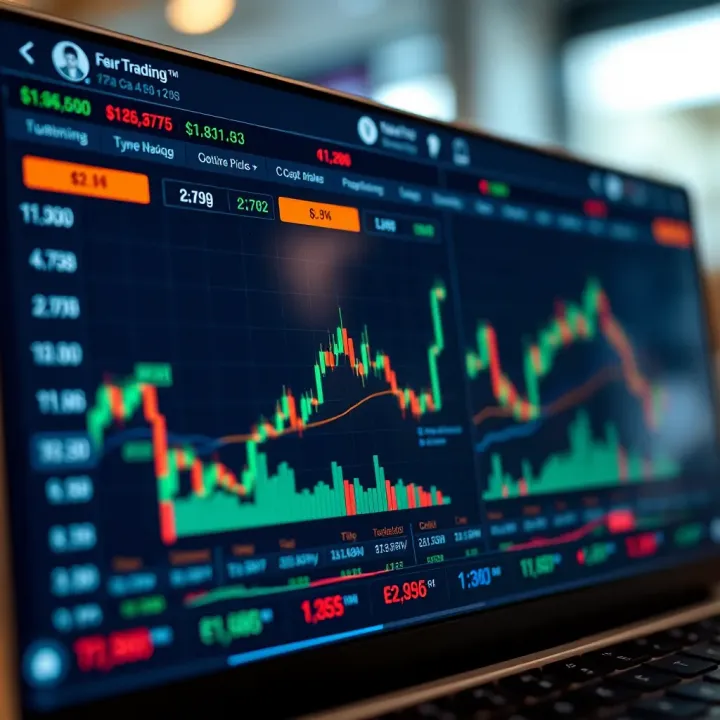
The heart of any skilled trader's toolkit is its charting capabilities. Effective platforms provide multiple chart types—candlestick, bar, line—and timeframes, from one minute to monthly, so you can zoom in or pull back as needed.
Don't just settle for basic tools. Features like Fibonacci retracements, Bollinger Bands, and Elliott Wave indicators can shed light on potential reversal points or confirm trends. Platforms also allow layering of indicators, enabling complex strategy setups.
Keep an eye on the ability to customize charts and save templates; this speeds up your routine and ensures you aren’t perpetually reinventing the wheel.
Automated systems trade on your behalf, often evaluating market conditions faster than a human could. The obvious plus is freeing up time and removing emotional interference—a common pitfall in manual trading. Algorithms can follow predefined rules to open and close positions swiftly at any hour, which is a boon in the 24-hour forex market.
However, automation isn’t foolproof. Systems can malfunction or behave erratically if market conditions change abruptly outside their programmed parameters. Relying solely on automation might also mean missing out on subtle cues a human trader could catch, such as geopolitical news that affects currency sentiment.
It's vital to remember that automated doesn't mean risk-free. Even the best algorithms can't account for black swan events or sudden market crashes. Risk management settings, such as stop-loss orders programmed into systems, must be tested and adjusted routinely.
Avoid the temptation to plug in an off-the-shelf robot and leave it running unchecked. Regular monitoring and tweaking ensure that your automated strategies evolve with the market.
Technology is a powerful ally but requires respect and understanding. Combine your trading smarts with the right tools to enhance performance, not replace judgment.
In short, leveraging technology intelligently means selecting robust platforms with solid features, making full use of charting and analytical tools, and cautiously integrating automation with consistent oversight. This approach empowers traders to stay competitive and navigate the forex market's ups and downs with greater confidence and clarity.
Keeping your knowledge fresh is a must in forex trading. The market shifts so quickly that what worked yesterday might not work today. Continuous learning helps you stay sharp and adapt to these changes. It’s not just about reading books once and calling it a day. Instead, think of it like tending to a garden—regular attention yields better results over time.
Learning on the fly also makes your decisions smarter. Imagine spotting a new economic policy affecting the Kenyan shilling against the dollar; without ongoing education, you might miss how these changes sway the forex market.
Relying on solid news sources can’t be stressed enough. Good sources include Bloomberg, Reuters, and CNBC for global updates. For African and Kenyan forex traders, platforms like Business Daily Africa and The East African Pulse offer relevant, timely info. Trustworthiness here means the outlet provides clear, verified data without unnecessary hype or unverified rumors.
By consistently following reputable news, you’ll know about central bank decisions, geopolitical events, or economic reports that impact currency markets. For example, the Central Bank of Kenya's announcements on interest rates or inflation can nudge the forex market significantly.
News shapes forex like weather affects crops. Unexpected news can cause sudden jumps or drops in currency prices. If Kenya faces political unrest or a major trade deal announcement, those events cause traders worldwide to react, influencing demand and supply of the Kenyan shilling.
Understanding the timing and content of news releases helps traders anticipate market reactions rather than react late. This proactive approach reduces surprise losses. Practically, watching key reports like U.S. Nonfarm Payrolls or Kenyan inflation figures equips you to place trades that align with market sentiment.
Nobody trades in a vacuum. Joining forex forums or local groups like Nairobi Forex Traders can plug you into a stream of ideas and experiences. Discussing strategies or insights helps uncover nuances you might miss alone.
For example, a fellow trader might share how they managed trades during Kenya’s last currency devaluation, offering practical tips for current conditions. Such exchanges refine your approach and build confidence.
However, communities also risk spreading incorrect info. Misinformation can lead to bad trades and losses. The key is to verify shared tips and strategies with solid analysis and multiple sources.
Take what you read online with a pinch of salt, especially on social media. Stick to communities known for evidence-based discussion and be cautious of anyone promising guaranteed profits—trading is risky, and no one has a silver bullet.
Continuing education in forex trading isn't just a nice-to-have; it’s a survival skill if you want to trade smarter, not just harder, especially in fast-moving markets like those involving the Kenyan shilling.
Every trader brings a unique personality, risk tolerance, and time availability to the table. That’s why personalizing your forex trading strategy isn’t just a nice-to-have—it's essential for consistent success. When you pick a strategy that fits your style, you’re more likely to stick with it, manage stress better, and make sound decisions under pressure.
For example, someone with a busy day job may not be able to monitor charts every five minutes but might prefer a slower strategy like swing trading. Meanwhile, a trader who thrives on quick decisions and can sit in front of their screen for hours could lean towards scalping or day trading. This tailoring process is about matching your lifestyle, psychological makeup, and goals with the strategy that suits you best.
Scalping and day trading involve holding positions for very short periods—anywhere from seconds up to a few hours. These traders aim to pocket small but frequent wins by exploiting minor price movements. The fast pace requires strong focus, quick decision-making, and solid technical analysis skills.
The risks include higher transaction costs due to many trades and the mental fatigue that comes from constant chart watching. Poor timing can also lead to losing streaks, so solid risk management, like setting tight stop-loss orders, is key. A trader using brokers like IC Markets or Pepperstone may find tight spreads helpful for scalping.
This approach suits traders who can dedicate a significant amount of time to monitor the market daily and stay alert. It’s ideal for those who enjoy a fast-paced environment and have the temperament to make decisions swiftly without hesitation. For example, a young tech-savvy trader leveraging a fast internet connection and a reliable trading platform could find day trading rewarding.
If you’re someone who gets restless easily or cannot commit hours to trading during market hours, then scalping or day trading might wear you down. Also, markets with high liquidity like EUR/USD or USD/JPY pairs are preferred for such strategies since they offer tighter spreads and quicker entry/exit opportunities.
Swing and position trading are about holding trades for a few days to several weeks or even months. These methods rely on broader market trends rather than minute-to-minute price changes. Traders look at key technical indicators like moving averages or fundamental factors such as interest rate changes to guide their decisions.
This slower pace means less screen time and fewer trades, which reduces costs but requires patience. For instance, a trader might enter a trade on the weekly chart after spotting a confirmed trend reversal signal and hold onto it until the trend runs its course.
Success in swing and position trading hinges on controlling emotions and sticking to your plan. It’s easy to get itchy fingers and close trades too soon when the market goes against you initially or to jump in early when the price seems like it might turn.
Traders need to tolerate some drawdown and resist the temptation of micromanaging positions. For example, Kenyan traders using the MetaTrader 4 platform might set up alerts to avoid constantly checking their screen, helping to maintain discipline.
Remember, choosing the right trading style is a personal journey—there’s no one-size-fits-all. Matching your strategy with your life and psychological traits will help you trade more consistently and confidently.
📈 Master forex trading with strategies tailored for Kenyan traders. Learn risk management, analysis techniques, and top tools to boost consistent success!
Discover practical forex trading strategies tailored for Kenyan traders 🇰🇪. Learn key principles, analysis, risk management, and mindset tips for success 📈💡
🔍 Discover how Kenyan forex traders can pick the perfect trading platform by comparing security, fees, usability, and features tailored to your needs.
📱Find the best forex trading app in Kenya! Compare features, security, costs, and usability to match your trading style and experience.
Based on 11 reviews