
Forex Trading Companies in Kenya: A Practical Guide
Explore trusted forex trading companies in Kenya 🇰🇪, learn about regulations, platforms, risks, and smart tips to trade confidently and safely in 2024 📊💡
Edited By
Henry Mitchell
Forex trading in Kenya is gaining traction as more people seek alternative income streams amid an unpredictable economy. However, jumping straight into trading without solid training often leads to losses and frustration. This section introduces the basics of forex trading training, highlighting what learners should expect and why it matters.
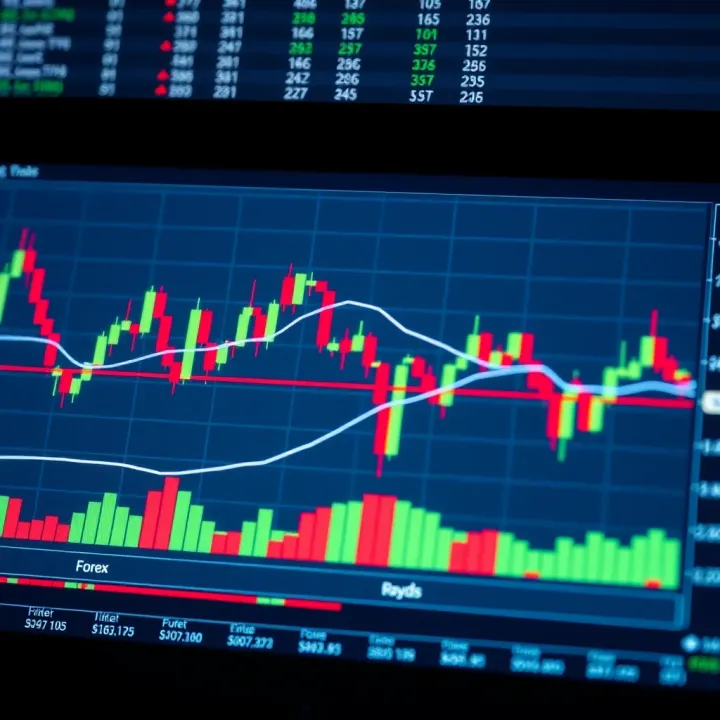
Forex trading training equips individuals with the skills needed to buy and sell currencies profitably. It covers understanding exchange rates, trading platforms, market trends, and strategies to manage risks. For example, learning how to read a candlestick chart or analysing economic news for currency impact are core skills taught.
Kenya's forex market operates almost 24 hours, influenced by global events from the New York stock exchange to Asian trading sessions. Training helps navigate this fast-paced environment confidently rather than relying on guesswork or hearsay.
Without formal training, traders tend to make costly mistakes such as overtrading or ignoring risk management. Proper training:
Clarifies how the forex market works
Teaches methods to analyse currency movements
Emphasises the importance of controlling losses with stop-loss orders
Introduces tools like MetaTrader 4 or 5, which are widely used in Kenya
Moreover, trained traders avoid common traps like falling for unregulated brokers or scams promising quick riches. A training programme that includes hands-on practice and clear feedback prepares you better.
Starting with good forex training reduces guesswork and builds a disciplined approach essential for success.
Training programs vary but usually involve:
Market basics: What moves currency prices and trading hours
Technical analysis: Chart reading, indicators, and entry/exit points
Fundamental analysis: Understanding economic reports, inflation, and interest rates
Risk management: Position sizing, stop-loss strategies, and managing emotional decisions
Practical sessions: Using demo accounts for trial trading before real money
Choose programmes that offer localised content reflecting Kenyan market realities, including regulations from the Capital Markets Authority (CMA) and payment methods like M-Pesa.
Starting with forex trading training ensures you build skills methodically instead of learning painfully from mistakes. Keep this foundation in mind as you explore the next steps to becoming a confident forex trader.
Grasping the fundamentals of forex trading is essential for any trader aiming to succeed in the fast-moving currency market. Without a clear understanding of how this global exchange operates, it’s easy to get overwhelmed or make costly mistakes. For Kenyan traders, building a sound base in forex basics paves the way to more confident decisions and better risk management.
The foreign exchange market, commonly called forex or FX, is where currencies are bought and sold against each other. This vast global market operates 24 hours a day, five days a week, enabling participants to trade currencies like the US dollar (USD), Euro (EUR), or Kenyan shilling (KES) at constantly changing rates. Its size and liquidity make forex the largest financial market worldwide.
Trading forex essentially means speculating on the price movements between currency pairs. For example, if you believe the USD will strengthen against the KES, you buy the USD/KES pair; if you expect it to weaken, you sell. The practical relevance here is that understanding these price shifts helps traders like you identify opportunities to make profits or protect investments.
Currency pairs work through the concept of a base currency and a quote currency. The price shown indicates how much of the quote currency you need to buy one unit of the base currency. For instance, if USD/KES is at 110, it means one US dollar costs 110 Kenyan shillings. Recognising this helps you understand the relative value between currencies and how profits or losses are calculated.
Forex trading hours cover different time zones as markets in major cities—such as London, New York, Tokyo, and Sydney—open and close at staggered intervals. Knowing when markets are active is critical; for example, the London-New York overlap is often the most volatile and liquid, offering better trading opportunities. Traders in Kenya benefit from trading during these peak hours, often using mobile devices to stay connected.
One of the biggest draws for Kenyans is how accessible forex trading has become through mobile platforms tied to services like M-Pesa. Traders can deposit and withdraw funds conveniently using mobile money, bypassing traditional banking hurdles. This ease lowers entry barriers, enabling more people from diverse backgrounds to participate.
Besides accessibility, forex trading offers Kenyans various ways to earn side income or even full-time employment. In a country where formal jobs may be scarce, trading can supplement earnings or provide a flexible hustle. Some enthusiasts turn their trading skills into mentoring or advisory roles, pooling knowledge within communities.
That said, forex markets carry risks alongside the rewards, especially in Kenya’s context where regulatory oversight may vary. Price swings can be sudden and steep, so proper training and cautious capital allocation are necessary. Without managing risks effectively, traders may face significant losses that impact their livelihoods.

Understanding forex basics isn’t just academic—it helps you trade smarter, avoid common pitfalls, and make the most of Kenya’s rising digital trading ecosystem.
In sum, mastering the basics such as what forex trading entails, how currency pairs function, and the dynamics of market hours builds a sturdy foundation. Coupled with Kenya’s growing mobile connectivity and market interest, this knowledge is your first step into the forex trading world.
Forex trading requires skills in analysis and discipline, so effective training focuses on these key components. Understanding market behaviours and managing risks well are essential for any trader in Kenya aiming to succeed or supplement income.
Technical analysis relies on charts and indicators to predict future price movements. A trader might study candlestick patterns or moving averages, which show trends and potential reversal points. For instance, recognising a "head and shoulders" pattern can signal the market turning downwards, helping a trader decide when to sell.
Fundamental analysis looks at economic data like interest rates, inflation figures, or geopolitical events. In Kenya, announcements such as Central Bank of Kenya (CBK) monetary policy decisions or East African Community trade news can move currency prices significantly. Keeping track of these helps traders anticipate market shifts beyond the charts.
Combining both methods allows a trader to form a more complete view. For example, if technical analysis suggests a currency is oversold, while fundamental news shows strong economic growth in that country, the trader might confidently take a buying position. Blending these approaches leads to better-informed decisions rather than relying on just one angle.
Setting stop-loss and take-profit levels protects your capital from big losses and locks in gains. Imagine you enter a trade expecting a currency to rise by 100 pips; setting a stop-loss 50 pips below your entry limits your risk, while a take-profit at your target point ensures profits are realised before the market reverses. This planning is vital for long-term survival in the volatile forex environment.
Position sizing and prudent leverage use are equally important. Leverage amplifies both gains and losses; a typical Kenyan broker might allow up to 1:100 leverage, meaning a small deposit controls a bigger position. However, using full leverage carelessly often wipes out accounts fast. Proper training teaches how to calculate position size based on your total capital and risk tolerance, so no single trade threatens your portfolio.
Managing emotions and avoiding overtrading separate experienced traders from novices. It’s common to be tempted to chase losses or trade when not fully prepared. Solid training covers behavioural aspects, helping traders stick to their plans and stay patient. For example, a beginner might learn to step back after a bad loss instead of hastily opening new trades, preventing a snowball of bad decisions.
Effective forex training isn't only about knowing the markets—it’s about controlling risk and mastering your mindset to trade consistently.
These components form the backbone of any good forex training programme in Kenya. By focusing on analysis skills and risk control, traders gain tools to approach the market with confidence and discipline.
Selecting the right forex training is key to building a solid foundation for successful trading. Kenya's forex market is vibrant, with many eager learners, but not all training programmes offer equal value. A well-chosen course sharpens your skills, reduces costly mistakes, and builds confidence to trade consistently.
Online courses and webinars provide flexible learning options suited to busy schedules. These often include video lessons, quizzes, and live webinars that allow you to interact with instructors without leaving your home. For example, many Kenyans combine forex online courses with M-Pesa payments for easy access. This method lets you learn at your own pace and revisit material whenever needed. However, interaction may be limited compared to in-person sessions.
Physical workshops and seminars offer hands-on experience and direct networking with instructors and fellow traders. In Nairobi, such events often take place on weekends or during evenings, enabling busy professionals to join. These workshops can simulate real trading scenarios, fostering immediate feedback. The personal touch helps clarify complex topics quickly. Still, they require your physical presence and might incur travel costs if held far from your locality.
One-on-one coaching and mentorship deliver personalised guidance tailored to your specific strengths and weaknesses. Coaches in Kenya usually walk traders through live market analysis and strategy refinement. This is especially valuable for those aiming to turn forex into a primary income source. While costly, mentorship accelerates learning and helps avoid common pitfalls through real-time advice and accountability.
Credibility and reputation in Kenya should top your checklist. Check for trainers with recognised forex credentials and positive reviews from Kenyan learners. Some providers list CMA (Capital Markets Authority) approval or partnerships with known Kenyan financial institutions. You may ask peers or online forums for honest opinions. A reliable provider reduces risk of wasting money on poor-quality training or scams.
Curriculum covering practical and theoretical knowledge is essential. Good courses combine theory—like understanding currency pairs and economic indicators—with practical skills such as chart analysis and risk management. For instance, a course that teaches how to place stop-loss orders alongside explaining monetary policy effects on forex rates is ideal. Avoid programmes focusing solely on theory or overly simplistic tips without depth.
Support and community for learners enhances your training experience beyond just lessons. Providers that offer group chats, forums, or regular Q&A sessions allow you to share ideas and get help when stuck. Being part of a community keeps motivation high and exposes you to real-time market perspectives. Some Kenyan training centres also organise meetups where traders can network and discuss strategies face to face.
Choosing the right forex training in Kenya isn’t just about the content but also about trust, practical learning, and ongoing support. This combination will boost your chances to trade confidently and profitably.
In short, opt for training that fits your lifestyle, comes from a trusted Kenyan source, covers both essentials and practical skills, and offers a learning community. This approach sets a firm footing for your forex trading journey.
Taking the step to begin forex trading after training is where theory meets the real world. This phase tests your skills, discipline, and decision-making in fast-changing markets. After acquiring knowledge through training, setting up a proper trading framework becomes essential to avoid common pitfalls and build good trading habits.
Choosing a reliable forex broker is the first practical step. Not all brokers operate fairly or follow Kenya’s regulatory requirements, such as those set by the Capital Markets Authority (CMA). A trustworthy broker should be transparent about fees, offer competitive spreads, and provide access to the currency pairs you want to trade. For instance, brokers like FXPesa and HotForex have a presence in Kenya and are popular for their adherence to regulation and good user experience.
When looking at account types and minimum deposit requirements, it’s important to consider what fits your budget and trading style. Many brokers offer demo, standard, and micro accounts. Demo accounts have no deposit requirements since they use virtual money. Standard accounts may require deposits starting from KSh 10,000 or more, while micro accounts allow trading with smaller funds, making them friendly for beginners managing risk cautiously.
Verification and compliance procedures are critical and often overlooked. Brokers must verify your identity and residence to comply with anti-money laundering laws. This involves submitting government-issued IDs, proof of address, and sometimes a photo. The process can take a few days, so prepare your documents early to avoid delays in starting live trading.
Demo accounts are the safest environment where you can sharpen your trading skills without financial risk. They replicate live market conditions but use virtual funds. It helps new traders understand how orders execute and how markets move without losing real money.
By testing strategies without risking capital, you can try different techniques like scalping or swing trading to find what suits your style. For example, you might experiment with moving averages or RSI indicators to see how they perform over days or weeks.
Tracking progress and making adjustments during demo trading prepares you for real markets. Maintain a trading journal noting entry points, exit points, reasoning behind trades, and emotions felt. Reviewing this regularly highlights mistakes and areas to improve before moving to live trading.
Scaling up gradually means starting live trades with small amounts rather than risking large sums immediately. You might begin with a micro account and small position sizes, then increase as confidence and skills grow.
Monitoring market conditions remains essential when trading live. Real money makes market news and price swings more intense. For example, unexpected Kenyan economic announcements or global events can impact currency pairs, so staying informed helps you react appropriately.
Adapting to real trading emotions distinguishes successful traders. Unlike demo trading, losses or profits feel real and can affect decisions. Managing fear and greed is key; setting strict rules for stop-loss and take-profit orders can guard against impulsive actions.
Starting your forex journey on the right foot is about combining knowledge, practical tools, and emotional control. Take your time, choose well-regulated brokers, practise with demo accounts, and ease into live trading to build sustainable success.
Forex trading in Kenya offers exciting opportunities, but traders often face challenges that can affect profitability and confidence. Recognising these hurdles and knowing how to handle them is key to staying in the game longer and trading more successfully. This section highlights typical difficulties and practical ways to manage them, focusing on market volatility and scam prevention — two pressing concerns for many Kenyan traders.
Understanding price fluctuations is essential for any forex trader. Currency values change constantly due to economic news, geopolitical events, and market sentiment. For example, decisions by the Central Bank of Kenya (CBK) to adjust interest rates can cause the Kenyan shilling to fluctuate against the US dollar within minutes. Realising that these swings are normal helps traders avoid panic decisions and see volatility as part of the trading environment.
Using stop-loss effectively is a practical way to control losses amid price changes. A stop-loss order automatically closes a position when the price moves against the trader by a set amount. For instance, if you buy USD/KES at 110 and set a stop-loss at 108, your trade closes once the price hits 108, protecting you from deeper losses. This tool enables you to trade without staring at charts all day, preserving capital for better opportunities.
Remaining patient and disciplined separates successful traders from those who lose money fast. It's tempting to deviate from a well-planned strategy when the market turns choppy or after a losing trade. Kenyan traders often feel pressured to recover losses quickly, leading to emotional trading and overtrading. Sticking to your trading plan, taking breaks when needed, and not chasing losses improves long-term results and mental well-being.
Identifying red flags in brokers and training providers can save you from expensive mistakes. Be cautious if a broker promises guaranteed profits or asks for unusually large deposits upfront. Some unscrupulous firms operate without transparency, offering flashy marketing but poor execution. Kenyan traders should scrutinise online reviews and community feedback before committing money or time to any service.
Verifying licence status and CMA regulation is a must before opening an account with a broker. The Capital Markets Authority (CMA) licenses forex brokers in Kenya to ensure they meet financial and operational standards. Confirming the broker is CMA-registered reduces the risk of losing funds to fake companies. This verification also applies to training providers claiming association with regulatory bodies.
Seeking advice from trusted financial sources helps navigate the vast information available online. Consult established Kenyan financial news outlets, join community groups with experienced traders, or ask mentors within the industry. This guidance aids in making informed choices about where to trade and what training to pursue, filtering out misinformation that can lead to costly errors.
Protecting your investment requires more than just learning how to trade — it demands awareness of market behaviour and vigilance against scams. Equipped with the right knowledge, Kenyan traders can face these challenges confidently and improve their chances of consistent success.
By understanding market volatility and recognising dubious practices, you'll build a stronger foundation for your forex journey. Stay alert, plan carefully, and trade with both your head and heart.
Explore trusted forex trading companies in Kenya 🇰🇪, learn about regulations, platforms, risks, and smart tips to trade confidently and safely in 2024 📊💡
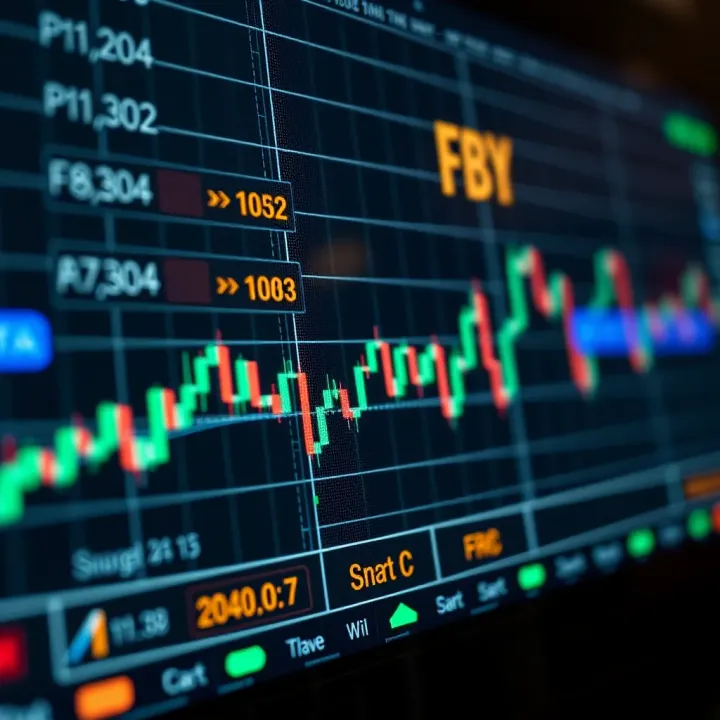
Learn how Kenyan traders can read forex trading charts 📈 with ease. Understand chart types, key indicators, and tips to spot trends and make smarter trades.

🤖 Discover how forex trading bots work in Kenya, their pros and cons, tech behind them, tips for use, and risks to watch for in currency markets.

📚 Discover key forex trading books for Kenyan traders! Learn essential skills, risk management, and trading psychology to boost your strategy today.
Based on 9 reviews