

Understanding Binary Apps: What They Are and How They Work
💻 Explore binary apps: how they work, install, their pros & cons, security tips, and how they differ from other software in today's digital world.
Edited By
Ethan Walker
Binary counters are fundamental components in digital electronics, widely used in devices you interact with daily. They keep track of digital events by counting pulses, turning a series of 0s and 1s into numbers machines can understand. This ability to count in binary—the language of electronics—makes them essential in computers, digital clocks, and even handheld money meters used across Kenya.
At their core, binary counters take incoming signals, often clock pulses, and increase their count by one with each signal. These counts are represented in binary, where each digit is a bit set to 0 or 1. Unlike decimal counting, binary counters rely on just two states, making them faster and simpler for digital circuits to process.
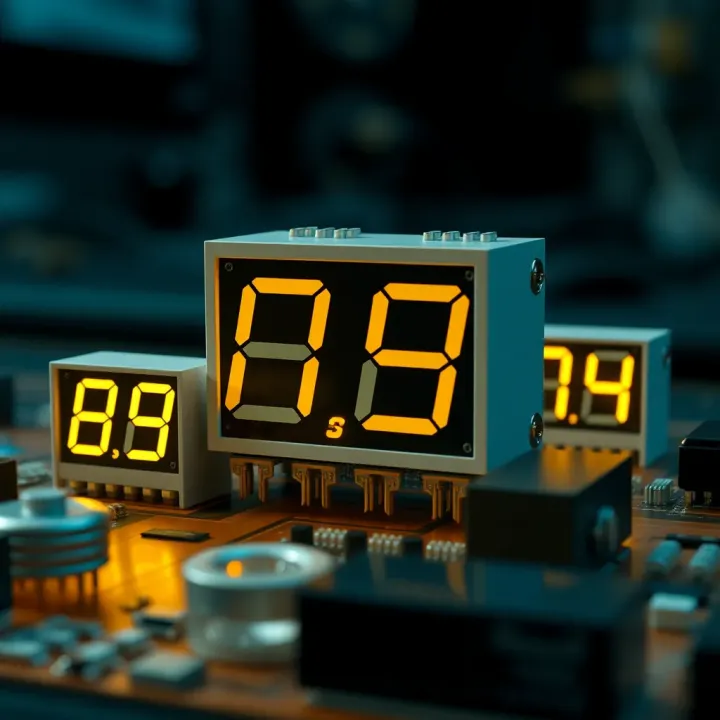
These counters come in various types, but the most common include ripple counters and synchronous counters. Ripple counters are simpler; they use flip-flops connected sequentially, where each flip-flop toggles on the change of the previous one. However, they may suffer from timing delays, which can cause inaccurate readings in high-speed applications. Synchronous counters, on the other hand, have all flip-flops getting the clock signal simultaneously, offering better speed and precision.
In practical terms, binary counters find use beyond theoretical electronics. For example, in Kenyan retail kiosks, digital counters help track sales or monitor the number of customer entries. In power meters, they measure units consumed, converting those inputs into readable numbers. Even in agricultural settings, simple binary counters embedded in sensor devices record events like rainfall or soil moisture triggers.
Understanding the wiring basics of these counters is straightforward but crucial. Each flip-flop is wired to represent one bit, with outputs connected to subsequent flip-flops—this chain forms the count sequence. Controlling when the counter resets or starts is done using control inputs, allowing precise management within larger digital systems. Proper wiring ensures smooth counting without glitches, a factor important in sensitive equipment like medical devices installed in Kenyan hospitals.
Binary counters transform a series of electronic pulses into usable digital numbers, enabling countless applications from everyday gadgets to complex computing tasks.
For traders and analysts who delve into digital technology stocks or instruments, recognising how binary counters operate helps to appreciate the backbone supporting many digital devices. This insight can guide smarter investment decisions and clearer evaluations of tech companies serving the Kenyan market.
In summary, mastering the function and structure of binary counters offers practical benefits. From saving time while troubleshooting electronics to understanding the devices improving lives all over Kenya, these fundamentals empower informed engagement with digital technology.
Understanding the basics of binary counting is vital in digital electronics, especially when dealing with binary counters. These counters form the backbone of many electronic devices, from simple timers to complex computing systems. Knowing how binary counting works allows traders, investors, and educators to appreciate the intricate operations behind digital displays and data processing systems common in today's marketplaces.
A binary counter is a digital circuit that counts pulses and provides output in binary format. Essentially, it keeps track of the number of times an input pulse or clock signal is received. This functionality is crucial in applications like digital clocks, frequency counters, and event counting devices used in both industry and everyday electronics across Kenya.
Binary counters simplify the task of counting by using the binary number system, which corresponds naturally with digital electronics' on/off states. They are often used in automated systems—say, in production lines or even in digital meters at kiosks—which require reliable counting and timing mechanisms.
The binary numbering system uses only two digits, 0 and 1, to represent all numbers. Unlike the decimal system we use daily, which has ten digits, binary fits perfectly with digital circuits where switches can be either off (0) or on (1). For example, the decimal number 5 is represented as 101 in binary—which means the first and third bits (from right) are on.
This simplicity makes binary numbers easy to store and process electronically. In trading platforms and digital devices common in Kenya's bustling towns, such binary representation ensures quick, error-free processing of numerical data.
Bits, short for binary digits, are the basic units of data in digital electronics and computers. Each bit can hold a 0 or 1, and combined, they represent larger values. In binary counters, each flip-flop or circuit element corresponds to one bit.
For instance, a 4-bit binary counter can represent numbers from 0 to 15. The more bits a counter has, the higher the number it can represent. This principle is critical when selecting a counter for a particular task—in a digital timer used in Kenyan factories, a 12-bit counter might be overkill, while for an industrial measurement device, it might be just right.
Binary counters progress through a specific sequence of 0s and 1s that mimic counting in decimal but in base 2. Starting from 0000 (decimal 0), the counter moves through 0001 (decimal 1), 0010 (decimal 2), to 1111 (decimal 15) for a 4-bit counter.
This counting sequence helps digital circuits keep accurate timing and data display. For example, in digital clocks found in Nairobi homes, binary counters convert pulses from the clock circuit into readable time by stepping through these numbers systematically.
Remember, understanding these foundational concepts lets you better grasp how devices around you work—whether it's a digital cash register in a Nairobi market or timers in manufacturing equipment across Kenya.
Binary counters are essential for reliable digital counting.
Bits represent the size and capability of a counter.
Counting sequences ensure orderly progression through numbers in digital systems.
This fundamental knowledge paves the way for deeper insights into types of binary counters and their specific operations.
Binary counters have different types that serve various needs in digital electronics. Knowing how they differ helps traders, analysts, and educators select the right ones for their applications, whether for timing, data counting, or simple computations. These counters mainly differ in how they process clock signals and manage counting sequences, influencing speed and complexity.
Asynchronous counters, also called ripple counters, work by connecting a chain of flip-flops, where the output of one triggers the next. The first flip-flop receives the clock pulse, and each subsequent flip-flop toggles when the previous one changes state. This creates a 'rippling' effect where counting cascades down the chain. For example, a 4-bit ripple counter counts from 0 to 15 in binary by toggling each flip-flop in this sequence.
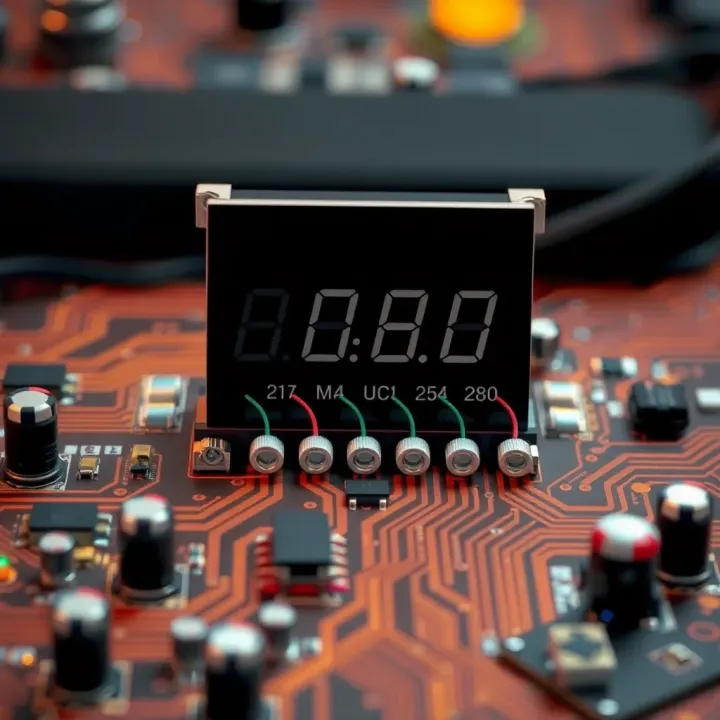
One advantage of ripple counters is their simple design, which makes them easy to build and inexpensive. This simplicity suits basic applications, such as simple event counters or LED chasers in educational projects. However, the ripple effect causes delays: as the clock pulse moves through each flip-flop, the output does not update instantly. This timing issue limits ripple counters to slower-speed applications, and they are prone to glitches when used at high frequencies.
Unlike asynchronous counters, synchronous counters have all flip-flops triggered by the same clock pulse simultaneously. This design uses additional logic gates to control when each flip-flop changes state. Because all bits update together, the counting is faster and more reliable. For instance, in a synchronous 4-bit counter, each stage knows exactly when to count based on the clock signal and logic inputs, without waiting for the previous flip-flop.
Synchronous counters handle higher speeds and reduce timing errors compared to ripple counters. They are common in applications requiring precision and quick response, such as digital clocks in Kenyan factories or timers in automated systems. That said, their design is more complex and needs more components, which can increase costs and circuit size.
Up counters increase the count value in binary by one with each clock pulse. They are useful in scenarios like counting customers entering a shop or measuring production units on assembly lines. Their straightforward operation suits many digital devices.
Down counters work oppositely by decreasing the count by one on each pulse. For example, down counters can be used in countdown timers or in systems that track quantity reductions, such as fuel levels in generators.
These versatile counters can switch between counting up or down based on a control signal. They find use in more complex applications like bidirectional traffic light timers or M-Pesa transaction queues where both incrementing and decrementing counts are necessary.
Understanding the differences between these binary counter types helps in choosing the right device for your specific timing, counting, or control needs.
Each type brings distinct trade-offs, balancing speed, complexity, and application requirements.
Understanding the detailed operation of a binary counter forms the backbone of grasping how digital devices count and measure time or events. This section explores the inner workings of counters, focusing on key components such as clock pulses, flip-flops, and the handling of carry signals and overflows. For traders, analysts, and educators alike, this knowledge is crucial for interpreting how counters influence data collection and processing in electronic systems.
Clock pulses are like the heartbeat of a binary counter. Each pulse signals the counter to move one step forward in its counting sequence. For example, in a digital clock, every second corresponds to a clock pulse that drives the counting of seconds, minutes, and hours. Without a steady clock, the counter would lose sync, leading to inaccurate data or timing.
Triggering mechanisms determine when and how these clock pulses cause changes in the counter. Counters can be edge-triggered, reacting on the rising (low to high) or falling (high to low) edge of a pulse, or level-triggered, responding to the pulse's voltage level. Edge-triggered counters are more common in precise timing applications, ensuring the counter only replies once per pulse to avoid miscounts, like in automated teller machines where exact transaction time-stamping matters.
Flip-flops act as the memory units in a binary counter, storing bits as either 0 or 1. The main types involved in counting include the JK and T (toggle) flip-flops. Flip-flops change their states with every clock pulse, which reflects the binary number held by the counter. This transition is critical in maintaining the correct sequence of binary values.
When a clock pulse arrives, flip-flops switch states to represent the next number in the sequence. For instance, a T flip-flop toggles its state with each pulse, effectively counting in binary. This state change enables the binary counter to track the quantity of pulses, playing an essential role in digital timers used in factories for process control or in traffic light systems around Nairobi.
Carry signals occur when a flip-flop completes a full cycle and needs to signal the next flip-flop to increment. This cascade effect ensures the counter continues accurately beyond the range of a single flip-flop, like counting beyond '1111' (binary for 15) to '1 0000' (16). Proper carry propagation avoids errors in extended counting sequences crucial for data logging in industrial equipment.
Overflow happens when a counter reaches its maximum count and resets to zero. Understanding overflow behaviour is essential — for example, in a digital electricity meter reading system, overflow ensures the count resets without crashing the system, continuing to count future usage correctly. Without proper overflow handling, counters could output false readings, affecting billing or monitoring.
Knowing how binary counters operate internally helps in designing, troubleshooting, or improving digital systems that are part of everyday Kenyan technology, from small educational kits to large industrial controllers.
Clock pulses trigger the counting action reliably.
Flip-flops store and switch states with each pulse.
Carry signals manage counting beyond single units.
Overflow resets counters, maintaining continuous operation.
Mastering these concepts strengthens understanding of digital electronics, which ultimately benefits investors and traders analysing technology firms, educators teaching electronics, and brokers dealing with tech-driven markets.
Binary counters find practical use in many everyday and industrial devices across Kenya. Their role in digital electronics helps improve accuracy and efficiency in counting and timing functions critical for both domestic and commercial needs. Understanding how these counters work can benefit traders, investors, and technicians dealing with digital systems.
Binary counters are the backbone of digital clocks, counting each pulse from a crystal oscillator to keep precise time. In Kenyan homes and offices, digital clocks depend on these counters to convert clock pulses into tangible seconds and minutes. This process ensures displayed time updates correctly without manual calibration, crucial for routines across towns where timekeeping affects transport schedules and business hours.
In industrial settings such as water pumping stations or manufacturing workshops, binary counters manage timers for equipment operation. For instance, controlling irrigation pumps to run for set durations helps conserve water in farms around Rift Valley. At home, these counters power kitchen timers and automatically switch electrical devices on and off, helping save electricity, which is vital with frequent load-shedding in some counties.
Binary counters enable simple, electronic tallying in local voting machines or systems managing M-Pesa transactions. This ensures accurate counts of votes during small-scale community elections or transaction numbers in small businesses using mobile money. Such counters reduce human error compared to manual counting, enhancing trust in these systems.
In mobile money platforms like M-Pesa, transaction counts must be reliable to maintain service integrity. Binary counters help track events in real time, enabling system checks that prevent fraud or duplication. They assist backend systems to confirm every transaction is recorded once, supporting millions of daily M-Pesa users across Kenya.
Binary counters are key teaching tools for electronics students and hobbyists exploring digital logic in Kenya. Schools and technical colleges use them for practical lessons, helping learners see how digital states translate into numerical values. This hands-on approach makes abstract binary concepts easier to grasp.
For DIY electronics enthusiasts and jua kali artisans, binary counters can be built from common ICs like the 74-series chips found in Nairobi’s electronics markets. Using these, projects such as homemade timers or step counters become affordable and accessible. This encourages innovation in local communities, reducing reliance on imported gadgets.
Binary counters might seem technical, but their applications—from timing your chapati baking to securing digital payments—are part of daily Kenyan life. Their usefulness extends beyond electronics experts, influencing many sectors silently yet significantly.
Proper setup and troubleshooting of binary counters are essential for smooth operation in digital systems. Whether you are working in electronics education, small-scale manufacturing, or even designing simple voting machines used locally, understanding how to wire and test these counters saves time and reduces errors. Careful consideration of wiring practices, power supply, and signal integrity can prevent common problems like missed counts or incorrect outputs.
The clock input triggers the counting action in binary counters, so connecting it correctly is critical. In asynchronous counters, the clock signal usually feeds the first flip-flop, while in synchronous counters, the clock goes to all flip-flops simultaneously. Using a stable and clean clock source helps avoid timing issues. For example, connecting the clock to a noisy environment or using a loose wire can cause false triggers or skipped counts, which confuse the counter.
A reliable power supply is the backbone of any digital circuit, including binary counters. Always ensure the power rails meet the voltage specifications of your flip-flops, typically around 5 volts for standard TTL logic. Many issues arise from poor grounding or fluctuating power, causing unpredictable behaviour. For instance, in low-budget Kenyan education labs where power surges are common, stabilising power can prevent intermittent faults. Connecting all ground points securely reduces noise and improves signal clarity.
Timing problems often lead to missed counts, especially in asynchronous counters. These counters cascade their clock signals, so any delay or glitches can cause the sequence to jump or stall. Using debounced clock signals, or switching to synchronous counters where all flip-flops share one clock, can fix these problems. For instance, a digital timer project in a Nairobi workshop might fail to count seconds correctly due to noisy clock inputs, but stabilising the source or using a crystal oscillator improves performance.
Flip-flops may fail due to wiring faults, electrical stress, or component wear. Symptoms include stuck outputs or inconsistent toggling. Troubleshooting these requires isolating the flip-flop by checking its inputs and outputs separately, often by swapping with a known good component. In Kenyan electronics projects where parts can be costly, careful handling during installation prolongs component life. Also, ensure no short circuits or incorrect pin connections to protect flip-flops.
Logic probes are handy tools that show the logic state (high or low) of each output line. Using one on a binary counter simplifies checking which bits are currently set. Digital testers or oscilloscopes offer more precise timing analysis, ideal for spotting glitches or missing pulses. For example, a teacher running practical sessions in a Kenyan school science lab might use a simple logic probe to confirm that each step of the counter functions as intended.
To verify a binary counter, follow the counting sequence bit by bit. Start by applying clock pulses manually and observing if each flip-flop toggles as expected. Checking voltage levels at input and output pins ensures signals are within expected ranges. This stepwise approach helps identify where the process fails, be it at the clock input, flip-flop, or output stage. In local workshops building simple counters for tracking production, this method streamlines finding faults without advanced equipment.
Proper setup and troubleshooting can dramatically improve the reliability of binary counters, ensuring they perform well in real-world Kenyan applications from educational tools to local industrial uses.
💻 Explore binary apps: how they work, install, their pros & cons, security tips, and how they differ from other software in today's digital world.
Learn how to convert hexadecimal numbers to binary with easy steps 🚀. Perfect for students and pros handling digital data in Kenya’s tech and electronics scenes.

Learn how binary subtraction works 🔢 with clear steps on borrowing and two's complement methods, plus real computing examples useful for tech enthusiasts in Kenya 🇰🇪.

Learn how to convert binary to hexadecimal easily! This guide breaks down the steps, common issues, and why it matters in computing and electronics 🇰🇪💻
Based on 13 reviews