

Effective Forex Trading Strategies for Consistent Success
📈 Master forex trading with strategies tailored for Kenyan traders. Learn risk management, analysis techniques, and top tools to boost consistent success!
Edited By
Sophie Evans
Forex trading robots have gained traction among Kenyan traders aiming to automate the buying and selling of currencies. These software programs analyse market data and execute trades without constant human input, offering a way to manage trades around the clock.
Unlike manual trading, where traders monitor markets and decide when to enter or exit positions, forex robots operate using pre-set algorithms. They scan indicators, news feeds, and price action to spot potential opportunities and then act instantly based on their rules. For example, a robot might be programmed to buy the US dollar against the euro if certain technical thresholds are met and sell when profits hit a specific target.
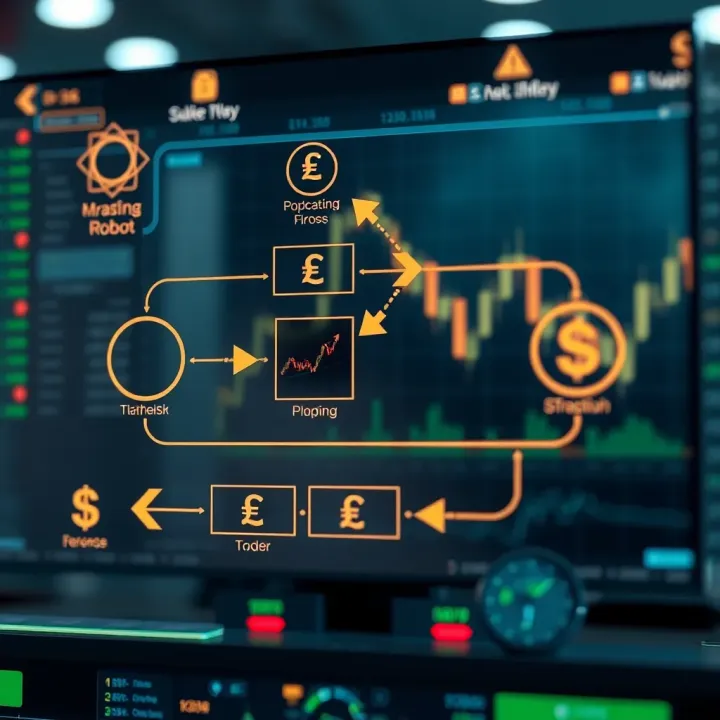
Using a forex robot can save time and reduce emotion-driven decisions, which often hurt traders new to the market. However, it is crucial to understand the risks and limitations of such tools, especially in Kenya's forex trading environment where market fluctuations can be swift and affected by local economic factors.
Forex robots are not magic; they automate strategies but don’t guarantee profits. Careful strategy testing and risk management remain key.
Some advantages Kenyan traders get from forex robots include:
Access to 24/7 trading even when away from their computer
Speedy execution of trades to capture fleeting market opportunities
Reduction of emotional mistakes like panic selling or hesitation
However, some pitfalls to watch out for:
Overreliance on the robot without understanding underlying strategies
Possible losses if the robot’s algorithm isn’t well-suited to current market conditions
Less control over trades if the robot is left to run unattended for too long
To make the most of forex trading robots, Kenyan traders should:
Backtest the robot’s strategy using historical market data to assess performance.
Start with small amounts of capital to limit losses while gaining familiarity.
Combine the robot's signals with their own analysis, especially during volatile periods.
Monitor the robot’s performance regularly and adjust parameters as needed.
By learning how forex robots work and applying them thoughtfully, traders in Kenya can enhance their trading toolkit and navigate the currency markets more confidently.
Knowing how forex trading robots work gives traders a heads-up on what to expect and how best to leverage these tools. In Kenya’s forex scene, where many want to balance trading with other hustles, these robots offer automation that can save time and reduce guesswork. Yet, it's crucial to understand their mechanics and limitations before diving in.
A forex trading robot, often called an Expert Advisor (EA), is a software program designed to automatically analyse forex markets and execute trades based on predefined rules. These robots scan currency pairs for trading opportunities using indicators like moving averages, RSI, or price action, all without needing human involvement at every step. For example, a robot programmed to trade the USD/KES pair might open a buy position once certain moving averages align and close it when set profit targets are hit.
Unlike manual trading where decisions are emotions-driven or time-consuming, forex robots stick strictly to their programmed strategy, no matter market mood swings or personal biases. Many Kenyan traders use these especially when they can’t watch charts all day due to work or other commitments.
Forex trading robots connect to trading platforms—such as MetaTrader 4 (MT4) or MetaTrader 5 (MT5)—widely used in Kenya to access live market data. Once live, they monitor price movements and other signals continuously. When conditions set in the strategy hit, the robot automatically sends orders to the broker’s server. This can mean buying, selling, setting stop-loss, or take-profit levels.
For instance, if the robot detects a breakout above a resistance level on EUR/USD, it might instantly enter a buy trade without any human delay. This speed reduces the chance of missing profitable trades, especially in volatile markets like forex. Also, since the robot works 24/7 (as long as your computer or VPS hosting it is online), it can catch opportunities even when you’re asleep or away.
Automated trading is about speed, consistency, and sticking to a plan without distractions. However, a trader must still understand how the robot operates because no software adapts perfectly to all market shifts.
In summary, forex robots in Kenya offer a way to trade currency pairs automatically by following specific instructions coded in their software. Traders benefit from automation but need to keep an eye on their robot’s activity to ensure its strategies remain effective amidst market changes.
Forex trading robots offer a mix of practical benefits and some risks Kenyan traders must understand before relying on them. These automated systems can ease trading by handling routine tasks efficiently but also demand cautious use to avoid pitfalls common in unpredictable markets. Knowing the strengths and weaknesses helps traders use these tools effectively while protecting their investments.
Forex robots can quickly scan multiple currency pairs and analyse huge amounts of market data in seconds, something that would take hours for a human. For Kenyan traders juggling other jobs or business responsibilities, this cuts down the heavy lifting required in chart reading or indicator monitoring. Imagine a trader in Nairobi who otherwise would spend the night tracking forex news and technical signals – a reliable robot can handle these tasks nonstop, freeing up time for other activities.
Once a trading signal is generated, robots place orders instantly without hesitation, unlike humans who may delay or second-guess. This speed is especially useful during volatile sessions when market prices swing quickly. For example, during the London or New York sessions when forex volatility peaks, a robot can enter or exit positions milliseconds faster, potentially securing better prices on trades, which manual trading might miss.
Fear and greed often cloud judgment, causing traders to hold losing trades out of hope or exit winners too early. Robots follow predefined rules strictly, removing emotional responses that lead to poor decision-making. A Kenyan trader prone to panic during sudden market dips can benefit from automation that sticks to the strategy, preventing rash actions that might drain capital.
Putting blind trust in a forex robot without knowing how it works is risky. Some traders buy ready-made robots promising huge profits without testing or understanding their strategies. This can lead to losses if market conditions change or if the robot isn’t suited to the trader’s goals. For instance, a robot optimised for trending markets may perform badly during sideways or choppy Kenyan forex market phases.
Robots depend on technology – internet connection, power supply, and broker platform stability. Interruptions can cause missed trades or errors. Kenyan traders experiencing frequent power cuts or unstable internet in rural areas may find their robots underperforming. A software bug or incorrect update can also cause unexpected losses if not monitored closely.
Market dynamics often shift due to news, economic data, or geopolitical events. Many robots rely on fixed algorithms designed for past patterns, which may fail during unexpected events like Central Bank of Kenya rate announcements or global crises. Hence, a robot that performed well last month may suddenly start losing money, requiring traders to monitor and adjust settings regularly.
Automated forex trading tools are helpful, but they aren't magic. Kenyan traders should combine them with solid market knowledge and good risk management to protect their capital and improve their chances of success.
Choosing the right forex robot is a key step for any Kenyan trader hoping to automate their currency trades successfully. Not all robots deliver on their promises, and picking one without careful consideration can lead to losses instead of gains. Selecting the right robot means looking beyond flashy claims to understand how well it actually works in conditions similar to the Kenyan market and your personal trading style.
Trustworthy forex robots come with transparent performance records that you can verify independently. Before committing real KSh, check for verified trading results over a reasonable period—ideally six months or more. Be cautious of results that show unrealistically steady profits without any losses; markets are volatile and losses are part of trading, even for robots.
For instance, a forex robot claiming consistent monthly profits of 10% without any dipping periods should raise red flags. Also consider the reputation of the provider—look for genuine user reviews, expert critiques, and whether the robot has been tested on reliable platforms like MetaTrader 4 or MetaTrader 5, which are well-known in Kenya.
Not every forex robot works with all trading platforms. Most Kenyan traders use MetaTrader 4 or 5 because these platforms support a vast ecosystem of robots and offer user-friendly interfaces. Before buying or installing a robot, confirm it supports your chosen platform fully.
Some brokers may also offer their own platforms with slightly different requirements, so make sure the robot can integrate smoothly. For example, a robot designed for MetaTrader might not work on cTrader or proprietary broker platforms. Besides platform compatibility, also check how well the robot handles connectivity issues common in Kenya, like occasional internet disruptions, to avoid trade failures.
Remember, even the best robot can fail if it doesn't match your trading platform or if it's not suited to local internet reliability.
In summary, your choice of a forex trading robot should be guided by clear evidence of credible performance and seamless compatibility with the platforms popular among Kenyan traders. Taking these steps helps reduce risks and builds confidence that the robot can work well within your trading setup.
Using forex trading robots in Kenya offers a convenient way to automate trades, but safety must never be overlooked. Proper use helps you avoid unnecessary losses and ensures the robot complements your trading style and market experience. This is especially important here, where market conditions can change quickly and brokerage options vary widely.
One major reason traders run into trouble with forex robots is expecting them to deliver consistent profits without any input or risk. A robot is only as good as its programming and the data it uses. It won't predict sudden market changes, like a surprise government policy or a currency crisis. Kenyan traders should view robots as tools that assist trading, not magic profit machines. For example, during the Kenyan Shilling’s volatility against the US Dollar in recent years, no robot could have fully shielded traders from losses without solid risk management.
Setting realistic goals means understanding that losses can happen even with automation. It’s wise to start by using robots on a small scale while you learn their behaviour, adjusting settings to local market quirks and your risk hunger.
Before investing real money, use demo accounts to run the robot under simulated market conditions. This step is crucial for Kenyan traders who may be new to both forex and automation. Demo accounts let you test how the robot handles Kenyan market hours, currency pairs like KES/USD or KES/EUR, and typical volatility without risking your savings. It also provides a chance to tweak settings based on observed performance. For instance, if a robot tends to take many losses during Kenya’s lunchtime lull, you can adjust your strategy accordingly.
Even after moving to a live account, keep an eye on the robot’s trades daily. Markets don’t stay the same—economic events, geopolitical developments, or even broker server changes can affect how the robot performs. In Kenya, regulatory changes or announcements from CBK can shift market direction quickly. Monitoring helps you catch if the robot starts to underperform or act outside your risk tolerance. It’s like checking your vehicle’s speed and fuel; unattended issues can cause serious damage over time.
Automated trading can sometimes execute more trades than you expect, especially in volatile sessions. To prevent significant drawdowns, set stop-loss orders on every trade. This limits how much you lose if the market suddenly moves against you. Additionally, limit how much of your capital the robot can use at once—don’t put all KShows into a single strategy or pair. For example, if you have KS0,000, you might restrict the robot to only use KS0,000 at any time. This spreads risk and protects your funds from large swings.
Remember, the robot should help you trade smarter, not risk your entire portfolio blindly.
Combining these safety practices helps Kenyan traders use forex robots confidently without overexposing themselves to risk. It keeps trading disciplined, which is often the difference between success and failure in this fast-moving market.
When dealing with forex trading robots in Kenya, understanding the legal landscape is key. Since these automated tools are directly connected to financial transactions, Kenyan traders must ensure their activities align with regulations set by local authorities. This protects their investments and helps avoid penalties or unexpected disruptions.
Kenya does not yet have specific laws purely dedicated to automated forex trading or robots, but such activities fall under the broader umbrella of financial market regulation. The Capital Markets Authority (CMA) is the primary regulator overseeing forex trading within Kenya.
Traders should note that the CMA requires all forex brokers offering services to Kenyan clients to be licensed and compliant with Kenyan law. Using forex robots with unregulated brokers can expose traders to risks such as fraud or loss of funds. Moreover, any automated system must respect anti-money laundering (AML) rules and know-your-customer (KYC) policies enforced by brokers. For example, a Kenyan trader using a forex robot through an international broker might find themselves at risk if the broker isn’t registered with CMA or operates outside established standards.
Besides, automated trading strategies must not manipulate the market or create unfair trading conditions, as these can breach CMA’s codes of conduct. While there isn't direct legislation criminalising the use of forex robots, traders must ensure their use remains within ethical and legal standards to avoid regulatory scrutiny.
For Kenyan traders, selecting a regulated broker is a practical way to safeguard their forex trading activities with robots. Brokers licensed by the CMA undergo checks to confirm their financial stability, transparency, and adherence to trading rules. This means the chances of sudden broker shutdowns or exit scams reduce significantly.
Regulated brokers offering platform compatibility with Forex Expert Advisors (EAs) and other robots provide a smoother trading experience. Platforms like MetaTrader 4 or MetaTrader 5 are popular in Kenya and widely accepted by authorised brokers. Choosing a broker that supports these means your trading robot can function without technical hitches, with full access to account management tools.
Here are some tips when picking a broker:
Confirm the broker holds a valid CMA licence.
Verify customer feedback and track record within the Kenyan market.
Check if the broker supports demo accounts for testing your robot.
Ensure the broker provides clear terms on withdrawal, deposits, and charges.
Trading through regulated brokers reduces the risk of losing your savings to fraud or unstable platforms. This makes them ideal partners for automated forex trading in Kenya.
Adhering to these legal and regulatory guidelines ensures that Kenyan traders using forex robots can focus on strategy and execution without worrying about compliance issues or losing money to unscrupulous operators. Always take time to verify both your robot’s provider and broker’s standing before committing real capital.
📈 Master forex trading with strategies tailored for Kenyan traders. Learn risk management, analysis techniques, and top tools to boost consistent success!

📚 Discover essential forex trading books for Kenyan traders! Learn technical skills, psychology, strategy, and tips to boost your forex confidence and success.
Explore forex trading basics tailored for Kenyan beginners 🇰🇪. Learn how the market works, key strategies, tools, and risks to trade confidently 💹.
📊 Learn to spot key forex chart patterns and use them effectively in your trading strategy. A clear, practical guide for Kenya’s forex traders.
Based on 9 reviews