

Top Forex Trading Books for Kenyan Traders
📚 Discover must-read books on forex trading in Kenya! Learn strategies, risk management & market insights to boost your trading skills and confidence. 💹
Edited By
James Whitaker
Forex trading is becoming increasingly popular among Kenyans looking to diversify income or invest beyond traditional avenues like stocks or real estate. Essentially, forex (foreign exchange) trading involves buying and selling currencies against one another. The goal is to profit from the fluctuations in exchange rates.
In Kenya, the forex market operates largely online through platforms that connect global currency markets. Trading volumes are high because the forex market runs 24 hours a day, five days a week, allowing Kenyan traders to participate at times that suit them. Common currency pairs traded here include USD/KES, EUR/USD, GBP/USD, and USD/JPY.

Understanding how forex trading works locally means recognising key factors such as the role of the Capital Markets Authority (CMA), which licenses brokers operating in Kenya. This ensures that traders deal with regulated entities, thereby reducing risks like fraud or scams that sometimes occur with unlicensed players.
Popular trading platforms available in Kenya include MetaTrader 4 and 5 (MT4/MT5), cTrader, and proprietary apps from brokers like Avatrade Kenya or HotForex Kenya. These platforms typically allow payments through M-Pesa, easing deposits and withdrawals for local users.
Forex trading requires a good grasp of market trends, risk management, and reliable broker choices. It is not a guaranteed way to make quick money — caution and learning are essential.
To start trading, one usually needs to:
Open an account with a licensed broker from Kenya
Deposit funds using convenient payment methods like M-Pesa or bank transfer
Use demo accounts first to practise without risking real money
Familiarise with trading tools and analysis techniques specific to forex markets
Risk is significant in forex, especially with leverage, which allows you to control large positions with small capital but can also wipe out your money quickly. Hence, understanding leverage limits set by CMA and practising responsible trading approaches are vital.
Knowing the interaction between local economic indicators affecting the Kenyan shilling (like inflation rates, CBK policies, or export figures) and global factors helps traders make educated decisions.
With this foundation, you can better appreciate the nuances of forex trading in Kenya and prepare yourself for the practical steps ahead.
Knowing the basics of forex trading is the first step for anyone serious about entering this fast-moving market. It helps you grasp how currencies are bought and sold, the key players involved, and the risks to watch out for — all critical if you want to trade sensibly in Kenya's unique economic environment. Without this foundation, you could easily get lost in jargon or fall victim to common pitfalls.
Forex trading involves buying one currency while simultaneously selling another. Traders aim to profit from fluctuations in exchange rates between currency pairs. For example, if you buy the USD/KES pair, you’re essentially betting the US dollar will strengthen against the Kenyan shilling. This market operates 24 hours, catering to a wide variety of participants.
Currency pairs always come in units like EUR/USD or GBP/JPY, where the first currency is called the base, and the second the quote. The price shows how much of the quote currency you need to buy one unit of the base currency. Understanding this is crucial because your profit or loss depends on these exchange rate movements.
Exchange rates themselves reflect the value of one currency compared to another, influenced by factors like trade balances, interest rates, political stability, and economic data. For instance, if Kenya reports better-than-expected GDP growth, the Kenyan shilling might strengthen, affecting pairs like USD/KES. Monitoring these rates is key because they dictate the entry and exit points for trades.
The forex market is the largest financial market globally, with daily volumes exceeding $6 trillion. Major players include banks, multinational corporations, hedge funds, central banks, and retail investors in Kenya and beyond. Each player has different motives: banks trade for liquidity, corporations hedge currency risk, and individuals seek profit.
One notable feature is its continuous operation across major time zones—Sydney, Tokyo, London, and New York—allowing liquidity virtually all day. Liquidity means you can buy or sell currencies quickly without large price changes. This is particularly useful for Kenyan traders, who might trade after work hours or during specific market sessions when liquidity is highest.
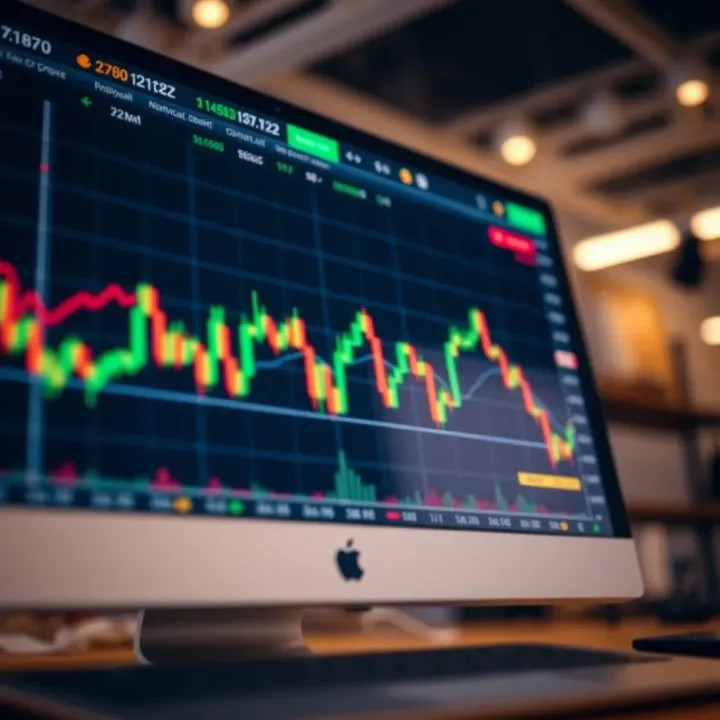
Trading strategies vary widely, but most fall into technical analysis, fundamental analysis, or a mix of both. Technical traders use charts and patterns to predict price moves, while fundamental traders watch economic news like CBK announcements or US Federal Reserve decisions. For example, a trader in Nairobi might monitor inflation reports in Kenya to inform decisions on the KES's strength.
Understanding these essentials will help you navigate forex trading effectively, avoiding mistakes and spotting better opportunities in the Kenyan and global markets alike.
Understanding the forex trading environment in Kenya is essential for anyone aiming to trade successfully within the local market. This environment is shaped not just by global market forces but also by Kenyan-specific factors such as regulatory oversight, available trading platforms, and payment methods. These elements affect how traders operate, the costs they encounter, and the risks they face.
The Capital Markets Authority (CMA) plays a central role in supervising forex trading activities in Kenya. It ensures brokers operate within legal boundaries to protect investors from fraud and market abuse. For example, brokers licensed by the CMA have to meet strict capital requirements and maintain transparent operations, which gives traders some assurance of safety.
Compliance with CMA regulations isn’t just a box-ticking exercise; it fundamentally impacts your trading experience. Compliant brokers offer better customer protection, dispute resolution channels, and clearer contract terms. Non-compliance often signals higher risks, including unregulated brokers who may suddenly close shop or refuse withdrawal requests.
Common scams in the Kenyan forex space include promises of guaranteed profits, pyramid schemes disguised as trading platforms, and unverified brokers charging hidden fees. Avoiding these scams means sticking to CMA-licensed brokers, researching their background thoroughly, and never giving out your personal details or funds to unverified sources. For instance, always double-check the CMA’s official list of licensed brokers before opening an account.
Top brokers serving Kenyan traders typically offer platforms like MetaTrader 4 (MT4) or MetaTrader 5 (MT5), known for their user-friendly charts and technical analysis tools. Other features to watch for include competitive spreads, fast execution speeds, and local customer support. Firms such as HotForex, FXPesa, and Exness have built reputations locally by catering specifically to Kenyan traders’ needs.
Account types vary from micro accounts suited for beginners who want to trade with small amounts, to standard and premium accounts for more experienced traders seeking higher leverage and more features. Minimum deposits can range from as low as KSh 500 to higher amounts like KSh 50,000 depending on the broker. This flexibility allows traders to start small and grow gradually without risking large sums upfront.
Integration with M-Pesa and other local payment methods is a game changer for Kenyan traders. M-Pesa allows deposits and withdrawals directly from mobile phones without the hassle of banks, which can be slow or expensive. Many brokers also accept bank transfers and cards, but M-Pesa remains the most convenient and widely used method. This local integration means faster account funding and withdrawal, which is crucial for timely trade execution and cash management.
For Kenyan traders, choosing the right broker means balancing regulation, platform features, account options, and payment convenience to maintain a safe and efficient forex trading experience.
Before you start trading forex in Kenya, it's vital to understand the steps involved in opening a trading account and the essential tools and strategies you need. Getting started on the right foot can help you avoid common pitfalls, manage risks properly, and build confidence as you navigate the forex market.
Documentation requirements: To open a forex trading account in Kenya, you typically need to provide a valid national ID or passport and proof of residence such as a utility bill. These documents verify your identity and help brokers comply with regulations set by the Capital Markets Authority (CMA). Some brokers may also request a tax P10 or KRA PIN for tax reporting purposes. Having these papers ready speeds up the registration process and ensures you can start trading without unnecessary delays.
Verification processes: Brokers usually perform a Know Your Customer (KYC) check to verify the documents submitted. This step is crucial to prevent fraud and money laundering. Verification can take from a few hours to a couple of days depending on the broker’s system. Once verified, your account gets activated, allowing you to fund it and access the trading platform. The smoother this process, the faster you can trade, so choose brokers known for quick and transparent verification.
Choosing the right broker: Selecting a reliable broker means checking their CMA licence, user reviews, and platform features. A good broker offers transparent fees, reasonable minimum deposits (often from KSh 1,000), and accepts local payment options like M-Pesa for convenience. For example, a broker integrating M-Pesa allows real-time deposits and withdrawals without extra cost or delays common with international transfers. Also, consider brokers offering customer support in English and Kiswahili, which is helpful for local traders.
Technical vs fundamental analysis: Technical analysis focuses on price charts, trends, and indicators to predict future movements. It suits traders watching short-term price action, which is handy during Kenya’s active trading hours. Fundamental analysis studies economic news, interest rates, and geopolitical events. For instance, news about CBK’s policy rate changes can affect the Kenyan shilling's value significantly. Knowing when to follow technical signals or fundamental news helps you make timing decisions that match your trading style.
Risk management basics: Managing risk means limiting losses and protecting your trading capital. Beginners should never risk more than 1–2% of their account on a single trade. Using tools like stop-loss orders automatically closes your trade at a preset loss level, preventing big declines. For example, if you enter a trade with KSh 10,000, setting a stop loss at a KSh 200 loss limits the damage. Sound risk management keeps you in the game longer and helps avoid emotional decisions during market swings.
Demo accounts and practice trading: Before risking real money, try demo accounts provided by most brokers. These accounts simulate live trading with virtual funds, so you can practise strategies without losses. For example, a trader in Nairobi can use a demo account to test how leverage works or how economic calendar events impact currency prices. Practising regularly builds discipline and helps you understand platform tools, improving real trading outcomes.
Starting forex trading in Kenya requires more than just an internet connection; it demands preparation, the right tools, and a disciplined approach. Taking time to open and verify accounts properly, choosing trustworthy brokers, and learning to use analysis and risk controls can make a significant difference to your trading success.
Trading forex in Kenya presents unique risks and challenges that every trader should understand before committing capital. Knowing these pitfalls helps you protect your money and navigate the market more wisely. This section outlines main risk factors and actionable strategies to manage them effectively.
The forex market is known for its rapid price swings that can either multiply profits or wipe out investments in moments. Due to leverage—trading with borrowed money—small price movements get amplified. For example, using 100:1 leverage means a 1% market move can translate to 100% gains or losses. While leverage lets traders control larger positions with less capital, it also exposes them to significant losses if the market turns against them quickly. Many novice traders in Kenya have lost substantial sums by over-leveraging and failing to monitor positions closely.
Emotions like fear and greed heavily affect trading decisions. A trader may hold losing positions too long hoping for a turnaround or exit profitable trades too early out of anxiety. This behaviour, often called “emotional trading,” leads to inconsistent results. For instance, after suffering a loss, some might impulsively increase trade size to recover losses quickly, often worsening their position. Maintaining discipline and a calm mindset is challenging but essential to avoid impulsive mistakes that drain capital.
Forex scams continue to be a major issue in Kenya's market. Some brokers operate without proper licences from the Capital Markets Authority (CMA), offering misleading promises of guaranteed profits. These brokers may manipulate prices, delay withdrawals, or even disappear with clients' funds. The popularity of online forex platforms makes it easier to fall victim. Traders should therefore only deposit money with CMA-registered brokers and verify their credentials to avoid losing their entire investment to fraud.
A stop-loss order automatically closes a trade when the price hits a set level, limiting potential losses. This tool is crucial in a volatile forex market, protecting your capital without requiring constant monitoring. For example, if you buy the USD/KES pair at 120 and set a stop-loss at 118, your position will close once the price falls to 118, capping your loss. Stop-loss orders help avoid emotional decision-making by defining upfront how much you’re willing to risk.
Having a clear trading plan with entry and exit rules prevents impulsive decisions driven by market noise or excitement. A good plan outlines how much capital to risk per trade, which currency pairs to trade, and acceptable market conditions. Kenyan traders who follow their plan tend to manage risk better and avoid chasing losses or random trades. Discipline in adherence builds consistency, a key ingredient for long-term success.
The forex market is dynamic. Keeping up to date with global economic news, central bank announcements, and political developments affecting currency values reduces surprises. Furthermore, continually reviewing your trades helps identify mistakes and improve strategies. utilisation of demo accounts for testing, attending webinars, or joining trading communities in Kenya can deepen your understanding. The more informed you are, the better you can adjust to market changes and protect your investment.
Successful forex trading in Kenya depends not only on knowing how the market works but also on recognising and managing the many risks involved. Prioritising risk control measures protects your hard-earned money and builds a stronger trading foundation.
📚 Discover must-read books on forex trading in Kenya! Learn strategies, risk management & market insights to boost your trading skills and confidence. 💹
Discover practical forex trading strategies tailored for Kenyan traders 🇰🇪. Learn key principles, analysis, risk management, and mindset tips for success 📈💡
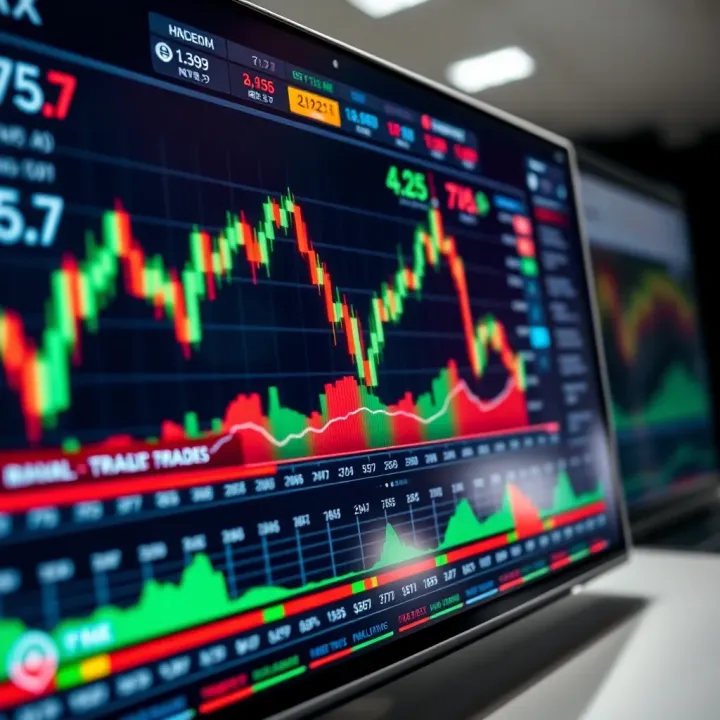
🔍 Discover how Kenyan forex traders can pick the perfect trading platform by comparing security, fees, usability, and features tailored to your needs.
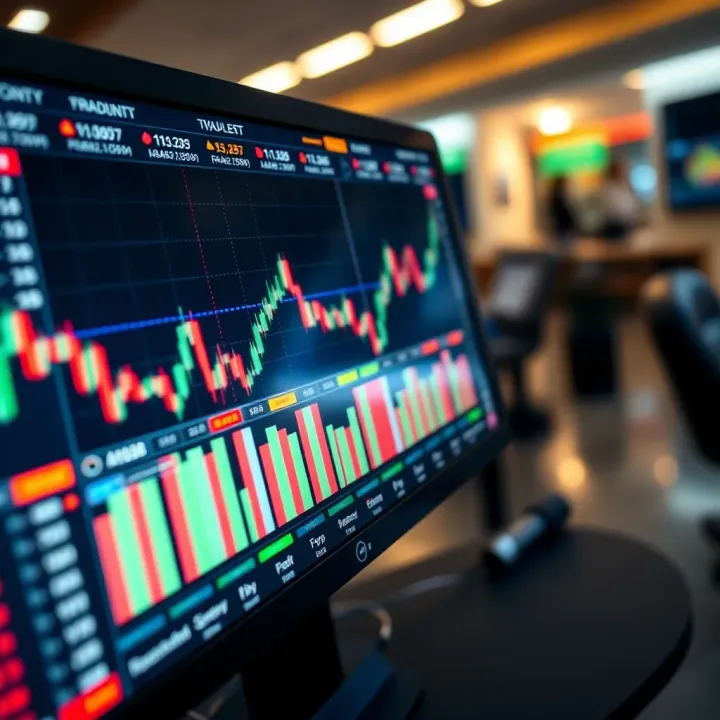
Explore top forex trading platforms in Kenya with features, regulations, and tips for safe trading. Find your best fit and trade confidently! 📈💡🇰🇪
Based on 10 reviews