
Best Forex Trading Platforms for Kenyan Traders
Explore top forex trading platforms in Kenya with features, regulations, and tips for safe trading. Find your best fit and trade confidently! 📈💡🇰🇪
Edited By
Henry Foster
When it comes to forex trading in Kenya, knowing how to log in and use trading platforms efficiently is the first step towards successful investing. These platforms give you access to global currency markets, but without the right approach, you might struggle or, worse, expose your account to risks.
Logging in safely is crucial. Many Kenyan traders face problems like login errors, forgotten passwords, or even falling victim to phishing attempts. To avoid this, always access your platform through its official website or mobile app. Avoid clicking links from unknown sources, especially in emails or messages.
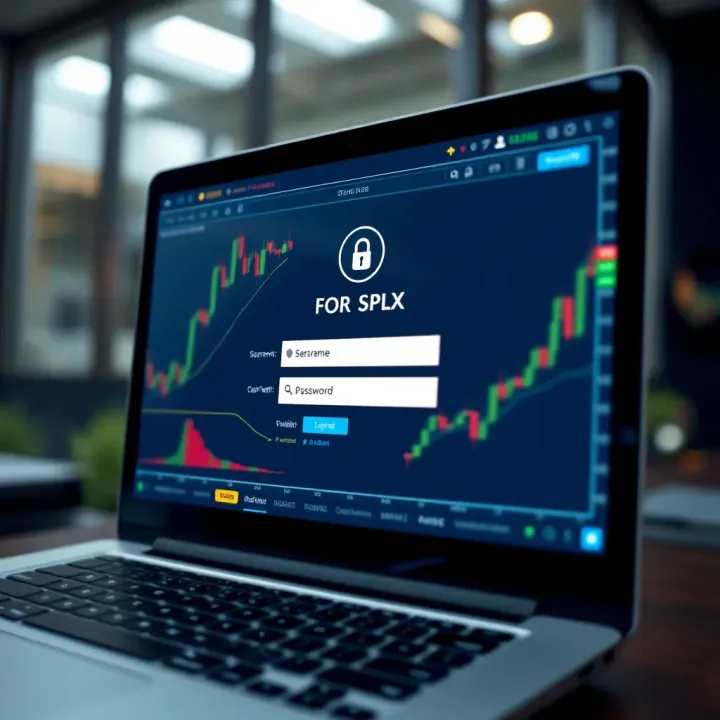
Once logged in, understanding the platform's features is key. Most platforms show live exchange rates, charts, order types, and historical data. Using these tools wisely helps you make informed decisions. For instance, Safaricom’s M-Pesa integration on some platforms makes depositing and withdrawing funds straightforward, saving you time and hassle compared to bank transfers.
Managing your account well means regularly updating your security settings. Enable two-factor authentication (2FA) if available. This extra layer beyond a username and password protects against unauthorised access. Also, monitor login activity and alert your broker immediately if you notice anything suspicious.
Common issues during login include forgotten passwords or locked accounts due to multiple failed attempts. Brokers typically provide a “Forgot Password” option where you can reset via your registered email or phone number. If you hit a dead end, customer support is your lifeline. Kenyan brokers and international ones with Kenyan presence usually offer chat, email, or call support.
Selecting a trusted broker is just as important. Look for those licensed by the Capital Markets Authority (CMA) Kenya to ensure they follow local regulations. Reputable brokers maintain transparent platforms and fair trading conditions, making your login experience more reliable.
Always remember: Your account credentials are like keys to your forex wallet. Guard them as you would your physical money.
In summary, start your trading journey by accessing platforms through official means, secure your login credentials, understand the tools at your disposal, and partner with trustworthy brokers. This approach will save you time, stress, and possibly KSh losses on your forex trading adventure.
Grasping how forex trading platforms work is vital for anyone serious about trading currency pairs effectively. These platforms are the bridge between you and the global forex market, offering tools to spot trading opportunities, analyse charts, and place orders. If you don’t understand the platform, you risk missing critical market moves or making costly mistakes.
For example, a Kenyan trader using an outdated or unfamiliar platform might struggle to react quickly to sudden changes in the USD/KES rate, potentially losing an advantage. Knowing what the trading platform offers helps you choose one that fits your style and gives you the edge needed in the fast-moving forex world.
A forex trading platform is software that lets you buy and sell currencies through a broker. It connects you to the market in real time and provides information about prices, news, and charts. The platform’s purpose is to simplify the process of trading forex and make it accessible anywhere, anytime.
Simply put, it’s your workplace for forex trading. Just like a driver needs a car to move around, you need a platform to trade currencies efficiently. Without it, you wouldn’t see price changes or execute transactions properly.
Kenyan traders often prefer platforms like MetaTrader 4 (MT4) and MetaTrader 5 (MT5) due to their reliability and user-friendly nature. These platforms support automated trading and provide extensive charting options. Other platforms gaining popularity include cTrader and proprietary apps from brokers like FXPesa and Exness Kenya.
Choosing a familiar platform used widely in Kenya also means easier access to local support and tutorials tailored to the Kenyan market. This local angle helps new traders feel more comfortable and informed.
Reliable real-time price updates are key for making timely decisions. Forex prices shift every second, so a delay can mean missed profits or increased losses. Platforms like MT4 use fast servers to deliver instant price changes so traders can react immediately.
In practice, this feature allows you to enter or exit a trade at the right moment. For instance, if the US dollar strengthens suddenly against the Kenyan shilling, an up-to-date price feed lets you take advantage before others do.
Charts help you see how prices move over time. Good platforms offer various charts—line, bar, and candlestick—which show historical data and current trends clearly. You can apply indicators like Moving Averages, RSI, or Bollinger Bands to help predict future price moves.
Kenyan traders benefit from charting to manage the volatile forex market actively. By detecting patterns in the USD/EUR or GBP/USD pairs, for example, they can plan entries and exits better, reducing guesswork.
The strength of a trading platform lies in how quickly and accurately it executes your orders. Whether you place a market order, limit order, or stop loss, the platform must process it without delay or error.
A platform with robust execution means your trade happens at the price you expect, avoiding slippage especially during high volatility. For Kenyan traders dealing with liquid pairs, this ensures trades reflect actual market conditions reliably.
Understanding these features lets you pick a platform that suits your trading goals and keeps you competitive in the forex market.
Choosing the right platform and mastering its features will help maximise your chances for success on forex markets both in Kenya and beyond.
Knowing how to log in to your forex trading account correctly is the first step to smooth and secure trading. This process sets the foundation for managing your trades without unnecessary interruptions or security risks. Kenyan traders must follow these steps carefully, especially since most brokers enforce strict compliance rules, including identity verification. Skipping any part may lock you out or delay access to your funds.
The first step is creating an account with a trusted forex broker. Most brokers serving Kenyan traders have straightforward online registration forms. You will provide your personal details such as full name, email address, phone number, and sometimes your KRA PIN for tax purposes. Ensure you pick a broker licensed by the Capital Markets Authority (CMA) to avoid scams.
For example, if you're registering with a broker like HotForex or XM, the process involves filling out a form, agreeing to terms, and then setting your trading preferences. This step is crucial because it sets up your digital identity within the broker’s network, allowing you to access their platform.
Almost every regulated broker requires identity verification before fully activating your account. This step complies with Anti-Money Laundering (AML) policies. You'll be asked to upload documents such as your national ID or passport, proof of address (like a utility bill), and sometimes a selfie for facial recognition.
Submitting these documents promptly prevents delays when you eventually want to deposit or withdraw money. For instance, on the XM platform, the approval usually takes 24–48 hours after submitting documents. Keep scanned copies ready and ensure they are clear to avoid back-and-forth with customer support.
Most brokers offer multiple ways to access their trading platforms. For desktop users, installing software like MetaTrader 4 or 5 gives a full-featured experience with detailed charting and analysis tools. Mobile trading apps, available on Android and iOS, provide flexibility to trade on the go, especially useful in Kenya where movement and internet strength vary across regions.
For example, if you use the KCB M-Pesa service alongside a broker's mobile app, you can quickly manage deposits and trades even while waiting in a matatu. Choosing between desktop or mobile access depends on your trading style and convenience.
Your login credentials are the basic gatekeepers. After successful registration, your broker provides a username and password. Always double-check that you enter these correctly, especially since most platforms lock accounts after multiple failed attempts to protect against brute-force attacks.
It's good practice to use a secure password manager to remember credentials, especially if you trade across multiple platforms. This avoids the hassle of repeated password resets which can interrupt trading.
Two-factor authentication (2FA) adds an extra layer of security beyond just username and password. Once enabled, after entering your login details, the platform will prompt you to enter a code sent to your mobile phone or generated by an authentication app like Google Authenticator.
In Kenya, where cyber threats and phishing attempts are common, 2FA helps keep your account safe from unauthorised access. Many brokers recommend setting up 2FA immediately after account creation. For instance, FXTM and IC Markets have simple 2FA setup guides on their websites to help Kenyan traders.
Securing your forex account isn’t just about a password—it’s about layering protection that prevents loss of your hard-earned KSh.
Following these steps carefully will give you a strong start in forex trading. You’ll avoid common pitfalls and keep your account secure while accessing powerful tools for trading success.
Troubleshooting login issues is a key skill for traders who want to avoid interruptions when accessing forex trading platforms. These platforms power real-time decision-making, so being locked out or encountering connection problems can result in missed opportunities or exposure to market risks. Understanding how to quickly resolve common login challenges ensures you stay in control of your trades and reduces downtime.
Resetting your password is often the simplest way to regain access if you forget your credentials. Most forex platforms provide a "Forgot Password" option on the login page, which sends a reset link or code via email or SMS. It’s vital to check your spam folder or phone message history, since sometimes these messages get misplaced. Using a secure, regularly updated email and mobile number helps this process run smoothly.
If the automated reset doesn't work, contacting customer support is the next step. Brokers typically offer support through live chat, email, or phone. When reaching out, have your account details and identification documents ready to verify your identity quickly. Support teams can also assist with unlocking accounts locked due to multiple failed login attempts or verify your identity when two-factor authentication (2FA) becomes a hurdle. For example, if the 2FA app on your phone malfunctions, support might guide you through secondary verification methods.
Stable internet connectivity is critical for accessing forex platforms seamlessly. If you experience login errors, first check your internet connection by visiting other websites or running a speed test. Poor connectivity, especially in areas with weak network coverage outside Nairobi or during adverse weather conditions, often causes timeouts or failed logins. Switching between mobile data and Wi-Fi may help isolate the issue.
Sometimes, browser cache and cookies can cause glitches with login pages, especially after platform updates. Clearing these stored files removes outdated information, allowing the platform to load fresh data. This step is even more relevant if you use shared or public computers, as residues from previous sessions may interfere with your login.
Finally, be aware of platform maintenance notices. Forex brokers periodically update their systems, which may temporarily disable login functions. These announcements usually come via email or on the broker’s notification centre. Checking these alerts beforehand saves time and frustration, as logged-in users can plan trades around downtime, while new sign-ins wait until the system is live again.
Staying ahead of login troubles means less time troubleshooting and more time focusing on market moves. Keep your contact details up to date, maintain good internet habits, and check for system updates from your broker regularly.
Keeping your forex trading login secure is vital to protect your investments and personal information. With cybercriminals targeting online trading accounts globally, even small lapses can lead to serious financial losses. By securing your login details carefully, you reduce the risk of unauthorised access and maintain confidence while trading.
Creating and managing passwords comes first in securing your forex account. Your password should be unique, combining letters, numbers, and symbols — avoid obvious choices like your name or birthdate. Using a password manager can help you create strong passwords and keep track without writing them down on paper or saving in plain text files. For instance, if you use "Tr@dingKs024!" instead of "password123", it becomes harder for thieves to guess.
Regularly change your password to keep ahead of hackers. Even if no breach has occurred, updating your details every few months is a good habit. Before changing, confirm the new password is different from the previous ones and store it securely. This ongoing maintenance stops persistent attackers from exploiting stolen info or guessing repeated passwords.
Setting up two-factor authentication (2FA) adds an extra security layer beyond your password. When logging in, after entering your credentials, you'll need to verify your identity with a code sent to your mobile or generated by an app. This step makes it much tougher for someone who only has your password to access your account. Most forex platforms, like XM or FXTM, support 2FA through Google Authenticator or similar apps.
Recommended security applications include Google Authenticator, Microsoft Authenticator, and Authy. These apps generate time-sensitive codes on your mobile device, reducing chances of interception online. Besides 2FA, some apps notify you of suspicious login attempts — handy for acting quickly if someone tries to hack you. Installing such apps aligns well with Kenya’s high mobile usage, enabling secure access wherever you trade.
Always enable every security option your forex platform offers. It's better to trade with peace of mind than risk losing your funds to avoidable threats.
Taking these steps ensures your forex trading experience is as safe as possible, letting you focus on analysing the markets rather than worrying about cyber risks.
Getting the most from your forex trading platform means tailoring it to fit your trading style and goals. Instead of just logging in and reacting to market movements, optimising your experience helps you stay ahead and make quicker decisions. For instance, by setting up useful alerts and personalising your workspace, you avoid missing critical price changes or trends in currency pairs you follow. This proactive approach can lead to better timing and more profitable trades.
Price alerts act as your personal messenger on the platform, notifying you when a currency pair hits a specific price level you are watching. For example, if you trade USD/KE, you might want an alert when it hits 110.50 or drops below 108.20. This saves you from staring at charts all day and lets you focus on other tasks or investments while staying in the loop. Most platforms allow you to set multiple alerts, which also helps manage risk by signalling when to consider taking profits or cutting losses.
Charts are the maps of forex trading, and personalising them turns those maps into reliable guides. You can adjust time frames, change chart types from line to candlesticks, or add technical indicators such as moving averages or RSI according to your strategy. Watchlists organise the currency pairs you trade or track, allowing quicker access and clear focus. Instead of scrambling to find your preferred pairs, a neatly arranged watchlist gives you instant updates, helping you respond swiftly to market movements.
Mobile forex apps give you the flexibility to trade anytime and anywhere, which is especially vital for active traders who cannot stay glued to a desktop. These apps typically include real-time price quotes, instant order execution, and access to technical charts. Notifications keep you informed about important market changes. Whether you're commuting in Nairobi's traffic or waiting at a boda boda stage, you can monitor your investments and tweak positions without delay.
Security should not be an afterthought when using mobile apps for trading. Always download trading apps from official broker websites or trusted app stores to avoid fake or compromised versions. Use strong unique passwords and enable two-factor authentication (2FA) on your mobile platform to protect your account from unauthorised access. Avoid public Wi-Fi when trading, as insecure networks can expose your login details. Instead, use secured mobile data or a reliable VPN if necessary.
Customising your platform and using mobile apps securely helps Kenyan traders stay nimble while protecting investments. Small adjustments and careful practices enhance both convenience and safety in forex trading.
Explore top forex trading platforms in Kenya with features, regulations, and tips for safe trading. Find your best fit and trade confidently! 📈💡🇰🇪
Discover how to pick the best forex trading platform in Kenya 🇰🇪. Learn about key features, regulations, fees, and expert tips for smarter trading.
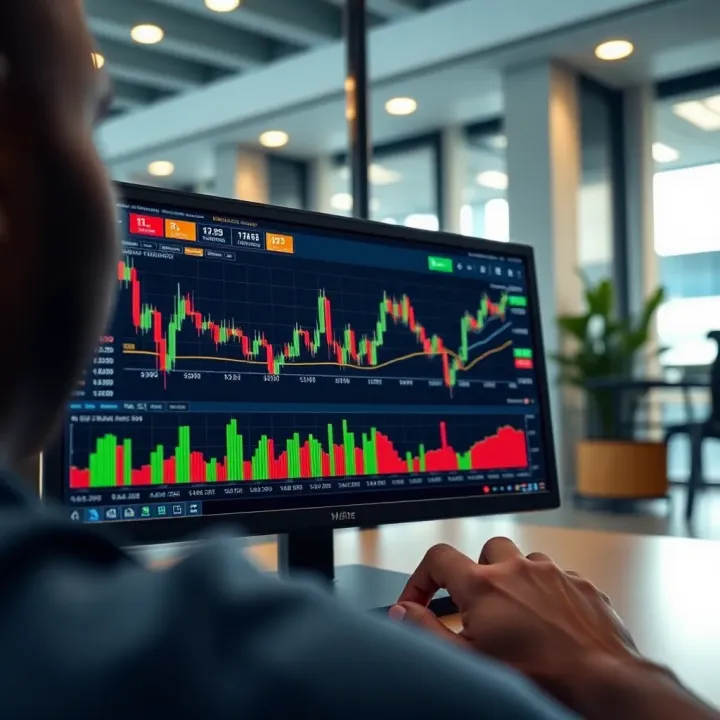
Discover the best forex trading platforms in Kenya 🇰🇪 with insights on security, fees, tools, and support to find one that suits your trading style perfectly 📊

📈 Discover how forex trading began centuries ago, evolving from simple currency swaps to Kenya's vibrant, tech-driven market today. Learn the history behind this global financial hub.
Based on 7 reviews