

Smart Binary Trading Tips for Kenyan Investors
📊 Discover practical binary trading strategies designed for Kenyan investors. Learn market analysis, risk management tips, and avoid common mistakes in trading.
Edited By
Laura Mitchell
In Kenya, conversations about gender are evolving, yet terms like non-binary woman remain less understood outside progressive circles. A non-binary woman identifies partly with womanhood but doesn't fully fit into traditional binary definitions of gender—meaning neither exclusively male nor female. This identity reflects the spectrum of gender experiences beyond the usual man-woman categories.
Non-binary women may express themselves with a mix of traditionally feminine traits and others that society might label masculine or neutral. For instance, a non-binary woman might prefer she/her pronouns but dress in a way that challenges typical expectations of women’s fashion in Nairobi’s urban centres. Another example is choosing hairstyles or mannerisms that combine elements not strictly tied to either gender.
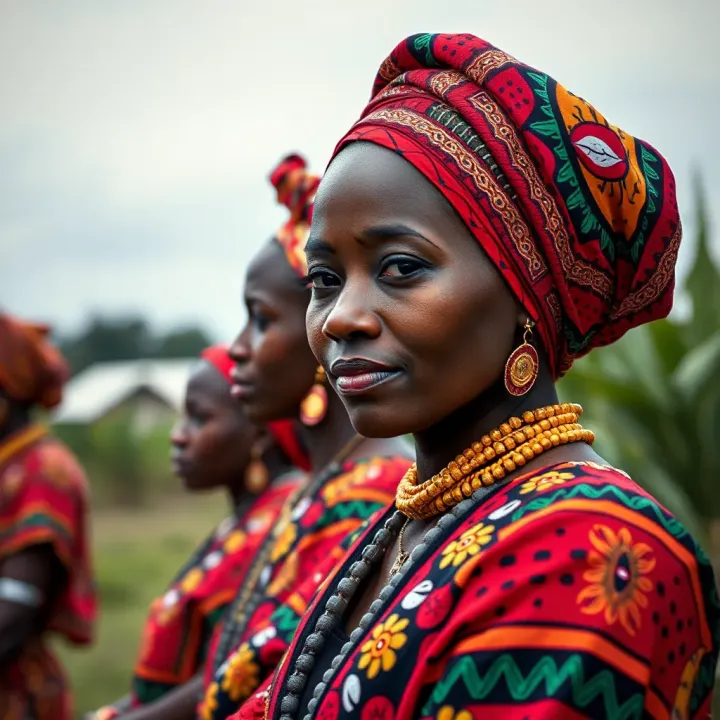
Understanding this identity is vital for appreciating Kenya's growing gender diversity and fostering inclusion in workplaces, schools, and communities.
The experiences of non-binary women in Kenya often include navigating misunderstanding or prejudice because local culture largely expects people to identify clearly as men or women. This can impact access to services, such as healthcare or legal documentation, where binary notions dominate. For example, filling forms that only allow "male" or "female" options leaves non-binary people excluded or forced to choose inaccurately.
Common challenges faced include social exclusion, difficulties obtaining gender-affirming services, and confronting biases within family or social groups. Yet, non-binary women also build supportive networks through grassroots groups and online platforms, discussing identity and sharing practical advice in ways that resonate locally.
For businesspeople and educators, recognising non-binary identities means adapting communication, policies, and support systems. Using inclusive language in corporate settings or schools—such as asking preferred pronouns or providing gender-neutral facilities—helps create spaces where non-binary women feel seen and respected.
Lastly, recognising the variety within non-binary experiences emphasises the value of listening directly to individuals instead of assuming one-size-fits-all definitions. This awareness promotes a more inclusive Kenya, where diverse gender identities can participate fully and openly.
Understanding what it means to be a non-binary woman is key to grasping the diversity within gender identities. This clarity helps avoid confusion and opens the door to respectful conversations and appropriate support. For example, investors and educators who engage with diverse teams or learners gain better insight into identity nuances, improving interaction and workplace inclusion.
The non-binary label covers identities that don't fit neatly into the traditional categories of male or female. This includes people who experience their gender as a mix of both, somewhere in between, or entirely outside these categories. The variation is broad: some might feel closer to masculinity, others to femininity, while some reject gender labels altogether. This diversity matters because recognising it ensures policies and support systems don't generalise but cater to specific needs.
How does the term 'woman' fit in here? A non-binary woman might identify partly with womanhood while also feeling beyond it. For instance, a person may prefer she/her pronouns but reject the full expectations that society places on women. This nuanced view is important for workplaces or social settings where rigid gender roles can create misunderstandings or barriers.
It’s crucial to distinguish non-binary women from transgender and cisgender women. A cisgender woman’s gender identity aligns with the sex assigned at birth. A transgender woman identifies as a woman but was assigned male at birth. A non-binary woman, meanwhile, doesn't fully identify as a woman in the traditional sense but still connects with aspects of womanhood. This difference matters practically, for example, when designing healthcare guidelines or anti-discrimination policies tailored to specific gender identities.
Common misconceptions about non-binary women include the belief that they are confused or just going through a phase. Some also wrongly assume non-binary means rejecting womanhood entirely, which is not always true. Addressing these misunderstandings prevents stigma and fosters more accurate recognition, so social and professional systems can offer genuine respect and appropriate resources.
Recognising the variety within non-binary identities and the place of womanhood within them promotes inclusion and makes workplaces and communities more welcoming.
Non-binary identities vary widely and are not one-size-fits-all.
A non-binary woman may use traditional pronouns but experience gender differently.
Understanding distinctions among gender identities aids in crafting better policies.
Dispelling wrong assumptions helps create respectful environments.

Defining what a non-binary woman means sets the stage for appreciating their experiences and supporting their inclusion, especially in Kenyan society where traditional gender roles still strongly influence daily life.
Non-binary women often face distinct experiences that shape their everyday lives, especially in societies where gender norms are strictly defined. These experiences affect personal identity, social interactions, and mental wellbeing. Understanding these realities provides insights into the challenges non-binary women encounter and the ways communities can offer support.
Personal expression and pronouns play a crucial role in affirming a non-binary woman’s identity. Unlike cisgender women, non-binary women may prefer pronouns beyond the traditional "she/her," such as "they/them" or other neopronouns like "ze/zir." Respecting these pronouns is more than politeness; it recognises their gender identity and fosters a sense of belonging. For instance, a non-binary woman working in Nairobi’s corporate sector might face daily misgendering if colleagues insist on using binary pronouns. Such persistent mistakes can be discouraging and undermine their confidence at work.
On top of that, personal expression goes beyond pronouns to include clothing, hairstyle, and mannerisms. A non-binary woman might blend masculine and feminine styles or choose outfits that defy societal expectations. This visible expression can invite questions or unwanted attention, but it also allows them to live authentically, which is vital for their self-respect and dignity.
Challenges with visibility and recognition remain a significant hurdle. Non-binary identities are often invisible or misunderstood in many Kenyan institutions and social settings. For example, official forms usually only provide male or female options, forcing non-binary women to pick inaccurately or skip the question entirely. This lack of recognition extends to healthcare, legal documentation, and social events, where their identity might be dismissed or questioned.
Such invisibility can lead to isolation or discrimination. A non-binary woman attending a community meeting in Kisumu might avoid sharing her gender identity to prevent misunderstanding or hostility. Public bathrooms, dress codes at work, and social expectations all represent daily barriers that non-binary women must navigate carefully.
Impact of social acceptance deeply influences the emotional wellbeing of non-binary women. Being accepted by family, friends, and the broader community reduces stress, anxiety, and feelings of alienation. Conversely, rejection or harassment can lead to depression or other mental health challenges. Studies in Kenya show that LGBTQ+ individuals often struggle with stigma, making the role of social support essential.
For example, a young non-binary woman in Nairobi’s jua kali sector who finds acceptance among close friends experiences better mental health than one facing family rejection. Emotional support networks, including peer groups or online communities, provide spaces where individuals can share experiences without fear.
Access to supportive mental health resources is another critical factor but remains limited in many Kenyan areas. Mental health services that understand gender diversity are scarce, and many healthcare providers lack training on non-binary identities. This gap means non-binary women might avoid seeking help or receive inappropriate care.
Creating specialised counselling services or training health professionals on gender inclusivity can improve mental health outcomes. NGOs and community-based organisations often fill this gap, but wider government support is needed for sustainable change. For instance, organisations like the Gay and Lesbian Coalition of Kenya (GALCK) offer some support, but coverage is limited outside major cities.
Respecting and recognising non-binary women’s identities in social and institutional spaces not only affirms their human dignity but also plays a vital role in supporting their mental health and daily wellbeing.
Understanding these experiences helps traders, educators, and policymakers to create more inclusive environments. Whether it is through workplace policies or community education, recognising the challenges non-binary women face is the first step to meaningful inclusion.
The social and cultural environment in Kenya significantly shapes the experiences of non-binary women. Understanding these contexts helps investors, traders, analysts, and educators grasp the challenges and realities faced by this community. The interplay between traditional values, religious beliefs, and legal frameworks influences how non-binary women navigate identity recognition, social acceptance, and legal protections.
Traditional views on gender roles in Kenya are deeply rooted in community customs where gender is typically seen as binary — male or female — with specific roles for each. For instance, many communities expect men to provide financially and women to manage the household and child-rearing. These predefined roles often clash with non-binary identities, which do not conform to this binary system. Consequently, non-binary women may face misunderstanding or rejection because traditional norms do not accommodate fluid or non-conforming gender expressions.
This cultural rigidity directly affects social interactions and opportunities. In business or market settings, for example, non-binary individuals might struggle to have their gender identity respected or acknowledged, leading to difficulties in networking or gaining trust. Recognising this reality is important for organisations aiming to be inclusive and for educators establishing gender-sensitive curricula.
Influence of religion and community norms also plays a substantial role. Many Kenyans practice Christianity or Islam, where conservative interpretations can discourage or condemn gender diversity beyond male and female categories. Church groups and mosques often serve as pillars of community life, reinforcing these beliefs and shaping public opinion on gender identities.
This religious backdrop can limit the social support available to non-binary women and increase stigma within communities. For example, non-binary individuals may hesitate to participate fully in communal events or religious activities to avoid discrimination. For those working in community development or advocacy, recognising the weight of religious views is key to effectively supporting non-binary people.
Current legal status regarding gender identity in Kenya does not clearly recognise non-binary identities. The constitution and other laws primarily account for male and female genders. Official documents like national ID cards and passports require choosing one of these two options, which can force non-binary women to misrepresent their identity.
This lack of legal recognition carries practical consequences. Without appropriate documentation that affirms their gender, non-binary individuals face barriers accessing services such as healthcare, banking, or education. For investors or business owners, this translates into invisibility in formal economic systems and difficulty asserting legal rights.
Barriers to official recognition go beyond paperwork. Social attitudes and administrative procedures are often unprepared or unwilling to accommodate non-binary identities. For instance, government officers might lack training on gender diversity, leading to misgendering or denial of services. Additionally, there are no specific laws protecting non-binary individuals from discrimination based on gender identity.
Such hurdles make it challenging for non-binary women to assert their rights in workplaces, housing, or public spaces. Those interested in advocacy or policy change should focus on raising awareness among officials and promoting legal reforms that broaden gender recognition and protect against discrimination.
Addressing cultural and legal contexts is essential for creating inclusive environments where non-binary women in Kenya can participate fully in social and economic life.
Supporting and respecting non-binary women is essential to fostering a society where everyone can live without fear of discrimination or exclusion. When non-binary women are recognised and valued, they contribute more confidently to workplaces, communities, and families. This support is practical too: it improves mental well-being and social cohesion, which benefits all members of society.
Using correct pronouns and names is a straightforward yet powerful way to show respect. Addressing someone by their chosen name and pronouns acknowledges their identity and validates their experience. For example, if a non-binary woman prefers she/her or they/them pronouns, using these consistently signals acceptance. Getting this right in day-to-day interactions, meetings, or official communications creates an atmosphere where non-binary women feel seen and respected. Avoiding assumptions based on appearance or voice helps prevent accidental misgendering.
Creating safe spaces in families and workplaces matters as non-binary women often face misunderstanding or hostility. In families, this might mean open conversations where everyone can express themselves without ridicule. For workplaces, it involves clear anti-discrimination policies, gender-neutral facilities where feasible, and training on gender diversity. A safe space is one where non-binary women can bring their full selves without fear of judgement or harassment, which supports productivity and job satisfaction. For instance, a company might introduce pronoun badges or inclusive language in official documents to build such spaces.
Educating communities about non-binary identities helps break down stereotypes and misinformation. Allies can share accurate information through forums, social media, or local events, encouraging understanding of what it means to be a non-binary woman. This education is vital in Kenyan contexts where traditional gender roles dominate. For example, schools or workplaces that promote awareness sessions create a ripple effect, easing the path for non-binary individuals.
Promoting policies for equal treatment ensures non-binary women receive the same rights and opportunities as others. This means advocating for legal recognition of diverse gender identities, protection from discriminatory hiring practices, and equal access to healthcare tailored to their needs. Allies can engage with policymakers or support organisations working on these fronts. In Kenya, pushing for such policies enhances social justice and inclusion, impacting non-binary women positively in both public and private spheres.
Respect and support are not mere courtesy for non-binary women; they are essential steps towards a fair and inclusive society where everyone can thrive regardless of gender.
📊 Discover practical binary trading strategies designed for Kenyan investors. Learn market analysis, risk management tips, and avoid common mistakes in trading.

Explore binary trading basics, risks, legal tips, and strategies tailored for Kenyan traders 🇰🇪. Find trusted platforms and trade smarter today! 📈💡

Explore practical binary trading strategies tailored for Kenyan traders 🇰🇪. Learn beginner tips, risk management, analysis methods & personalizing your approach 📊💡.

📊 Explore how binary options trading works, risks involved, and smart strategies to help Kenyan traders navigate the market safely and confidently.
Based on 12 reviews