

Understanding How Binary Bot Trading Works
Explore how binary bots automate trading with key features and tech 📈. Learn benefits, risks, and tips to choose reliable systems for smarter online trades.
Edited By
Alexander Hughes
Automated trading tools like Binary Bot have become popular among Kenyan traders looking to ease the demands of manual trading. Binary Bot is software designed to carry out trades automatically based on pre-set rules and market signals. While it promises to save time and simplify trading, many Kenyans wonder if Binary Bot is truly legit or just another online scheme.
Binary Bot operates by connecting to trading platforms and executing trades on behalf of users without their constant input. This sounds useful especially for beginners or busy investors, but the truth is more complicated. The effectiveness of such bots depends heavily on the strategy coded into them and the reliability of the platform they work with. For example, if your Binary Bot runs on an unstable platform or uses poor trading logic, you risk losing your hard-earned KSh.

Always remember: automated trading does not guarantee profits, and you should treat it with the same caution as manual investing.
In Kenya, legitimate trading requires compliance with regulators like the Capital Markets Authority (CMA). However, many Binary Bot offerings operate outside this framework, making it difficult to trace responsibility if things go wrong. Scam operators often exploit this gap, promising unrealistic returns with minimal risk just to lure in traders, especially through social media or WhatsApp.
That said, there are cases where automated trading tools have helped experienced traders execute strategies more efficiently. A Kenyan investor using a Binary Bot with sound market rules on a regulated platform may benefit from faster decision-making and reduced emotional bias.
Key points to consider:
Check regulator approval: Confirm if the trading platform linked to the bot is licensed by CMA.
Understand the bot's strategy: Avoid blindly trusting bots without knowing the basis of their trade decisions.
Beware of too-good-to-be-true claims: High guaranteed returns often signal fraud.
Start with small capital: Test the bot with amounts you can afford to lose before scaling.
Being informed and cautious helps you separate legitimate automated trading from scams that plague Kenya’s online market. This article will guide you through the workings of Binary Bot, highlight common risks, and share tips to protect your investments.
Grasping what a Binary Bot is helps you make better trading decisions, especially if you’re considering automated options. Binary Bots are software programs designed to trade financial markets based on pre-set algorithms, executing trades without manual input. For Kenyan traders, this technology promises convenience and speed, but knowing how it works first is vital to avoid risks.
Algorithm-driven trading relies on computer programmes that follow a clear set of rules. These rules might be simple, like buying when a certain price level hits, or complex ones involving many market indicators. The bot analyses live market data and executes trades automatically to maximise potential profits or cut losses. For instance, a bot might spot a quick price jump in an NSE stock and take action faster than a human can.
In practice, these algorithms depend on historical and real-time data patterns. They use mathematics to predict market moves, reducing human error and emotion from trading. However, this doesn’t guarantee profits — Kenya’s market volatility means bots need careful setting adjustments.
Binary options trading involves predicting if an asset’s price will rise or fall within a short period. Bots used here act by quickly placing trades based on programmed strategies, aiming to capture small but frequent gains. They scan market signals continuously, trying to decide if the right call is “up” or “down” before expiry.
Although they speed up decision-making and execution, bots in binary options need careful monitoring. Markets like the Nairobi Securities Exchange can be unpredictable, making automated decisions risky without human oversight. Traders often find combining bot analysis with manual checks better for managing sudden shifts or news impact.
Kenyan traders often encounter platforms such as Binary.com, Pocket Option, and ExpertOption, which provide binary bot compatibility. These platforms support various bots ranging from free scripts to paid proprietary software tailored for different strategies. Each has strengths; for example, Binary.com offers a simple coding environment for custom bots, while Pocket Option runs user-friendly drag-and-drop bots.
Choosing the right platform depends on your trading goals, expertise, and the support available. Some bots are effective for short-term binary market moves, others suit longer-term patterns on forex or indices. Exploring demo accounts on these platforms before real trading is a smart move.
A key practical factor for Kenyan users is how these bots link with local trading accounts and payment options. Many platforms accept deposits via M-Pesa, which remains Kenya’s most popular mobile money service, plus bank cards and bank transfers. This allows for quick funding and withdrawals, essential when you want to manage your trading capital efficiently.
Integration also involves linking the bot with your trading account seamlessly, so orders execute properly without delays or errors. Some bots connect via APIs to brokers’ systems, while others operate within the trading platform directly. Ensuring your platform supports these connections and follows local payment protocols reduces risk and improves your trade handling.
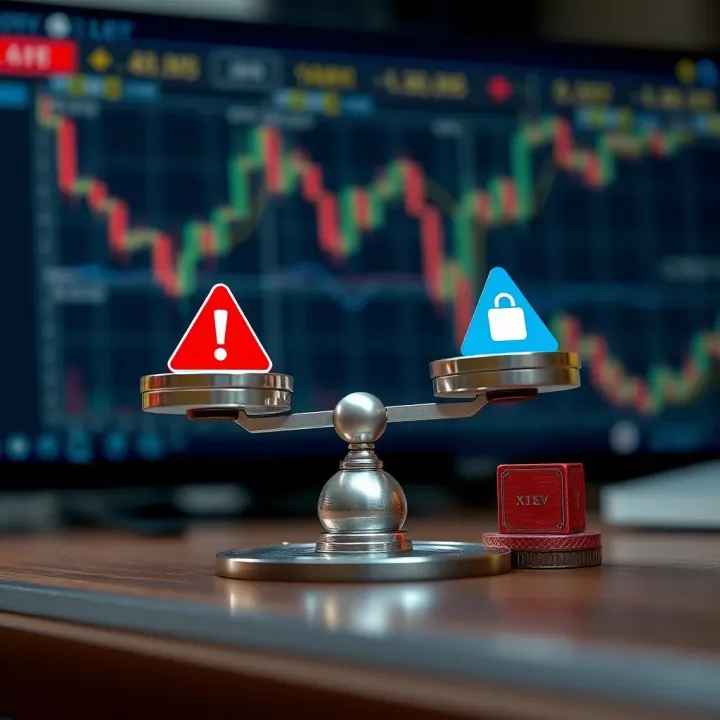
Understanding these basics sets the stage for safely exploring automated Bitcoin and binary options trading. Without this knowledge, you risk falling for— or using— platforms that don’t match your needs or expose you to avoidable losses.
When considering Binary Bot for automated trading, recognising its legitimacy matters greatly. Kenyan traders benefit from knowing clear signs that separate trustworthy bots from scams. This reduces the chances of losing hard-earned KSh and falling victim to fraudsters. Practical signs include proper licences from Kenyan authorities and authentic feedback from local users. They help build confidence in the service or signal caution when warning bells ring.
Kenya has several regulatory bodies that oversee financial products, including trading software. The Capital Markets Authority (CMA) is the main regulator for securities and derivatives trading. Any platform or software facilitating binary options trading should ideally hold CMA approval to operate legally within Kenya. This includes registration, compliance with market conduct rules, and ongoing monitoring. The Central Bank of Kenya (CBK) also supervises payment systems linked to trading activities, especially where deposit and withdrawal channels involve banks or mobile money like M-Pesa.
Checking licences is not just about formality but about protection. A legitimate Binary Bot provider recognised by CMA is bound by rules that shield Kenyan users from malpractice. For example, if a trading bot claims to guarantee profits but isn't licensed, it’s a red flag. Always ask for the licence number or certification document. These can be verified by contacting the CMA or visiting their website. Without such confirmation, any promises should be treated with suspicion.
Reading user experiences from Kenyan traders offers grounded insights into a Binary Bot’s reliability. Platforms like online forums, community groups on WhatsApp, and Facebook often hold discussions where traders share their firsthand accounts. An authentic review might describe specific scenarios, such as how the bot performed during the current rainy season market swings or how responsive customer support was after a withdrawal request.
Conversely, distinguishing genuine feedback from paid promotions demands caution. Some websites or social media pages may post overly positive reviews signed by fake profiles or without detail. Real traders tend to mention both gains and losses or talk about the learning curve involved. Look for reviews that mention local payment methods (like KCB M-Pesa or Co-operative Bank transfers) since this hints at actual usage by Kenyan customers. Always crosscheck multiple sources before forming an opinion.
Confirming a Binary Bot’s legitimacy involves combining regulator verification with careful consideration of user reviews. Neither alone suffices but together they provide a clearer, more practical picture for Kenyan investors.
By keeping these signs in mind, traders in Kenya can avoid common pitfalls and make safer choices regarding automated trading tools.
When considering automated trading tools like Binary Bot, it’s critical to be aware of the risks and warning signs. Many traders in Kenya are drawn by promises of easy profits, yet scams and technical dangers lurk for those who don’t know what to watch for. Spotting red flags early can save you from losing hard-earned KSh and personal data.
False profit guarantees are common bait used to lure Kenyan traders. You might see adverts or platforms promising fixed daily returns, like 10% or 20% gains, regardless of market conditions. This sounds appealing but is unrealistic; the financial markets aren’t so predictable. Any legitimate trading platform will clarify that profits vary and losses happen. When a binary bot insists profits are guaranteed or claims "risk-free" earnings, treat this as a warning sign.
Putting a financial scheme on a pedestal by guaranteeing fixed returns is often a way to mask a scam. For instance, some automated trading services promise to double your deposit within days. Yet, many such offers either manipulate trade outcomes internally or simply shut down once they collect your money.
Another common tactic involves pressure to deposit large sums via M-Pesa or card payments. Users may get repeated calls, WhatsApp messages, or even formal-looking emails urging them to add more funds swiftly. This urgency, often accompanied by promises of unlocking better returns or bonuses, aims to push traders into hurried decisions without proper thought.
In Kenyan context, M-Pesa is widely used, making it a target for scammers who exploit trust in mobile money payments. Beyond big deposits, you should also watch for demands for advance fees purportedly for "account verification" or "server upgrades." Legitimate brokers seldom demand hefty upfront payments without a clear, formal process.
Sharing sensitive account or personal data when using binary bots carries significant risks. Automated trading platforms often require access to your brokerage accounts or investment funds, which might expose your login credentials or personal details. If the platform isn't secure or is operated by unscrupulous actors, your data could be misused for identity theft or unauthorised transactions.
For example, some bots ask for your M-Pesa PIN or Kenyan banking passwords—this is an immediate red flag since no trusted service should request such sensitive information. Kenyan traders should always confirm that any software or broker uses encrypted, secure methods to handle data and complies with local data protection laws.
Loss of funds can also occur from trading errors or manipulations. Even legitimate bots use algorithms, but they don't eliminate market risk. Poorly designed bots may execute losing trades rapidly or misunderstand market signals, eating into your capital faster than manual trading would.
On top of that, some scammy bots manipulate trade results to show false wins initially to build trust, then switch to making heavy losses or blocking withdrawals. A trader in Nairobi once reported losing KSh 100,000 within days after trusting an automated system that sidelined his input and locked his account. Such cases highlight why oversight and cautious investment sizes matter.
Automated trading like Binary Bot can be useful tools, but you must keep eyes open for scams and never hand over your data or large sums without proper research and safeguards.
Careful checking of the service’s reputation, regulatory status, and user experiences can help you avoid these traps and manage risk better.
Using a Binary Bot for trading might look like a shortcut to quick profits, but it comes with challenges. Knowing how to use these tools safely can reduce risks and help you maintain control of your investments. This section focuses on practical steps you can take to protect your capital and make smarter decisions while trading with automated systems.
Before you connect any Binary Bot to your trading account, choosing a regulated broker is essential. In Kenya, brokers regulated by bodies like the Capital Markets Authority (CMA) or those registered under reputable authorities abroad usually offer better security and transparency. Going for platforms with clear terms, proper client fund segregation, and good reviews reduces chances of fraud. For example, linking your bot to a broker like Olymp Trade or IQ Option, which have some presence in Kenya and regulatory backing, adds a layer of credibility.
Depositing and withdrawing funds through secure methods matters too. M-Pesa is widely trusted and used across Kenya, offering quick, trackable transactions. Platforms that support M-Pesa deposits and withdrawals let you move money without exposing your bank details. Some brokers also allow linking bank cards securely, but be cautious with where you input your details. Avoid brokers demanding direct bank transfers outside regulated channels or pushing you to deposit large sums without clear justification.
Starting your trading journey with minimal capital helps you test the automated system without risking too much. For example, begin with KSh 1,000 or less to see how the bot performs in real market conditions. This strategy helps you understand the bot's behaviour and identify glitches or sudden losses early on. Remember, even trusted systems don’t guarantee profits; the goal is to protect your initial investment while learning.
Instead of relying on full automation, monitor your trades closely. Most bots allow you to set parameters but still need human oversight. Watching trades helps you intervene in abnormal situations, adjust settings for changing market conditions, or pause the bot when volatility spikes. Kenyan markets can be volatile due to local and global events, so having a regular check keeps you in the loop. This avoids a situation where you wake up to large unexpected losses because the bot kept trading nonstop overnight.
Using Binary Bot safely means balancing technology with your judgement. Combine regulated brokers, secure payments, conservative trading amounts, and active monitoring to keep your trading on the right track.
Following these practical steps doesn’t eliminate risk but helps you engage with Binary Bot trading more responsibly within the Kenyan context. It’s about making tools work for you, not against you.
Deciding whether to use Binary Bot hinges on weighing practical benefits against clear risks. Kenyan traders should remember that no automated system guarantees profits, and the onus remains on you to understand what you're engaging with. The appeal of hands-off trading is strong, especially for those juggling multiple gigs or looking to enter the market without deep technical expertise. However, the reality is that Binary Bots involve real money, and losses can happen just as fast as gains.
Binary Bot offers convenience by automating trades based on algorithms, which can save time and minimise emotional decision-making. For example, if you’re busy with daily work or running a small business, the bot can keep trading active without constant attention. On the flip side, these bots often depend on market signals that may not adapt quickly to sudden shifts, such as unexpected political news or changes in global commodity prices impacting the Nairobi Securities Exchange (NSE).
Moreover, the unregulated nature of many binary bot services in Kenya means there’s a real risk of scams or unreliable performance. A common scenario is a trader who deposits KS0,000 but discovers the bot makes trades that drain funds quickly, sometimes with no clear explanation or support. Kenyan traders should also watch for requests to deposit large sums via M-Pesa with no credible verification.
In short, the bot might be worth trying if you start with money you can afford to lose and keep monitoring performance instead of fully automating trades. Using bots connected to regulated brokers offers an extra layer of security.
Manual trading means you make all decisions yourself, analysing charts, price movements, and market news before placing trades. This approach builds your understanding of how markets operate rather than relying blindly on software. For instance, a beginner using local platforms like Absa or KCB online trading can start with small trades to test strategies and learn risk management. Manual trading also helps sharpen skills in reading economic indicators, which is valuable beyond just binary options.
While manual trading requires more time, it avoids the dangers of software glitches and offers complete control over each trade. You retain flexibility to pause trading during volatile periods, unlike some bots.
Before risking real money, new traders should explore education and simulation tools. Platforms offering virtual trading accounts, like those from Nairobi Securities Exchange or well-known brokerage firms, allow users to practice without financial risk. This hands-on learning helps newcomers familiarise themselves with trading terms, charts, and timing.
Besides simulations, many Kenyan online courses and webinars teach basics of trading, strategy development, and market analysis. Investing time in these resources builds confidence to trade live or decide if automated options are suitable. The combination of education plus simulation reduces costly mistakes and builds better trading habits.
Taking time to learn and practice trading moves you from guesswork to informed decisions, whether you choose to use Binary Bot or stick with manual trading.
Choosing whether to use Binary Bot should rely on careful evaluation, cautious investment, and ongoing learning. No approach is foolproof, but informed traders manage risk better and avoid falling prey to scams.
Explore how binary bots automate trading with key features and tech 📈. Learn benefits, risks, and tips to choose reliable systems for smarter online trades.

Explore how binary trading apps work in Kenya 📱, reviews of top platforms, security tips 🔒, and smart strategies for safer trading decisions.
📊 Explore how Binary Bot PDFs simplify automated binary options trading for Kenyan traders, covering strategies, benefits, legal tips, and smart decision-making.

Explore how binary bot analysis tools can help Kenyan traders sharpen automated strategy, reduce risks, and boost trading success in binary options 📊🤖.
Based on 5 reviews