

Benefits of Risk Management for Businesses
Learn how risk management 📊 boosts business growth, ensures financial stability 💰, improves compliance ✔️, and protects your reputation in Kenya.
Edited By
Isabella Hughes
Risk management plays a vital role in protecting businesses and organisations from unexpected challenges. For traders, investors, analysts, and brokers in Kenya, understanding its core objectives offers a practical guide on how to safeguard assets, comply with regulations, and make informed decisions.
The main aim of risk management is to identify potential problems before they happen. By spotting threats early, a company can act to reduce losses or avoid them altogether. For example, a Kenyan exporter facing currency fluctuations can use risk management tools to hedge against losses caused by shilling volatility.
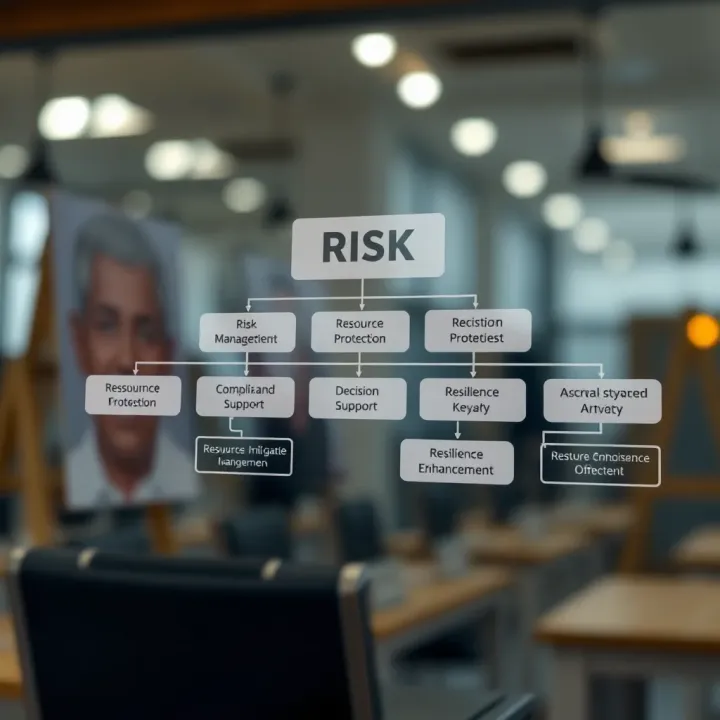
Another key objective is resource protection. This means preserving both tangible assets like equipment, inventory, and cash, and intangible items such as reputation and client trust. When these resources are well protected, businesses avoid costly disruptions and maintain smooth operations. Consider a Nairobi-based SME that secures its data systems against cyber attacks; this safeguards confidential customer information that could otherwise lead to legal issues or loss of goodwill.
Compliance with Kenyan laws and industry regulations forms a third goal. Many organisations must meet requirements from bodies such as the Capital Markets Authority (CMA) or Kenya Revenue Authority (KRA). Effective risk management ensures businesses adhere to these rules, avoiding fines or penalties that could impact profitability.
Risk management also supports better decision-making. It provides leaders with a clearer picture of possible obstacles and opportunities. This allows them to choose strategies that offer a balanced chance of growth while limiting downsides. For instance, an investment analyst might use risk assessments to advise clients on diversified portfolios that withstand market shocks.
Finally, the approach encourages organisational resilience. This means strengthening the capacity to absorb shocks and recover quickly after setbacks. Whether dealing with supply chain delays during the long rains or sudden regulatory changes, resilient businesses continue running and even thrive.
Good risk management is not just about avoiding danger—it’s about preparing your business to cope and succeed, no matter what comes its way.
To recap, the objectives of risk management typically include:
Early identification of threats
Protection of physical and intangible assets
Ensuring legal and regulatory compliance
Supporting informed, balanced decision-making
Building resilience for long-term survival
These goals together help Kenyan traders and investors build firms that can handle uncertainty with confidence and secure lasting growth.
Risk management plays a vital role in defending the core assets and resources that keep a business operational and financially sound. For businesses in Kenya, protecting these assets means shielding physical properties, financial capital, and intellectual property from threats like theft, damage, fraud, or market fluctuations. This proactive approach helps avoid costly interruptions and preserves the company’s foundation for growth.
Physical assets such as machinery, office equipment, vehicles, and inventory are the backbone of many Kenyan businesses, especially in manufacturing, agriculture, and retail sectors. Effective risk management involves routine inspections, secure storage, and insurance cover that reflects actual asset value to reduce vulnerability. For example, a tea farm in Kericho might invest in satellite monitoring to detect and respond quickly to theft or fire risks. Financial assets call for robust controls on cash handling, banking transactions, and investment decisions. Using reliable banking platforms and digital payment systems like M-Pesa with added verification layers helps minimise fraud and unauthorised access. Moreover, clear accounting and regular audits ensure the business tracks its financial health precisely.
Unanticipated losses can push a business into trouble fast, so risk management focuses on limiting these impacts. This could be through proper safety protocols to reduce accidents in factories or shockproof packaging for goods transported through Kenya’s rough road networks. For instance, a distribution company might set maintenance schedules for all its trucks to prevent breakdowns that cause delivery delays. Natural hazards such as floods during Kenya’s long rains also pose real threats; having contingency plans and emergency funds helps businesses stay afloat when disaster strikes. Additionally, training staff on risk awareness means they are less likely to make errors that could lead to financial or reputational damage.
Protecting assets is more than just guarding physical items—it's about preserving the entire ecosystem that supports ongoing operations and growth.
In sum, protecting organisational assets and resources through diligent risk management equips Kenyan businesses with resilience and stability. It helps keep the wheels turning even when unexpected events occur, saving time, money, and reputation in the long run.

Maintaining compliance with legal and regulatory frameworks is foundational for any Kenyan organisation. This aspect of risk management protects the company from legal troubles, helps build trust with stakeholders, and ensures smooth operations over time. Ignoring or misunderstanding regulations can lead to fines, licence suspensions, or even criminal charges, which often disrupt business activities.
Kenya has a range of laws and regulations applicable to different industries, set by bodies such as the Kenya Revenue Authority (KRA), the Capital Markets Authority (CMA), and sector-specific regulators like the Energy and Petroleum Regulatory Authority (EPRA). For instance, a trader at the NSE must adhere to CMA guidelines on disclosure, insider trading, and client protection. Similarly, a transport operator must follow the National Transport and Safety Authority (NTSA) rules.
Understanding these local and sector-based requirements helps organisations avoid missteps that could result from ignorance. It's not just about national laws; county governments also introduce regulations affecting operations, from waste disposal rules to trading licences.
Failing to meet regulatory standards often results in penalties that hit the business financially and harm its reputation. For example, a company that does not file returns with KRA on time risks fines and additional scrutiny during audits, which could delay business transactions or access to government contracts.
Besides monetary losses, legal actions can drain management’s time and resources. Having strong risk management processes ensures that compliance is not an afterthought but integrated into everyday business decisions. It includes regular audits, staff training on regulatory updates, and consultation with legal experts.
Ignoring compliance is like walking a tightrope blindfolded; sooner or later, the fall will come at a bad time.
Allocating resources to understand and meet these legal requirements reduces the risk of interruptions caused by investigations or legal battles. For businesses in Kenya’s dynamic regulatory environment, risk management that emphasises compliance safeguards operations, preserves licences, and promotes sustainable growth.
Integrating risk management into decision-making sharpens an organisation’s ability to navigate uncertainties. It helps leaders weigh potential downsides and advantages before charting a course, which is especially important in Kenya’s dynamic markets. Organisations that embed risk assessments in their planning stages avoid being caught off guard by unforeseen obstacles or changing regulations.
Risk assessments provide a clear picture of what could go wrong and how likely these risks are. For example, a Kenyan agribusiness planning to expand into new counties must assess risks such as climate variability, transport disruptions, or local regulatory barriers. By identifying these threats early, the company can tailor its strategy — perhaps investing in drought-resistant crops or securing better logistics partnerships.
Effective risk assessments are not just about spotting threats but also about prioritising them. This allows decision-makers to focus resources on the most significant risks, preventing wastage on less critical issues. This is particularly useful for SMEs working with limited capital. Using simple tools like SWOT (Strengths, Weaknesses, Opportunities, Threats) analysis can guide entrepreneurs to integrate risk insights directly into their business plans.
Risk management isn't only about avoiding harm; it also helps businesses weigh potential opportunities. For instance, an investor considering shares on the Nairobi Securities Exchange (NSE) evaluates market volatility alongside growth prospects. Understanding these trade-offs allows smarter portfolio decisions.
A balanced approach means recognising that some risks open doors to innovation or market advantages. A tech startup in Nairobi might accept the risk of uncertain regulation because the potential payoff is access to a large digital consumer base. Decision-makers who keep both sides in view can adjust strategies dynamically — cutting losses when necessary and pressing gains when conditions are favourable.
Incorporating risk assessments into organisational strategy equips businesses to make informed choices, reducing guesswork and increasing confidence in achieving their goals.
In essence, enhancing decision-making through risk management helps Kenyan organisations steer with foresight, adapting to challenges while seizing growth chances. This balanced mindset turns risk management from a defensive shield into a strategic tool.
Operational continuity means keeping your business or organisation running smoothly, even when unexpected problems arise. Resilience adds the ability to recover quickly and adjust to changes without major disruptions. For Kenyan businesses, particularly those in finance, trade, or education, promoting these qualities is not just good practice—it can be a matter of survival.
Every organisation faces risks like power outages, cyber-attacks, or even delays in supply chains due to weather or transport problems. Preparing for disruptions involves having clear plans and resources in place to manage emergencies. For example, a Nairobi-based trading firm might invest in backup generators and data storage systems to keep operations running during load shedding or network failures.
Emergency drills and staff training also play a vital role. When employees know their roles during a crisis, decisions are faster and chaos reduces. Think of a bank branch that trains staff on how to respond to fraud attempts or security breaches to avoid bigger losses.
Having contingency plans helps organisations limit downtime and protect revenue streams. It also reassures clients and partners that the business is dependable.
In fast-moving markets, sticking rigidly to one approach can backfire. Adaptability means adjusting strategies, products, or services quickly as circumstances shift. Kenyan SMEs selling agricultural inputs, for example, may need to change suppliers or offer new products depending on seasonal rains or government policy changes.
Technology and market preferences evolve rapidly, especially with smartphone penetration and mobile money services like M-Pesa. Organisations that embrace change—whether adopting new payment systems or shifting to online platforms—stay competitive and relevant.
Good risk management identifies areas where flexibility is needed and encourages a culture open to innovation and learning. This mindset helps prevent shocks and makes recovery quicker when setbacks happen.
Promoting operational continuity and resilience isn’t just about reacting to problems but anticipating and mitigating them. This proactive approach strengthens trust among investors, customers, and staff, contributing to long-term success.
Building the trust of investors, customers, and partners is a key goal of risk management. When an organisation identifies and mitigates risks effectively, it signals to stakeholders that the business is well run and reliable. For Kenyan enterprises, especially SMEs and startups, gaining this confidence can open doors to new funding, partnerships, and markets.
Investors want reassurance that their capital is safeguarded and that the business can handle uncertainties without large losses. Clear risk management practices show that the organisation anticipates challenges such as market volatility or supply chain disruptions. For example, a Nairobi-based agribusiness that diversifies suppliers and uses weather insurance reduces risks related to unpredictable rains, making it more attractive to banks or equity investors.
Customers, on their part, expect consistent quality and timely delivery. By managing risks like equipment failure or currency swings affecting import costs, businesses maintain service standards and pricing stability. This builds customer loyalty, which is crucial in Kenya’s competitive retail and service sectors. Partners also appreciate transparency and risk awareness, which help avoid surprises and strengthen collaboration.
Consistent risk management creates a virtuous circle where trust attracts resources, and resources enable better risk control.
Showing how risks are managed promotes accountability within the organisation. Publicly sharing risk assessments, policies, and mitigation steps can boost reputation, especially with regulators and the public. For instance, firms listed on the Nairobi Securities Exchange (NSE) often publish risk disclosures to meet Capital Markets Authority (CMA) requirements and inform shareholders.
Transparency reduces information gaps that may cause doubt or speculation among stakeholders. This is vital for businesses in Kenya where informal networks and word-of-mouth significantly influence reputation. Ethical disclosure practices signal that the organisation is responsible and values long-term relationships over short-term gains.
Practical steps to demonstrate accountability include:
Regular risk reporting to the board and major stakeholders
Clear communication on how challenges were handled when they occur
Integration of risk management outcomes into corporate social responsibility efforts
In essence, risk management is not just about avoiding pitfalls—it’s a communication tool that underlines the organisation’s commitment to responsible operation and trustworthiness in the broader Kenyan business environment.
Learn how risk management 📊 boosts business growth, ensures financial stability 💰, improves compliance ✔️, and protects your reputation in Kenya.

Learn how risk management shapes smart decisions in business and beyond in Kenya. Get practical tips to identify, assess, and control risks effectively 📊🔍

Explore how to build and maintain practical Enterprise Risk Management frameworks 🛡️ for stronger oversight, compliance, and smarter decisions in Kenya and beyond.

Discover practical financial risk management tips 📊 for professionals & students in Kenya. Learn methods, tools & get useful PDFs to manage risks confidently.
Based on 7 reviews