

Forex Trading Basics for Beginners
📈 New to forex? This practical guide breaks down key concepts, tools, and strategies to help Kenya beginners trade confidently and make smart choices. 💡
Edited By
Emily Clarke
Forex trading offers a practical way for Kenyans to earn extra income or even build a full-time career. At its core, forex trading involves buying and selling currencies on a global market to profit from changes in exchange rates. Because currencies constantly fluctuate due to economic and political events, there are daily opportunities for traders to make money.
Unlike stock trading, forex operates 24 hours from Monday to Friday, allowing flexible trading hours that can fit into anyone's schedule—whether you’re hustling after your daytime job, or during quieter hours. For instance, many beginner traders in Nairobi use M-Pesa to fund their trading accounts, showing how technology supports easier participation.
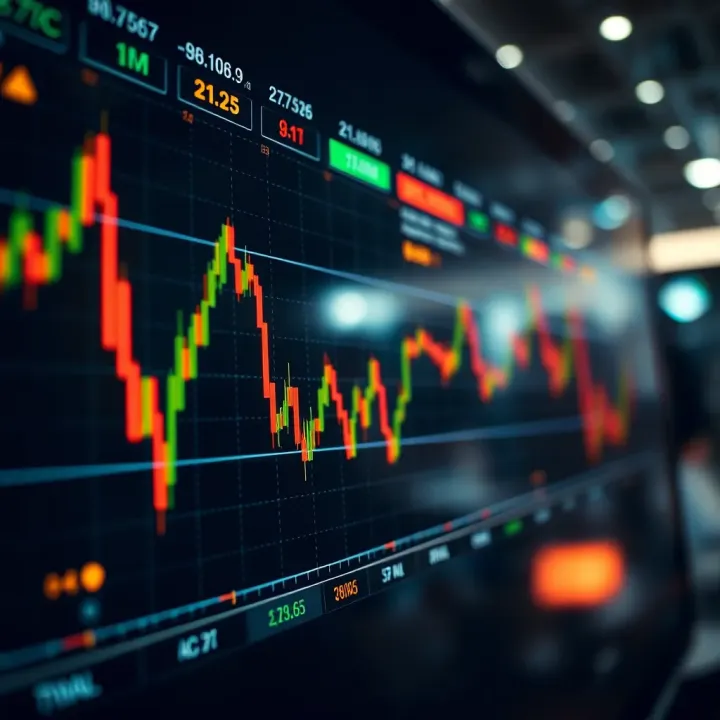
To make money with forex trading, beginners must first grasp the basics: understanding currency pairs (such as USD/KES or EUR/USD), market dynamics, and how global events affect currency values. For example, a rise in Kenya’s interest rates might strengthen the Kenyan shilling, providing trading opportunities.
Risk management is equally important. Even experienced traders face losses, so setting clear limits on how much to risk per trade helps protect your capital. Using stop-loss orders and only risking a small percentage of your trading funds per trade can be a life-saver. A Kenyan trader who invests KS0,000 shouldn’t risk more than KS00–KS00 on a single trade to avoid heavy losses.
Developing a trading strategy suited to your time and resources is key. Popular beginner strategies include forex scalping (quick trades to capture small gains) and swing trading (holding positions for days to benefit from larger moves). Combining technical analysis—using past price charts—with staying updated on global news creates a strong foundation.
A successful forex trader is patient, disciplined, and always learning. Start small, practise with demo accounts, and avoid chasing quick riches.
Here are some practical steps to get started:
Open a trading account with a regulated broker authorised to operate in Kenya
Fund your account using convenient channels like M-Pesa or bank transfer
Begin trading on a demo account to build confidence without risking real money
Study trading charts and strategies regularly
Start live trading with small amounts and keep a trade journal to track performance
By following these foundational principles, Kenyan beginners can approach forex trading with a clear plan to make consistent money while managing risks effectively.
Understanding the forex market is essential for anyone wanting to make money with forex trading. Knowing how the market works, what affects currency prices, and the key players involved allows you to make informed decisions instead of guessing. Traders who grasp these basics tend to perform better and manage risks more effectively.
Forex trading, simply put, is buying one currency while selling another at the same time. It operates on currency pairs, such as USD/KES (US Dollar to Kenyan Shilling), where you speculate whether the first currency will gain or lose value against the second. This trading happens over-the-counter (OTC), meaning it doesn’t happen on a central exchange like the NSE but through a network of banks and brokers worldwide.
Major currencies traded include the US Dollar (USD), Euro (EUR), Japanese Yen (JPY), British Pound (GBP), Swiss Franc (CHF), and commodities-linked currencies like the Australian Dollar (AUD) and Canadian Dollar (CAD). In Kenya, the USD/KES pair is highly popular given business ties and trade flows. Understanding which currencies dominate the market helps in choosing what to trade and spotting trends.
Forex differs from stock or commodity markets mainly in its 24-hour operation and liquidity. Stocks usually trade during specific hours, but forex runs through major financial centres across different time zones, allowing round-the-clock trading. That makes it very flexible but also volatile. Also, forex trading typically involves higher leverage, meaning you can control large positions with relatively small capital, which can multiply profits or losses.
Forex trading happens across global markets that open and close at different times — starting in Asia, moving to Europe, then to the Americas. This cycle from Sunday evening to Friday evening (EAT) ensures the market is always active somewhere. High liquidity comes during overlaps, for example, when London and New York markets are open together. Liquidity means you can buy or sell currencies quickly without major price changes, which matters if you want to exit a trade fast.
The market is driven by banks, brokers, and traders. Banks act as major market makers, setting currency prices and providing liquidity. Brokers connect retail traders to the market, offering platforms and access to price feeds. Traders range from big institutions to individual retail traders in Kenya using platforms like MetaTrader or cTrader through brokers regulated by bodies such as CMA (Capital Markets Authority).
Currency pairs work as two linked currencies — for instance, EUR/USD shows how many US dollars one euro buys. Each pair has a bid price (what buyers pay) and an ask price (what sellers want). The difference between them, called the spread, is a cost traders face every time they open a position. For example, if EUR/USD bid is 1.1000 and ask is 1.1003, the 0.0003 (or 3 pips) is the spread. Lower spreads generally reduce trading costs.
Knowing the market’s inner workings—from currency pairs to who sets prices—helps you enter trades confidently and avoid costly mistakes. This basic understanding is your first step toward making money sustainably in forex trading.
Starting your forex journey on the right foot makes a real difference. This section covers key steps like finding the right broker and setting up your trading account. How you handle these early stages can either protect your cash or leave you exposed to unnecessary risks. With practical examples, especially relevant to Kenyan traders, you’ll get a clearer picture of what to look out for.
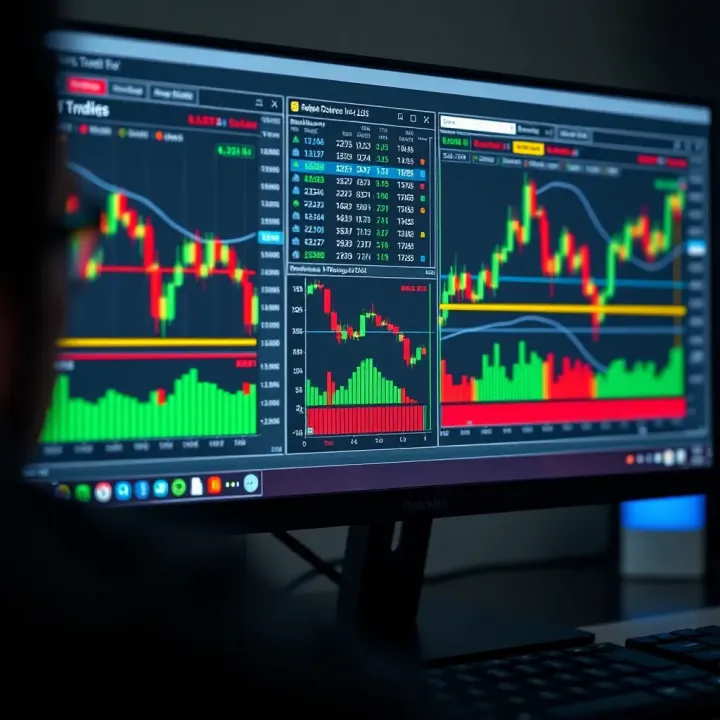
Choosing a regulated broker is vital. In Kenya, brokers regulated by recognised bodies such as the Capital Markets Authority (CMA) provide more security. A licensed broker has to follow strict rules to protect your funds and offer fair trading conditions. Without regulation, there’s a higher risk of fraud or unfair practices. So, before committing your money, always check if the broker is authorised by a trusted regulator.
Your broker’s trading platform is where you’ll spend most of your time. Look for platforms that are user-friendly and reliable, like MetaTrader 4 or MetaTrader 5, which are popular in Kenya. These platforms offer charts, technical indicators, and easy order execution. Some brokers also provide mobile apps, letting you trade on the go, which suits the busy Kenyan trader balancing daily activities. Additionally, tools like economic calendars help you track news that affects forex markets.
How you deposit money is just as important. Since many Kenyans prefer mobile money, brokers supporting M-Pesa deposits and withdrawals make trading more accessible and hassle-free. Using M-Pesa means you can fund your trading account instantly without needing a bank transfer. It’s practical for traders in Nairobi or upcountry towns alike, removing barriers so you focus on trading, not payments.
Brokers usually offer different account types tailored to various traders. Beginners should look for accounts with low minimum deposits—some start as low as KS,000—which suits those testing the waters. Standard accounts often have more features, but smaller accounts let you learn without risking too much cash. Understand the perks and limits of each account type before choosing one.
Opening an account means verifying your identity, including submitting your Kenya Revenue Authority (KRA) PIN and ID. This step complies with anti-money laundering rules and protects you from fraud. Clearing this verification fast-tracks your account approval, allowing you to start trading sooner. Keep your documents ready to avoid delays.
Many brokers offer demo or practice accounts with virtual money. These let you trade with real market data but no actual risk. Using a practice account helps you understand how trades work, test strategies, and get comfortable with the trading platform. Before risking real shillings, spend at least a few weeks practising—this builds your confidence and sharpens your skills.
Starting forex trading in Kenya requires careful preparation. Choosing a broker with proper licensing, ease of deposits like M-Pesa, and using practice accounts can help protect your money and build success step by step.
Trading strategies act as your roadmap in the forex market, especially when you're starting out. Without a clear plan, it’s easy to get lost and make costly mistakes. Basic strategies help you understand when to buy or sell currencies, manage risks, and stay disciplined. For example, using even simple price trends or key economic news to guide trades can prevent emotional decisions like chasing losses.
Economic news and indicators directly affect currency values. For instance, a rise in Kenya’s inflation rate usually weakens the Kenyan shilling as it lowers buying power. Keeping an eye on reports like GDP growth, employment data, and inflation figures gives insight into which currencies might strengthen or weaken. When the CBK (Central Bank of Kenya) adjusts its benchmark interest rates, this too impacts the shilling’s performance against major currencies like the US dollar.
Central Bank policies play a big role in forex trading. The CBK’s decisions on interest rates or foreign exchange reserves influence demand for the shilling. If CBK raises rates to curb inflation, it often attracts foreign investors seeking better returns, pushing up the shilling's value. Traders who monitor such announcements can anticipate shifts and position their trades accordingly.
Global events also sway currency markets. For example, political unrest in a major oil-producing country can raise oil prices, impacting currencies of importing nations. Similarly, trade talks between the US and China affect the US dollar’s strength globally. Being aware of such events helps traders avoid surprises and find opportunities when others panic.
Technical analysis involves studying charts to identify trends and price patterns. For example, recognising an upward trend in the EUR/USD pair helps you decide when to enter a buy trade. Kenyan traders often use chart platforms like MetaTrader to spot support and resistance levels which indicate likely price floors and ceilings.
Common indicators like moving averages smooth out price data to highlight the trend direction. The Relative Strength Index (RSI), meanwhile, signals if a currency is overbought or oversold, hinting at a possible reversal. Using these helps you avoid entering trades at weak points and improves timing.
Knowing when to enter or exit a trade is critical. Combining chart trends with indicators enables you to plan better. For example, if a currency pair hits a support level and RSI shows oversold, it could be a good entry point. Setting clear exit targets limits losses and locks in profits.
Balancing fundamental and technical analysis gives a fuller picture. While fundamental analysis reveals why a currency moves, technical analysis shows when to act. For instance, if CBK announces a rate hike (fundamental), but the technical charts still show a downtrend, it might be wise to wait before buying.
Avoiding emotional trading is vital. Fear and greed often push traders to overtrade or ignore stop losses, eroding their capital. Following a strategy helps keep emotions in check by sticking to planned entries and exits.
Keeping a trading journal where you record your trades, reasons, and outcomes sharpens your skills. It reveals what works and what doesn’t, helping you improve steadily rather than guessing your way through the market.
Solid trading strategies rooted in both fundamental and technical analysis, combined with disciplined habits like journaling, set beginners on the right path toward consistent profits in forex trading.
Managing risk is the backbone of successful forex trading, especially for beginners. Without a proper approach to risk, even the best strategies can fail you. Protecting your capital means preserving your funds enough to keep trading over time and learn from the market, instead of blowing up your account on a few bad trades.
Setting stop-loss and take-profit levels helps control how much you can lose or gain on a single trade. A stop-loss automatically closes your position when the price moves against you by a set amount, preventing unexpected heavy losses. Conversely, a take-profit locks in your gains once your target price is reached without having to watch the screen constantly. For example, if you buy the USD/KES pair at 110, you might set a stop-loss at 108 to limit your loss to 2 shillings and a take-profit at 114 to secure a 4-shilling gain. These levels enforce discipline and protect your capital from sudden market swings.
Using appropriate trade sizes means never risking more than a small portion of your total capital on any single trade. As a rule of thumb, many traders risk 1-2% of their account balance per trade. So, if your account balance is KSh 50,000, you should avoid trades risking more than KSh 500–1,000. This approach cushions you from major setbacks and lets you stay in the game longer, even if several trades go against you. Overexposure with too large positions often leads traders straight to ruin.
Diversifying trading positions involves spreading your money across various currency pairs rather than betting all on one. Although forex is a zero-sum market, different pairs may respond differently to economic news and global events. For instance, when the US dollar weakens, the EUR/USD may rise while other pairs like USD/JPY behave differently. By diversifying, you reduce risk exposure and avoid losing everything if one market moves unfavourably. That said, don’t overdo it, as too many positions can dilute your focus and management.
Overtrading and chasing losses is a dangerous trap where traders enter too many trades or increase their stakes hastily to recover losses. This behaviour usually results in bigger losses because emotion, not logic, drives decisions. For example, if you lose KSh 2,000 on a trade, doubling your next trade size to make it back quickly can burn more of your capital if the market doesn’t turn in your favour. Patience and adherence to your strategy are critical here.
Trading without a plan means entering trades based on impulses or guesses rather than a clear strategy or rules. A trading plan outlines your entry, exit points, risk per trade, and how you analyse the market. Without it, you’re prone to make inconsistent decisions and emotional mistakes. For example, a trader who sometimes buys on tips and other times sells based on gut feelings is unlikely to succeed. Developing and sticking to a written plan improves discipline and long-term results.
Relying on tips or unverified sources can be misleading. Many “hot tips” come from unreliable people or automated signals without proper analysis. Blindly following them might lead to losses. Instead, take time to analyse why a currency might move the way predicted. Attend local seminars or trusted online platforms where market views are discussed openly. Remember, no one can predict the market with certainty, so quality research is key to making sound decisions.
In forex trading, protecting your capital through solid risk management is as valuable as your knowledge of strategies. Without this, even the best trader will struggle to survive in the market.
By understanding these key risks and avoiding common mistakes, you build a foundation to trade more confidently and sustainably in Kenya’s forex market.
Success in forex trading does not happen overnight. It takes a mix of knowledge, discipline, and ongoing effort. Adopting practical tips can keep traders on track and help them build consistent profits while avoiding common mistakes. This section covers key approaches to maintain progress, overcome challenges, and adapt to the ever-changing forex market.
Forex trading evolves with global economic shifts and new technologies, so continuous learning is vital. Online courses and local seminars offer structured ways to sharpen your skills. For example, Safaricom Foundation and some Nairobi training centres occasionally host workshops that help traders grasp the latest strategies or refine basics. Online platforms like Coursera or Udemy also offer courses tailored for forex beginners and intermediate traders, often at affordable rates.
Following these educational opportunities not only builds your knowledge but also connects you with expert mentors who can point out blind spots. This makes learning more practical than just reading articles or watching videos alone.
Keeping up with reliable forex news sources keeps your trading decisions up to date. Markets react immediately to economic reports, political events, and policy changes by institutions like the Central Bank of Kenya (CBK). Websites such as Reuters, Bloomberg Markets Africa, or The Standard’s business page provide timely and trusted updates. Avoid getting info from random social media posts or unverified WhatsApp groups — these often spread rumours that can mislead your trades.
Engaging in community forums is another practical way to learn. Groups on platforms like Telegram or Facebook offer shared insights from fellow traders. You gain from their experience, hear different viewpoints, and get real-time advice, especially helpful during volatile market days. However, always cross-check any tips and avoid blindly copying strategies without understanding.
Understanding that forex trading involves both profits and losses is crucial. Successful traders expect some losing trades but focus on overall growth. For instance, a beginner might face an initial loss of KS,000 but should see gradual gains over months by sticking with proven strategies rather than chasing quick wins.
Building experience takes time. Most Kenyan traders need several months or even years to develop a clear sense of market patterns and refine their timing. Rushing into live trading without sufficient practice usually leads to bigger losses. Using demo accounts for at least 3-6 months before committing real funds is a smart move.
Balancing forex trading with other income streams is wise. Many successful traders treat forex as a side hustle while working or running businesses. This approach reduces pressure since you’re not relying solely on forex profits to cover daily expenses. For example, a small business owner might dedicate evenings to trading, ensuring their main income is secure while they grow trading skills steadily.
Forex trading is a marathon, not a sprint. Consistent learning, realistic targets, and a balanced lifestyle build a solid foundation for long-term success.
📈 New to forex? This practical guide breaks down key concepts, tools, and strategies to help Kenya beginners trade confidently and make smart choices. 💡

Explore forex trading basics tailored for Kenyan beginners 🇰🇪. Learn how the market works, key strategies, tools, and risks to trade confidently 💹.

Discover the best forex trading apps for beginners in Kenya 🇰🇪. Get tips on features, safety, and avoiding common mistakes for a smart start 📱💹.

📊 Learn practical risk management strategies in forex trading to protect your investments, control exposure, and improve outcomes in Kenya's volatile market.
Based on 8 reviews