
Effective Credit Risk Management in Kenya
Explore effective credit risk management strategies, tools, and challenges for Kenyan businesses and financial institutions 📊💼. Stay compliant and secure.
Edited By
Sophia Clarke
Risk management forms the backbone of successful project management, especially in Kenya's vibrant and often unpredictable business environment. It involves identifying, analysing, and controlling the uncertainties that could derail a project. This proactive approach lets project teams not only limit potential losses but also spot opportunities that push projects forward.
Managing risks isn't just a tick-box exercise; it requires understanding the unique challenges that Kenyan projects face — from fluctuating exchange rates affecting import costs to delays caused by unpredictable weather during the long rains season. For example, a construction project in Nairobi might confront unexpected permit delays or shortages of critical materials. Recognising these early helps in adjusting plans before problems escalate.
Effective risk management drives informed decision-making, adding value by reducing surprises and improving project outcomes.
Every project carries some level of uncertainty. Ignoring risks can cost time, money, and reputation. In sectors like agriculture or manufacturing, which dominate Kenya’s economy, unforeseen risks such as pest outbreaks or supply chain interruptions can stall progress sharply.
Implementing risk practices helps to:
Protect project budgets from runaway expenses
Ensure timelines are realistic and adaptable
Maintain stakeholder confidence through transparency
Maximise opportunities that arise from changing circumstances
There are four main steps to managing project risks effectively:
Identifying Risks: Use brainstorming sessions, past project reports, or tools like SWOT analysis to list potential threats and opportunities.
Assessing Risks: Rank risks according to their likelihood and impact; this prioritisation enables focus on the most pressing issues.
Responding to Risks: Develop strategies such as avoidance, mitigation, transfer (e.g., insurance) or acceptance where appropriate.
Monitoring Risks: Continuously review the project environment and risk register to adjust responses as conditions change.
Projects here often require blending formal risk frameworks with local insights. For example, incorporating community engagement reduces social risks on infrastructure projects, a lesson drawn widely from road expansions in upcountry counties.
By applying these steps, project managers in Kenya can better navigate challenges from regulatory shifts to fluctuating commodity prices, ensuring projects stay on track and deliver value.
Understanding risk management in projects goes beyond just ticking checkboxes; it’s about recognising the unpredictable factors that can either stall or accelerate progress. For traders, investors, analysts, educators, and brokers, grasping how risks interplay within project environments is key to making confident decisions and safeguarding investments. Picture a construction project in Nairobi where sudden fuel price hikes or permit delays could blow the budget. Being aware of such risks early enables stakeholders to develop practical responses.
Risk in projects refers to possible events or conditions that might hinder reaching objectives, while uncertainty captures the unknown elements that are harder to pinpoint. In practical terms, a project manager leading an agribusiness setup near Kisumu might identify pest outbreaks as a risk, but unexpected weather patterns causing floods represent uncertainty requiring ongoing attention. Recognising this distinction helps teams prepare clearly for what can be anticipated and stay alert for surprises.
Risks can affect timelines, costs, quality, and even the overall feasibility of a project. For example, a tech start-up in Nairobi planning to launch a new app may face cybersecurity risks that jeopardise data privacy, potentially damaging client trust and market reputation. Such risks, if left unmanaged, lead to missed deadlines, higher expenses, or failed expectations. Conversely, careful identification and mitigation help maintain smooth progress towards project goals.
Unexpected hurdles in projects often result in wasted resources and frustrated teams. Through effective risk management, projects minimise such surprises. Take the case of a renewable energy project in Mombasa that anticipated delays in importing solar panels due to customs regulations; early identification of this risk allowed the team to adjust the schedule and engage a customs clearing agent upfront. This foresight helped avoid costly downtime and kept the project on track.
Risk management promotes smarter decisions by providing clear insights into possible challenges and their likelihood. For instance, in financial investments backing real estate developments, understanding regulatory risks around land titles informs how much to allocate to legal checks and contingency funds. This ensures resources are neither stretched too thin nor wasted, improving overall project efficiency and resilience.
Effective risk management is about preparing for the predictable and adapting to the unexpected, making it a vital practice for any project aiming to succeed in Kenya’s dynamic context.
With a clear understanding of risks and their impacts, project leaders can steer their initiatives confidently, minimising setbacks and enhancing outcomes.
Getting risks on the table early is key to steering any project clear of trouble. Identifying and assessing risks means spotting possible problems before they hit hard, then sizing up how likely and damaging each threat could be. This step helps project managers focus limited resources on the risks that matter most, so they can protect deadlines, budgets, and quality.
Brainstorming with project teams is one of the most straightforward ways to uncover risks. Gathering the whole project team in a room — or via Zoom — encourages sharing different viewpoints. People on the ground often see challenges that management might miss. For example, a construction project in Kisumu noticed risks tied to rainy season transport delays only after hearing from drivers and supply chain staff during such sessions. It’s practical because it taps into the team's collective experience and promotes a culture of openness.
Reviewing past project lessons saves time and avoids repeating mistakes. Kenyan projects often face issues like delayed permit approvals or fluctuating material costs. Looking back at similar projects' reports or after-action reviews reveals patterns of problems and how they were handled. For instance, a recent SME project in Nairobi found that lessons learned from earlier ventures helped anticipate vendor reliability risks, allowing the team to plan for alternative suppliers.
Using risk checklists relevant to Kenyan industries offers a handy starting point. These checklists may include common risks like currency fluctuations affecting import costs, political changes ahead of elections, or local infrastructural bottlenecks. Employing such tailored checklists focuses attention on risks often overlooked, especially by newer project managers. They also encourage thoroughness, ensuring no typical risk category gets missed.
When evaluating risks, qualitative and quantitative analyses help balance gut feeling with data. Qualitative methods categorise risks by likelihood and impact using simple scales such as low, medium, or high. These are quick and effective when hard numbers are scarce. Quantitative analysis, however, uses figures — like probability percentages or expected cost impacts — making it apt for projects with enough data or where stakes are high. For example, a large infrastructure project funded by the government may use quantitative risk models to forecast how a 10% chance of material price hikes affects the overall budget.
Risk prioritisation methods ensure teams focus on threats that could do the most harm. Tools like the risk matrix plot likelihood against impact, highlighting risks warranting urgent attention. This approach prevents chasing every small worry and gets everyone aligned on what really matters. Kenyan investors, for example, find this useful when juggling multiple ventures, making sure cash flow risks or market changes get tracked closely, while smaller concerns stay on the radar but off the front burner.
Spotting and sizing risks right at the start fuels smarter planning, saving projects from costly surprises and helping teams deliver results on time.
Identifying and assessing risks is not a one-off task but a continuing process. Projects evolve, contexts shift, and so must the risk assessment to stay relevant and handy.
Planning and implementing risk responses is a vital step in steering projects clear of pitfalls and guiding them towards their intended goals. Taking action on identified risks before they become problems helps to control their impact on time, cost, and quality. This phase turns risk assessment into practical measures, ensuring that the project team is ready to handle challenges as they come.
There are four main strategies to manage risks: avoidance, mitigation, transfer, and acceptance. Risk avoidance means changing the project plan to eliminate the risk altogether. For example, if a county’s new regulation could delay construction, a project manager might decide to move to a different location with more favourable rules. Mitigation reduces the risk’s likelihood or impact by introducing controls, like increasing inspection frequency to prevent faulty materials in a building project.
Risk transfer passes responsibility to a third party, usually through insurance or contracts. A common case is hiring subcontractors who bear some risks associated with delays or quality issues. Finally, acceptance accepts the risk cost as part of doing business, with contingency plans or budgets set aside to handle any fallout. This mix-and-match approach lets project managers choose the best fit depending on how serious the risk is and the project’s overall context.
Choosing the right response depends heavily on the situation, resources available, and the project’s risk tolerance. For instance, transfer might be best for costly risks with clear insurance options, while avoidance suits risks that pose threats with no easy fix. A small project with limited funds might lean more on acceptance for minor risks, focusing its efforts on those that could cause significant disruption. Practically, assessing the cost-benefit of each strategy keeps the team from overreacting or ignoring important threats.
Each risk should have a clear owner within the project team. This person takes responsibility for monitoring the risk, implementing the response, and reporting back to project leadership. For example, if there is a risk of supplier delays, the procurement officer usually oversees that risk and communicates any issues early enough to avoid stalling the entire project. Clear ownership ensures accountability and swift action when risks begin to materialise.
Allocating proper resources—time, money, and personnel—is equally essential. Risk management should be integrated into the project’s budget to cover mitigation measures and contingencies. Supposing a project in Nairobi anticipates roadblock delays, extra costs for alternative transport or storage of materials must be reflected in the budget early on. Without this, teams might scramble for funds at the last minute, causing rushed decisions and missed opportunities to control risks effectively.
Assigning clear roles and budgeting well for risk actions not only reduces surprises but also builds confidence among stakeholders that the project is in capable hands. Effective planning and response implementation streamline progress, making risk management a practical, everyday part of project execution rather than an afterthought.
In summary, planning and implementing risk responses involves analysing options to manage risks smartly, assigning responsibility for action, and ensuring resources are available to follow through. This structured approach helps projects in Kenya’s variable environments stay on track despite uncertainties, preserving both time and investment.
Monitoring risks is not a one-off task but continues from project start to finish. This process ensures emerging threats or opportunities don't catch the project team off guard. It is especially valuable in dynamic environments like Kenya, where regulatory changes or supplier challenges can occur quickly. Keeping track of risks helps maintain control and adapt plans to stay on course.
Regular risk review meetings play a vital role in keeping risk information fresh and actionable. These sessions bring the project team together to review existing risks, discuss their current status, and identify any new issues. For example, a construction project in Nairobi may hold weekly risk reviews to address weather changes affecting site safety or delays in material delivery due to transport strikes. This ensures the team reacts proactively rather than scrambling when problems occur.
Consistent meetings also foster a culture of vigilance, making risk management a shared responsibility rather than a sidelined activity. They encourage open communication and quick decision-making, key to avoiding costly setbacks.
Updating risk registers and logs is a critical administrative step to keep risk data accurate. The risk register, a central document listing all identified risks along with their probability, impact, and response plan, needs regular updates whenever the project progresses or new information arises. For instance, if a project encounters unexpected inflation pushing material costs, this financial risk must be updated in the register to reflect its new weight.
Keeping logs current allows project managers and stakeholders to have a clear, real-time picture of risk exposure. It also provides an audit trail that can be useful for lessons learned and future project planning.
Adjusting responses to emerging conditions means revisiting and refining risk strategies as the project unfolds. Early plans may become less effective or irrelevant if unexpected developments occur. Take a technology rollout that initially focused on risk avoidance by choosing stable suppliers; if one supplier later experiences delays, switching to risk transfer via insurance or contingency contracts might be necessary.
This flexibility prevents rigid adherence to outdated measures and helps safeguard project objectives amid uncertainty.
Communicating risk status to stakeholders keeps everyone informed and aligned. Regular updates through progress reports or dashboards ensure that investors, clients, and team members understand the current risk landscape and ongoing countermeasures. Clear communication builds trust and enables stakeholders to make timely decisions, such as increasing budgets or adjusting deadlines.
For example, a county health infrastructure project funded by multiple partners may regularly share risk updates in joint meetings to address concerns collectively and maintain funding confidence.
Continuous risk monitoring ties together all management efforts, transforming risk identification and planning into practical, adaptive actions that protect projects from unexpected shocks and keep them moving toward success.
Kenyan projects face distinctive challenges that can derail progress if not managed well. Understanding common risks — financial, operational, and human resource-related — is key to steering projects towards success. Tackling these risks early helps avoid costly delays and ensures better use of resources. Let's look at typical risks and practical ways to manage them within Kenya’s unique business and regulatory setting.
Cash flow challenges and currency fluctuations often cause serious setbacks. For instance, a construction project might struggle if the shilling weakens sharply against the dollar, pushing up imported material costs beyond budget. Many local businesses suffer similar shocks due to fluctuating exchange rates and delayed payments, affecting their ability to meet immediate expenses.
Regular monitoring of cash flow alongside a buffer fund can reduce such shocks. Projects operating in Kenya should consider hedging strategies or negotiate contracts in stable currencies when possible. Keeping a close eye on payments and invoices helps detect delays early, allowing prompt follow-up to avoid cash crunches.
Reliance on external funding sources also poses risks. Projects funded by international donors, banks, or government grants may face uncertainty if funds are delayed or withdrawn. This can leave crucial activities unfunded mid-way, leading to stoppages or scaling down.
The best way to manage this risk is to diversify funding sources and maintain open communication with financiers about project milestones and challenges. Kenyan projects often benefit from involving local financial institutions familiar with the terrain, as they may offer more flexible terms than foreign lenders.
Impact of changing county-level regulations affects many projects, especially those needing multiple permits. For example, a manufacturing plant may face unexpected new environmental rules announced by a county government, requiring costly adjustments.
Keeping updated on county policies and engaging local officials early can help mitigate these risks. Project managers should allocate time for navigating administrative processes and include contingency plans for potential regulatory shifts.
Delays due to infrastructural issues or permits are common, particularly in counties with limited road access or inefficient permit systems. Delays in obtaining building permits or connecting utilities like water and power can halt progress unexpectedly.
To address this, projects should budget extra time for such delays and establish strong relationships with county authorities and utility providers. Using local consultants familiar with the bureaucracy can speed permit acquisition and reduce surprises.
Skilled labour shortages challenge many Kenyan projects, especially in technical sectors. Finding qualified artisans or engineers willing to work in distant or volatile locations can be difficult.
Project managers should focus on building local capacity through training and partnerships with technical colleges. Offering competitive pay and clear career paths also helps attract and retain talent in the Kenyan job market.
Managing diverse stakeholder expectations involves balancing different views from community leaders, funders, government agencies, and project teams. Misaligned expectations can cause conflicts or opposition that stalls projects.
Proactive stakeholder engagement through continuous dialogue, transparency, and incorporating feedback ensures smoother cooperation. For example, involving community representatives in planning helps build trust and reduces resistance.
Addressing common Kenyan project risks demands a mix of local knowledge, strong communication, and flexible plans. Projects that prepare for financial, regulatory, and human factors upfront stand a better chance of finishing on time and within budget.
Using the right tools and resources can significantly improve how risks are managed throughout a project. They help project managers organise risk information, track changes, and communicate effectively with stakeholders. For Kenyan projects, where risks often come from varying levels of regulation, finance, and operational challenges, these tools provide much-needed clarity and structure.
Software applications are popular choices for Kenyan project teams to map out, assess, and monitor risks. Tools like Microsoft Project, RiskyProject, and even specialised solutions like RiskWatch are common. These enable users to log risks systematically, assign ownership, score the probability and impact, and set reminders for follow-up actions. For instance, a Nairobi-based construction firm used Microsoft Project integrated with risk tracking templates to reduce cost overruns by flagging high-risk activities early.
Templates remain a practical option for smaller teams or projects with limited budgets. Customisable Excel spreadsheets that include risk registers or mitigation plans allow teams to document risks without needing advanced software. These templates help managers keep a clear overview of where the project stands and what contingency measures are in place. Having such organised, accessible records ensures risks aren’t forgotten or ignored during busy project timelines.
Practical risk management training is vital for equipping project teams with the skills to spot and handle risks effectively. In Kenya, institutes like Strathmore Business School and the Kenya Institute of Management offer targeted courses covering risk assessment techniques suitable for local business environments. Such training builds confidence in using risk tools and applying strategies grounded in the realities Kenyan projects face.
Besides formal training, several local communities and professional networks help project managers to share experiences and lessons learned. Forums organised by bodies such as the Project Management Institute (PMI) Kenya Chapter provide platforms for exchanging ideas and updates on risk trends. These networks help members stay informed of best practices, particularly relevant when dealing with complex local issues like county regulations or supply chain disruptions.
Effective risk management depends not just on tools but also on continuous learning and community support. Combining software, practical templates, training, and local networks provides a strong foundation for managing project risks in Kenya.
Explore effective credit risk management strategies, tools, and challenges for Kenyan businesses and financial institutions 📊💼. Stay compliant and secure.
Explore practical steps to implement Enterprise Risk Management (ERM) in Kenyan businesses 🚀 Learn how to align risk with goals and stay ahead.

Explore how Kenyan banks tackle credit risk through effective strategies, assessment methods, and regulations to safeguard financial stability 📊🏦.
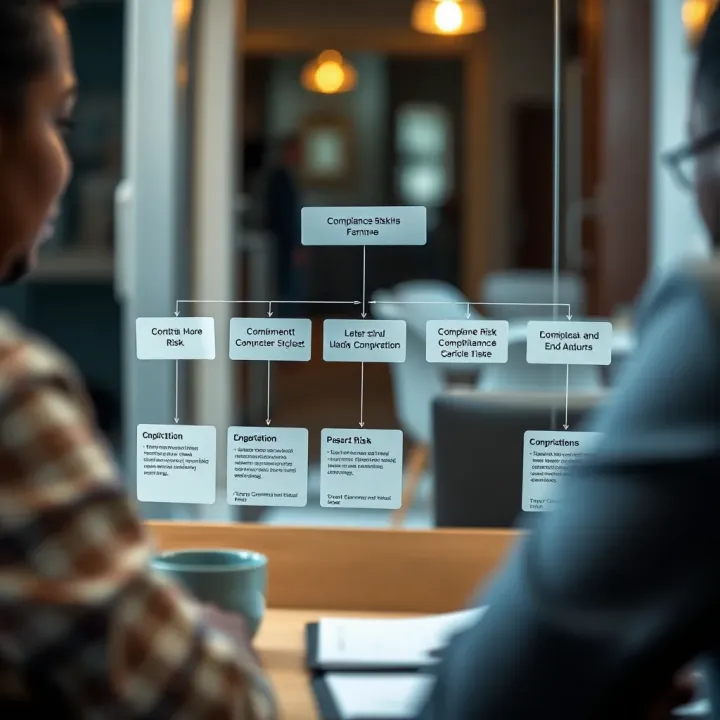
📊 Learn effective compliance risk management strategies to identify, assess, and reduce regulatory risks in Kenya. Explore tech tools and real-world insights.
Based on 14 reviews