

Effective Risk Management in Forex Trading
📊 Learn practical risk management strategies in forex trading to protect your investments, control exposure, and improve outcomes in Kenya's volatile market.
Edited By
Ethan Clarke
Effective supply chain risk management is a must for Kenyan businesses aiming to stay afloat in volatile markets. Supply chains face disruptions from many fronts — from delayed imports at Mombasa port to unpredictable weather affecting farm produce. Without solid strategies, businesses risk losing customers, money, and reputation.
Supply chain risks usually fall into three broad categories:
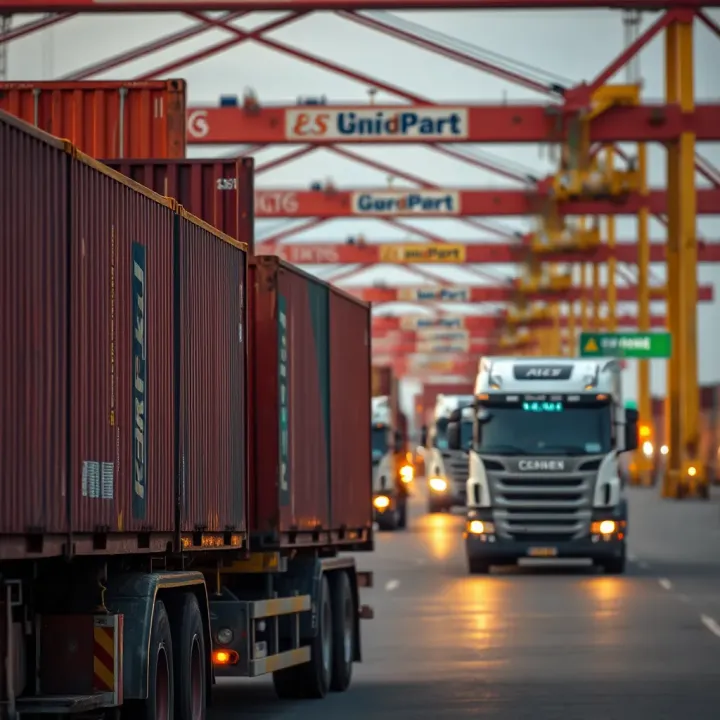
Operational risks: These include machine breakdowns in factories, transport delays due to bad roads or strikes, and workforce shortages.
Financial risks: Currency fluctuations (like changes in the value of the shilling), payment defaults, or price hikes in raw materials.
External risks: Political unrest, regulatory changes, or global trade interruptions—like those experienced during the COVID-19 pandemic.
Kenyan firms need practical risk management plans tailored to local conditions, not just imported theories.
A good starting point is identifying vulnerabilities across the supply chain. For example, a Nairobi-based importer relying heavily on a single supplier in China must have backup suppliers or stock buffers in case of shipment delays. Similarly, a tea exporter near Kericho should monitor weather forecasts and drought alerts closely to anticipate yield losses.
In addition, technology plays an increasingly vital role. Tools like GPS tracking for shipments and enterprise resource planning (ERP) systems help companies visualise logistics in real time and respond swiftly to changes. Mobile payment platforms such as M-Pesa enable quicker transactions with suppliers, reducing financial risks linked to delays.
Strong governance is equally important. Clear roles and responsibilities for risk monitoring, quick reporting channels, and routine audits ensure risks are spotted early and managed before they escalate. Kenyan companies have an edge when they involve local community knowledge and maintain good relations with suppliers and transporters.
Finally, risk management is ongoing, not a once-off activity. Businesses must regularly review risks, update contingency plans, and train staff on new risk scenarios.
By combining local insights, technology, and disciplined risk governance, Kenyan businesses can shield themselves from supply chain shocks and keep operations running smooth even in unpredictable times.
Getting a clear picture of supply chain risks in Kenya is essential for businesses to stay afloat and competitive. These risks can disrupt operations, cause delays, and increase costs. For traders and investors, understanding these threats means better planning and fewer surprises. For example, a supermarket chain relying on imported fresh produce needs to anticipate common delays at the port or shortages caused by supplier delays.
Being aware of potential risks helps businesses tailor their strategies and build resilience. Kenyan supply chains operate in a dynamic environment influenced by local infrastructure, weather patterns, and political fluctuations. Practical knowledge of these elements allows firms to allocate resources efficiently and reduce vulnerability.
Supplier failures and delays often happen due to unreliable delivery schedules or production shortfalls. For instance, a jua kali manufacturer waiting for raw materials from a single supplier may suffer production pauses if the supplier fails to deliver on time. This jeopardises customer satisfaction and revenue.
Delays also arise from upstream issues such as customs hold-ups or import restrictions. These disruptions can ripple through the supply chain causing cascading delays.
Transport and logistics challenges reflect Kenya’s roads and transport system's limitations. Many businesses face delays caused by poor road conditions or traffic congestion, particularly in Nairobi and major towns. For example, a transport company moving goods from Mombasa to Nairobi might lose valuable time through matatu traffic jams or road maintenance tolls.
Additionally, inconsistent cargo schedules and limited cold chain facilities impact perishables, resulting in losses for suppliers and retailers alike.
Political and regulatory uncertainties also add risk. Sudden changes in import duties, taxes, or policy revisions by Kenya Revenue Authority (KRA) can throw pricing and delivery plans off balance. For example, an unanticipated rise in customs duty on electronics can increase costs for distributors importing smartphones.
Political unrest during election periods may disrupt transport routes or cause security concerns impacting supply reliability.
Natural disasters and weather disruptions such as floods during the long rains season can wash out roads and bridges, halting deliveries. Farmers who supply raw materials risk crop damage from droughts or floods, which in turn affects availability downstream.
Early warning helps businesses adjust orders or find alternatives quickly before losses occur.
Infrastructure limitations weigh heavily on Kenyan supply chains. Despite improvements, some rural roads remain gravel and impassable in heavy rains. Border posts can experience long queues, delaying imports.
For example, a distributor relying on trucks to deliver goods to remote counties may face repeated delays that add to operational costs.
Reliance on single suppliers or routes increases risks sharply. If a business uses only one supplier or depends on a single highway, any disruption there can cripple the entire supply chain. For instance, blockage on the Nairobi-Mombasa highway impacts multiple importers and traders.
Having no fallback means no flexibility during crises.

Security concerns and theft also affect supply chains. Incidences of cargo theft along transport routes or at storage facilities are quite common. For a wholesaler in Kisumu, stolen goods mean direct financial loss and delayed deliveries to clients.
Investing in secure warehousing and vetting transport crews can reduce these risks.
Currency fluctuations and economic instability influence import costs and cash flow. A sudden drop in the Kenyan shilling against the US dollar raises the local cost of goods sourced abroad.
Businesses that don't hedge currency risks or adjust pricing fast enough may suffer margin erosion. For example, a retailer importing electronics might find profits dipping sharply during unstable forex periods.
Understanding these risks as they relate to Kenya’s unique environment enables businesses to design proactive measures rather than react to disruptions after they occur.
By knowing what to expect and where the weak points lie, Kenyan businesses can create supply chains that withstand local pressures and changes in the market conditions comfortably.
Identifying and assessing supply chain risks is a vital step for Kenyan businesses aiming to stay afloat in a competitive market. Without a clear picture of where vulnerabilities lie, companies risk unexpected disruptions that could cost them heavily. Analysing risks early also allows firms to allocate resources more effectively and develop targeted strategies rather than using a one-size-fits-all approach.
Supplier risk assessments help businesses understand the reliability and stability of their suppliers. In Kenya, where many suppliers might face challenges like delayed payments or political tensions, evaluating their financial health and operational capacity is critical. For instance, a trader sourcing agricultural produce must consider if a supplier depends heavily on a single crop season or has a history of supply delays during the rainy season.
Geographical risk evaluation involves examining where suppliers or logistics routes are located to anticipate risk exposure. In our context, routes passing through remote or insecurity-prone counties, such as parts of the northeastern region, may pose higher disruption risks. Likewise, coastal businesses need to consider the impact of flooding during long rains on transport routes around Mombasa.
Demand and inventory risk reviews focus on analysing demand variability and how stock levels affect resilience. Businesses in Nairobi might face sudden spikes in customer demand during festive seasons or unexpected supply shortages during strikes by transport workers. Regular inventory audits and demand forecasting can help firms prepare buffer stocks or adjust orders to prevent stockouts or overstocking,
Financial implications should guide which risks get immediate attention. A disruption causing a supplier to delay delivery by two weeks might be manageable, but a breakdown in customs clearance at the Kenya Revenue Authority (KRA) could stall the entire import process and tie up capital. Evaluating risks through potential lost revenue or additional costs helps managers focus on critical threats.
Operational disruptions affect day-to-day activities and should be assessed for downtime impact. For example, a manufacturing firm relying on a single electricity supply line risks halts during power outages, which happen frequently in some counties. Businesses can rank threats based on how they interfere with production or delivery schedules to put contingency plans in place.
Maintaining reputation and customer trust depends on consistent fulfilment of orders. Failed deliveries or poor-quality supplies can damage client relationships quickly, especially for SMEs serving local markets. Prioritising risks affecting service quality ensures that businesses do not lose hard-earned goodwill, which takes more time and money to restore.
A clear view of supply chain risks, combined with a smart prioritisation strategy, gives Kenyan businesses a solid foundation to handle disruptions with minimum damage.
By combining tools like supplier assessments and risk mapping with impact-based prioritisation, businesses can make more informed decisions. These approaches tie directly into practical strategies such as diversifying suppliers and adopting technology, which help build resilient supply chains suited to Kenya's unique environment.
Managing supply chain risks practically is essential for Kenyan businesses aiming to avoid costly disruptions. It's not enough to just identify risks; taking concrete steps can make supply chains more resilient against shocks. These strategies help businesses guard against supplier failures, transport delays, and other common issues that can easily throw operations off balance. For traders and investors, applying practical measures ensures smoother operations and preserves reputation.
Relying on a single supplier or transport route in Kenya can be risky, especially with frequent disruptions like road blockages or political protests. Diversifying means working with multiple suppliers across different regions or sourcing from both local and international markets. For instance, a retailer sourcing goods from both Nakuru and Nairobi suppliers can avoid full stoppages if adverse weather affects one area. Similarly, using varied transport options — combining road, rail, and air freight — offers fallback when certain routes face challenges. This approach spreads risk and maintains supply even when unexpected events occur.
Keeping clear and open communication with suppliers and transporters strengthens supply chain reliability. In Kenya, where unforeseen challenges like strikes or policing issues can pop up, trusted relationships help businesses get early warnings or privileged assistance. Regular updates and feedback sessions allow companies to spot rising issues before they snowball. For example, a distributor with close links to a petrol supplier might receive timely notice of fuel shortages, allowing swift stock adjustments. Transparent communication is key to managing expectations and preparing jointly for any eventualities.
Being prepared for sudden disruptions requires contingency plans that detail alternate courses of action. Three core facets are critical here:
Emergency stock and inventory buffers: Holding extra inventory cushions against supply delays. For example, a supermarket in Kisumu might keep an excess supply of fast-moving goods like maize flour or cooking oil to last through transport delays caused by heavy rains. However, carrying excess stock ties up capital and needs proper management to avoid wastage.
Alternative delivery routes: Mapping out multiple transport paths is essential. If the Nairobi–Mombasa highway is blocked due to accidents or protests, businesses can reroute shipments through Thika road or use the Standard Gauge Railway for faster delivery. This flexibility reduces the risk of complete stoppages.
Rapid response teams: Having dedicated teams ready to react to supply chain emergencies can save crucial time and money. These teams coordinate quick problem-solving on issues like customs clearance delays or sudden supplier failures. In practice, a manufacturing firm might have a logistics task force that swiftly sources local suppliers when imported raw materials stall at the port.
Practical risk management is about being proactive, not reactive. With Kenya’s unique challenges, firms that prepare through diversification, strong communication, and flexible planning stand a better chance of keeping their supply chains steady and their businesses thriving.
Tech plays a vital role in helping Kenyan businesses stay ahead of risks in their supply chains. By adopting the right tools, companies can track goods more accurately, predict potential disturbances, and speed up transactions with suppliers. This brings greater visibility and control, which is especially key in Kenya’s dynamic market where road conditions or regulatory changes can affect movement quickly.
GPS tracking combined with real-time data gives businesses eyes on their deliveries wherever they are on the map. For instance, a Nairobi-based importer can monitor a shipment coming by road from Mombasa and instantly know if there’s a delay caused by traffic jams or roadworks. This info allows managers to notify customers early or reroute trucks if needed, saving costs and keeping trust intact.
Modern inventory systems help handle stock levels more efficiently by providing instant updates on what’s coming in and going out. A retailer in Kisumu might use such software to avoid overstocking perishable goods like fresh produce or running short of popular items. This means fewer losses and satisfied customers, as well as smoother planning for orders and deliveries.
Data analytics tools help decode past trends and current signals to forecast supply chain problems before they escalate. For example, analysing seasonal weather patterns can alert agribusinesses to prepare for the long rains and possible flooding, adjusting orders or storage needs accordingly. Predictive insights like this can prevent costly disruptions and help businesses keep operations steady despite external shocks.
M-Pesa remains the top mobile payment platform in Kenya, offering security and immediacy for business payments. Using M-Pesa for supplier payments reduces the risk of cash theft or delays associated with cheque clearing. It also records transaction history that can be valuable for financial tracking and audits.
Linking supply payments directly to mobile money simplifies cash flow management. Small-scale traders supplying Jua Kali manufacturers, for example, can receive payments on the spot, speeding up production cycles and reducing chances of disputes. Besides, automated payment workflows reduce paperwork and free up time for core business activities.
Integrating technology into the supply chain is no longer optional; it’s a practical necessity for Kenyan businesses aiming to reduce risks and stay competitive in a fast-moving market. The right mix of tracking, analytics, and payment systems enables smarter decisions and smoother operations across the entire chain.
Good governance and clear policy frameworks help Kenyan businesses navigate supply chain risks more effectively. This area sets the standards and rules that businesses must follow, reducing uncertainties and promoting smooth operations. Beyond just ticking boxes, sound governance shapes how companies respond to disruptions, comply with legal requirements, and build trust with partners and communities.
Meeting Kenya Revenue Authority (KRA) requirements is a foundational part of supply chain risk management. Proper tax compliance ensures businesses avoid penalties and disruptions that could arise from audits or legal disputes. For example, a manufacturing company that accurately files VAT returns and import declarations avoids delays in customs clearance at Mombasa port, which could otherwise stall deliveries and escalate costs.
Adhering to industry standards further safeguards businesses by ensuring products and processes meet quality and safety benchmarks. Industries like agriculture and food processing in Kenya follow standards from bodies such as the Kenya Bureau of Standards (KEBS). Compliance here not only reduces risks of product rejection but also opens doors to export markets. For instance, a tea exporter who meets KEBS standards gains easier access to international buyers who demand quality certification.
Security partnerships with local authorities and community groups are vital for protecting supply chains from theft, vandalism, and delays. Transporters carrying goods across insecure routes in counties such as Migori or Lamu benefit from collaborating with local askaris or security squads to escort shipments. These alliances help avoid losses and build goodwill, which is often crucial in Kenya’s diverse security landscape.
Stakeholder collaboration extends to working hand in hand with municipal councils, suppliers, and even other competing firms to strengthen the entire supply network. This cooperation can take the form of sharing information on road conditions, policy changes, or vendor reliability. A practical example is Nairobi suppliers pooling resources to negotiate better rates with transport firms or to jointly lobby for infrastructural improvements in areas affecting their deliveries.
Effective governance and policy are not just about regulation; they create an environment where supply chains can operate with trust, resilience, and minimal disruption.
By prioritising compliance, fostering security partnerships, and encouraging collaboration, Kenyan businesses can handle supply chain risks with more confidence and less guesswork.
📊 Learn practical risk management strategies in forex trading to protect your investments, control exposure, and improve outcomes in Kenya's volatile market.

Learn how risk management 📊 boosts business growth, ensures financial stability 💰, improves compliance ✔️, and protects your reputation in Kenya.

Explore forex trading basics tailored for Kenyan beginners 🇰🇪. Learn how the market works, key strategies, tools, and risks to trade confidently 💹.

📊 Learn to spot key forex chart patterns and use them effectively in your trading strategy. A clear, practical guide for Kenya’s forex traders.
Based on 13 reviews