

Forex Trading in Kenya: A Practical Guide
📈 Learn how forex trading works in Kenya, explore local regulations, trading strategies, risks, and steps to start earning through M-Pesa and online platforms.
Edited By
Matthew Foster
The NZD to KES exchange rate shows how much one New Zealand Dollar (NZD) is worth in Kenyan Shillings (KES). This rate changes constantly due to market forces, trade relations, and economic factors in both New Zealand and Kenya.
For traders and investors, keeping a close eye on this rate helps in making informed decisions about currency trades, hedging risks, or planning international payments. For example, a Kenyan business importing goods from New Zealand will find fluctuations in this exchange rate directly impact their costs.
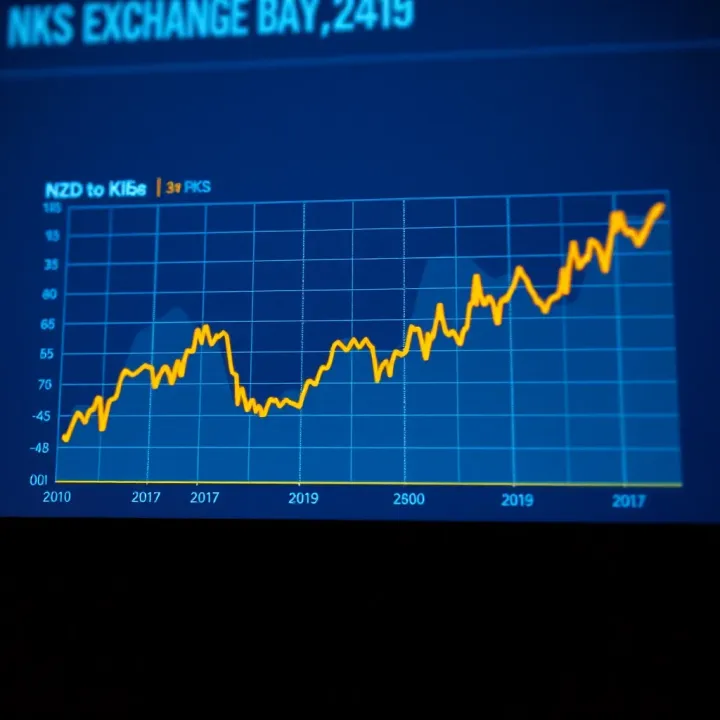
Several factors influence the NZD to KES rate:
Interest rates: If New Zealand’s central bank raises rates, the NZD often strengthens as it attracts foreign capital seeking better returns.
Trade balance: A trade surplus in New Zealand (more exports than imports) can boost the NZD as demand for the currency rises.
Commodity prices: New Zealand’s economy depends significantly on commodities like dairy. Price shifts here affect the currency’s strength.
Political and economic conditions: Political stability in either country or regional economic policies can impact investor confidence.
Exchange rates aren’t purely about numbers — geopolitical shifts and unexpected events can cause sudden swings that traders must be ready for.
Check the latest exchange rates through reliable sources like financial news outlets or currency platforms to get real-time data.
For businesses, consider forward contracts or currency options to lock in favorable rates and reduce exposure to sudden changes.
For individuals traveling or sending money, compare rates from banks, currency exchanges, and online money transfer services. Some offer better rates with lower fees.
Knowing how this rate behaves helps you anticipate changes and plan accordingly, whether you’re analyzing market trends or managing currency risk in your business.
Exchange rates reflect the value of one currency against another. In practical terms, the NZD to KES rate shows how many Kenyan shillings it takes to buy a single New Zealand dollar. This rate constantly moves due to market demand and supply, economic news, and geopolitical events. For example, a rise in New Zealand’s interest rates often strengthens the NZD against the KES, making imports cheaper for New Zealanders but costlier for Kenyans buying Kiwi products.
There are two main types of rates to consider: spot rates and forward rates. Spot rates are the current prices for exchanging currencies immediately or within two business days. They matter for anyone making instant transactions, such as a traveler exchanging money at the airport or a business paying an invoice today. Forward rates, on the other hand, are agreed-upon rates for currency exchange at a future date. These help businesses manage risk by locking in rates today to avoid surprises later—handy when dealing with supplier contracts or planned investments.
Trade between New Zealand and Kenya is modest but growing, mainly in agriculture and manufacturing sectors. Kenya imports dairy products and machinery from New Zealand, which means businesses rely on the NZD to KES exchange rate to price their goods correctly and ensure profitability. Similarly, New Zealand firms interested in Kenyan horticultural exports need to watch the rate closely to stay competitive.
For travelers and investors, the NZD to KES rate directly impacts costs and returns. Kenyan tourists visiting New Zealand might find trips more expensive if the NZD strengthens. Likewise, an American investor with exposure to commodities traded in these currencies must monitor shifts in the exchange rate to gauge potential gains or losses. Even remittances sent between the countries are affected, making it vital for individuals and families to time their transfers wisely.
The bottom line is that the NZD to KES exchange rate is not just numbers—it influences real business decisions, travel budgets, and investment outcomes.
Understanding these aspects gives you a clearer picture of why this exchange rate matters and how to use this knowledge effectively in your financial planning or strategy.

GDP growth acts like the heartbeat of an economy, and the stronger it is, the more attractive that currency tends to be. For example, if New Zealand posts steady GDP gains—say 3% annually—confidence in the NZD usually rises. On the flip side, if Kenya’s economy grows faster, perhaps driven by sectors like agriculture or tech startups, it can boost demand for the Kenyan shilling, pushing up its value against the NZD. For traders, watching quarterly GDP reports from both countries gives a clear signal of which way the exchange rate might swing.
Inflation rates and central bank interest decisions play a tug-of-war with the exchange rate. If New Zealand triggers interest rate hikes to counter inflation, NZD could strengthen as investors chase better returns. Conversely, rising inflation in Kenya without a matching increase in interest rates might devalue the KES because purchasing power declines. This dynamic is often a real-time indicator for investors who adjust positions in forex markets based on the gap between New Zealand’s and Kenya’s inflation and interest landscape.
Political certainty tends to calm currency markets. Suppose Kenya experiences election-related tension or unexpected policy shifts—this uncertainty usually weighs down the KES. Meanwhile, New Zealand's stable political environment can make the NZD a safer bet during turbulent times. Anyone dealing with the NZD to KES exchange should keep a close eye on news about government stability, trade agreements, or tax reforms, as these can spark immediate currency reactions.
Both New Zealand and Kenya are influenced by global commodity markets but in different ways. New Zealand, with its dairy exports, closely tracks global milk prices. A slump there can soften the NZD since export revenues drop. Kenya, depending significantly on tea and coffee exports, sees the KES sway with international commodity prices too. Additionally, broader market trends like shifts in US dollar strength or geopolitical tensions can indirectly affect the NZD to KES rate. Staying updated on steel, oil, and agricultural prices alongside market sentiment offers an extra layer of understanding for forecasting currency moves.
Keeping tabs on these economic and political factors provides a practical roadmap for anticipating shifts in the NZD to KES exchange rate, helping traders and investors act on informed insights rather than guesswork.
Tracking recent trends in the NZD to KES exchange rate is essential for anyone dealing with currency conversion between New Zealand and Kenya. These movements give traders and investors a snapshot of the economic health, help forecast future currency behavior, and allow businesses to plan their financial strategies more effectively.
Notable spikes and dips in the NZD to KES rate often reflect major economic events or shifts in market sentiment. For example, during the global COVID-19 outbreak in early 2020, the NZD significantly weakened against the KES due to New Zealand's strict lockdowns and economic slowdown, while Kenya's relative economic stability cushioned the shilling. On the flip side, spikes have occurred when New Zealand's commodity exports surged, boosting the NZD's strength. Understanding these swings lets traders time their buys or hedges to avoid costly surprises.
Comparison with regional currencies adds another layer of insight. The Kenyan shilling tends to stay more stable against regional peers like the Tanzanian shilling or Ugandan shilling, but the NZD to KES pair can be more volatile due to the large geographic and economic gaps between New Zealand and East Africa. For instance, while the NZD might wobble slightly against the USD or AUD, its movement against the KES can be more pronounced because of Kenya’s unique inflation rates and monetary policies. This variance means businesses operating regionally need to pay close attention to cross-rate influences, not just direct NZD/KES changes.
Short-term forecasts for the NZD to KES rate suggest modest fluctuations influenced by New Zealand's upcoming central bank rate decisions and Kenya's inflation reports. Analysts expect slight strengthening of the NZD against the KES in the next 3 to 6 months, backed by New Zealand's economic recovery signals and Kenya's ongoing efforts to control inflation. Staying on top of these signals can prevent overpaying during currency exchanges.
Factors shaping near-future fluctuations include global commodity prices, especially dairy and meat exports that form much of New Zealand’s trade. If demand drops in China or the US, the NZD could weaken, affecting its value against the KES. Additionally, political developments in Kenya—such as election cycles or fiscal policy shifts—may cause the shilling to fluctuate unpredictably. Investors and exporters who keep an eye on these factors can better navigate sudden exchange rate shifts.
For traders and businesses, staying informed about these recent trends and outlooks helps manage risks and spot profitable opportunities in the NZD to KES exchange market.
Keeping an eye on the NZD to KES exchange rate is essential for traders, investors, and businesses dealing with currency conversions between New Zealand and Kenya. Exchange rates can shift daily due to economic and political events, so timely, accurate information helps you make smarter decisions. Knowing where and how to track these rates could save you from costly surprises or missed opportunities.
Official financial institutions and central banks serve as the first stop for accurate and trustworthy data. The Reserve Bank of New Zealand and the Central Bank of Kenya publish official exchange rates regularly. These sources are reliable because they reflect market realities without commercial bias. For example, if you're planning to hedge currency risk or plan payments, you’d want rates grounded in official benchmarks.
Official institutions often provide additional economic data too, like inflation figures or interest rates, which can affect those rates over time. This broader context helps analysts get a clearer picture of what might move the rate next.
Currency conversion websites and apps offer quick, accessible information, perfect if you need a fast snapshot or want to compare different service providers. Popular platforms like XE, OANDA, and Bloomberg update their data frequently to reflect market changes in near real time. These tools also let you convert specific amounts instantly, and some show historical charts to help spot patterns.
However, rates on consumer sites might slightly differ from the official ones due to fees or margins added by intermediaries, so use them for guidance rather than making final financial decisions.
Mobile apps and online platforms cater to those needing constant updates. Apps like ForexTrader or Investing.com let you monitor NZD to KES in real time. These platforms often provide tools to analyze market trends and access economic news impacting exchange rates. Traders especially benefit since they can react quickly to shifts rather than relying on daily snapshots.
Smartphones make it easy to stay connected wherever you are. Being able to check rates before a transaction or investment means you can time your moves better. For instance, if the exchange rate suddenly improves, you could act immediately instead of waiting and losing potential gains.
Setting up notifications for rate changes ensures you don’t miss important movements. Many apps and platforms let you configure alerts for when NZD to KES hits a specific level or changes by a certain percentage. This proactive approach takes the guesswork out of manual monitoring.
For example, a business planning to pay Kenyan suppliers might set an alert to notify when the NZD gets stronger against KES by 1%, signaling a favorable time to exchange money. These alerts save time and reduce the stress of constantly checking market values.
Staying informed through official sources and real-time tools is the best way to navigate the unpredictability of currency markets, especially with pairs like NZD to KES that can experience volatile shifts. Regular monitoring and timely alerts can give you a solid edge whether you’re trading, investing, or managing expenses abroad.
When dealing with the NZD to KES exchange rate, practical tips can save you money and headaches. Whether you're a business planning payments or a traveler exchanging cash, knowing how to get the best value and manage risks matters. These insights focus on real-world decisions like where and when to exchange, plus how to shield against currency swings.
Choosing between banks, bureaus, and online services often trips people up. Banks provide security and may offer competitive rates, especially for larger sums, but their service fees can add up. Currency exchange bureaus might be handier for travelers needing cash quickly, but rates usually include wider spreads. Online currency exchange platforms are growing in popularity because they often combine competitive rates with lower fees, plus convenience. For example, a Kenyan exporter receiving NZD payments might prefer an online service like Wise or OFX to convert funds directly to KES at close to mid-market rates, avoiding hefty bank charges.
Avoiding hidden fees and unfavorable spreads is critical. It's easy to get blindsided by poor offers when a service claims a “great” rate but tacks on a wider spread — the difference between the buying and selling price. Sometimes, fees hide in poor exchange rates rather than an upfront commission. A traveler converting $500 may lose $20 or more by accepting a low rate. Always ask for the full cost, including any fees or commissions, before committing. Also, compare multiple providers right before exchanging to spot significant differences in cost.
Hedging currency risks is more common for businesses than casual travelers but can help anyone trusting future currency values. A Kenyan importer paying suppliers in New Zealand might use forward contracts to lock in today's NZD to KES rate for payments due months later, avoiding surprises if the Shilling weakens. This approach demands some financial understanding but can save substantial sums. Even simple options like holding funds in separate currency accounts for a short while allow more flexible timing.
Timing currency conversion for better rates hinges on monitoring market trends without trying to predict the impossible. While exact timing is tough, watching economic news and NZD-KES market shifts can indicate better windows to exchange. For travelers, exchanging large amounts well before a trip or using prepaid cards with fixed rates helps avoid last-minute poor rates at airports. Businesses might schedule payments to take advantage of favorable swings or negotiate payment terms aligned with rate patterns.
The bottom line is that being proactive—by comparing options, understanding fees, and using risk management tools—helps anyone dealing with NZD to KES exchange make smarter, more cost-effective decisions.
📈 Learn how forex trading works in Kenya, explore local regulations, trading strategies, risks, and steps to start earning through M-Pesa and online platforms.

Learn how to convert decimal numbers to binary step-by-step 🧮. Understand number systems, tackle common challenges, and see real-world applications in Kenya 🇰🇪.

📈 New to forex? This practical guide breaks down key concepts, tools, and strategies to help Kenya beginners trade confidently and make smart choices. 💡

Explore how to build and maintain practical Enterprise Risk Management frameworks 🛡️ for stronger oversight, compliance, and smarter decisions in Kenya and beyond.
Based on 14 reviews