
Understanding Binary Subtraction: A Clear Guide
Learn how binary subtraction works 🔢 with clear steps on borrowing and two's complement methods, plus real computing examples useful for tech enthusiasts in Kenya 🇰🇪.
Edited By
James Thornton
Understanding the gold price per gram is essential whether you're a trader, investor, or analyst. Gold's price is quoted daily, reflecting its value in dollars for each gram, but this figure doesn't just pop up from thin air—it depends on several key factors.
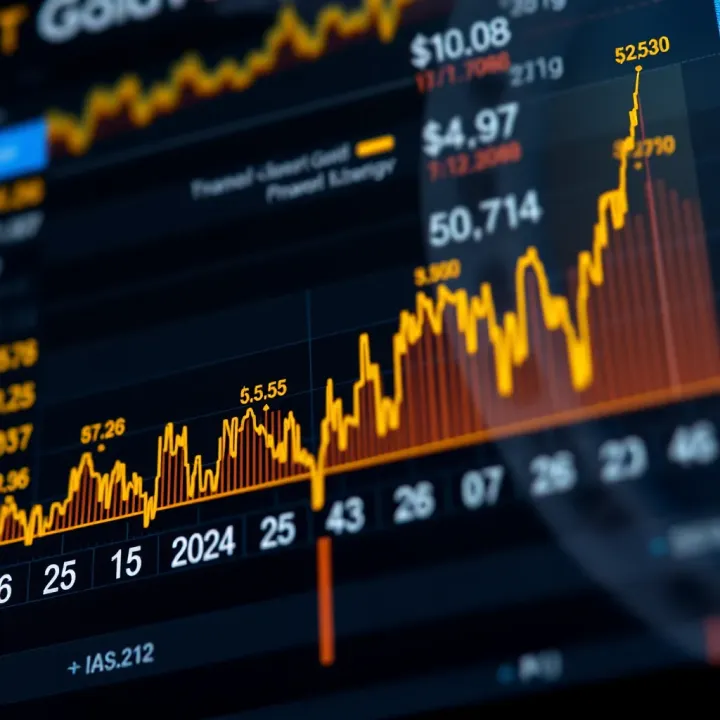
The gold price per gram starts with the spot price, which is the current price for one troy ounce (about 31.1 grams) of pure gold in the global market. To convert this to a per gram price, simply divide the spot price by 31.1. However, this is just the starting point. The final price you see also depends on purity, market demand, and currency fluctuations.
Gold is never traded as 100% pure in everyday transactions. Jewelry and investment products might range from 24-karat (pure gold) to 14-karat (58.5% gold). For example, a 14-karat gold bar will cost less per gram than a 24-karat bar, even if the spot price remains the same. So, always check the karat or fineness (measured in parts per thousand, like 999 for pure gold) when figuring out the price.
"The gold price you pay depends not only on the market but also on the product's purity and form."
Gold prices fluctuate due to multiple factors, including:
Global economic events: Inflation, interest rates, and currency strength push gold prices up or down.
Supply and demand: Mining output, central bank activity, and investor appetite influence availability.
Geopolitical tensions: Uncertainty often sends investors buying gold as a safe haven.
Reliable, up-to-date gold price information is available through financial news sites, commodity exchanges like COMEX, and specialized platforms such as Kitco. Remember, prices update every few seconds during trading hours, and small variations are normal.
If you're investing or trading gold, always watch for the bid-ask spread—this can add extra cost when buying or selling. Also, consider storage and insurance fees if you hold physical gold.
Knowing these basics sharpens your ability to shop smart, trade effectively, or analyze market trends in gold priced by the gram. Keep your eye on purity, spot prices, and market signals to make informed moves.
Understanding how the price of gold per gram is determined helps traders, investors, and brokers make informed decisions. Gold's value changes constantly, so knowing the factors behind its price clarifies what you pay or gain from each investment.
Understanding Spot Price
Spot price is the current price at which gold can be bought or sold for immediate delivery. It's the benchmark used across global markets and updates frequently during trading hours. For example, if the spot price reads $1,950 per troy ounce, that's what gold is worth right now without considering dealer premiums or fabrication costs.
This price reflects real-time supply and demand conditions. When economic uncertainty spikes, spot prices often rise because gold is seen as a safe haven. Keeping an eye on the spot price is critical for anyone trading gold since it shows the base value before any markups.
Why Gold Is Traded by Weight
Gold is typically traded by weight rather than volume because its value depends on purity and mass, not size or shape. Unlike commodities like oil or grains, the worth of gold is linked directly to how much of the metal you have. This approach also ensures fairness — a one-gram gold coin and a ten-gram gold bar are priced proportionally based on weight, assuming the same purity.
Weight trading benefits investors by allowing precise transactions. For instance, you can buy exactly five grams of gold to match your budget or investment goals without needing to round up. This flexibility is especially helpful for smaller-scale buyers.
Troy Ounce vs. Gram Measurements
The gold market uses troy ounces as the standard measurement, where one troy ounce equals roughly 31.1035 grams. This system dates back centuries and is still the main unit for pricing gold on international exchanges. However, everyday buyers and some dealers prefer grams because the metric system is easier to understand and apply.
Practically speaking, if you see a gold price quoted in troy ounces, converting it to grams gives you the exact cost per gram. For example, if gold trades at $1,950 per troy ounce, dividing that by 31.1035 gives about $62.69 per gram.
Calculating Price Per Gram
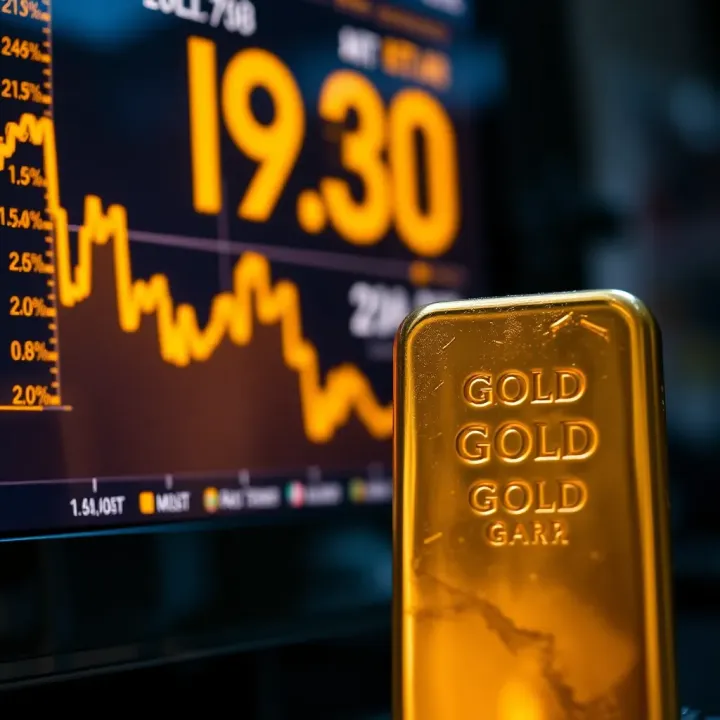
Calculating the price per gram involves a simple division: take the spot price per troy ounce and divide it by 31.1035. This lets investors compare prices across different formats and purities.
Here’s a quick example:
Spot price: $1,950 per troy ounce
Price per gram = $1,950 ÷ 31.1035 ≈ $62.69
Knowing this helps you evaluate smaller gold purchases with precision. If a retailer sells a 10-gram gold bar, multiply $62.69 by 10 to find the base gold cost. From there, consider premiums or taxes. This clarity is crucial when tracking gold price today by grams and making savvy investment choices.
Staying sharp on how gold price per gram is set equips you to spot good deals, avoid overpaying, and understand market moves better.
Gold prices fluctuate daily due to a mix of forces that can be tricky to track unless you know what to watch. Understanding these factors helps investors and traders make smarter moves, especially when prices change on a dime.
Investor Behavior plays a big role in gold price shifts. When investors rush to buy gold, often seen during economic uncertainty or inflation fears, demand spikes, pushing prices up. For example, during the 2008 financial crisis, gold prices surged as people sought a safer haven. Conversely, when confidence in the stock market returns, investors often sell gold for higher-return assets, causing prices to drop.
Central Bank Policies also impact gold prices directly. Central banks hold large gold reserves and decide when to buy or sell. If a central bank signals plans to increase gold buying to back its currency or diversify reserves, the market reacts with higher gold prices. For instance, in recent years, the People’s Bank of China boosting its gold stock helped lift gold prices globally. On the other hand, selling large amounts can flood the market, suppressing prices.
Economic Indicators offer clues about where gold prices could head. Reports like inflation numbers, unemployment rates, and GDP growth influence investor sentiment. Rising inflation usually means higher gold prices, as gold is seen as a hedge against inflation. For example, the U.S. Consumer Price Index (CPI) rising beyond expectations often triggers a gold price uptick.
Geopolitical Tensions spark uncertainty, making gold attractive as a safe-haven asset. Events such as conflicts, trade wars, or political instability cause investors to flock to gold, driving prices up. A recent case: tensions in the Middle East or trade disputes between the U.S. and China often lead to sudden gold price jumps as traders seek shelter.
U.S. Dollar Impact is a big deal because gold is priced in dollars worldwide. When the dollar weakens, gold becomes cheaper for holders of other currencies, boosting demand and prices. For example, if Federal Reserve policies lead to a weaker dollar, gold prices typically respond by rising.
Exchange Rate Effects also affect local gold prices when converted from dollars to other currencies. Changes in exchange rates can make gold more expensive or cheaper outside the U.S., influencing demand. Say the euro gains against the dollar; Europeans might find gold cheaper, increasing their purchases and affecting global prices indirectly.
The bottom line is that gold prices react to a complex web of demand, supply, economic signals, and currency moves. Staying aware of these drivers helps you use gold price data smartly, whether trading or investing.
Knowing where and how to track gold prices in real time is key for traders, investors, and brokers alike. Whether you're aiming to time a purchase or figure out the best moment to sell, having access to accurate, up-to-date information prevents surprises and helps you make smarter decisions. Gold prices can jump on the back of breaking news or shifting market sentiment, so relying on outdated sources can leave you behind the curve.
Financial news outlets like Bloomberg, CNBC, and Reuters are go-to hubs for the latest gold price updates. They offer more than just raw numbers; you get analysis, market sentiment, and context to understand the price movements. For example, during economic reports or geopolitical events, their commentary helps you grasp why gold is reacting a certain way. The prices they publish come from a mix of exchanges and commodity markets, often updated every few minutes.
These websites also let you compare gold’s performance against other assets like stocks or the dollar, giving a bigger picture for portfolio decisions. However, it’s crucial to cross-check their prices with commodity-focused sources, as slight delays or discrepancies might appear.
Platforms like Kitco, the London Bullion Market Association, and COMEX provide live pricing straight from the heart of metals trading. These platforms specialize in gold and silver markets, offering real-time spot prices and historical charts. Their data reflects actual trading activity, which is useful for anyone involved in buying or selling physical gold or futures.
Using commodity platforms ensures you’re not just seeing reported prices but prices based on today's market trades, limiting risks from outdated quotes. Plus, they often include detailed info on premiums, storage costs, and purity grades that can affect your final price when buying by the gram.
Choosing the right mobile app can streamline your gold tracking efforts. Look for apps that update prices frequently—some as often as every few seconds—and offer alerts for your desired price points. Extra features like portfolio tracking, historical graphs, and newsfeeds help you stay informed on the factors behind price changes, not just the numbers.
Another helpful feature is multi-currency support, especially if you deal with international transactions or want to see gold prices in dollars and other currencies. User-friendly interfaces and customization options make the apps practical for quick checks during busy days.
Popular mobile apps like Kitco Gold, Gold Price Live, and Investing.com provide solid, reliable gold price tracking on your phone or tablet. Kitco Gold, for instance, stands out with its minute-by-minute updates straight from major exchanges and customizable alerts.
Investing.com offers an integrated experience with other commodity prices and financial instruments, handy for those juggling broader market trends. Gold Price Live is known for simplicity and quick access to spot prices and charts.
Staying informed about gold prices in real time helps you spot opportunities and avoid costly mistakes. Using reliable sources and the right apps ensures you’re always a step ahead in the fast-moving world of gold trading.
Knowing how to use gold price information effectively can save you money and improve your investment decisions. Gold prices fluctuate not just by the ounce but also by gram, so understanding these practical details helps you buy or sell at the right time and avoid unnecessary costs.
When buying or selling gold, the weight in grams directly impacts the cost. Gold is typically priced per gram based on its purity and the current spot price. Smaller quantities tend to have higher premiums, making a 1-gram gold coin or bar more expensive per gram than a 100-gram piece. For example, a 100-gram bar might have a premium of $3 per gram, while a 1-gram coin could carry a $10 premium per gram due to manufacturing and distribution costs.
This price difference matters if you're aiming to invest on a tight budget or make bulk purchases. Understanding that smaller weights often come with relatively higher costs helps you plan whether to accumulate gold gradually or make a one-time larger purchase.
Gold purity significantly affects pricing. The most common standard in the U.S. is 24-karat gold (99.9% pure), often labeled as "999 fine gold." Jewelry might be 14K or 18K, which means 58.5% and 75% gold content respectively. Since lower karat items contain less gold, their price per gram is proportionally lower.
For example, a 10-gram necklace with 14K gold has about 5.85 grams of pure gold. If the spot price is $60 per gram, the pure gold value is roughly $351, but the actual jewelry price includes workmanship and design. Investors wanting just the metal content should focus on 24K products to avoid paying extra for alloys.
Premiums are extra costs above the spot gold price charged by sellers to cover minting, distribution, and markup. These can vary widely between dealers and products. For instance, collectible coins might carry a 10–20% premium while bullion bars typically have 3–5%.
Buyers need to ask about premiums upfront and compare prices across dealers. Also, factor in sales tax, storage fees, or shipping costs, which can eat into your returns. Asking for a full price breakdown helps avoid unpleasant surprises when completing a purchase.
Always remember: the spot price is just the starting point; premiums and fees determine what you actually pay or receive.
Gold prices can swing daily due to global events, currency shifts, and economic data releases. If you buy gold when prices spike, you might lose value if prices drop shortly after. Conversely, waiting too long might mean missing out on gains.
One way to handle this is to track gold prices consistently and set target prices for buying or selling rather than reacting impulsively. Using alerts on apps or financial platforms can keep you informed without obsessing over every tick. Remember, gold tends to be a long-term store of value, so short-term fluctuations are normal.
Understanding these practical aspects helps you navigate gold markets more confidently, saving money and building your investment smartly.
Learn how binary subtraction works 🔢 with clear steps on borrowing and two's complement methods, plus real computing examples useful for tech enthusiasts in Kenya 🇰🇪.

🔍 Explore binary search: learn its principles, real-world uses, stepwise execution, code examples, and how to optimize searches in sorted data efficiently.

Master binary multiplication with simple steps and clear examples 📚. Learn manual methods and digital circuit uses in computing and electronics 💻⚙️.

🔢 Explore how the binary number system works and why it’s vital in computing and electronics. Learn its advantages and real-world uses today! 💻📱
Based on 10 reviews