

Risk Management Tools for Kenyan Businesses
Explore practical risk management tools to spot and reduce business risks in Kenya. Learn how to choose and use them effectively for protection and growth 📊⚖️📈
Edited By
Alexander Hughes
When converting 15 US dollars (USD) to Kenyan shillings (KES), the actual amount you get depends on the current exchange rate, which changes constantly due to market forces. As of now, the rate hovers around 1 USD to 135 KES, meaning 15 USD would convert to roughly 2,025 KES. But don't take that number for granted—it can swing daily.
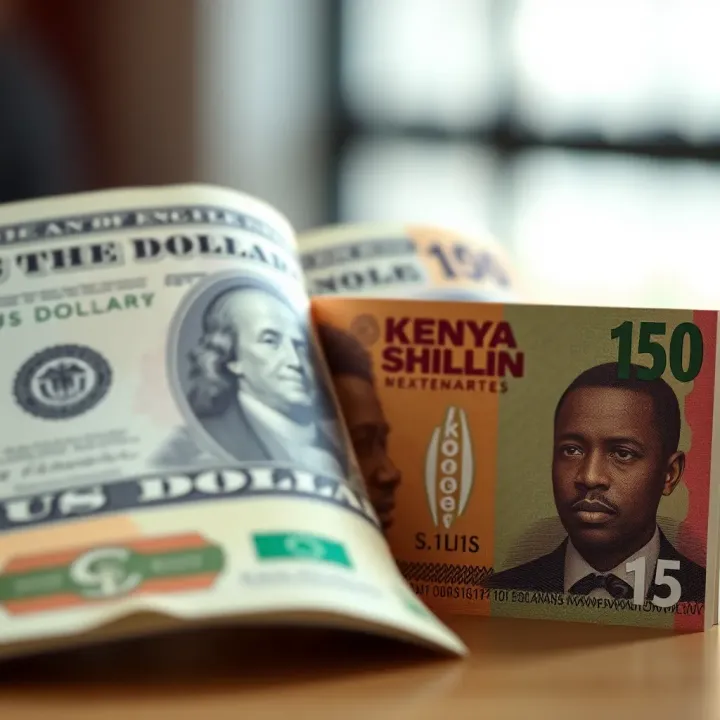
Exchange rates represent the value of one currency relative to another. They fluctuate based on factors like:
Interest rates: Higher US interest rates tend to strengthen the dollar against the shilling.
Trade balances: Kenya’s import and export levels affect demand for shillings.
Political stability: Events in Kenya or the US can cause shifts in confidence and currency value.
International markets: Global trends in commodities and investor sentiment impact both currencies.
Keep in mind: small fluctuations in the exchange rate can make a difference, especially when larger sums are involved.
If you’re a trader or investor, knowing the exact USD to KES rate helps you time your transactions for better profits or lower costs. For someone sending money home, even a slight difference in rates can affect your recipient’s spending power.
Say you’re sending your friend 15 USD through a remittance service. If the rate drops from 135 to 130 KES, their amount decreases from 2,025 KES to 1,950 KES, a loss of 75 KES.
To maximize your exchange value:
Compare rates from different sources, including banks, currency exchangers, and online platforms.
Account for fees; a service with a lower rate but zero fees may offer better overall value.
Consider timing — rates might improve during certain periods, like when Kenya’s export figures are strong.
Understanding the dynamics behind the 15 USD to KES exchange rate goes beyond just watching numbers. It’s about knowing what drives those numbers so you can make smarter money moves whether you’re investing, trading, or sending cash abroad.
Knowing the current exchange rate between the US dollar and the Kenyan shilling is key for anyone looking to convert money, whether for business, travel, or investment. The exchange rate tells you how much Kenyan shillings you get for each dollar. For example, if the current rate is 1 USD to 130 KES, then 15 US dollars would convert to 1,950 Kenyan shillings. This straightforward conversion helps you plan transactions or budgeting accurately.
Today, the rate can fluctuate slightly due to market conditions—so it’s good practice to check reliable sources frequently, especially if you’re moving significant sums. Banks, online currency converters, and financial news services commonly provide up-to-date figures.
As of the latest market close, 15 US dollars converts to approximately 1,950 Kenyan shillings, assuming an exchange rate near 130 KES to 1 USD. This rate can shift daily due to supply and demand forces in the forex market. To get an exact conversion, multiply the USD amount by the current rate:
15 USD × 130 KES/USD = 1,950 KES
This simple calculation helps you understand how much local currency you'll get when exchanging 15 dollars. Keep in mind, transaction fees or small commissions by banks or exchange services might slightly lower the amount you receive.
Exchange rates represent the value of one currency in terms of another. They guide how much foreign currency one can obtain using domestic currency. In real terms, the rate reflects the relative health, stability, and economic outlook of a country. For example, if the US economy is strong compared to Kenya’s, the dollar tends to be stronger, and you get more Kenyan shillings per dollar.
This plays directly into international trade, investment flows, and travel budgets. If you’re importing goods or sending money abroad, knowing the current rate helps you decide when to make a move to maximize your money’s value.
The spot rate is the exact exchange rate you get for immediate transactions—typically settled within two business days. If you’re converting 15 dollars right now, the spot rate applies. This rate fluctuates in real time with market forces.
On the other hand, a forward rate locks in an exchange rate today for a transaction that will occur in the future, say 30 or 90 days from now. Companies or investors use this to hedge against unfavorable shifts in currency value. For instance, if you expect to pay a Kenyan supplier in US dollars in three months, a forward contract can shield you from the Kenyan shilling weakening unexpectedly.

Understanding both spot and forward rates helps traders and investors manage currency risks effectively while planning expenditures or revenues involving foreign currencies.
In short, the current exchange rate is your go-to number for immediate currency conversion, while the forward rate serves as a contract to stabilize costs in the future.
This knowledge forms the foundation to smartly handle exchanges involving 15 US dollars to Kenyan shillings, especially as rates can vary daily and impact your bottom line.
The exchange rate between the US dollar and Kenyan shilling doesn’t just pop up out of nowhere—it’s shaped by several key factors. Understanding these influences helps traders, investors, and analysts anticipate currency movements and make smarter decisions. Let’s break down the main economic and global factors shaping this exchange rate.
Inflation differences matter a lot. When inflation in Kenya rises faster than in the US, the Kenyan shilling typically weakens against the dollar. That’s because higher inflation erodes purchasing power, making Kenyan goods and services relatively more expensive. For example, if Kenya’s inflation jumps to 7% while US inflation stays around 3%, you might see the shilling lose ground.
Interest rates play into this as well. Higher interest rates attract foreign capital since investors chase better returns. If the Federal Reserve hikes US rates and Kenya holds theirs steady, dollars become more appealing, pushing up the dollar’s value against the shilling. Conversely, if Kenya raises rates above US levels, it could help the shilling strengthen by drawing in investment.
Trade balances—exports minus imports—influence currency flows directly. Kenya’s economy relies heavily on exports like tea, coffee, and flowers. If demand for these grows overseas, more foreign currency enters Kenya, boosting the shilling’s value.
On the flip side, if Kenya imports more than it exports, it sends dollars abroad, weakening the shilling. For instance, if Kenya imports expensive machinery or fuel and its export revenue doesn't keep up, the shilling may drop.
Foreign investment also tips the scales. When multinational companies build factories or invest in Kenyan startups, they bring in dollars, strengthening the shilling. But if political risks scare investors off, capital outflows hurt the local currency.
Trust is everything in currency markets. Political stability in Kenya means predictable policies, which encourage foreign investors to hold shillings. On the other hand, elections accompanied by unrest or policy uncertainty can spook markets, driving the shilling down.
Economic policies like government spending, taxation, and regulatory changes also influence the exchange rate. For example, if Kenya’s government introduces reforms that improve business conditions, foreign investors may pour in, supporting the shilling's value. Conversely, policies that balloon the budget deficit may make investors nervous, leading to shilling depreciation.
Understanding these economic factors gives you a clearer picture of why the 15 US dollars’ worth in Kenyan shillings fluctuates. It’s not random but tied closely to real-world events and numbers.
Global market trends, such as commodity prices, geopolitical tensions, and shifts in major economies, further shape USD/KES rates. For example, a surge in oil prices can hurt Kenya's trade balance since it's an oil importer, weakening the shilling. Alternatively, a stronger US economy often boosts the dollar’s global appeal, sometimes putting downward pressure on the shilling.
Events like changes in US monetary policy or international crises also ripple through currency markets. Traders keep a keen eye on these developments since they can create sudden swings in exchange rates.
Grasping both local economic factors and wider global trends arms you with valuable insight. That way, whether you’re trading, investing, or simply exchanging money, you can better navigate the ever-changing USD to KES exchange rate landscape.
Exchanging 15 US dollars into Kenyan shillings is a straightforward task, but the method you pick can impact how much value you actually receive. Whether you're an investor hedging currency exposure or someone sending money to family, knowing practical exchange options helps you avoid unnecessary fees and get the best bang for your buck.
Banks and currency exchange desks often provide a reliable way to convert US dollars to Kenyan shillings. They set their exchange rates based on the current market rate, adding a margin to cover costs and risk. In addition, banks typically charge fees or commissions, which can vary widely depending on the institution and location.
For example, a New York bank might offer a slightly better rate for converting $15 to Kenyan shillings compared to a local currency exchange booth due to its access to wholesale currency markets. However, these banks might also charge transfer or service fees that eat into your total.
One practical tip is to shop around and compare rates before making the exchange. Some banks update their rates daily, while smaller currency exchange outlets might lag behind or add higher premiums. Also, avoid exchanging small amounts in places like airports, which often have worsened rates and higher fees.
Timing also matters — rates can shift during the day or week, influenced by market activity. If you can afford to wait, monitoring rates for a few days might save you a couple of shillings on every dollar.
Digital platforms and mobile apps have become popular for currency conversion, offering a convenient alternative to traditional banks. Popular apps like Wise (formerly TransferWise), Remitly, and WorldRemit allow users to convert and send money with competitive exchange rates and transparent fees.
Besides their ease of use, these platforms often provide real-time rate updates and lower overhead costs, which means better rates compared to physical exchange services. For instance, sending $15 through Wise might result in receiving closer to the mid-market rate for Kenyan shillings compared to conventional methods.
While the convenience of online conversions is clear, security is essential. Reputable apps use encryption and comply with financial regulations to protect your data and funds. Still, always verify the app’s authenticity, read reviews, and avoid public Wi-Fi when making transactions.
Convenience also extends to timing. Online options allow 24/7 access, letting you exchange currency outside bank hours or from anywhere with internet access. This flexibility can be a real advantage, especially for quick transfers.
Bottom line: Whether using banks or digital platforms, understanding their rates, fees, and security helps you make 15 US dollars go further when converting to Kenyan shillings.
Grasping how currency exchange rates fluctuate is vital when dealing with conversions like 15 US dollars to Kenyan shillings. Exchange rates don’t stay put; they respond to many factors, so knowing what drives these movements helps you make smarter financial decisions. Whether you're an investor timing the market or a trader looking to optimize profits, understanding these shifts can save you money and reduce risks.
Exchange rates often move in waves. Short-term changes can be abrupt, triggered by daily news, economic reports, or central bank announcements. For instance, if the U.S. Federal Reserve signals a hike in interest rates, the dollar might jump against the Kenyan shilling within hours. But these short bursts can be unpredictable and volatile.
In contrast, long-term trends usually reflect deeper economic conditions. Kenya’s consistent economic growth or the U.S.’s inflation rates over months or years create more steady shifts in the dollar-shilling rate. Traders and investors often look at long-term trends to plan for gradual currency appreciation or depreciation, avoiding knee-jerk reactions to momentary swings.
Currency values can also change with the calendar. Tourism seasons, harvest times, or major holidays can boost demand for foreign exchange in Kenya, influencing the shilling's strength. For example, during December holidays, remittances from abroad often increase, strengthening the shilling temporarily against the dollar.
Events like elections, changes in government policy, or even geopolitical tensions impact currency rates. The uncertainty before Kenya’s national elections often makes the shilling more volatile. Traders familiar with these patterns adjust their exchange strategies accordingly to avoid exposure during unpredictable periods.
Picking the right moment to convert 15 US dollars into Kenyan shillings can make a noticeable difference. Watching news related to central banks, trade deals, or political stability gives cues about upcoming rate changes. For example, converting money right after a positive economic report from Kenya could get you more shillings per dollar.
However, trying to perfectly time the market is tough. It’s often more practical to spread out exchanges or set target rates rather than rushing at the first available rate. Tools like currency alert services can notify you when rates hit a favorable level, so you don’t miss out.
For businesses or investors dealing with larger sums, forward contracts lock in an exchange rate ahead of the actual transaction date. This shields you from unexpected shifts in the dollar-shilling rate between now and then. Say you plan to pay a Kenyan supplier in three months; a forward contract can guarantee today’s rate, helping with budgeting and reducing risk.
If forwards are too complex or costly, currency alert apps are a handy alternative. These apps send notifications when the exchange rate reaches your preset threshold, enabling you to act swiftly. This straightforward approach helps individual traders and investors avoid sudden market swings.
Understanding currency fluctuations isn’t about predicting every twist and turn but about smartly managing your timing and tools to protect your money and seize opportunities.
Bottom line: By paying close attention to how exchange rates behave over time and planning your transactions carefully, you’ll handle the USD to KES conversions like a pro — minimizing surprises and maximizing value.
Explore practical risk management tools to spot and reduce business risks in Kenya. Learn how to choose and use them effectively for protection and growth 📊⚖️📈
📈 Learn forex trading basics, risks, tools & tips tailored for Kenyans. Get clear, practical guidance to trade currencies confidently and safely in Kenya's market.

📊 Understand key risk management tools Kenyan businesses use to spot, evaluate & handle risks. Learn how to embed risk control in your operations for steady growth 🌍

📊 Learn practical risk management for Kenyan businesses. Identify, assess, and handle risks using real strategies tailored to local sectors and market realities.
Based on 8 reviews