

Benefits of Risk Management for Businesses
Learn how risk management 📊 boosts business growth, ensures financial stability 💰, improves compliance ✔️, and protects your reputation in Kenya.
Edited By
Emily Dawson
Operational risk management is not just a fancy term for businesses in Nairobi or Mombasa; it’s a practical necessity if you want your venture to last. This means spotting everyday risks before they evolve into bigger issues that can cost your company time, money, or reputation.
For Kenyan businesses, operational risks come in many forms. You might face disruptions from unreliable supply chains, power outages affecting your shop or factory, mistakes in record-keeping, or fraud within the team. For example, a retailer depending heavily on M-Pesa for payments might lose sales during Safaricom network downtime if alternative payment options aren’t in place.
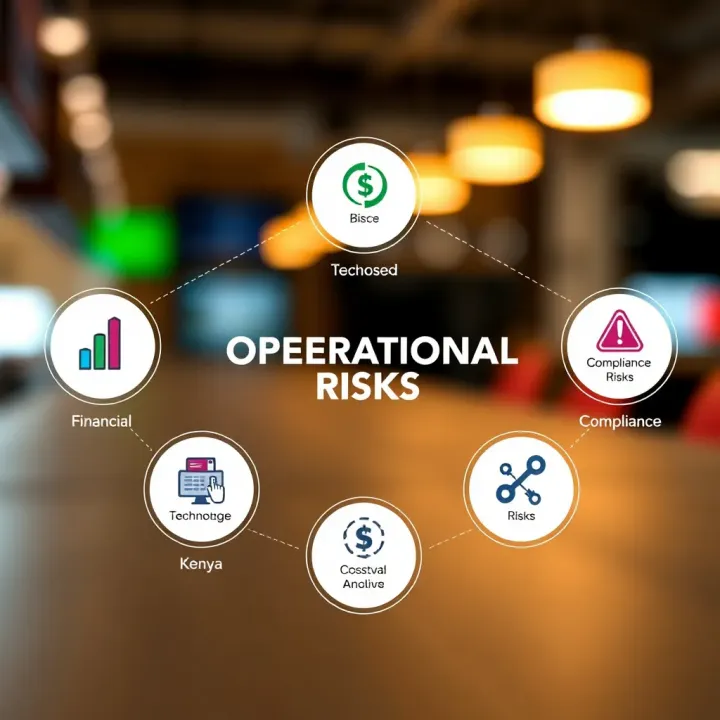
To manage these risks effectively, you need a clear process:
Identification: Know what could go wrong. This could be equipment breakdown, data loss, or even regulatory fines due to compliance lapses.
Assessment: Understand the impact and likelihood. How much would a three-day matatu strike affect deliveries or customer traffic?
Control and mitigation: Put practical measures, like backup power systems or staff training, to reduce the chance or impact of risks.
A business without operational risk management is like a boda boda rider without a helmet — exposed and vulnerable.
Technology plays a key role here. Digital record systems cut down human error; cloud backups protect data and mobile money platforms provide flexible payment options. Kenyan startups often leverage affordable tech tools, such as affordable internet plans and open-source accounting software to shore up their operations.
Regulatory compliance is another angle. Kenya Revenue Authority (KRA) and other agencies often update tax or labour regulations. Keeping up to date helps you avoid costly penalties. Regular audits and internal checks can spot inconsistencies early, helping keep your business on the right track.
In summary, operational risk management is about being alert to possible hurdles and acting before they block your path. Whether you run a market stall in Kisumu or a small factory in Nakuru, knowing your risks and planning for them is essential for lasting success.
Understanding operational risk is vital for Kenyan businesses because it affects daily operations and long-term sustainability. Operational risk refers to potential losses from failed internal processes, people, systems, or external events. It’s not just about big disasters; even small process hiccups or tech breakdowns can disrupt business activities and dent profits. For traders and investors, grasping these risks helps in making better decisions and managing exposure effectively.
Operational risk is the chance of loss from the way a business operates rather than market shifts or credit issues. For instance, delays in stock delivery due to supplier mishaps or errors in processing customer orders are classic operational risks. These risks don’t stem directly from business strategy but from execution. For a broker or analyst, recognising operational risk means factoring in potential non-financial setbacks that can impact results.
Unlike market risk, which deals with price movements, or credit risk, which concerns a borrower’s inability to repay, operational risk covers internal weaknesses or external shocks that disrupt normal operations. For example, while market risk might cause share prices to fall, operational risk could be a failed IT system that halts trading for hours. This distinction helps businesses set appropriate controls tailored to their unique challenges.
Internal process failures come from gaps in procedures that lead to errors or inefficiencies. For example, a manufacturing firm in Kenya might suffer losses if quality checks like proper measurement of raw materials are skipped, resulting in defective products. In finance, poor reconciliation procedures might result in misposted transactions, causing confusion and financial discrepancies.
Human error and fraud are constant threats. Mistakes by staff—like entering wrong data or overlooking approval steps—can cause significant setbacks. Fraud, whether insider or external, adds another layer, potentially leading to severe financial damage and reputation loss. In Kenyan banks, there have been cases where fraudsters exploit gaps in verification, underlining the need for vigilant internal controls.
Technology breakdowns disrupt business workflows and often lead to downtime. Consider a Nairobi-based e-commerce platform that depends on stable internet and reliable payment gateways. If their systems go offline or M-Pesa integration fails, sales stop immediately. Lack of robust IT maintenance or cyberattacks can escalate these risks, affecting customer trust and revenue.
External events like natural disasters or political instability also pose operational risks. Kenya’s long and short rains can cause flooding, blocking transport routes and delaying deliveries. Political unrest during election periods may restrict business operation hours or cause supply chain disruptions. Even a localised strike by transport operators can halt goods movement, showing how external factors directly impact operations.
Operational risk isn’t always visible, but ignoring it can cause losses as damaging as market-driven fluctuations. Being aware and prepared turns risk from a threat into a manageable part of business.
Understanding these operational risk sources helps Kenyan businesses develop practical controls, reduce losses, and maintain smooth operations even when challenges arise.
Recognising operational risks within the Kenyan business environment is essential for effective management. Kenyan companies face specific challenges that demand careful identification of risks to avoid surprises that could disrupt operations or lead to financial losses. By understanding where risks arise, businesses can tailor their controls and responses, thus protecting their assets and reputation.
Infrastructure challenges often top the list for Kenyan businesses. Frequent power outages, erratic internet connectivity, and poor road networks can halt production, delay deliveries, or disrupt communications. For instance, a manufacturing firm in Nairobi might face delays due to power blackouts affecting assembly lines, while a retailer relying on online orders struggles with inconsistent internet speeds. These infrastructure hiccups translate directly into operational delays and extra costs.
On top of that, regulatory environment and compliance present a distinct set of hurdles. Kenya's regulatory landscape, including guidelines from bodies like the Central Bank of Kenya (CBK) and the Capital Markets Authority (CMA), can be complex and changeable. Businesses must stay alert to tax laws, licensing requirements, and sector-specific rules. Non-compliance could mean fines or suspension, which directly risks business continuity and investor confidence.
Political and economic uncertainties have a tangible impact on Kenyan companies. Elections sometimes bring tensions or disruptions, affecting supply chains or sales. Economic shifts, such as inflation spikes or currency fluctuations, influence cost structures and income. A local importer, for example, may see costs rise suddenly if the Kenyan shilling weakens, squeezing margins unexpectedly.
Market and supply chain vulnerabilities also demand attention. Kenyan firms often rely on imports for raw materials or depend on small-scale suppliers prone to inconsistencies. This leaves them exposed to delays, quality issues, or price volatility. For example, a food processor sourcing maize from several counties may face shortages or variable quality during the short rains season, directly affecting production.
Process mapping helps businesses visualise operations step-by-step, illuminating weak points where risks might emerge. For example, mapping out the customer order fulfilment process clearly shows where delays or errors are most likely, guiding targeted interventions.
Using risk checklists provides a structured way to ensure common risk areas aren’t overlooked. Checklists tailored to Kenyan sectors can prompt teams to think about risks tied to infrastructure, compliance, or seasonal disruptions specific to their context.
Conducting interviews and surveys with staff at different levels uncovers insights from those directly involved in daily operations. Workers may highlight issues overlooked by managers, such as recurring equipment faults or unofficial workarounds that increase risk.
Finally, analysing incident reports and loss data allows companies to learn from past mishaps. For instance, tracking data on delivery delays or inventory losses helps identify patterns linked to particular suppliers or processes, informing preventive measures.
Identifying operational risks accurately in the Kenyan setting arms businesses with the knowledge to make informed decisions and protect against disruptions specific to their environment.
Assessing and measuring operational risks allow Kenyan businesses to understand which risks could significantly affect their operations. This clarity helps in preventing surprises that may disrupt business continuity or drain resources. For instance, a manufacturing firm in Nairobi might discover through risk assessment that machinery breakdown causes frequent production delays, while a retail chain in Mombasa might identify supply chain interruptions as a bigger concern. These insights enable businesses to channel efforts and budgets more effectively.
Risk scoring and ranking involves assigning numerical values to risks based on their severity and frequency. This method helps businesses prioritise risks that need immediate attention. For example, a small printing business might rank electrical outages higher than data breaches because power cuts occur more frequently and have immediate effects on printing schedules. Ranking simplifies decision-making by showing which risks can cause the most trouble at a glance.
Key risk indicators (KRIs) are measurable signals that hint at changes in risk levels, allowing firms to act early. KRIs, such as the number of failed transactions in a payment system or delay reports from suppliers, provide warning signs before risks escalate. A financial institution using M-Pesa payments might track transaction failure rates as a KRI to flag potential operational glitches, enabling timely fixes before customers lose trust.
Statistical models and scenario analysis involve using data to predict how risks might evolve and what impact they could have. These tools simulate events like a cyberattack or regulatory changes, helping businesses prepare responses. For example, an exporter could simulate delayed matatu deliveries affecting goods reaching the port, estimating costs and time lost, to design contingency plans.
Evaluating impact and likelihood means looking at both how serious a risk is and how often it might happen. For Kenyan businesses, a risk like flooding during the long rains may have a high impact but occurs seasonally, while insider fraud can happen anytime but with variable effects. Understanding this balance guides where to focus risk control measures.
Estimating potential financial losses puts numbers on what risks could cost if they materialise. A boda boda business, for example, might estimate losses from stolen motorbikes or injuries, helping set insurance cover levels or safety policies. Knowing potential losses puts risks into perspective and informs budgeting.
Aligning risks with business objectives ensures that risk management supports the company’s goals. If a wholesale distributor aims to expand to new counties, risks related to transport delays or regulatory compliance in those areas get higher priority. Alignment keeps risk efforts relevant, not just reactive.
Careful assessment and measurement shape smart actions. Without them, Kenyan businesses risk wasting time and money on minor issues while big threats grow unchecked.
Overall, combining these methods helps businesses not only detect and quantify operational risks but also prioritise which ones need urgent attention, securing smoother, more resilient operations in the Kenyan market.
Managing operational risks effectively keeps a business running smoothly despite daily challenges. Kenyan businesses face unique risks like infrastructure hiccups or sudden regulatory changes, so having clear strategies is essential. These strategies help minimise losses, protect assets, and ensure long-term stability.
Establishing internal controls and standard procedures ensures that day-to-day activities follow clear steps, reducing errors and misuse. For example, a retail shop in Nairobi might set strict cash handling policies and regular internal audits to catch discrepancies early. Clear procedures cut down confusion, ensuring everyone knows their roles and limits, which is vital in businesses where informal practices usually dominate.
Staff training and awareness equips employees with the skills and knowledge to spot risks early and handle them properly. In the Kenyan banking sector, training tellers and customer service agents on anti-fraud measures and proper transaction protocols drastically reduces fraud cases. Regular workshops also boost morale and promote a culture where everyone feels responsible for managing risks.
Use of technology to reduce human error is becoming a popular risk control method. For instance, M-Pesa and bank branches use automated transaction systems and biometric authentication to reduce mistakes and fraud. In manufacturing, sensors and automated controls help reduce accidents caused by human oversight, enhancing overall safety and efficiency.
Business continuity and disaster recovery planning prepare businesses to keep running or quickly bounce back after disruptions like power outages or floodings common in some parts of Kenya. A Nairobi-based tech firm might back up servers off-site and have a generator in place to maintain service during blackouts. These measures reduce downtime and losses while reassuring clients and partners.
Insurance products suitable for operational risk offer financial protection by transferring some risks to insurers. Kenyan businesses can consider coverages like business interruption insurance, equipment breakdown insurance, and fraud insurance. For example, a small factory in Thika investing in equipment breakdown cover can avoid massive losses when machines fail unexpectedly.
Outsourcing and partnerships help share operational risks by hiring specialised firms to handle complex or costly activities. A local retailer might outsource security or IT support to experts rather than managing in-house, reducing risks linked to those functions. Partnerships can also spread costs and risks, as when small farmers work with cooperatives to access better markets and weather price fluctuations.
Contractual risk-sharing arrangements let businesses agree upfront on how risks will be shared or handled in partnerships or supplier contracts. For example, a construction company in Mombasa may negotiate contracts that specify who bears the loss if building materials are delayed due to transport issues. Clear contracts prevent disputes and clarify responsibility.
Effectively managing operational risks combines prevention, resilience, and sharing strategies. Kenyan businesses that adopt these practical steps position themselves better to survive shocks and seize opportunities.
Good governance and strict compliance play a central role in managing operational risk for Kenyan businesses. They set the framework that ensures risks are identified, assessed, and handled responsibly. This brings clear benefits, including improved decision-making, reduced financial losses, and enhanced reputation among customers and regulators.
Incorporating risk management in decision-making involves leaders actively considering risk factors in their daily business choices. For example, a CEO deciding on a new supply partner would evaluate risks like delivery delays or payment fraud before signing contracts. This practical approach helps prevent surprises and keeps the business resilient against disruptions.
Leadership that values operational risk pushes risk awareness beyond the boardroom. When managers regularly discuss risk in meetings and require risk assessments for projects, it becomes part of the company’s DNA. This integration results in smarter investments, smoother operations, and fewer costly mistakes.
Building a risk-aware organisation means every employee understands their part in managing risk. Simple steps like regular training on fraud prevention or IT security enable staff to spot issues early. A bank employee, for instance, who notices unusual transaction patterns can quickly alert the compliance team, staving off bigger losses.
Embedding risk culture also encourages open communication where workers feel safe reporting errors without fear of punishment. This openness uncovers hidden risks and encourages continuous improvement, strengthening the organisation's operational risk shield.
Reporting and accountability are vital to track operational risks and ensure corrective actions are taken. Establishing clear reporting lines means risks detected by frontline staff reach decision-makers quickly for prompt action.
For example, a logistics firm might use weekly risk reports highlighting delays or vehicle breakdowns, enabling fast response such as rerouting or maintenance. Naming responsibility for managing specific risks also ensures accountability and prevents issues from falling through the cracks.
Central Bank of Kenya guidelines set the tone for operational risk management in financial institutions. Banks and microfinance organisations must comply with CBK rules that dictate risk controls, capital buffers, and reporting standards. These rules aim to protect customers’ savings and stabilise the financial system.
Adhering to CBK guidelines is not just legal compliance; it also reduces operational failures that might lead to hefty fines or reputation loss. Banks that proactively manage risks aligned with CBK standards often enjoy smoother operations and better investor confidence.
Capital Markets Authority (CMA) directives govern investment firms, brokers, and listed companies. CMA requires these entities to incorporate operational risk frameworks that identify vulnerabilities such as ICT failures or insider fraud.
These directives encourage transparency through comprehensive risk disclosures in financial statements. Firms that align closely with CMA’s risk requirements often attract more investment by showing they can manage uncertainties effectively.
Other sector-specific regulations come into play depending on the industry. For instance, insurance firms must follow the Insurance Regulatory Authority (IRA) rules, while telecommunications companies answer to the Communications Authority of Kenya (CAK).
Each regulator sets particular operational risk expectations, such as data protection standards or customer complaint handling. Kenyan businesses that stay updated and compliant with relevant regulations avoid penalties and boost stakeholder trust, helping sustain long-term growth.
Strong governance combined with clear compliance requirements forms the backbone of successful operational risk management in Kenya’s diverse business environment. It empowers organisations to actively control risks and meet statutory obligations, supporting stability and growth.
This governance and compliance framework is vital for traders, investors, analysts, and brokers who rely on a company’s sound risk management to make informed decisions in the Kenyan market.
Technology is reshaping how Kenyan businesses tackle operational risks by providing tools that improve monitoring, reporting, and control. Digital solutions enable firms to spot potential issues quickly, reducing losses and boosting efficiency. For example, small and medium enterprises (SMEs) in Nairobi often use specialised risk management software to handle compliance and track financial irregularities in real-time.
Risk management software simplifies the process of identifying and tracking risks across different departments. These platforms consolidate data from sources like transaction logs, employee reports, and external news, offering a dashboard where managers can view risk indicators at a glance. Several Kenyan banks and microfinance institutions use software like Resolver or LogicManager to meet Central Bank of Kenya regulations efficiently.
Such software also allows automated alerts when certain risk thresholds are exceeded. This proactive approach helps prevent minor issues from snowballing into bigger problems that could affect operations or reputation.
Automation of controls removes some manual tasks that are prone to errors or delays. For instance, automating invoice approvals or access controls reduces the chance of fraud or unauthorized activities. Kenyan manufacturing firms increasingly employ sensors and control systems that automatically shut down faulty machinery, preventing costly downtime or accidents.
By relying on automation, businesses not only reduce human error but also free up staff time to focus on more complex risk management activities. This shift leads to stronger internal controls and faster responses to risks.
Data analytics and real-time risk tracking empower Kenyan businesses to harness large volumes of operational data for smarter decisions. Analytics tools sift through historical and current data to spot patterns, such as recurring supplier delays or spikes in customer complaints.
Access to real-time monitoring means companies can respond instantly to emerging risks, such as fraud attempts or system failures. Retail chains like Naivas use data analytics to optimise supply chains and quickly adjust when disruptions occur, helping to keep shelves stocked during unpredictable market conditions.
Common cyber threats in Kenyan businesses include phishing scams, ransomware attacks, and data breaches. With the widespread use of digital payments like M-Pesa and increasing internet access, cybercriminals find fertile ground. A typical example is a phishing email impersonating a supplier to trick finance departments into paying fake invoices.
These threats not only jeopardise financial assets but can also damage customer trust and lead to costly regulatory fines, especially under Kenya’s Data Protection Act.
Protective measures and policies must be tailored to local business realities. Multi-factor authentication, secure Wi-Fi networks, and regular software updates reduce vulnerabilities. Kenyan firms often combine these technical safeguards with clear policies that define acceptable IT use and incident reporting protocols.
These measures also cover data backups and disaster recovery plans, ensuring that operations can resume swiftly after an attack or system failure.
Employee training on cybersecurity is crucial because human error remains the weakest link. Training programmes focused on recognising suspicious emails, using strong passwords, and reporting incidents can dramatically reduce risk. Nairobi-based companies frequently conduct workshops and simulations to keep staff alert.
Investing in continuous awareness helps build a security-conscious culture, protecting businesses from avoidable breaches.
Technology is not just a tool but a strategic partner in managing operational risks. Kenyan businesses that embrace digital innovations gain better risk visibility and resilience, key to staying competitive in today’s fast-changing environment.
Learn how risk management 📊 boosts business growth, ensures financial stability 💰, improves compliance ✔️, and protects your reputation in Kenya.

Explore how to build and maintain practical Enterprise Risk Management frameworks 🛡️ for stronger oversight, compliance, and smarter decisions in Kenya and beyond.

Discover practical financial risk management tips 📊 for professionals & students in Kenya. Learn methods, tools & get useful PDFs to manage risks confidently.
Explore how risk management helps businesses identify, assess, and control threats to protect capital and earnings for smarter decisions across sectors. 📊🔒
Based on 10 reviews