

Top Forex Trading Books for Kenyan Traders
📚 Discover must-read books on forex trading in Kenya! Learn strategies, risk management & market insights to boost your trading skills and confidence. 💹
Edited By
Henry Foster
Forex trading is a popular venture among Kenyan traders seeking to grow their savings or create additional income streams. It involves buying and selling currencies in a global, highly liquid market where prices fluctuate every second. Access to reliable information is critical for making informed decisions that can protect your capital and improve your chances of success.
PDF resources offer a convenient and accessible way for Kenyan traders to learn about forex trading fundamentals, strategies, and market analysis techniques. Unlike scattered online articles or lengthy textbooks, PDFs provide focused, well-organised content that you can download once and consult offline anytime, even without internet access. This advantage is particularly helpful for traders living outside major urban centres in Kenya where connectivity may be inconsistent.
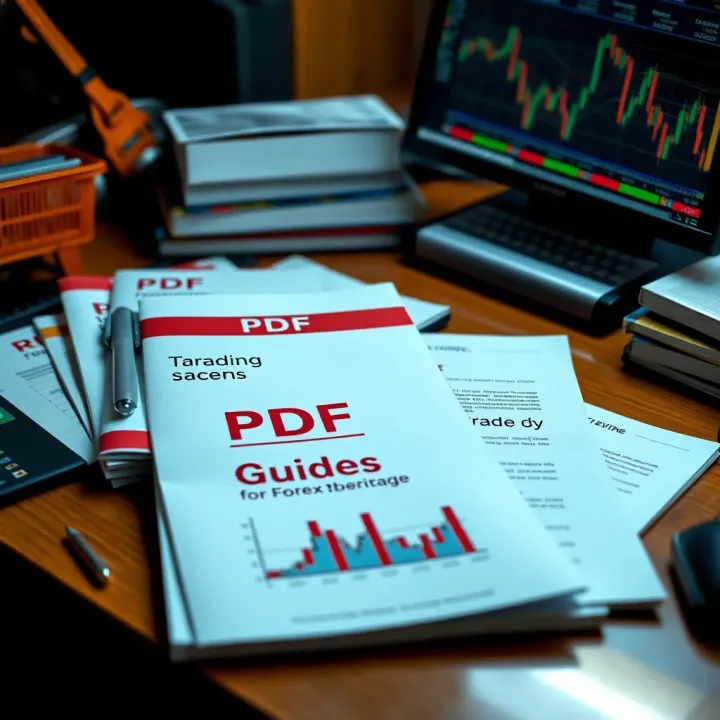
PDF guides deliver practical knowledge in bite-sized, easy-to-reference formats ideal for busy traders and beginners alike.
Common forex trading PDFs cover:
Basics of currency pairs and how the forex market operates
How to read and use trading charts and indicators
Risk management techniques to safeguard your investments
Emotional discipline and psychology in trading
Step-by-step tutorials on opening accounts, placing trades, and using trading platforms like MetaTrader
For Kenyan traders, some PDFs also include locally relevant advice such as handling deposits and withdrawals via M-Pesa or understanding tax obligations through the Kenya Revenue Authority (KRA). This practical context makes the material directly applicable rather than generic.
When choosing forex trading PDFs, look for materials offered by trusted sources such as reputable brokers operating in Kenya, financial education platforms, and regulatory bodies. Always verify the publication date to ensure the strategies and market conditions discussed are current.
Using these PDFs effectively means setting study goals, practising the strategies on demo accounts, and revisiting complex topics regularly. Avoid jumping into live trading until you understand the basics well; the forex market rewards patience and consistent learning.
With the right PDF resources and a disciplined approach, Kenyan traders can build solid trading skills and boost their confidence to navigate the forex market successfully.
Grasping the fundamentals of forex trading sets the foundation for any trader, especially for those in Kenya stepping into this complex market. Knowing the basics helps in making informed choices, avoiding common pitfalls, and understanding why currency values fluctuate. This section breaks down the core concepts that every trader should be familiar with.
Forex trading centres around buying and selling currency pairs, which represent the value of one currency relative to another. For example, the USD/KES pair shows how many Kenyan shillings you get for one US dollar. This is crucial since understanding the pair you trade helps you predict how political events or economic reports in Kenya or the US might affect that exchange rate.
The forex market operates globally 24 hours a day, five days a week, divided into sessions based in major financial hubs like London, New York, Tokyo, and Sydney. Kenyan traders must consider the time difference and volatility during these sessions. For example, the London session often sees high activity for USD and EUR pairs during Kenya’s afternoon hours, offering good trading opportunities.
Currency prices shift because of diverse elements such as political developments, economic indicators, interest rate changes, and market sentiment. In Kenya, for instance, inflation reports or CBK (Central Bank of Kenya) monetary policy decisions play big roles in the KES exchange rate. Recognising these drivers helps traders anticipate moves and manage trades effectively.
Forex markets can move quickly, creating chances for profit but also substantial risk. Leverage, commonly offered by brokers, allows traders to control larger positions with smaller capital, increasing potential returns but also magnifying losses. Kenyan traders must be cautious with leverage; using it without understanding market swings can drain accounts rapidly.
New traders often face pitfalls such as overtrading, chasing losses, or failing to use stop-loss orders. Without solid strategies, beginners may enter trades based on emotions or rumours rather than analysis, leading to losses. Experienced Kenyan traders stress the importance of patience, education, and using demo accounts before risking real money.
Forex trading offers real profit opportunities, but it’s a two-sided coin. Profits are not guaranteed and losses can exceed initial investments, especially when trading on margin. Practical money management and realistic expectations help traders weather losses and steadily grow their portfolios.
Understanding these basics allows Kenyan traders to approach forex with knowledge rather than guesswork, improving chances for success while managing risks prudently.
By mastering currency pairs, trading times, and what moves the market, alongside a clear view of the associated risks and benefits, traders can build a strong base for more advanced strategies. This knowledge turns a confusing market into a workable environment for growing wealth responsibly.

PDF guides serve as valuable tools for Kenyan traders looking to deepen their understanding of forex trading. Well-structured PDFs offer a clear pathway through the complexities of the market, making them a preferred choice for many learners. Unlike scattered online content, PDF resources often present information in a logical sequence, which helps traders build foundational knowledge before moving to advanced concepts. This format suits those who prefer to study in a systematic way.
PDF guides usually provide well-organised content arranged by topic and difficulty level. For example, a guide may start by explaining how currency pairs work before addressing technical indicators or risk management. This step-by-step approach helps traders absorb core ideas without feeling overwhelmed. Detailed charts, tables, and examples packed into these PDFs give a full picture that sometimes online articles lack, enabling traders to make informed decisions.
Many Kenyan traders juggle forex with jobs, studies, or family commitments, limiting their internet availability. PDFs can be downloaded once and accessed at any time without needing continuous connectivity. This makes studying during commutes on matatus or during power outages easier. Having resources offline means a trader can revise important concepts without disruptions caused by poor network coverage common in some parts of Kenya.
Forex trading involves complex ideas like leverage, spreads, and chart patterns that are often new to beginners. With PDF guides, traders can pause, reread, and practice at their comfort level. Unlike fast-paced videos or live classes, PDFs let you go back to tricky sections multiple times. This flexibility supports better retention and understanding, especially when combined with practice on demo accounts.
One challenge with PDFs is that some materials might not be updated regularly. Forex markets and regulations evolve, so relying on outdated PDFs can lead to trading strategies that no longer work or miss important rule changes. For instance, a PDF explaining broker requirements before Kenya introduced the Capital Markets Authority’s forex licensing rules might cause confusion. Traders should check the publication date and cross-verify the content against current official sources.
Some PDF guides try to cover everything in one document, overwhelming traders with too many topics at once. This can confuse beginners who may struggle to identify which strategies or tips to prioritise. Rather than reading everything, a better approach is to focus on PDFs that match your trading level and interests. For example, a beginner might start with PDFs focused on basic chart reading before moving on to more advanced technical analysis.
Reading PDF guides is helpful, but forex trading is a skill best learnt by doing. Traders who study PDFs without practising on demo accounts or live markets risk misunderstanding how trades actually work. Theory must be tied to real-time experience, such as observing how currency pairs react to news or volatility. Engaging in practical trading alongside PDF study helps solidify lessons and develop the confidence needed to trade with real money.
Using PDFs properly means balancing theory with practice and updating your resources regularly to stay relevant in the fast-changing forex market.
In summary, while PDF guides are a powerful component of forex education for Kenyan traders, they work best when chosen carefully, used with discipline, and paired with hands-on trading practice.
For Kenyan traders, knowing where to source trustworthy forex trading PDFs is a key step to effective learning. Reliable materials provide accurate insights, reducing the chances of following misleading or outdated advice. This section highlights concrete places to get PDFs that can genuinely support your trading journey.
Forex brokers regulated in Kenya and globally: Many brokers offer comprehensive PDFs as part of their educational toolkit. When selecting these, ensure the broker is registered with the Capital Markets Authority (CMA) in Kenya or recognised by respected global regulators like the Financial Conduct Authority (FCA) in the UK or the Australian Securities and Investments Commission (ASIC). Such regulation adds credibility to the resources, often reflecting compliance with current market rules. For example, brokers like FXPesa or Exness Kenya provide downloadable beginner to advanced guides that explain trading terms, strategies, and risk management tailored for the Kenyan market.
Central bank and financial authority publications: The Central Bank of Kenya (CBK), CMA, and similar bodies often publish official PDFs that explain macroeconomic factors impacting currency markets. These documents cover topics such as interest rate decisions, inflation reports, and foreign exchange policies—essential for understanding Kenya Shilling's dynamics. Such authoritative guides help traders make informed decisions rather than guess market moves based on hearsay or speculation.
Free resources from reputable forex websites: Several global websites maintain updated and free forex trading PDFs accessible to anyone. Sites like BabyPips or DailyFX specialise in beginner-friendly content without complicated jargon, often breaking down forex concepts step-by-step. These are a valuable source for Kenyans because they are regularly reviewed to stay relevant and usually include charts, examples, and exercises. However, it's best to cross-check these with local realities, since global examples may sometimes overlook regional specifics like KSh pair volatility.
Trading forums and social media groups: Platforms such as Trade4Kenya on Facebook or local WhatsApp trading groups often share PDF resources curated by experienced traders. These come from seminars, workshops, or collective research and reflect practical Kenyan market conditions. Learning from peers offers conversational insights and trading tactics that official sources may not cover in depth, especially for the local context.
Limitations and cautions with unofficial PDFs: The downside of peer-shared PDFs is the risk of incorrect or outdated information. Sometimes these files are copies of generic guides with little adjustment for the Kenyan trader’s needs. Others might reflect personal opinions, which could be biased or unsuitable for your trading style. Hence, treating these materials with caution is essential to avoid costly mistakes.
Always approach unofficial resources critically. Check dates, authorship, and whether the advice aligns with official guidance before applying it to your trading.
Verifying accuracy before trust: Before relying on any forex PDF, verify its origin and credibility. Look for authors with verified trading experience, endorsements by recognised bodies, or positive community feedback. Compare the information with official documents from CBK, CMA, or trusted brokerages. That way, you minimise risks caused by misleading strategies or outdated regulation. Using a blend of official and community-sourced PDFs, with careful vetting, gives Kenyan traders the best chance of building solid forex knowledge.
Using PDF guides effectively can sharpen your forex trading skills, but practical application is key. These resources offer solid theory, yet turning that knowledge into profitable trades requires structured learning and hands-on practice. This section highlights how to set clear goals and combine learning with real-world experience—especially relevant for Kenyan traders navigating forex markets.
It is vital to pick PDFs that match your level of expertise. Beginners should avoid overly technical PDFs meant for advanced traders. Instead, start with foundational guides explaining currency pairs, basic trading terms, and simple strategies. For instance, a newbie might choose a PDF explaining how to use the EUR/USD pair effectively before moving on to complex concepts like leverage or hedging. Matching PDF content to your knowledge stage keeps learning manageable and reduces frustration.
Focusing on particular trading strategies or concepts also helps you build specific skills instead of overwhelm. If you want to master swing trading or risk management, search for PDFs that dive deep into those topics rather than general overviews. Clear focus enables you to practice and refine one aspect of trading at a time. Kenyan traders might find materials addressing local market conditions or currency pairs like USD/KES particularly useful when focusing on strategy.
Applying lessons through demo accounts is a smart step after reading PDFs. Many Kenyan brokers offer free demo accounts where you can practise executing trades without risking real money. This hands-on approach cements concepts from PDFs and exposes you to live market dynamics, like price fluctuations and order types. For example, after studying a PDF on stop-loss orders, practice setting stop-loss points in your demo account to see how they protect your capital during volatile sessions.
Tracking your progress is important to know what works and what needs tweaking. Keep a simple trading journal, noting the strategies tried, outcomes, and emotional state during trades. This feedback loop helps you adjust strategies based on real results rather than just theory. Over time, you’ll identify patterns in your trading behaviour and improve discipline—a key success factor for many Kenyan traders.
Joining local or online trading communities offers further support and feedback. Forums and WhatsApp groups focused on forex trading can help you discuss tricky questions, share experiences, and get second opinions on trading ideas. Feedback from peers, especially those familiar with Kenyan market quirks, helps ground your learning in practical reality. Just ensure you verify any tips or PDFs shared, as unvetted information can mislead.
Setting clear learning goals and practising in real conditions with peer support greatly improves your ability to turn PDF knowledge into profitable trades.
By combining focused study with practical steps, PDFs become more than static documents—they turn into active tools for developing disciplined, informed forex traders in Kenya.
Kenyan traders often rely on PDF guides to learn forex trading, but they face specific challenges that can hamper effective learning. Understanding these issues helps traders choose and use materials more wisely, avoiding frustration and wasted effort. This section explores two major obstacles: language and technical jargon, as well as access and connectivity difficulties.
Understanding complex terms can be a real hurdle for many Kenyan traders, especially those new to forex. PDF guides frequently use specialised words like "pip", "lot size", or "margin call" without clear explanations. This can leave beginners confused, slowing their progress. For example, a trader trying to grasp leverage might misunderstand the risk involved if the guide doesn’t explain it in simple terms. Effective PDFs should include glossaries or simplified descriptions that relate to the local trading experience.
Finding resources tailored to Kenyan context is equally important. Many forex PDFs come from foreign markets where rules, trading hours, and common currency pairs differ from what Kenyan traders experience. A guide focusing on the US dollar and euro pairs without discussing the Kenya shilling’s role might miss local relevance. Traders benefit most from guides that mention Kenyan regulations, popular forex brokers operating in Kenya, and payment methods like M-Pesa. Such localisation makes the material more relatable and actionable.
Downloading large files with limited data is a common problem in Kenya. Forex PDF guides can be hundreds of pages long with embedded charts and diagrams, making file sizes bulky. Many traders rely on prepaid mobile data with strict limits, so downloading large PDFs might cost too much or take too long. Traders should look for compressed versions, sample chapters, or summaries instead of full-length guides where possible.
Using mobile devices effectively for study goes hand in hand with connectivity challenges. Most Kenyan traders access content via smartphones rather than desktops. Some PDFs are not mobile-friendly, with small fonts or wide layouts that require constant zooming and scrolling. This hampers comprehension and discourages thorough reading. Traders should prioritise PDFs optimised for mobile viewing or use apps that enhance PDF readability. Simple steps like adjusting screen brightness and dedicating time for focused reading can also improve study sessions on mobiles.
Overcoming these challenges means Kenyan traders can better extract value from forex PDF guides and build robust trading skills despite the local hurdles.
By recognising and addressing these specific issues, traders can select more suitable materials and adapt how they access them, paving the way for smarter, more confident forex trading.
Learning forex trading through PDFs offers a solid foundation, but it should not be the only tool in your kit. PDFs provide structured, in-depth content that allows you to study at your own pace, especially helpful when juggling a busy schedule in Kenya. However, to truly master forex markets, combining PDFs with other types of resources enriches your understanding and practical skills.
Video tutorials and webinars bring concepts to life in ways papers can't. Seeing live trading examples, chart analysis, or strategy breakdowns on video helps you grasp timing and market behaviour better. For example, a webinar hosted by a broker regulated by the Capital Markets Authority (CMA) in Kenya might demonstrate setting up a trade on the MT4 platform. This practical exposure complements the theory you read in PDFs. Plus, webinars often feature Q&A sessions where you can clarify doubts directly.
Mentorship and trading workshops offer personalised guidance that PDFs lack. Joining a trading workshop or finding a mentor within Kenya’s trading community enhances your ability to adapt strategies to local market conditions. A mentor can provide feedback on your trading journal, highlight mistakes, and share insights gained from experience. Workshops might also include hands-on sessions with trading simulators, which give a risk-free way to apply what you’ve learned.
Regularly reviewing new materials is necessary because forex markets change continuously. A PDF downloaded last year might miss recent shifts caused by global economic events or updates in Kenyan financial regulations. Keeping fresh materials on hand, whether from trusted brokers or financial authorities, ensures your knowledge stays relevant. For instance, the Central Bank of Kenya often updates forex-related guidelines affecting local traders.
Adapting to market trends and local regulations is vital for sustainable trading success. Markets are influenced by geopolitical events, new policies, and evolving financial technologies like mobile money integrations used for trading deposits and withdrawals. Staying aware of these changes helps you avoid pitfalls and seize emerging opportunities. For example, if the CMA introduces new rules on margin limits, adjusting your leverage accordingly protects your capital. Also, monitoring Kenyan shilling fluctuations due to political cycles or weather patterns affecting exports can sharpen your trading timing.
Balancing PDF study with other practical tools and staying current with market changes helps you become a resilient and informed forex trader in Kenya.
📚 Discover must-read books on forex trading in Kenya! Learn strategies, risk management & market insights to boost your trading skills and confidence. 💹

Discover practical forex trading strategies tailored for Kenyan traders 🇰🇪. Learn key principles, analysis, risk management, and mindset tips for success 📈💡

🔍 Discover how Kenyan forex traders can pick the perfect trading platform by comparing security, fees, usability, and features tailored to your needs.

Explore top forex trading platforms in Kenya with features, regulations, and tips for safe trading. Find your best fit and trade confidently! 📈💡🇰🇪
Based on 7 reviews