
Proven Forex Trading Tips for Success
Discover practical forex trading strategies tailored for Kenyan traders 🇰🇪. Learn key principles, analysis, risk management, and mindset tips for success 📈💡
Edited By
Emily Foster
Forex trading in Kenya has grown rapidly, attracting a mix of beginners and experienced traders aiming to profit from global currency fluctuations. Understanding the essentials before diving in is key, especially given the unique local challenges such as fluctuating KSh rates, regulatory changes by the Capital Markets Authority (CMA), and the dominance of mobile payment methods like M-Pesa.
Before opening a trading account, get familiar with how the forex market operates and the factors affecting currency pairs relevant to Kenya, such as USD/KES or EUR/KES. Local economic indicators—like inflation reports, Central Bank of Kenya (CBK) policy decisions, and political stability—directly influence these pairs, so keeping track of these can guide better trading choices.

Successful forex trading demands discipline, solid strategy, and risk management—skills you can develop with practice and good advice.
Choosing the right platform matters. Look for brokers regulated by CMA or those with a good track record servicing Kenyan traders. Platforms that support KSh deposits via M-Pesa or bank transfers make funding easier, and those with mobile-friendly interfaces cater well to traders who rely on smartphones.
Here are some practical considerations:
Start with a demo account offered by most brokers to test strategies without risking real money.
Avoid high leverage early on; while tempting, it increases risk vastly in volatile markets.
Stick to major currency pairs first; they tend to have more predictable patterns and better liquidity.
Starting with clear goals and realistic expectations helps prevent costly mistakes. Remember, forex trading isn’t a quick way to get rich but a skillful endeavour that calls for continuous learning and staying updated with both global events and local market conditions.
Keeping these points in mind will prepare you for the more detailed strategies, risk controls, and platform tips covered in the following sections.
Having a solid grasp of forex trading basics is essential before diving into the market. For Kenyan traders, understanding how forex works helps to make sense of the often volatile price movements influenced both by international events and local economic factors. This foundation makes it easier to implement strategies wisely and avoid costly mistakes.
Forex trading is the act of buying and selling currencies to make a profit from changes in exchange rates. For instance, trading the US dollar (USD) against the Kenyan shilling (KES) means capitalising on the rate fluctuations between these currencies. Unlike stock trading, forex markets operate 24 hours across the globe, allowing for flexibility in trading times which suits Kenya’s time zone well. Traders can speculate on whether a currency's value will rise or fall, which forms the basis for all forex transactions.
Forex markets are decentralized, meaning there’s no single exchange like Nairobi Securities Exchange (NSE) for stocks. Instead, trading happens electronically over-the-counter (OTC) through banks, brokers, and dealers worldwide. Currency pairs are quoted in terms of base and quote currencies, such as EUR/USD. Prices move due to changes in supply and demand driven by factors like interest rates, political stability, or economic reports. For example, if the US Federal Reserve raises interest rates, the USD often strengthens, affecting USD/KES rates that Kenyan traders watch closely.
Liquidity in forex is huge compared to other markets, but prices can still jump quickly due to news or geopolitical events, so understanding market mechanisms helps traders anticipate and respond effectively.
To trade confidently, you need to know a few critical terms:
Pip: The smallest price movement in a currency pair, usually the fourth decimal place. For USD/KES, one pip could be 0.0001.
Leverage: Allows you to control a large position with a small deposit, but it increases risk. Kenyan brokers often offer leverage ratios like 1:100.
Spread: The difference between the buying (bid) and selling (ask) price – this is effectively the broker’s fee.
Lot: The standard size of a trade; a standard lot usually equals 100,000 units of the base currency.
Stop-Loss Order: An instruction to close a trade at a set price to limit losses.
Getting familiar with these terms helps you read trading platforms like MetaTrader 4 or 5 effectively and communicate with brokers or fellow traders.
Understanding these basics creates a strong foundation to approach forex trading with awareness of its dynamics and risks, especially given Kenya's unique position with its own economic factors influencing the shilling's value.
Successful forex trading doesn't happen by luck alone; it demands solid strategies tailored to your situation. By developing practical methods, you can navigate the market's ups and downs while keeping your risks in check. This section breaks down key approaches that every trader in Kenya should consider to boost their chances of consistent profits.
Picking a trading style that matches your daily routine is vital. Some traders prefer scalping — making quick trades that last minutes — but this needs constant attention and can be tiring if you have other commitments. Others lean towards swing trading, holding positions for days or weeks, which suits those with a 9-to-5 job or entrepreneurial ventures. For example, a teacher in Nairobi might find swing trading convenient, using evening hours for analysis and trade adjustments. Make sure your style fits your availability and patience level, so you can manage trades properly without stress.
Understanding the difference between technical and fundamental analysis helps shape your strategy. Technical analysis relies on past price data and charts to predict future movements. It can be handy during Kenya's market hours or when tracking currency pairs popular among local traders like USD/KES. Fundamental analysis digs into economic indicators, political events, and market news that influence currency values. For instance, a change in CBK's monetary policy or a shift in US economic data can affect the shilling’s strength. Combining both methods often gives a fuller picture: use fundamental news to spot opportunities and technical signals to time your entry and exit.
Setting clear profit goals and stop-loss orders controls potential losses and protects gains. Instead of chasing unrealistic returns, define targets based on market behaviour and personal risk tolerance. For example, targeting 1% to 2% profit per trade with a stop-loss at 0.5% to 1% helps manage risk effectively. Stop-loss orders close your position automatically if the trade moves against you, preventing major losses that might wipe your capital. Kenyan traders should consider local volatility, especially during major events like elections or currency interventions, and adjust targets accordingly. Consistently applying these limits trains discipline and helps avoid emotional decisions.
Consistency in strategy is often more profitable than chasing big wins. Tailor your trading style, analyse smartly, and manage risks with clear targets to build a strong foundation.
Applying these essential strategies will make your trading practical and less stressful, especially in a dynamic market like forex. Over time, you learn what suits your temperament and lifestyle best while sharpening your judgement for better trades.
Managing risk is the backbone of successful forex trading, especially in Kenya where market fluctuations can be sudden due to both global and local factors. Protecting your capital means you can stay in the game longer and avoid deep losses that are difficult to recover from. Without proper risk management, even the most promising trading strategies can collapse.
Risk management helps you control the potential downsides in trading. Kenyan traders must set limits on how much they are willing to lose on a single trade — often recommended not to exceed 1-2% of the trading capital. For example, if your trading account is KSh 50,000, risking KSh 500 to KSh 1,000 per trade keeps losses manageable. This prevents emotional trading and burnout, allowing you to learn from mistakes without wiping out your funds.
Consistently managing risk means you accept that losses will happen but keep them small enough to preserve your capital.
Leverage amplifies your trade size using borrowed funds from the broker. While this can increase profits, it also magnifies losses. Kenyan traders should treat leverage cautiously, starting with low levels like 1:10 rather than maxing out at 1:500 offered by some platforms. Using high leverage without discipline is like putting all your savings on a single bet in a matatu business — risky and often disastrous.
Always calculate your stop-loss level before entering a leveraged trade. If your strategy shows a stop-loss that could wipe more than your risk appetite, reduce the trade size. Keep in mind that the Kenyan forex market may experience sudden moves around major news events, so high leverage increases vulnerability to margin calls.
Diversifying means spreading your trading funds across different currency pairs or trade setups to reduce the risk of one bad move impacting your entire account. For instance, instead of putting all your money on the USD/KES pair, you could also trade EUR/USD or GBP/USD but with smaller amounts.
Diversification also includes mixing short-term and long-term trades. This way, volatility in one trade may be balanced by steadier gains in another. Kenyan traders should avoid the temptation to over-concentrate in familiar pairs only, as market shocks in those can be significant.
By managing risk, using leverage wisely, and diversifying, Kenyan forex traders can protect their capital and build sustainable trading careers rather than chasing quick profits that can easily evaporate.
Selecting the right forex trading platform and broker is a major step that can shape your trading experience in Kenya. A good broker not only provides a reliable platform but also ensures your funds are safe and gives you access to competitive markets. Poor choice here can lead to higher costs, delayed trades, or worse, loss of capital through scams.
When picking a broker, first check if they are regulated by a recognised authority like the Capital Markets Authority (CMA) in Kenya or international bodies such as the Financial Conduct Authority (FCA) or Australian Securities and Investments Commission (ASIC). Regulation provides a layer of protection; regulated brokers must adhere to rules on client fund segregation and transparency.
Consider brokers with a proven track record that Kenyan traders recommend. Avoid those with a history of complaints or unclear business practices. Reading reviews and engaging with local trading communities can give you insight into the broker's reliability. For example, Global Trader or HotForex have some presence in Kenya, but always confirm their regulatory status before committing.
Remember, well-regulated brokers offer greater peace of mind and security of your invested funds.
Costs directly affect your profits, so understand the fee structure fully before signing up. Typical fees include spreads (the difference between buy and sell prices), commissions per trade, and overnight swap charges.
Some brokers offer fixed spreads, which give you predictable costs, while others use variable spreads that fluctuate with market conditions. For Kenyan traders starting small, variable spreads with tight pricing during active hours may work out cheaper.
Also look out for hidden fees, like withdrawal charges or inactivity penalties. For instance, some brokers charge KSh 300 per withdrawal after a certain number of free transactions. Factor these into your trading plan to avoid surprises.
The trading platform is your main tool, so choose one with features that suit your style. Look for user-friendly interfaces, fast order execution, and tools like technical indicators or economic calendars.
Popular platforms such as MetaTrader 4 and MetaTrader 5 remain favourites for Kenyan traders due to their simplicity and wide broker support. Mobile compatibility is crucial because many Kenyan traders rely on mobile devices. Platforms that integrate with mobile money services like M-Pesa for deposits or withdrawals make transactions smoother.
Advanced features like customisable charts, automated trading options, and risk management tools (stop loss and take profit orders) help you trade smartly and protect your capital.
Choosing a trusted, cost-effective broker with a platform offering the right tools sets a solid base for your forex journey in Kenya. Always do your homework and do not rush the decision—your trading success depends on it.
Forex trading in Kenya comes with unique challenges and opportunities. Knowing practical tips can help you navigate these complexities effectively and improve your chances of success. This section covers essential advice tailored to Kenyan traders, including how to start trading cautiously, stay informed about market changes, and use local payment methods reliably.
It’s wise to start trading with a small amount of capital to avoid heavy losses early on. For instance, instead of putting KS0,000 at once, begin with KS,000 or KS0,000 and test your strategies. This gradual approach helps you learn the market’s behaviour without risking too much upfront. Many Kenyan traders overlook this and often lose more than they can afford while chasing quick profit.
By carefully analysing your early trades and refining your strategy, you can increase your trading size over time. Remember, slow and steady growth often outperforms trying to double your money overnight. Keep a trading journal to review your wins and losses regularly — this builds discipline which is crucial for long-term success.
Forex is heavily influenced by global events and local economic factors. Kenyan traders should follow international developments like US Federal Reserve announcements, Brexit updates, or changes in oil prices as these impact currency pairs involving the US dollar, euro, or pounds.
Locally, pay attention to economic data releases from institutions like the Central Bank of Kenya (CBK), inflation reports, and political developments ahead of elections. For example, CBK’s monetary policy changes can affect the Kenyan shilling’s strength, directly influencing forex positions involving KES pairs.
Set up alerts or subscribe to reliable news sources for timely updates. Staying informed not only helps you anticipate market movements but also prevents you from making ill-timed trades based on outdated information.
One big advantage Kenyan traders have is the accessibility and convenience of mobile money platforms like M-Pesa. Many brokers now accept M-Pesa as a deposit and withdrawal method, making it easier to fund your trading account without bank transfers or credit cards.
Before choosing a broker, confirm they support mobile money payments globally and understand any fees involved. Also, consider services like KCB M-Pesa or Airtel Money as alternatives depending on your location.
Always ensure that your transactions are secure by using brokers regulated by authorities such as the Capital Markets Authority (CMA) Kenya. This protects your funds from fraud, which unfortunately can be common in unregulated platforms.
Start with small funds, stay informed on both global and local fronts, and use familiar, secure mobile payment options to build a strong foundation for forex trading in Kenya.
By using these practical tips, Kenyan forex traders can manage risks better and maximise opportunities without getting overwhelmed by the complexities in the forex market.
Discover practical forex trading strategies tailored for Kenyan traders 🇰🇪. Learn key principles, analysis, risk management, and mindset tips for success 📈💡
Ready to trade forex online in Kenya? Learn how to use trusted platforms, follow KRA regulations, manage risks, and pay easily with M-Pesa 💹📱.

Discover top forex trading classes in Kenya 📈 Learn essential skills, avoid common mistakes, and get practical tips to start trading confidently today!
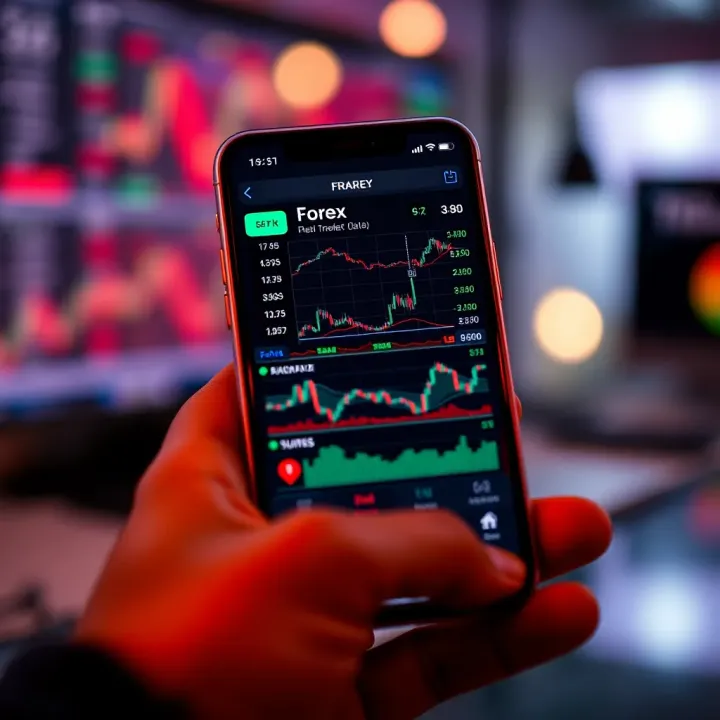
📱Explore top forex trading apps in Kenya. Learn about key features, secure options, costs, and smart tips for trading on mobile platforms confidently.
Based on 5 reviews