

Financial Risk Management Strategies for Stability
📊 Learn effective financial risk management strategies to protect your business! Explore tools, frameworks & tech to ensure stability in Kenya's market.
Edited By
Sophie Evans
Project risk management is about spotting potential problems in a project before they blow up and figuring out how to handle them. Whether you're an investor looking at a new venture, a trader managing assets, or an analyst assessing project viability, understanding risk helps you avoid costly mistakes and delays.
At its core, project risk management involves four main steps:
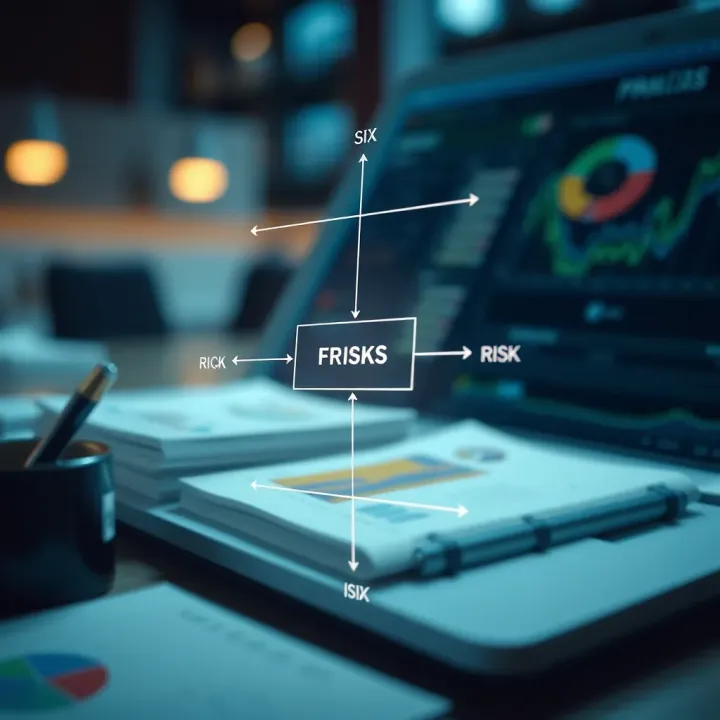
Identification – recognising uncertainties that might affect the project.
Analysis – determining how likely these risks are and what impact they could have.
Response planning – deciding what to do to reduce or eliminate risks.
Monitoring – keeping an eye on risk factors as the project moves forward.
For example, a Nairobi-based developer planning construction might identify risks such as fluctuating material prices or delayed approvals from county offices. By analysing these, they can build contingencies like budgeting more for materials or engaging county officials early.
Effective risk management doesn't just protect resources; it also builds confidence among stakeholders by showing preparedness.
In Kenyan projects, common risks include financial hiccups due to currency fluctuations, political or regulatory changes, delays because of infrastructure challenges, and supply chain disruptions. Using tools like risk registers, probability-impact matrices, or software platforms tailored for project oversight can make handling risks more organised and transparent.
Understanding risks early lets teams adjust plans or budgets before problems hit, saving time and KSh. Traders and brokers evaluating project-backed securities will find risk management details crucial for informed decisions. Meanwhile, educators and analysts can use these practices to train more effective project managers who can adapt to Kenya’s unique business environment.
In summary, mastering project risk management means more than avoiding disaster; it's about steering projects steadily towards success despite uncertainties. This guide will walk you through practical techniques and real-life applications to help Kenyan professionals manage risks wisely and keep projects rolling smoothly.
Project risk management involves identifying, assessing, and handling potential problems that could disrupt a project before they happen. It’s not just about preventing disasters but about managing uncertainty in a smart way that keeps projects on track. In Kenya, where projects face unique challenges such as fluctuating exchange rates, regulatory shifts, or even unexpected weather patterns during the long and short rains, understanding what risk management means can help teams prepare and respond effectively.
At its core, project risk management is about spotting the bumps on the road early enough to avoid a crash. This means recognising anything that might delay completion, increase costs, or affect the quality of the final deliverable. For example, imagine a construction project in Nairobi facing unexpected increases in cement prices due to supply disruptions. Without risk management, these price changes could cripple the budget. But with a solid risk plan, the team might have contingency funds or alternative suppliers lined up to keep things rolling.
This process involves four main steps: identifying risks, analysing their potential impact, planning responses, and monitoring risks throughout the project. Each stage builds on the last, turning uncertainty into manageable concerns. The use of practical tools like risk registers—a document listing all identified risks and their status—helps keep tabs on threats and ensures the whole team stays informed.
Projects without proper risk management often end up costing more time and money than expected, or fail altogether. In the Kenyan business environment, where resources are often tight and markets can be unpredictable, managing risk becomes not just a best practice but a necessity. When risks are left unchecked, delays might force contractors to pay penalties, or investors might lose confidence, affecting future funding opportunities.
Having clear risk management protocols protects not just the immediate project but the organisation’s reputation and future ventures as well. For instance, a software company in Nairobi managing risks properly can avoid cyber threats that might otherwise lead to data breaches—safeguarding both clients and business continuity.
Effectively managing risks helps you stay ahead of problems, save costs, and deliver projects successfully even when unexpected challenges arise.
Understanding and defining project risk management enables Kenyan traders, investors, and analysts to plan more accurately, allocate resources wisely, and navigate uncertainties with confidence. This is why this section sets the foundation for successful project delivery in later parts of the article.
Understanding the stages of project risk management helps you handle uncertainties that can affect project success. Breaking it down into clear steps allows project teams to act proactively rather than react after problems occur. This section highlights practical ways you can identify, assess, plan for, and monitor risks — all vital for managing projects in Kenya's dynamic environment.
Risk identification involves listing all possible risks that could disrupt a project. It’s not just about guessing what might go wrong but systematically involving the team, stakeholders, and even suppliers to capture concerns. For example, in a construction project in Nairobi, risks such as delayed delivery of materials due to traffic jams or power outages on site should be noted early. The sooner these risks are spotted, the more time you have to plan.
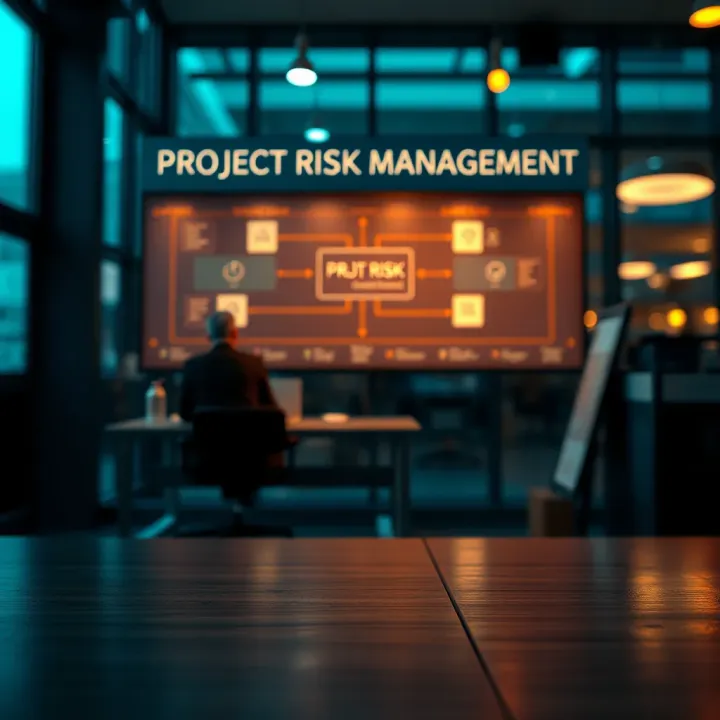
After identifying risks, you need to understand how serious each risk is. This means estimating the potential impact on the project and how likely it is to happen. Risks with high impact and high likelihood, like sudden regulatory changes from county governments, require urgent attention. On the other hand, a low-impact risk may not need immediate focus but still must be tracked. In Kenyan projects, qualitative methods such as expert judgement often complement simple numeric scoring to balance experience and data.
This stage is about deciding what to do about each significant risk. Common responses include avoiding the risk, reducing its chance or impact, transferring it (for example, through insurance), or accepting it when the cost of mitigation is too high. For instance, a Kenyan SME launching a new product might plan extra budget buffers to manage possible currency fluctuations affecting import costs. Having clear, actionable steps means the team knows exactly how to react if a risk emerges.
Risk management doesn’t stop at planning. Continuous monitoring ensures that new risks are spotted and existing ones are tracked. If a risk’s status changes, control measures must adapt accordingly. For example, during the course of a tech project in Mombasa, a sudden change in internet availability might require adjusting backup solutions or switching providers. Regular updates through risk registers help keep everyone informed and decision-making sharp.
Effective project risk management depends on staying alert throughout the project, not only at the start. Regular reviews and team communication prevent surprises and keep your project on track.
Each stage builds on the last, creating a cycle that keeps risks in check and projects safe from avoidable delays or losses. Kenyan projects, with their unique challenges, benefit greatly from a structured approach that integrates all these stages effectively.
Understanding the common types of risks in projects helps traders, investors, and analysts prepare better and reduce unexpected setbacks. Different projects face unique challenges, but certain risk categories often repeat, affecting timelines, budgets, and outcomes. Recognising these risks early strengthens your ability to manage resources and expectations effectively.
Financial risks are among the most visible and impactful. These include budget overruns, funding shortfalls, currency fluctuations, or delays in payment. For instance, a construction project in Nairobi might face rising costs due to inflation or delays in receiving funds from stakeholders. Without careful budget monitoring, spending can spiral, causing unfinished works or forced compromises on quality. Investors and project managers should track costs against milestones and maintain contingency funds to cushion unforeseen financial shocks.
Projects often encounter operational setbacks when processes or resources fail to deliver as planned. Technical risks occur when new technology or methods fall short or are incompatible. Take a software rollout for a Kenyan bank: technical glitches in integration or inadequate testing can lead to data loss or downtime, hurting customer trust. Operational risks could also arise if key personnel fall sick or equipment breaks down. Maintaining skilled teams, good supplier relations, and regular testing helps minimise such disruptions.
Compliance with laws and regulations in Kenya is essential. Projects ignoring environmental impact assessments or failing to obtain necessary licences may face legal penalties or project halts. For example, a mining project without proper environmental management risks shutdown by NEMA (National Environment Management Authority). Regulatory changes can also affect project scope or costs unexpectedly, so keeping abreast of legal frameworks and maintaining liaison with relevant authorities is vital.
Social and political dynamics play a big role in project success. In Kenya, factors like community protests, land disputes, or political instability can delay or derail projects. An infrastructure project near a rural area might face opposition if locals feel excluded or harmed. Political shifts around elections can lead to funding freezes or policy reversals. Effective stakeholder engagement and understanding local power structures are key to managing such risks.
Identifying and addressing common risks early ensures that projects stay on track and deliver value despite uncertainties. Kenyan projects especially benefit from balancing technical, financial, legal, and social perspectives in risk management.
By understanding these risks, you can prepare practical responses that safeguard your investments and improve project outcomes.
Managing project risk effectively requires more than just recognising potential problems—it calls for practical tools and methods to measure, track, and control risks throughout the project lifecycle. These instruments help Kenyan project teams stay ahead of uncertainties, minimise losses, and improve chances of success. For instance, a builder in Nairobi working on a housing project can use these tools to spot budget overruns early or adapt to changes in material supply.
A risk register is the backbone of risk management. It’s a central document listing identified risks, their likelihood, impact, owners, and mitigation steps. This tool keeps everyone on the project team informed and accountable. For example, a software development team in Mombasa might use a risk register to track bugs or delays caused by internet outages. Updating the register regularly enables early response, ensuring risks do not spiral out of control.
Maintaining the risk register involves clearly assigning responsibility for each risk and reviewing it in weekly project meetings. This practice avoids surprises and encourages proactive problem-solving. Without a risk register, it’s easy for some risks to fall through the cracks.
Understanding risks requires analysis, which usually falls into two types: qualitative and quantitative. Qualitative analysis involves classifying risks based on severity and probability with simple terms like "high," "medium," or "low." This approach suits projects in the early stages or where data is limited. For example, a small agribusiness evaluating weather risks might use qualitative methods to prioritise concerns.
Quantitative analysis goes further by assigning numeric values to risks, often calculating potential cost or time impact. Techniques such as Monte Carlo simulations or expected monetary value (EMV) provide precise figures that can inform budget and schedule adjustments. In Kenyan infrastructure projects where heavy equipment breakdowns pose costly threats, quantitative methods can justify investing in maintenance or backup machinery.
No matter how well risks are identified and analysed, some will still occur. Contingency planning prepares teams to handle these situations quickly and effectively. This includes setting aside extra budget or time for high-risk activities or having alternative suppliers ready.
Mitigation strategies aim to reduce the chance or severity of risks before they happen. For example, a retail business in Nairobi facing supply chain risks might diversify suppliers or increase inventory levels during peak demand seasons. Similarly, training project staff on safety protocols can lower operational risks.
Successful project risk management is about combining the right tools—risk registers, analysis techniques, and planning—with constant attention and adjustment. This practical approach keeps projects on track and protects investments from unexpected setbacks.
By adopting these tools and methods tailored to local business realities, Kenyan projects can navigate uncertainties more confidently, reducing costly surprises and boosting success rates.
Implementing risk management in Kenyan projects is essential to navigate the unique business environment and maximize project success. Kenyan projects often face uncertainties from economic fluctuations, infrastructure gaps, and regulatory changes. Applying risk management practices tailored to these local realities helps reduce unexpected costs, delays, and compliance issues.
Kenyan businesses must customise risk management to factors like fluctuating foreign exchange rates, power outages, and logistical challenges common in many counties. For instance, a Nairobi-based construction firm may plan for fuel shortages by having alternative suppliers to keep equipment running. Similarly, projects relying on imported materials should consider currency risks that can suddenly increase costs. Integrating mobile payment platforms such as M-Pesa into procurement or payment processes also reduces delays and cash handling risks.
Local partnerships and community involvement are another important aspect. Engaging county governments to understand regulatory requirements early can prevent legal risks. Likewise, building good relations with local communities can minimise social risks that often cause project hold-ups due to protests or disputes.
Many Kenyan projects struggle with incomplete risk data, limited risk awareness, and resource constraints. Teams sometimes overlook less obvious risks like political shifts or land tenure issues that have disrupted projects in the past. To overcome this, regular risk training and workshops tailored to the local context can build stronger awareness among project staff.
Moreover, small and medium enterprises (SMEs) often lack formal risk management systems due to cost or expertise gaps. Introducing simple tools like digital risk registers or checklists can provide a low-cost way to improve tracking and accountability. Also, involving stakeholders throughout the project cycle encourages transparency and timely response to emerging risks.
Consistent risk monitoring with clear communication channels prevents last-minute surprises that can derail budgets and timelines.
In 2022, the Nairobi Expressway project included detailed risk assessments accounting for land acquisition and community relations. Early engagement with affected residents helped the team avoid costly court delays. The project also hedged against inflation risks by fixing some supplier contracts early.
Another example is the Mombasa Port upgrade. Given the strong influence of political factors, the management team set up a risk response plan to deal with changes in leadership and policy shifts. They also monitored vendor performance closely, reducing operational risks.
These cases show that risk management rooted in local conditions and proactive planning directly supports timely delivery and cost control, critical for sustainable development in Kenya.
In summary, implementing risk management in Kenyan projects is not a one-size-fits-all approach. It requires thoughtful adaptation to specific challenges, building capacity, and applying proven tools to keep projects on track. This practical focus helps Kenyan traders, investors, and analysts make informed decisions while protecting their investments from avoidable setbacks.
📊 Learn effective financial risk management strategies to protect your business! Explore tools, frameworks & tech to ensure stability in Kenya's market.
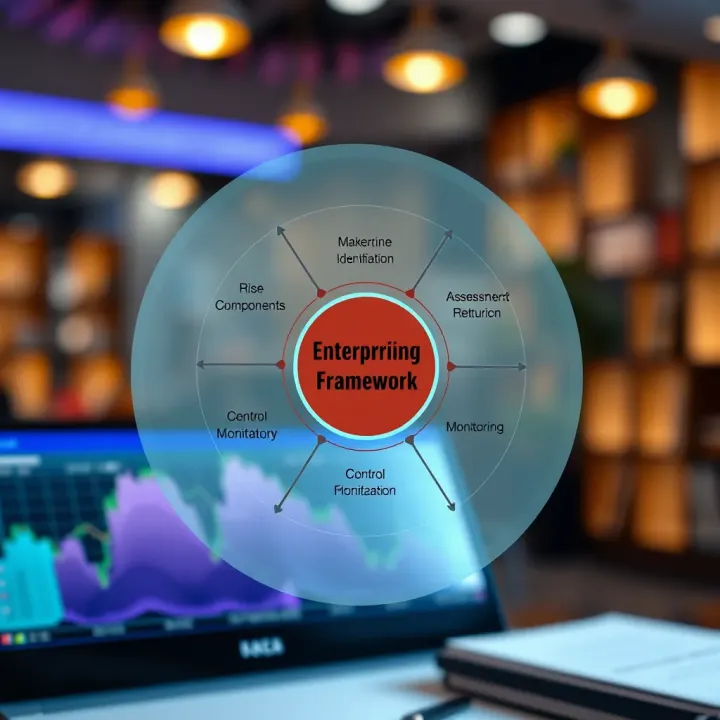
Explore how to build and maintain practical Enterprise Risk Management frameworks 🛡️ for stronger oversight, compliance, and smarter decisions in Kenya and beyond.

Discover practical financial risk management tips 📊 for professionals & students in Kenya. Learn methods, tools & get useful PDFs to manage risks confidently.
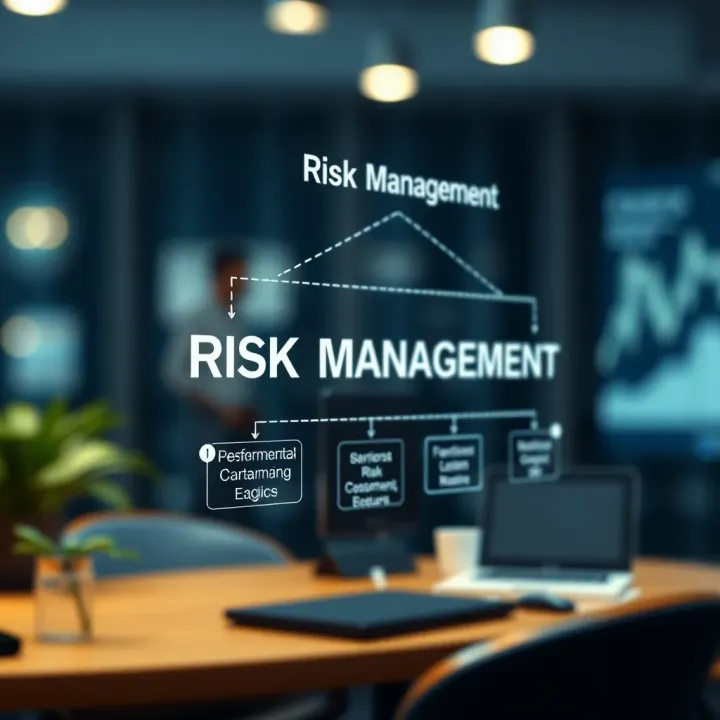
Explore how risk management helps businesses identify, assess, and control threats to protect capital and earnings for smarter decisions across sectors. 📊🔒
Based on 6 reviews