

Effective Binary Options Trading Tips for Kenya
Master practical strategies for binary options trading in Kenya 🇰🇪. Learn risk management, technical analysis, and tips to boost your success 📈💡.
Edited By
Alexander Hughes
Trading binary options using automated bots is catching on quickly, especially among Kenyan traders who want to maximize profits without staring at screens all day. These bots can take the emotion out of trading, but they’re no magic fix—they need to be handled with care and strategy.
This article digs into how binary options trading bots actually work, what features you should insist on, and proven tactics to get the most out of them. We’ll also cover risk management—because no strategy is complete without it—and warn about pitfalls that catch many traders off guard. Whether you’re a newbie experimenting with your first bot or a seasoned trader seeking to sharpen your edge, the insights here aim to give you a practical roadmap.
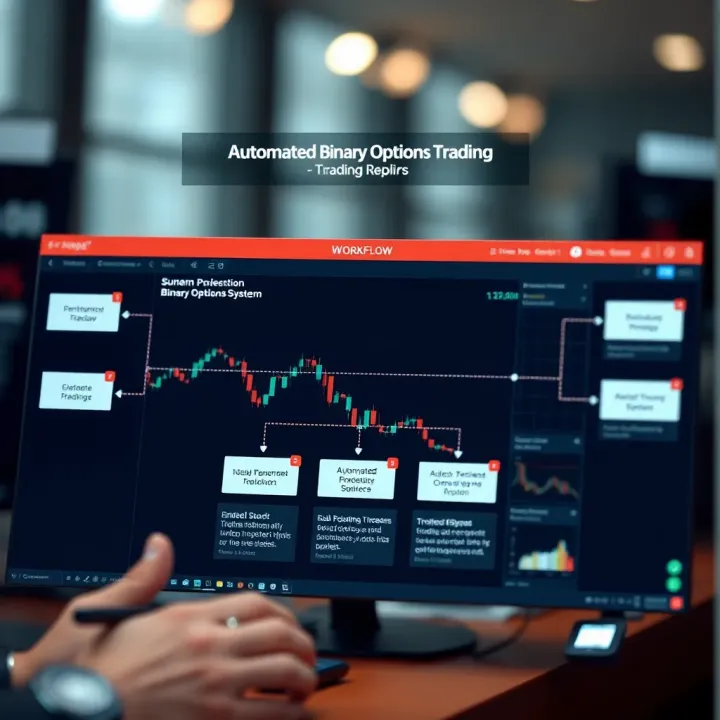
In Kenya’s bustling trading market, where opportunities and risks both run high, understanding these tools is vital. Let’s get started by breaking down what makes a good binary options bot and why automated trading matters in today’s fast-paced environment.
Getting a solid grip on what binary options trading bots are and how they work helps traders avoid common pitfalls and enhance their trading performance. These bots aren't just fancy tools; they automate decisions based on market data, saving time and reducing the emotional strain that often leads to poor decisions. In Kenya, where the binary options market is gaining traction, knowing these basics can be the difference between profit and loss.
Binary trading bots are software programs designed to trade binary options on behalf of users. At their core, they analyze market data, recognize patterns, and place trades automatically based on pre-set criteria. Picture it like a diligent assistant who never sleeps, scanning charts and numbers all day to find the best opportunities without break.
These bots simplify trading by executing trades faster than a human can, and they can operate 24/7 if connected to the internet. For example, a bot can be set to buy a call option when the price of an asset hits a certain support level and sell when it reaches resistance—this hands-off approach can free traders from staring at screens all day.
Automation in these bots relies on algorithmic rules you set or that come pre-built. Instead of manually deciding when to buy or sell, the bot uses real-time data and indicators like moving averages or RSI to trigger trades. This means decisions are consistent, emotion-free, and executed at lightning speed.
For instance, if you tell your bot to trade on momentum signals, it will monitor the market and place trades when those signals align with the strategy—no second guessing or hesitation. This cuts down the chance of missing out on profitable trades or holding losing positions for too long.
At the heart of every binary options bot is an algorithmic engine that processes vast amounts of data like price movements, volume, and market trends. These algorithms apply technical analysis frameworks to make predictions about future price behavior.
A practical example is a bot equipped with a MACD-based algorithm. It watches for threshold crosses of the MACD line and triggers trades accordingly. These bots can crunch numbers non-stop, spotting subtle signals human eyes might miss, giving traders an edge in fast-moving markets.
To execute trades, binary bots need to connect smoothly with brokerage platforms that offer binary options. Most modern bots integrate through APIs, allowing real-time communication between the bot software and the trading platform.
For Kenyan traders, platforms like Binomo and IQ Option are popular choices that support bot integration. This seamless link means once your bot decides on a trade, it can place it instantly, minimizing delays and slippage.
Understanding these fundamentals equips you to pick or program a bot tailored to your trading style and market conditions—especially important where speed and accuracy can make or break profits.
By mastering the basics of what binary options trading bots are, how they make decisions, and their operation in the market, you set yourself up for smarter trading and better results.
When choosing a binary options trading bot, the features it offers can make or break your trading experience. Picking a bot with the right capabilities means you’re not just relying on fancy marketing but tools that genuinely help you trade smarter and safer. The right feature set ensures you can tailor the bot to your trading style, protect your data, and avoid costly mistakes.
A bot’s user interface is your direct link to the trading world it manages—if the setup is clunky or confusing, you’ll waste time navigating something that’s supposed to make your life easier. User-friendly design lets you set up trade strategies quickly without needing to be a tech whiz. For example, some bots have drag-and-drop tools to build trade rules, so you visually map your decisions instead of coding them.
Adjusting parameters for different assets is just as vital. Markets are not one-size-fits-all; currencies move differently from commodities or indices. A good bot lets you tweak settings like trade duration, risk amount, and entry triggers per asset class. For instance, a bot that lets you set tighter expiration times on volatile forex pairs but longer durations on slower-moving stocks shows the flexibility traders need to keep strategies sharp and responsive.
Data protection can’t be ignored. These bots handle sensitive info—account access, trading history, even personal identification details. Look for encrypted connections and clear privacy policies. Hot tip: bots integrated with platforms like MetaTrader 4 or TradingView often have better security reputations and support two-factor authentication (2FA).
Avoiding scams and unreliable bots is a must. The binary options space is littered with flashy promises from bots that never deliver. Always check if the bot has verifiable user reviews and preferably trials or demo modes. Legit bots don’t pressure you to deposit huge sums upfront. Beware of any that guarantee 100% success or use aggressive marketing tactics; these are classic red flags. Stick to bots with transparent algorithms and those backed by well-known developers or companies.
In short, focus on bots that balance ease of use, flexibility for real market conditions, and robust security measures. This combination sets up traders to navigate markets better and avoid pitfalls common in the binary options world.
In the world of binary options trading, having a sound strategy is like having a reliable map in an unfamiliar city. Trading bots aren't magic; they follow rules written into their code. Popular strategies help shape these rules, providing structure and increasing the chances of success. For Kenyan traders who might be juggling between market volatility and limited time, understanding effective strategies that bots can automate is a game-changer.
Bots excel when paired with strategies that suit clear market patterns and trader goals. Whether it’s riding trends, capitalizing on price ranges, or catching momentum bursts, each approach comes with its own set of benefits and risks. Next, we’ll break down some of the most common strategies so you can see how they play out and how to tune your bot settings accordingly.
Trend following is about spotting where the market’s heading and moving along with it. It’s like surfing: you don’t fight the wave, you ride it. For bots, this means using algorithms to analyze price charts and spot whether prices are generally moving up, down, or sideways.
In practice, bots scan for higher highs and higher lows when spotting an uptrend, or lower highs and lower lows for a downtrend. This helps the bot determine whether to place a call (predicting a rise) or put (predicting a fall) trade. For instance, if the EUR/USD pair shows a consistent climb over several time frames, the bot can execute call trades automatically on dips.
Identifying market direction isn't just about reading the current situation—it’s also about filtering noise and avoiding false signals. The bot uses filters like moving averages to confirm the trend, which helps avoid entering trades during choppy, unpredictable moves.
Timing is everything in binary options, and bots shine here by taking emotion out of the equation. Once the bot identifies the trend, it automates when to enter and exit trades based on pre-set criteria like support/resistance levels or indicators.
For example, a bot configured for a trend-following system may enter a trade when the price retraces to a moving average and then closes above it, signaling a bounce-back in the trend direction. Conversely, it will exit trades when momentum fades or predefined profit targets are hit.
This automation helps traders avoid sitting on losing trades too long or missing moments to lock in profits. Particularly when markets gyrate unpredictably, having the bot stick to disciplined entry and exit rules avoids knee-jerk decisions that can cost money.
Range trading relies on prices bouncing between support and resistance levels. Support is like a floor under prices, while resistance works as a ceiling. Bots programmed for range trading watch for prices repeatedly hitting these levels without breaking through.
By detecting these boundaries, the bot can place trades betting that the price will reverse rather than break out. For example, if USD/JPY keeps hitting 110.00 as a resistance but fails to move higher, the bot might put a trade predicting a fall whenever prices get close to that level.
Spotting these levels accurately requires analysis of past price behavior plus volume and volatility considerations. Bots do this by analyzing historical price data, identifying zones where prices have reversed multiple times, giving traders confidence in the range.
Sideways markets can frustrate trend-following strategies, but they’re perfect for range traders. Bots offer customizable settings specifically for these conditions, such as narrower entry criteria and tighter stop-loss levels.
Traders can adjust parameters like time frame and sensitivity to volatility to minimize false signals during quiet periods. For instance, the bot might only trade when prices are within a clearly defined band and avoid action during breakouts.

This focus prevents the bot from blindly chasing trends in a stagnant market and helps preserve capital until clearer movement emerges.
Momentum is all about how quickly prices move in a particular direction. Indicators such as the Relative Strength Index (RSI) and Moving Average Convergence Divergence (MACD) help bots measure this speed and direction of price action.
RSI looks at the speed and change of price movements to spot overbought or oversold conditions—signaling possible price reversals. MACD measures the difference between two moving averages, highlighting turning points and momentum shifts.
Bots equipped with these indicators can automatically initiate trades when momentum builds strongly in one direction. For example, a bot sees the RSI drop below 30 (oversold), signaling a good time to buy, or notice a bullish MACD crossover indicating upward momentum.
Momentum strategies often play the short game, capitalizing on swift price moves rather than prolonged trends. Bots are great here because they react instantly and can place trades much quicker than any human could.
Timing is achieved by setting tight entry and exit conditions based on momentum indicators. Quick gains come from entering just as momentum picks up and exiting before it fades. For instance, during a sudden spike in oil prices, a well-configured bot can jump in and out within minutes, taking advantage of small profitable windows.
When momentum fades, rapid exit is key. Bots can be programmed to cut losses immediately or secure profits at preset targets to avoid being caught when the market reverses suddenly.
Understanding these popular strategies helps traders select or customize bots that fit their trading style and market conditions. Whether you prefer riding long-term trends, capitalizing on price ranges, or catching momentum bursts, using the right bot settings can automate decisions, reduce emotional mistakes, and improve your odds in the unpredictable binary options market.
Creating a custom strategy for your binary options trading bot is fundamental if you want to stand out from the crowd and avoid cookie-cutter approaches. Instead of relying on general tactics everyone uses, customizing your bot lets you tailor the settings to your trading style and risk appetite. For example, Kenyan traders may want to focus on assets influenced by local economic data or forex pairs like USD/KES, tuning their bot to react to those specific market nuances.
The practical benefits here are clear: a personalized strategy can improve your bot’s performance by adapting to unique market conditions and your own risk tolerance. It demands more effort upfront but offers substantial rewards by helping the bot make smarter decisions rather than just following generic patterns. This includes adjusting technical indicators, entry timing, and trade volume to fit your financial goals and trading times.
Backtesting means putting your bot’s strategy through its paces against past market data. This step is crucial because it helps you see how your bot would have performed before risking real money. For instance, if your bot targets short-term momentum trades on the NSE 20 index, feeding it several months or years of historical price movements will show you where it succeeded or failed.
This process shows whether your rules hold water or crumble under certain conditions, such as high volatility or trending versus range-bound markets. Without this, you might deploy a strategy that looks good on paper but folds when the market shifts. Many platforms like MetaTrader or TradingView offer backtesting tools that are pretty straightforward to use.
Once you've run backtests, you might find your bot making too many losing trades or missing key opportunities. This feedback is gold: it shows where the current rules are weak. Maybe your RSI threshold is too tight or the bot reacts too slowly to price swings. So, you adjust those settings—perhaps relaxing entry conditions or adding stop-loss parameters.
Tweak and retest in cycles. It’s not just a one-time setup but an ongoing refinement to get closer to a winning formula. For example, if backtesting reveals consistent losses during sudden market shifts, you might add filters that disable trading during those times. This iterative process reduces guesswork and builds confidence before going live.
Forward testing takes your backtested strategy to a demo environment that mimics real market conditions without using actual funds. Think of it as a dress rehearsal before the final show. This step is important because markets are dynamic, and what worked on past data might not play out the same way now.
By running your bot on a demo account—say, on platforms like IQ Option or Olymp Trade—you can watch how it handles live price changes, spreads, and execution delays. This phase helps pick up subtle glitches or unexpected behaviors that backtests might miss.
Markets don’t stand still. A major economic announcement, like an interest rate hike by the Central Bank of Kenya, can send sudden waves through asset prices. Your bot's effectiveness depends on how well it responds to such events. Monitoring it on demo helps you see if it panics, freezes, or makes rash moves during these shifts.
A bot that’s too rigid might keep trading in an unsuitable market, increasing losses, while one with adaptive rules can pause or adjust strategies automatically. Observing these reactions lets you fine-tune your bot’s logic or add safeguards to better handle real-world volatility.
Developing and refining a custom binary bot strategy isn't quick, but it's what separates casual users from serious traders. By backtesting and forward testing thoroughly, you arm yourself with a tool that reflects your market understanding and readiness to tackle inevitable ups and downs.
Managing risk is like the safety net that keeps your trading practice from spiraling out of control. With binary options, where outcomes are a simple yes-or-no scenario, the stakes can feel high. That's why managing risk properly is crucial, especially when using automated bots that operate without constant human oversight. When you apply sound risk management, you’re basically telling your bot where to draw the line—how much to risk per trade and when to back off.
This isn't just about avoiding losses; it’s about preserving your capital so you can keep playing the game. For instance, if your bot is set to trade wildly without limits, a series of bad trades could wipe out your account fast. But with the right risk set-up, you can weather those rough patches and keep your strategy running.
Stop-loss levels are that safety valve, designed to limit how much you're willing to lose on a single trade. In the context of binary options trading bots, setting this properly means programming your bot to exit a trade once it hits a certain loss threshold. For example, if you set a stop-loss to 5% of your account balance per trade, the bot will shut down its position when losses reach that limit, preventing a cascade of draining trades.
Practically, this helps in avoiding emotional decisions—bots stick to the rules, so when a bad trend hits, they pull out without hesitation. Without a stop-loss, a bot might keep doubling down in an attempt to recoup losses, causing bigger problems.
On the flip side, take-profit levels are about securing your gains before the market moves against you. Think of this as cashing out when the odds are good, rather than waiting too long and risking it all. Your bot can be set to close trades once a profit target is hit, say 10% gain on a trade, locking in returns systematically.
This approach prevents greed from eating into profits—often the biggest enemy for traders. By automating take-profit points, you ensure that your bot doesn’t get too greedy or impatient but knows exactly when to grab the win.
Putting all your eggs in one basket is a risky game, and with binary bots, this risk amplifies because automated trades can pile up quickly. Diversification means spreading your trades across different assets like currencies, stocks, or commodities. For example, instead of letting your bot trade only EUR/USD currency pairs, including indices like the NASDAQ or commodities like gold can smooth out potential losses in one market with gains in another.
This tactic reduces the impact if one market suddenly takes a dive due to unexpected news or volatility. It's a bit like not betting your entire paycheck on a single horse in the race.
Balancing your portfolio goes a step further than simple diversification. It’s about assigning proper weight to each asset based on its risk and potential reward. Your bot should be programmed to limit trade sizes where volatility is high or where your confidence is lower.
Say you notice the oil market is particularly wild at the moment, your bot can be set to reduce trade frequency there or lower investment amounts, while putting more focus on stable markets. This keeps your overall risk balanced so one bad streak doesn’t derail your whole strategy.
Consistent monitoring and adjusting risk settings in your binary options bot can be the difference between a steady trader and one wiped out after a few bad trades. Risk management isn’t just a feature—it’s the backbone of sustainable trading.
In summary, smart risk management through stop-loss and take-profit settings, combined with diversification and portfolio balancing, creates a sturdy foundation. These steps help Kenyan traders—who might face unique market conditions and regulatory landscapes—maintain control over their investments when using binary options trading bots.
Binary options trading bots can be a powerful tool, but they're not without their pitfalls. Understanding the common challenges traders encounter helps avoid costly mistakes and keeps your trading strategy on track. For traders in Kenya and elsewhere, knowing these hurdles makes all the difference between a bot that helps you win and one that drains your account silently.
A few challenges pop up repeatedly: bots tuned too tightly to past data may flop in live markets, technical glitches can strike when the market turns wild, and without active oversight, even the smartest bots may tank your trades. This section breaks down these issues to help you keep your binary bot’s performance steady and reliable.
One classic trap with binary trading bots is overfitting your strategy—basically, tweaking rules so much that they perform perfectly on historical data but fail miserably when applied to real markets. Imagine you’ve set up your bot based on the past six months of price swings on the NSE All-Share Index. It nails every move in backtests but crashes when new, unexpected market conditions show up. Why? Because markets don’t replay history exactly; unexpected events or shifts change the game.
In practical terms, this means relying too heavily on past performance metrics can give a false sense of security. To steer clear of this, keep your strategy broad enough to cope with different conditions. Test your bot on multiple time frames and on various asset classes. Use forward testing on demo accounts where the bot reacts in real time without risking money. This way, you avoid having a strategy that's a “one-trick pony.”
Flexibility means your binary bot can adapt to changing market environments instead of sticking blindly to rigid rules. For instance, a bot designed only for trending markets will flounder during sideways or choppy periods common in Nairobi Securities Exchange or currency pairs relevant to Kenyan shilling traders.
A flexible strategy might include conditional elements, like switching from a trend-following mode to a range-trading approach when the volatility index dips below a certain point. Some bots let you adjust stop-loss levels dynamically or employ machine learning elements to learn new patterns over time.
Keeping things flexible requires regular updates and monitoring of your bot’s settings. Avoid locking your bot in with fixed parameters that can’t shift as market rhythms change. When done right, this approach helps the bot maintain consistent performance over time, rather than delivering great results for a short spell only.
When markets get choppy—think of sudden political news from Nairobi impacting the forex market or unexpected commodity price shifts—a bot can malfunction if it isn't designed to handle rapid price swings. Some bots might get swamped by too many signals or misinterpret volatile price spikes, leading to poor trade executions or missed opportunities.
Consider a scenario where a Kenyan trader’s bot suddenly places a dozen losing trades within minutes during a high volatility event like a central bank announcement. This is a clear sign the bot couldn’t handle the deluge of data or rapidly changing price action.
To avoid this, choose bots with proven resilience during volatile phases and ensure your strategy incorporates volatility filters. For example, turn off or limit bot activity when volatility indexes cross a certain threshold. This can protect your capital from unexpected market shocks.
No matter how smart your trading bot is, hands-off trading without any supervision is risky. Bots are tools, not crystal balls. Active monitoring lets you catch unusual behavior early, such as sudden spikes in losses or system errors.
Checking in on your trades regularly helps you adjust settings, pause the bot during bad market conditions, or switch strategies quickly. This is especially important for traders in Kenya, where market news or regulations can shift quickly.
Regularly reviewing your bot’s activity is like keeping an eye on a car’s dashboard—you avoid running flat on fuel or blowing an engine by acting early.
In short, don’t set your robot and forget it. Routine check-ins and tweaking can significantly enhance your long-term results and keep nasty surprises at bay.
Addressing these challenges ensures your binary options bot behaves like a reliable trading partner—not an unpredictable wildcard. By avoiding over-optimization, building in flexibility, preparing for volatility, and staying vigilant, you increase your chances of consistent profits in Kenya’s dynamic trading environment.
Navigating the legal landscape is a must for traders using binary options bots in Kenya. The rules around automated trading aren't just red tape; they’re there to protect your investment and keep the trading floor fair for everyone. Knowing what’s allowed and what’s not helps you avoid fines, blocked accounts, or even legal trouble down the line.
Kenya’s financial market is overseen by the Capital Markets Authority (CMA), which sets the ground rules for trading activities, including binary options. While Kenya doesn’t have a specific regulatory framework for binary options bots as yet, traders must comply with broader securities and investment laws. The CMA requires that any trading system or software used by investors, including bots, must not infringe on market integrity or mislead investors.
In practice, this means bots should operate transparently and without manipulation of prices or trades. For example, a bot that places fake orders to sway market sentiment would be illegal. Understanding local laws can save you from unknowingly using software that might cause regulatory headaches.
Compliance requirements for automated trading involve ensuring that the bot you use adheres to the broker's and regulatory standards. In Kenya, automated trading systems generally need to:
Operate with full disclosure to the trader
Follow anti-fraud and anti-money laundering policies
Be able to pause trading if market conditions become risky or abnormal
Traders often overlook these requirements, but ignoring them can lead to sudden account suspensions or even investigations. It’s best to work with brokers who are licensed under Kenyan law and require their bots to meet these compliance checks.
When using trading bots, staying clear of banned practices is crucial. This includes avoiding bots that use insider information, spread false market data, or execute trades based on illegal market manipulation. For instance, some bots promise “guaranteed” profits using secret algorithms but in reality, they sidestep regulatory mandates or rely on risky, banned tactics.
Always verify that the bot operates within legal boundaries by checking if it has undergone any third-party audits or certifications. This step protects you from falling into traps set by unscrupulous operators.
Understanding brokerage policies is just as important. Different brokers have varying rules about what bot features are allowed, such as limits on order sizes or restrictions on automatically entered trades during volatile periods. For example, a Kenyan broker like Olymp Trade explicitly states bots are permitted only if they comply with their terms, and traders must inform the broker about automated trading activities.
Customer support from brokers is important too, especially if your bot runs into trouble. Some brokers might freeze accounts if bots cause unexpected losses or market disruptions. Knowing these policies upfront prevents surprises.
Remember, the safest trading happens when your tools play by the rules and your broker backs you up.
In summary, paying close attention to the legal and regulatory framework in Kenya helps safeguard your investments when using binary options bots. Observing compliance, steering clear of banned practices, and understanding your broker's stance will keep your trading on the right track and out of hot water.
Picking the right binary options trading bot is a make-or-break part of your trading success. Not all bots are cut from the same cloth—some are bells and whistles with flashy features but weak performance, while others might be bare bones but solid and reliable. Investors in Kenya, especially, should keep an eye on practical aspects that suit their trading style, market conditions, and regulatory environment.
When considering a bot, it's not just about what looks good on paper. Understanding the nuances of performance, costs, and user feedback plays a huge role in selecting a bot that helps you trade smarter, not harder.
Finding trustworthy feedback is like striking gold. A heap of bots out there come with glowing reviews—some genuine, some paid for, others downright fake. You’ll want to look beyond star ratings and focus on detailed feedback that discusses real trading experiences, consistency, and how the bot handles market fluctuations. For example, a bot praised for stable performance during volatile times is a keeper.
Real users often share insights on forums like Forex Peace Army or Trustpilot, which can reveal how a bot behaves in various scenarios. For instance, a Kenyan trader mentioned how the BotSmartPro managed risk well during the recent currency swings, something that can be a huge plus if you trade local currencies.
Benchmarking against competitors means sizing up a bot’s features, accuracy, and speed compared to others in the same league. It’s not just about raw numbers but how the bot fits your specific trading goals. For example, some bots excel in momentum-based strategies but flop at range trading. Compare settings, ease of use, and support. Remember, a tool like BinaryBot CEO might offer numerous indicators and automation options, but if you’re a beginner, something simpler might be better.
Don’t rush—look for performance details over time, and make comparisons with bots that have similar claims. Consistency beats flash every time.
Subscription models versus one-time purchase can sway your decision quite a bit. Some bots charge monthly fees—like BinaryOptionRobot’s subscription—which can add up if you’re just starting out. On the other hand, bots available for a one-time purchase, such as OptionRobot, might have higher upfront costs but save you money long-term.
Think about your trading frequency and capital. If you trade often, a subscription with regular updates might be worth it. But if you trade occasionally, a one-time purchase could be more cost-effective.
Hidden charges to watch out for can sneakily eat into your profits. These might include withdrawal fees, extra charges for additional features, or even mandatory deposits through certain brokers linked to the bot.
Always read the fine print and ask vendors about potential add-ons or commissions. For example, some platforms might advertise "free" bot usage but require you to deposit a hefty amount or lock your funds for a period. Being aware of these hidden costs helps avoid nasty surprises.
Keep a checklist of all costs associated with a bot before committing. Transparency is key.
Selecting the right binary options bot is not just about fancy algorithms—it’s about matching the tool to your needs, budget, and trustworthy operation. Doing your homework, reading real reviews, comparing alternatives, and understanding costs can save you stress and improve your trading journey.
Master practical strategies for binary options trading in Kenya 🇰🇪. Learn risk management, technical analysis, and tips to boost your success 📈💡.

Master 1-minute binary options trading in Kenya! 📈 Learn smart strategies, risk control, and use our PDF guide for quick wins in fast markets. 🇰🇪

Explore top binary trading bots 🤖, their features, risks, and tips to boost your success in automated trading. Stay smart, trade safely!
Explore practical binary trading strategies tailored for Kenyan traders 🇰🇪. Learn beginner tips, risk management, analysis methods & personalizing your approach 📊💡.
Based on 5 reviews