
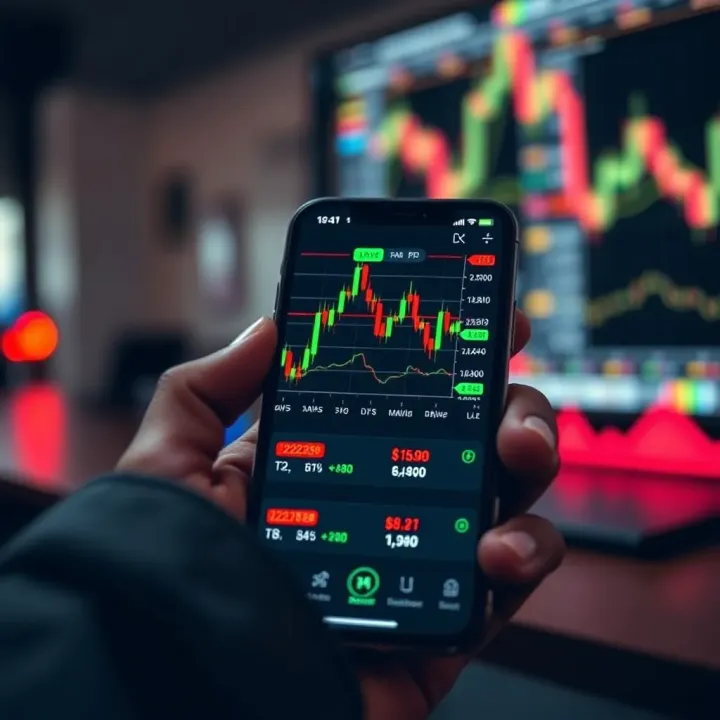
Forex Trading Apps for Kenyan Beginners
Discover the best forex trading apps for beginners in Kenya 🇰🇪. Get tips on features, safety, and avoiding common mistakes for a smart start 📱💹.
Edited By
Emily Clarke
Starting forex trading in Kenya is an exciting, yet challenging, way to potentially grow your wealth. The foreign exchange market, or forex, is where currencies are bought and sold, with the aim of making a profit from shifts in exchange rates. Unlike other markets, forex trades 24 hours a day during the working week, offering more flexibility but also requiring solid knowledge to navigate successfully.
For beginners, understanding the basics is key before committing any capital. Forex trading is not a quick way to get rich—it calls for discipline, practical strategies, and risk management skills. Many new traders jump in without much preparation, only to face substantial losses. To avoid this, it’s crucial to start by learning how the market operates, the trading platforms available in Kenya, and the role of brokers.

To begin, you need to open an account with a licensed forex broker. Look for brokers authorised by the Capital Markets Authority (CMA) in Kenya. A local regulator ensures the broker complies with financial rules, giving you a layer of protection. Popular platforms such as MetaTrader 4 and MetaTrader 5 are widely used by Kenyan traders due to their user-friendly interfaces and analytical tools.
Before real money enters the picture, practising on a demo account is advisable. This lets you familiarise yourself with market conditions, execute trades, and test strategies without risk. It’s like running simulations to build confidence and identify weaknesses in your approach.
Another essential step is understanding leverage and margin—terms often misunderstood. Leverage allows you to control large positions with a small deposit, but it can amplify losses too. Choosing appropriate leverage, usually low at the start, helps protect your investment.
Remember, forex trading requires consistent learning and cautious timing. Avoid chasing quick gains; steady progress with proper risk controls delivers better long-term results.
In the next sections, we will explore how to set up your trading account, manage risks to safeguard your capital, and adapt strategies suited for Kenyan market conditions. Equipped with this knowledge, you will move from being a beginner to a confident forex trader able to make informed decisions.
Getting a good grasp of the forex market basics is essential for anyone planning to trade forex in Kenya. Without understanding how this market operates, traders risk making poor decisions that lead to heavy losses. This knowledge helps you navigate market movements confidently and put practical strategies into place. For example, knowing the difference between major and minor currency pairs allows you to focus your trading on the most liquid and predictable pairs, like USD/KES or EUR/USD.
Forex trading is the buying and selling of currencies to make a profit from changes in their values. It is a global market where traders exchange one currency for another, hoping to sell later at a better price. For instance, if you buy the US dollar when you expect it to strengthen against the Kenyan shilling, you can gain from that change when you sell.
The purpose of forex trading can be speculative, as many individual traders aim to earn from currency fluctuations. On a broader scale, it facilitates international trade and investment by enabling currency conversion.
Currencies in forex are traded in pairs, such as USD/KES or GBP/USD. These pairs show the value of one currency relative to another. When you trade, you are essentially buying one currency while selling the other. For example, when you buy USD/KES, you are buying US dollars and selling Kenyan shillings.
Understanding currency pairs is practical because it tells you which currencies you are dealing with and how exchange rates move. The first currency in the pair is called the base currency, and the second is the quote currency.
Major currency pairs include the most traded currencies globally and often involve the US dollar, like EUR/USD, USD/JPY, or GBP/USD. These pairs usually have higher liquidity and lower spreads, making them attractive to traders.
Minor currency pairs don’t involve the US dollar but include other significant currencies like EUR/GBP or AUD/NZD. These pairs can be more volatile and less liquid, which might mean higher risk but also opportunities for profit. For Kenyan traders, focusing on major pairs with USD or EUR can be a safer starting point.
The forex market operates 24 hours a day during weekdays because it spans different time zones across the world. It opens in Sydney, moves to Tokyo, then London, and finally New York before cycling back. Knowing these sessions helps you trade when the market is most active, as liquidity and price movements peak during the London and New York overlaps.
For example, if you trade from Nairobi, you might find the London session (10 am to 7 pm EAT) the most favourable due to high activity and better pricing.
Liquidity refers to how easily a currency can be bought or sold without affecting its price. Higher liquidity means tighter spreads and faster trade execution. Major pairs like USD/KES or EUR/USD have high liquidity.
Volatility is how much the price swings within a certain time. More volatility means bigger price movements, which can offer profit opportunities but also increase risk. For beginners, trading during less volatile times can help avoid sudden losses.
Economic announcements and events can cause sharp moves in currencies. Kenya’s own economic indicators, such as inflation rates or Central Bank decisions, will impact the Kenyan shilling. Globally, US Federal Reserve meetings, employment reports, and geopolitical developments affect major currencies.
Keeping an eye on the economic calendar helps you anticipate these moves and plan your trades without being caught off guard.
Understanding these basics sets the foundation to trade forex effectively in Kenya. It clarifies what you are trading, when to trade, and what factors influence prices, making your approach more practical and less risky.
Setting up to trade forex in Kenya means laying the right foundation to navigate this complex market with safety and confidence. This step involves selecting a reliable broker, opening a trading account, and picking the right trading platforms. Without proper setup, even the best strategies or market knowledge can’t protect you from unnecessary losses or frustrating experiences.
Regulation and security considerations are crucial when choosing a broker. In Kenya, brokers regulated by reputable bodies like the Capital Markets Authority (CMA) offer a degree of legal protection and assurance that your funds are handled responsibly. Working with unregulated brokers exposes you to risks like fraud or unfair trading practices. For example, a CMA-regulated broker must hold client money in segregated accounts, helping to protect your deposit if the broker runs into trouble.
Local vs international brokers presents an important choice. Local brokers understand Kenyan traders’ needs better, offering services like funding accounts via M-Pesa and tailored customer support. However, international brokers often provide broader market access and advanced tools. Still, you should confirm their regulation status—brokers regulated by authorities such as the UK's Financial Conduct Authority (FCA) or Australia’s ASIC tend to have higher compliance standards. Many Kenyan traders prefer brokers authorised by both CMA and foreign regulators for extra security.
When checking key features before signing up, look beyond spreads and commissions. Important factors include execution speed, withdrawal ease, customer service responsiveness, and platform reliability. For instance, some brokers offer leverage up to 1:200, but this raises risk, so understanding margin requirements is vital. Also, consider whether the broker offers educational resources or demo accounts to help you practise.
Account types available range from standard to micro and demo accounts. Micro accounts allow beginners to trade with small sums, often starting at KS,000, which suits those cautious about exposure. Demo accounts, funded with virtual money, help new traders understand platform workings and market behaviour without risking real cash.
Fund transfer methods have become much easier in Kenya thanks to mobile money. Many brokers accept M-Pesa deposits, which offers instant funding and withdrawal convenience without costly bank charges. This accessibility breaks down a common barrier where online forex was once limited by banking restrictions. Bank transfers are also available, but they may take longer and incur extra fees.
Minimum deposit requirements vary widely. Some brokers require as little as KS,000 to open an account, ideal for new traders testing the waters. Others may require KS0,000 or more, offering better spreads or account features but demanding more capital upfront. Pick a broker whose deposit minimum fits your budget and risk appetite—never rush into larger sums.

The popular platforms used in Kenya include MetaTrader 4 (MT4) and MetaTrader 5 (MT5), known for their robustness and broad user base. These platforms provide useful tools for charting, technical analysis, and automated trading through Expert Advisors (EAs). Local brokers often support these or proprietary platforms adapted for Kenyan traders.
Good user interface and features make all the difference. Platforms should be intuitive so new traders don’t get overwhelmed. Features like one-click trading, real-time price alerts, and clear chart options help in making swift and informed decisions. For example, MT4 is widely praised for its simplicity while offering deep functionality.
Access on mobile and desktop is essential in Kenya, where many traders rely on mobile devices. Most platforms now have mobile apps compatible with Android and iOS, allowing you to trade on the go, whether from a boda boda ride or home. Desktop versions offer more screen space, beneficial for detailed analysis, but mobile access keeps you connected and ready.
Setting up properly ensures you begin your forex trading with tools and protections that suit local realities — from affordable deposits and M-Pesa payments to proven trading platforms. This foundation supports steady learning and better chances of success.
You want to take these setup steps seriously before putting your money on the line.
For a beginner in forex trading, understanding key strategies and techniques is the backbone of success. These methods help you make informed choices instead of relying on luck, which often leads to losses. Learning to read market trends, analyse both technical and fundamental factors, and develop a sound trading plan are essential steps. Without this foundation, even the best broker or platform can’t guarantee steady profits.
Technical analysis involves studying past price movements to predict future trends. In forex trading, this means looking at charts and spotting patterns like uptrends, downtrends or sideways moves. For instance, if the Kenyan shilling shows a steady rise against the US dollar over several days, traders anticipate that the trend might continue, making it a good point to buy or sell accordingly.
Technical analysis relies heavily on historical data rather than news or external variables, providing a practical way to gauge market sentiment. This method suits traders who prefer quick decisions based on price action rather than economic reports that can sometimes be delayed or confusing.
Charts display currency price movements over time and come in various forms—line, bar, and candlestick charts being the most common. Candlestick charts are popular because they reveal clear price points for open, close, high, and low within a time frame, helping traders grasp market momentum at a glance.
Indicators such as moving averages or the Relative Strength Index (RSI) aid traders in assessing whether a currency pair is overbought or oversold. For example, if the RSI shows that the EUR/USD pair is overbought, it might signal an upcoming price drop, allowing traders to strategise accordingly.
Starting traders don’t need complicated software. Basic tools like simple moving averages (SMA) or trendlines provide enough insight to identify when to enter or exit a trade. Many popular platforms such as MetaTrader 4 or TradingView offer these tools free.
Using these basic indicators consistently helps new traders build confidence. For instance, drawing a trendline along rising lows in USD/KE shilling pair’s chart can demonstrate a support level, signalling when to buy after a pullback.
Fundamental analysis looks at economic data and news to forecast how currencies will behave. In Kenya, announcements like inflation rates, Central Bank of Kenya (CBK) interest decisions, or trade balance reports can move the forex market significantly.
Understanding these factors helps you anticipate sharp price changes. For example, a surprise change in CBK’s base lending rate can affect the Kenyan shilling’s value against other currencies, creating potential trading opportunities.
Economic data such as GDP growth or employment numbers act as signals for currency strength. Traders watch these releases closely and often adjust their positions beforehand or shortly after the announcements.
A practical approach is to prepare for key releases by checking economic calendars and setting alerts. When Kenya’s inflation numbers come out higher than expected, the shilling might weaken as investors worry about price stability.
Global events—from US Federal Reserve meetings to geopolitical tensions—shape forex trends beyond Kenya’s borders. Since forex is a global market, these external factors impact currency flows and volatility.
Traders benefit by staying informed and reacting timely. For example, rising oil prices can affect Kenya’s trade balance and currency value. Monitoring such events prevents surprises and keeps you ready to adjust trades accordingly.
Every trader needs clear goals. These could be daily profit targets or maximum loss limits to protect capital. Without these, emotions can lead to reckless decisions.
Setting realistic milestones, such as aiming for KSh 1,000 profit per day or limiting loss to KSh 500, keeps trading disciplined. This approach helps in surviving volatile markets without giving in to greed or fear.
Deciding how much to trade depends on your account size and risk appetite. Beginners should start with smaller positions to avoid heavy losses.
For example, with KSh 10,000 in your account, risking 1% per trade means a maximum loss of KSh 100 per trade. This strategy protects your funds and extends your trading lifespan.
Regularly reviewing your trades helps identify what’s working and what isn’t. Keeping a simple journal of trades, including reasons for entry and exit, builds discipline and skill over time.
For instance, noting down that a trade failed because of ignoring a major economic event can teach caution next time. Over weeks and months, this practice improves decision-making and confidence.
Smart strategies and discipline, not guesswork, create a strong trading foundation. By understanding charts, fundamentals, and having a solid plan, beginners can navigate forex markets more safely and steadily.
In forex trading, understanding and managing risks is just as vital as knowing how the market works. Without this, you can easily lose more than you expect, especially since forex involves fast-moving prices and often, leverage. For Kenyan traders, grasping risk helps protect your capital and maintain steady growth over time.
The forex market is known for high volatility, meaning prices can change quickly and unpredictably. This can be caused by economic announcements, political events, or sudden changes in investor sentiment. For example, if Kenya’s Central Bank unexpectedly changes its monetary policy, the Kenyan shilling might swing sharply against the US dollar. Such fluctuations can offer profit chances but also cause losses if you're caught on the wrong side. Traders need to be prepared for price swings and avoid making impulsive decisions.
Many forex brokers offer leverage, allowing traders to control bigger positions with a smaller deposit. While leverage can amplify profits, it also magnifies losses. For instance, with 1:100 leverage, a 1% adverse move wipes out your entire deposit. Kenyan traders should start with low leverage until they fully understand how margin works. Overleveraging often leads to margin calls, forcing accounts to close trades at a loss beyond what traders can afford.
Forex trading can be stressful. Rapid price changes and financial stakes provoke strong emotions like fear and greed. These feelings may lead traders to override their strategies, chasing quick wins or holding losing trades too long. For example, panic selling after a sudden drop might lock in unnecessary losses. Managing emotions is essential to stick to your plan and avoid costly errors.
A stop-loss order automatically closes a trade if price moves against you beyond a set point, limiting losses. Conversely, take-profit closes a trade once it hits your target gain. Using these tools helps Kenyan traders control risk without watching the market constantly. For example, placing a stop-loss at 50 pips below your entry stops big drawdowns if the market moves unexpectedly.
Before entering a trade, it’s wise to estimate the potential loss versus potential gain. A common approach is aiming for at least a 1:2 risk-to-reward ratio — risking KSh 1 to potentially earn KSh 2. Such discipline improves long-term profitability because even if half your trades lose, the winners compensate the losses.
Avoid putting all your eggs in one basket. Spread your trades across different currency pairs or market conditions to reduce exposure. For example, don’t only trade USD/KES; try others like EUR/USD or GBP/USD. Diversification can cushion against sudden shocks that affect one currency.
Staying calm and clear-headed is vital. Keep a trading journal to track not only your trades but also your feelings during those trades. Reflecting helps you spot emotional triggers and prevent rash moves. Practising mindfulness or brief breaks during trading sessions can also help keep nerves steady.
Overtrading—making excessive trades—often results from impatience or eagerness to recover losses. This usually drains your capital faster. Set a limit on how many trades per day or week and stick to it, ensuring each trade meets your criteria rather than trading just for activity.
A clear trading plan should guide your entry and exit points, trade size, and risk level. Deviating because of market noise or hype can cause losses. For instance, if your plan says to exit when price hits your stop-loss, resist the urge to wait for a reversal. Consistency breeds success in forex.
The best traders don’t just master strategies; they master managing risks and emotions. Without it, even the best setups can fail.
Understanding these risks and using effective risk management tools equips you to handle the challenges of forex trading in Kenya wisely and confidently.
Starting forex trading can feel like a steep climb, especially without practical tips to guide you. This section focuses on hands-on advice to help beginners in Kenya approach forex trading with confidence and care. From practising with demo accounts to understanding the regulatory environment, these pointers make the trading process more manageable.
Why practice matters
Demo accounts act like a training ground where you can learn without risking your money. They give a feel of real trading conditions, helping you understand how currency pairs behave and how the trading platform works. For instance, many Kenyan traders use demo accounts on platforms like MetaTrader 4 or MetaTrader 5 before venturing into live trades. This reduces shocks when the stakes are real.
How to make the most of demo trading
Don’t treat demo accounts as just play money; treat them seriously. Use them to test different strategies and understand market responses. Try practising with amounts you would realistically trade with, rather than over-inflated sums. For example, if you plan to start live trading with KSh 10,000, simulate that size in the demo account. Note your wins and losses and analyse what caused them. This practice builds muscle memory that’s useful when real money is involved.
Transitioning to live accounts carefully
Moving from a demo to a live account should be gradual. Start with small trades and increase the size only after gaining confidence. This helps control emotional reactions like fear or greed, which affect many beginners. Kenyan traders often overlook psychological factors, leading to preventable losses. Set clear limits on how much you’re willing to risk in your initial stage.
Useful local and international resources
Keep up with forex news through trusted Kenyan sources like Business Daily, The Standard, or international ones like Bloomberg and Reuters. These sites provide insights on economic indicators that directly affect currency movements. For example, CBK monetary policy announcements or US Federal Reserve decisions often cause noticeable market shifts.
Joining forex communities and groups
Connecting with other Kenyan traders via forums or WhatsApp groups offers real-time learning opportunities. Communities provide peer support, share trading tips, and warn about potential scams. Joining groups that discuss brokers regulated by CMA Kenya or review trading platforms helps you stay informed on practical issues.
Learning from experienced traders
Mentorship accelerates your learning curve. Experienced traders can tell you which strategies work in the Kenyan context and which don’t. Webinars hosted by local forex experts or trading academies can also fill knowledge gaps. Listening to their experiences helps avoid common traps.
Understanding forex regulation in Kenya
Kenya’s Capital Markets Authority (CMA) regulates financial trading, including forex brokerage firms. Trading with brokers authorised by CMA ensures your funds have some level of protection. Beware of unlicensed brokers offering unrealistic returns; many scams target new Kenyan traders.
Tax obligations on forex earnings
Profits from forex trading are subject to income tax in Kenya. The Kenya Revenue Authority (KRA) expects traders to declare these earnings as part of their taxable income. Understanding this helps avoid penalties. Traders should budget for tax from the start rather than be caught unaware when tax season arrives.
Reporting through KRA and keeping records
Keep meticulous records of all trades, deposits, withdrawals, and statements. These documents back up your income declarations and simplify tax filing. You can use the iTax portal for submitting returns. Staying organised saves time and prevents issues with KRA.
Practical advice makes the difference between guessing and trading with control. Use these tips to build your trading foundations step by step—Kenyan traders who do so often enjoy steadier results and fewer headaches.
Discover the best forex trading apps for beginners in Kenya 🇰🇪. Get tips on features, safety, and avoiding common mistakes for a smart start 📱💹.
📈 New to forex? This practical guide breaks down key concepts, tools, and strategies to help Kenya beginners trade confidently and make smart choices. 💡

📚 Discover must-read books on forex trading in Kenya! Learn strategies, risk management & market insights to boost your trading skills and confidence. 💹
Discover practical forex trading strategies tailored for Kenyan traders 🇰🇪. Learn key principles, analysis, risk management, and mindset tips for success 📈💡
Based on 13 reviews