

Effective Forex Trading Strategies for Consistent Success
📈 Master forex trading with strategies tailored for Kenyan traders. Learn risk management, analysis techniques, and top tools to boost consistent success!
Edited By
Matthew Hughes
Forex trading offers different approaches, each fitting various trading styles and goals. Understanding these types helps you, whether a beginner or experienced trader in Kenya, find the best method for your financial ambitions and daily life.
The main types of forex trading include scalping, day trading, swing trading, and position trading. Each varies by trading timeframe, risk level, and decision-making process.

Scalping involves making quick trades lasting only seconds to minutes. Traders aim to profit from small price movements by opening and closing many positions daily. Kenyan traders using scalping need strong discipline and fast execution, often relying on platforms with low spreads and minimal delays.
Example: A Nairobi-based trader could scalp the USD/KES pair during peak market hours, capturing slight price movements caused by news or market volatility.
Day trading requires entering and exiting positions within the same trading day to avoid overnight risk. This style suits traders who can monitor the markets for hours and react quickly. It relies heavily on technical analysis and market news.
Example: A trader in Mombasa might buy EUR/USD in the morning and sell before market close to lock in profits, avoiding exposure to after-hours surprises.
Swing trading spans days or even weeks, capturing larger price moves than scalping or day trading. This method fits traders unable to watch markets constantly but can check charts regularly. Risk is higher because markets can shift overnight.
Example: A swing trader might hold GBP/USD based on a developing economic report, anticipating price movement over a couple of weeks.
Position trading looks at long-term trends, holding positions for weeks, months, or even years. It suits traders focusing on fundamental factors like interest rates, geopolitical events, or economic cycles.
Example: An investor in Kisumu may hold JPY/USD for several months, betting on interest rate shifts between Japan and the US.
Understanding each trading style’s timeframe and risk helps you make smarter decisions aligned with your schedule, capital, and risk appetite.
In Kenya’s growing forex market, picking the right trading style can impact profits and stress levels. Knowing these types allows traders to match their approach with their lifestyle and the resources they have available.
Forex trading involves buying and selling currencies on a global scale, making it the largest financial market worldwide. For traders in Kenya and beyond, understanding this market's fundamentals helps in navigating currency fluctuations that impact everything from imports to travel costs. A solid overview sets the stage for grasping different trading styles and choosing what's appropriate for your goals and resources.
Forex trading refers to exchanging one currency for another, aiming to profit from changes in exchange rates. Major participants include banks, governments, corporations, and individual traders. For instance, a Kenyan importer buying goods from Europe might trade KSh for euros to complete a purchase, while a local trader tries to earn from short-term currency shifts.
Currencies are traded in pairs like USD/KES or EUR/USD, showing how much of the second currency is needed to buy one unit of the first. If USD/KES is 110, this means 110 Kenyan shillings buy one US dollar. Traders speculate on whether this rate will rise or fall to decide when to buy or sell.
Various financial hubs, from London and New York to Singapore, shape the forex market by operating across overlapping time zones. Nairobi plays a growing role by connecting East African traders to global markets via brokers and platforms. This enables Kenyans to participate actively, influenced by both local economic events and global trends.
Data like inflation rates, GDP growth, and employment figures directly affect currency values. For example, a strong KSh performance often follows positive GDP reports or lower inflation in Kenya. Traders watch these indicators closely, as they signal economic health and guide investment decisions.
Political stability or unrest can move forex markets quickly. Announcements about elections, policy changes, or international relations often cause volatility. Kenyan traders remember the shilling's dips during uncertain political periods, reinforcing how news shapes market confidence and currency demand.
Beyond measurable facts, trader feelings and guesses drive buying and selling activities. If many expect the shilling to weaken because of upcoming monetary policy changes, their speculative moves can actually push the currency in that direction. Sentiment may be fueled by rumours or global risk appetite, adding layers of complexity.
Successful forex trading requires not only understanding data and news but also recognising human behaviour's impact on market rhythms.
By mastering these basics, you build a strong foundation for exploring different forex trading types and picking the right fit for your financial journey.
Spot forex trading is the backbone of retail currency trading and remains the most straightforward method for trading forex in Kenya and beyond. It involves the direct purchase or sale of currency pairs for immediate delivery, making it accessible for both beginners and seasoned traders. Spot trading bridges the gap between global financial hubs and local traders, allowing swift execution and real-time exposure to currency movements.
Spot forex trading involves the immediate exchange of currencies at the current market price, known as the spot price. When a trader in Nairobi buys the US dollar against the Kenyan shilling (USD/KES), the transaction settles typically within two business days. This quick settlement supports liquidity, allowing traders to capitalize on short-term currency fluctuations without waiting for contract expiries as in futures trading.
Common currency pairs dominate the spot market, with majors like USD/EUR, USD/JPY, and GBP/USD attracting the most activity globally. However, Kenyan traders have growing interest in cross-border pairs such as USD/KES and EUR/KES, reflecting local economic ties and import-export activities. These pairs tend to have tighter spreads and greater liquidity during active Nairobi market hours, making them practical for spot trading strategies.
Leverage and margin are tools that amplify a trader's buying power in the spot forex market. For instance, in Kenya, brokers might offer leverage ratios of up to 50:1, meaning with KS0,000 you can control a trade worth KS million. While this magnifies profits, it equally increases potential losses. Proper margin management is key to avoid margin calls, especially in volatile markets influenced by unexpected political or economic events.
The spot forex market boasts high liquidity and easy market access, with 24-hour trading across most weekdays. Kenyan traders can take advantage of this round-the-clock availability via online platforms, making it especially useful for those balancing trading with other commitments. The ability to enter and exit positions quickly minimizes exposure to overnight risks common in longer-term trades.
Costs in spot trading mainly come from the spread, which is the difference between the buy and sell price quoted by brokers. Popular currency pairs like USD/KES often have narrower spreads due to high trading volumes, which reduces trading costs. Nevertheless, traders should stay alert to spreads widening during low liquidity hours or geopolitical events, as this directly impacts profitability.

Spot forex trading carries inherent risks tied to market volatility and leverage use. Sudden shifts in currency values can lead to significant losses if traders do not use stop-loss orders or manage positions wisely. Additionally, broker reliability and regulatory oversight matter; dealing with regulated brokers familiar with Kenyan market needs reduces the chance of fraud or unfair practices.
Spot forex trading offers a practical and accessible way for Kenyan traders to engage with global currencies. Yet, success hinges on understanding market mechanics, managing leverage carefully, and choosing the right currency pairs aligned with trading goals.
This section presents spot forex trading as a foundational type within the bigger forex picture. Later sections explore other trading styles, helping you decide which approach fits your goals best.
Forex trading strategies often depend on the timeframe the trader chooses to operate in. This aspect is vital because it affects everything from risk exposure to capital requirements and the tools you will use daily. For instance, a trader with limited time might prefer short-term approaches like scalping or day trading, while someone with more patience and a long-term view could lean towards position trading. Understanding these types helps you align your trading style with your lifestyle and financial goals, especially in markets that never sleep, like forex.
Scalping involves opening and closing trades within minutes, sometimes seconds. The goal is to profit from small price movements, making numerous trades throughout the day. This strategy suits traders who can stay focused and react quickly, often using high leverage to amplify small gains.
In scalping, timing is everything. Traders aim to jump into the market at the right moment and exit almost instantly to lock in profits. This rapid trade turnover helps to avoid exposure to overnight market shifts or unexpected news that could swing prices against them.
Scalpers rely heavily on real-time charts, technical indicators like the Relative Strength Index (RSI), Moving Averages, and Level 2 market data showing order flow. Fast execution platforms and a stable internet connection are essential tools, especially for traders in Nairobi and other Kenyan cities where internet speed and interruptions can cause slippage.
Day trading means opening and closing positions within the same trading day. This method avoids holding trades overnight and is popular among traders who prefer to focus intensely for a limited period each day. It suits Kenyan traders balancing forex with other daily commitments.
Keeping trades within daylight hours helps protect from events occurring after markets close, such as unexpected political developments or economic reports from key economies that could suddenly shift currency values.
Day traders often watch economic calendars closely for scheduled releases, such as Central Bank rate decisions or employment figures, which can create volatility. They use tools like Bollinger Bands and MACD to spot trade signals and aim to enter when price movement is strongest, usually during London and New York market overlaps.
Swing traders keep trades open from two days up to several weeks. This timeframe allows them to capture more substantial price moves than scalpers or day traders, though it requires patience and a slightly higher tolerance for risk due to holding overnight.
Swing traders balance chart patterns, support and resistance levels with fundamental factors like interest rate trends or geopolitical news. For example, a swing trader might enter a USD/KES trade anticipating central bank announcements in the US or Kenya.
Pairs with moderate volatility and good liquidity, such as EUR/USD or GBP/USD, are favourable. In Kenya, USD/KES is an important pair for swing trading given its sensitivity to both local and international events.
Position trading means holding trades for weeks or months. This style suits traders focusing on long-term economic trends rather than short-term fluctuations. It requires less screen time but more analysis upfront.
Position traders pay close attention to overarching trends like changes in a country’s economic outlook, inflation rates, or trade balance figures. For a Kenyan trader, understanding the impact of local elections or East African Community trade agreements on currency strength is crucial.
This approach demands discipline as trades can go against you for some time before moving in your favour. Effective risk management, such as setting stop-loss orders and using position sizing, is critical to avoid major losses during market dips.
Different timeframes suit different traders — the key is matching your approach to your schedule, risk appetite, and trading skills. Whether your style is quick scalping in Nairobi’s busy markets or patient position trading, knowing the time horizon shapes your strategy and results.
Automated and algorithmic forex trading has gained traction among traders in Kenya and beyond because it removes much of human emotion and manual effort from trading decisions. This approach uses software to execute trades based on pre-set criteria without needing constant human input. For busy traders who cannot monitor the market all day, automated trading offers a practical way to stay active in forex markets while managing other commitments.
Automated trading relies on trading bots or software programmes designed to follow specific rules such as entry and exit points, stop-loss levels, and position sizes. These bots monitor the forex market 24/7 to spot opportunities and place trades instantly. For instance, a trader might programme a bot to buy the USD/KES pair when it drops to a certain level and sell when it rises by a fixed percentage. This removes delays caused by manual order placement, which can cost money in fast-moving markets.
At the core, these algorithms analyse market data according to the trader's strategy. They look at indicators, patterns, and price movements to make decisions. For example, a moving average crossover strategy may instruct the algorithm to buy when a short-term average crosses above a long-term average. Kenyan traders using such systems gain the ability to stick rigidly to their trading plans without hesitation or second-guessing.
Popular platforms among Kenyan traders include MetaTrader 4 (MT4), MetaTrader 5 (MT5), and cTrader. These platforms support custom expert advisers (EAs), which are automated trading scripts tailored to different strategies. Many brokers operating in Kenya offer integration with these platforms, making it easier for local traders to start automated trading without heavy setup.
One key advantage of automated trading is speed. Bots can react instantly to market changes, executing trades faster than a human can. This speed helps capture small profits on quick price moves, which is essential in tight forex markets. Moreover, automated systems trade emotion-free. Humans often let fear or greed affect decisions, but bots stick strictly to rules, reducing impulsive mistakes.
On the flip side, automated trading carries risks tied to technology. Software bugs, internet outages, or sudden market events can cause unexpected losses. Oversight is essential; Kenyan traders should regularly monitor their bots and keep an eye on performance. Blind trust in automation might lead to losses if conditions change beyond the programmed scenarios.
Costs also matter. While some trading bots come free with platforms like MT4, more advanced algorithms may require subscription fees or initial purchase. There's also a setup phase where traders learn to customise and test their bots, which can be time-consuming. For new or casual traders, these requirements may be a barrier compared to manual trading.
Automated forex trading offers a blend of speed and discipline but needs careful management to avoid technical pitfalls and hidden costs.
In summary, automated and algorithmic trading provide Kenyan forex players with strong tools to trade effectively, especially when combined with sound risk management and platform knowledge. It’s a technique worth exploring as part of a broader trading strategy rather than a standalone solution.
Trading through forex derivatives offers Kenyan traders tools beyond straightforward currency exchange. These derivatives, including futures, options, and contracts for difference (CFDs), allow participants to manage risk, speculate on price movements, or gain exposure without directly owning the underlying currencies. Understanding these instruments is key to widening your trading strategies effectively and safely.
Forex futures and options differ from spot trading mainly in timing and ownership. While spot trading involves immediate currency exchange at current market prices, futures and options deal with contracts for transactions set at future dates. This means you agree today on a price to buy or sell currencies in the future, offering predictability and protection against sudden market swings.
For example, an exporter in Mombasa expecting payment in dollars three months from now may use futures to lock in the exchange rate now, avoiding losses if the shilling weakens by payment time. This contrasts with spot trading where exchanges happen instantly without such forward planning.
A futures contract obliges the buyer to purchase, and the seller to deliver, a set amount of currency at a specified date and price. These are standardised contracts traded on exchanges, offering transparency and reducing counterparty risk. Kenyan traders can access these through brokers offering international market access.
Practically, futures let you speculate on a currency’s direction or hedge existing exposure. If you expect the euro to strengthen against the shilling, you might buy euro futures today to profit from price rise. Conversely, businesses settle future cash flow plans confidently knowing exchange rates are fixed in advance.
Options grant the right—but not the obligation—to buy or sell currency at an agreed price before expiry. This flexibility appeals to traders who want to limit potential losses while leaving room to benefit from favourable moves.
For instance, a Kenyan investor expecting to receive dollars could buy a put option to sell dollars at a guaranteed rate. If the shilling strengthens, they simply do not exercise the option and let it expire. Traders also use options to speculate, benefiting from volatile forex markets with controlled risk exposure.
CFDs allow you to speculate on currency price changes without owning the actual currencies. This means you deal only with the price difference between entry and exit, which simplifies the trading process and reduces the hassle of currency delivery.
For example, if you believe the US dollar will rise against the euro, you can open a CFD position on USD/EUR. If the price goes up, you profit on the difference; if it drops, you incur a loss. This approach suits traders wanting quick access to forex markets without dealing with banks or currency exchanges directly.
CFDs usually come with leverage, meaning you can control a larger position with a smaller capital outlay, known as margin. While this can amplify profits, it equally increases potential losses, so managing margin requirements carefully is essential.
Imagine opening a CFD for KSh 100,000 worth of forex exposure with a 10% margin. You only need KSh 10,000 to start, but if the position moves against you by 5%, that is a KSh 5,000 loss—half of your initial capital, illustrating why leveraged trading demands caution.
Though CFDs offer flexibility, they carry risks including rapid losses from leverage, potential hidden fees like overnight financing charges, and susceptibility to market gaps during high volatility. Regulation varies between brokers, so Kenyan traders must choose licensed providers with transparent terms.
CFDs are complex instruments and may not be suitable for all traders. Understanding leverage and practicing disciplined risk management is vital to avoid heavy losses.
In summary, forex derivatives provide powerful tools for hedging and speculating. However, they require solid knowledge of their mechanisms and risks. Kenyan traders should weigh these carefully, aligning choices with their risk appetite and trading goals.
Choosing the right type of forex trading depends heavily on your personal situation, goals, and style. Each trading style demands different levels of time, risk, and skill, so picking what fits you can save time, reduce frustration, and improve your chances of success. For instance, a busy professional in Nairobi who can only spare evenings might prefer swing trading or position trading, while someone with flexible hours could lean towards day trading or scalping.
Forex trading styles vary widely with regards to how much active time they require. Scalping needs near-constant attention throughout the trading session, which is not feasible if you have a full-time job or family commitments. Alternatively, position trading allows you to hold trades for weeks or months and requires less frequent monitoring. Realistically assessing your daily and weekly availability will guide you to a trading style you can manage without burning out.
How much risk you can handle depends on your financial cushion and mindset. For example, if you have limited capital and low tolerance for losses, long-term position trading might suit you better as it avoids the stress and quick swings typical in day trading or scalping. Conversely, traders with larger capital and appetite for risk might explore leverage and higher-frequency trading strategies, but they must prepare for the possibility of significant drawdowns. Defining your risk level helps to manage expectations and keeps your trading sustainable.
New traders in Kenya should usually start with less-complex trading types that allow learning at a slower pace, such as swing or position trading. More aggressive styles like scalping or automated algorithmic trading demand a deep understanding of market mechanics, strong discipline, and reliable tools. Matching your current expertise with your chosen style minimises costly errors and builds confidence gradually.
Choosing the right broker is key to smooth trading in Kenya. Look for brokers regulated by authorities like the CMA (Capital Markets Authority) that offer transparent fees, fast execution, and access to popular currency pairs relevant to the Kenyan market, including USD/KES. International brokers with solid reputations and mobile trading apps can also be good but check their support and withdrawal options for Kenyan clients. Validating broker trustworthiness prevents scams and technical hassles.
Successful trading relies on quality tools for charting, technical analysis, and news updates. Platforms such as MetaTrader 4 and TradingView offer features popular with Kenyan traders, including real-time Kenyan shilling pairs and economic calendars. These tools help you identify entry and exit points and stay aware of market-moving events, crucial particularly for styles like scalping or day trading.
Learning forex trading within the Kenyan context adds practical value. Look for online courses, webinars, or forums addressing Kenyan markets, local brokers, and payment methods like M-Pesa. Some Kenyan trading academies and financial media outlets occasionally offer workshops and up-to-date insights. Building your knowledge with local resources can connect you with fellow traders and increase relevant skill application.
By honestly assessing your goals, resources, and comfort with risk, you can select a forex trading style that fits your life and improves your chance of consistent success.
📈 Master forex trading with strategies tailored for Kenyan traders. Learn risk management, analysis techniques, and top tools to boost consistent success!

📚 Discover essential forex trading books for Kenyan traders! Learn technical skills, psychology, strategy, and tips to boost your forex confidence and success.

Explore forex trading basics tailored for Kenyan beginners 🇰🇪. Learn how the market works, key strategies, tools, and risks to trade confidently 💹.
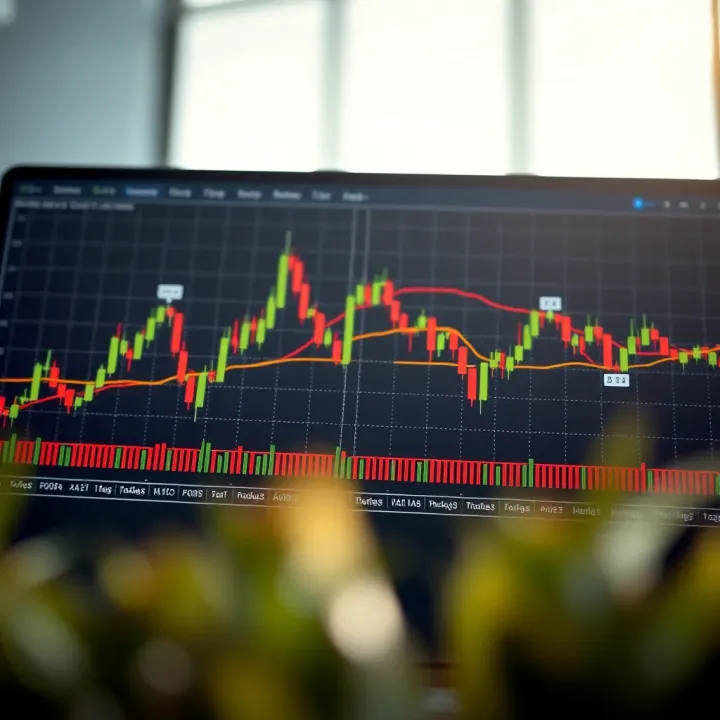
📊 Learn to spot key forex chart patterns and use them effectively in your trading strategy. A clear, practical guide for Kenya’s forex traders.
Based on 7 reviews