

Understanding Binary Trading Bots in Kenya
🤖 Discover how binary trading bots work in Kenya's market, their pros & cons, and what to watch for before using these automated trading tools.
Edited By
James Thornton
Binary trading is a way to bet on whether the price of an asset—like a stock, currency, or commodity—will go up or down within a short, fixed period. Unlike traditional trading where you buy or sell the asset itself, binary trading simplifies things: you either win a fixed payout or lose your stake, depending on whether your prediction is correct by the set time.
For Kenyan traders, binary trading offers an accessible entry point to financial markets without requiring large capital or owning the actual assets. You can participate in trades lasting minutes, hours, or days, making it suitable for people who want quicker results. However, it’s not without risks.

Remember: binary trading is high risk and resembles gambling in some ways. You should only trade what you can afford to lose.
When you place a binary trade, you choose one of two outcomes:
Call option: You predict the price will rise above the current level by expiry.
Put option: You think the price will fall below the current level by expiry.
If your prediction is right at the expiry time, you earn a predefined profit, often between 60% to 90% of the amount you invested per trade. If wrong, you lose your stake.
For example, imagine you predict that the USD/KES currency pair will be above 110.00 at 3 pm today. You stake KS,000. If at 3 pm the rate is indeed above 110.00, you might receive KS,800 back (your KS,000 plus KSh800 profit). If it’s below 110.00, you lose the KS,000.
Kenyan traders often trade binary options on:
Forex pairs: USD/KES, EUR/USD
Stocks: Safaricom, KCB, Equity Bank
Indices: NSE 20 Share Index
Commodities: Gold, oil
Choosing a reliable platform is essential. Look for sites well-regulated in Kenya or internationally, with good reviews and clear terms on deposits, withdrawals, and payouts. Many accept M-Pesa payments, which makes funding easy locally.
In sum, binary trading is about predicting market direction within a set time and either winning a fixed payout or losing your stake. It’s simple but carries risks, so Kenyan traders should proceed carefully and focus on practising sound money management.
Binary trading offers a straightforward way to engage in financial markets by predicting whether the price of an asset will go up or down within a set timeframe. This method appeals to many Kenyan traders because of its simplicity and fixed risk–reward structure. Unlike traditional trading, where profits and losses can vary widely, binary trading provides a clear understanding of potential returns before placing a trade.
This section explains what binary trading entails, highlighting key features and the differences from other trading types. Knowing these basics helps you decide if binary trading suits your trading style and financial goals.
Binary trading involves buying contracts based on a simple yes-or-no proposition: will an asset’s price be above or below a certain level at expiry? If you guess right, you receive a fixed payout; if wrong, you lose your initial investment. For example, you might predict that the price of maize futures will be higher in the next hour. If it is, you earn a predetermined return, say 70% on your stake.
Key aspects of binary trading include fixed risk, fixed returns, and a defined expiry time. This setup makes it easier to manage risk since you know upfront how much you can win or lose.
Traditional trading with stocks, forex, or commodities involves buying or selling assets and profiting from price changes over time. Gains or losses depend on how much the price moves. In contrast, binary trading does not involve owning the asset; it's a bet on price direction within a short period.
For instance, a forex trader might buy USD/KES expecting the shilling to weaken and profits rise as the rate changes. A binary trader only needs to predict if the rate will be above or below a set price at a specific time, regardless of the size of the movement. This can make binary trading less complex but more all-or-nothing.
There are several types of binary options relevant to traders in Kenya:
High/Low (Call/Put): The most common, where you predict if the price goes higher (Call) or lower (Put) than the current price at expiry.
One Touch: You profit if the price touches a predetermined level before expiry, even if it doesn't stay there.
Range Options: You win if the price stays within a specified range until expiry.
Understanding these types helps you choose options that fit your strategy and risk appetite. For example, a binary trader might prefer a High/Low option on Safaricom shares during stable market periods or a One Touch option on oil prices when expecting a sudden spike.
Binary trading simplifies decision-making by offering clear yes/no bets with known risks and rewards. However, it's essential to know how it differs from traditional trading to use it effectively.
This foundation sets you up for exploring how to pick assets, place trades, and manage risks in later sections.
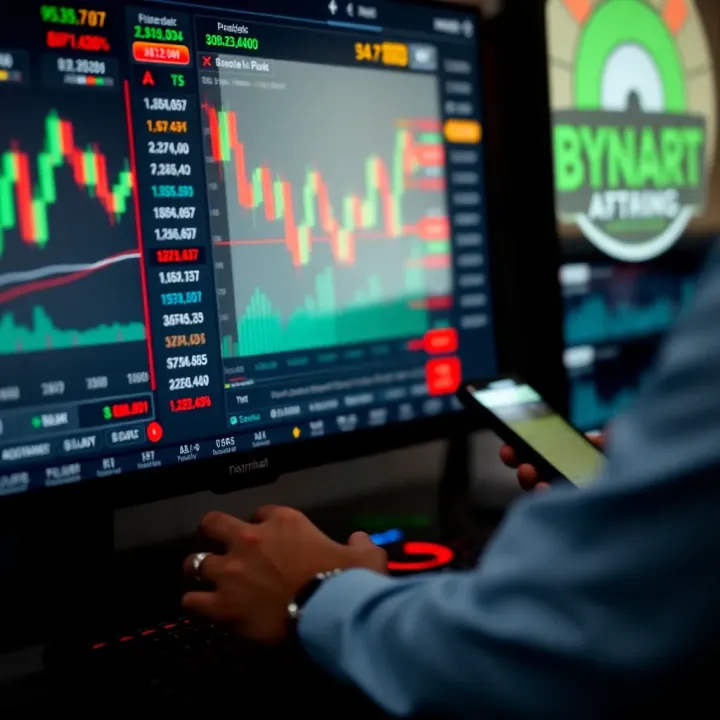
Understanding how binary trading functions in real terms is essential for anyone looking to navigate this market effectively. It’s not just about guessing whether prices will rise or fall but involves picking the right assets, timing your trades wisely, and knowing how to manage your investment size. This practical approach helps reduce uncertainties and improves your chances of making profitable moves.
Traders in Kenya often focus on a few popular asset classes: stocks of major companies, currency pairs, and commodities like gold or oil. For example, you might trade binary options on Safaricom shares or the USD/KES currency pair. Each asset has its own price dynamics influenced by different factors such as company results for stocks or economic data for currencies. Choosing an asset you understand or can easily follow is key. If global commodities like gold interest you, keep an eye on international trends because these can affect prices quickly.
Binary trading also depends heavily on when the markets are open. Stocks typically trade during business hours of their home country, while currencies operate almost round-the-clock during weekdays. For example, the Nairobi Securities Exchange (NSE) opens from 9 am to 3:30 pm EAT, so binary trades based on NSE stocks must be timed accordingly. Currency pairs are more flexible, but you still need to consider the most active trading sessions like London or New York for better price movements. Picking times with good market activity helps increase your chances of predicting price direction correctly.
In binary trading, you only have two choices: call or put. A call means you expect the asset’s price will go up by expiry, while a put means you predict it will go down. Suppose you think the KCB share price will rise over the next hour; you would place a call option for that expiry period. This simplicity makes binary trading accessible, but you must know the asset’s likely direction based on your market analysis.
Expiry times are crucial—they tell you when your trade ends and whether you win or lose. These can range from as short as 60 seconds to several hours or days. Short expiries suit traders who want quick results and can react fast to market changes. Longer expiry times allow for more in-depth analysis but make it harder to respond to sudden price moves. Choosing an expiry period that fits your trading style and the asset’s volatility improves your decision-making.
How much you invest per trade affects your risk and potential reward. Starting small is advised, especially for beginners. If you have KSh 10,000 to trade, dedicating KSh 500 per option means you can take 20 trades without wiping out your capital. Avoid putting too much on a single trade; binary trading is all-or-nothing, so losing one big trade could hurt badly. Managing your stake carefully allows you to spread risk and stay in the game longer.
When your trade expires, two things happen—either you win the pre-agreed payout if your prediction was right, or you lose your invested amount if wrong. For instance, if you placed a call on the USD/KES pair expecting it to rise and it does, you earn a fixed return, usually between 60-90% of your stake. If it falls instead, you lose what you invested. This clear-cut result is why binary trading appeals to many Kenyan traders—it’s straightforward with no surprises mid-trade.
Returns depend on the payout percentage set by the platform and your investment size. If the return is 80% and you invest KSh 1,000, a winning trade pays KSh 1,800 (your original KSh 1,000 plus KSh 800 profit). Different assets and expiry times might offer varied payouts, so comparing these rates helps maximise profits. Always factor in returns before placing a trade to understand your risk-reward balance.
After expiry, the platform automatically settles your trade based on the final asset price. It’s important to monitor your trades and close any open positions before expiry if your platform allows. In some cases, you can't exit early, so predicting the price movement correctly by expiry is vital. Awareness of how expiry works helps you plan your trades properly and avoid surprises at settlement.
Knowing exactly how to choose assets, place trades, and evaluate results puts you in control of binary trading. This practical knowledge is the backbone of successful trading strategies.
Trading binary options involves a significant level of risk that every trader, especially those in Kenya, must understand. Recognising the challenges upfront helps you make more informed decisions and manage your investments wisely. This section looks at the nature of these risks and the legal framework governing binary trading in Kenya.
Binary trading is often described as an "all-or-nothing" investment. You either predict the price movement of an asset correctly and win a fixed payout, or you lose your stake entirely. This setup means the risk is quite high since there's no partial recovery on losing trades. For instance, if you invest KSh 5,000 predicting the price of a currency pair will rise, but it falls instead, you lose the entire amount invested, not part of it.
This structure can tempt some traders to chase losses by increasing their stake quickly, which can wipe out funds very fast. It's advisable to keep trades small and only invest what you can afford to lose. Understanding this risk helps avoid rash decisions that lead to significant losses.
Common pitfalls include falling for scams promising guaranteed returns or ignoring the importance of a solid trading strategy. Many new traders jump into binary options without practising on demo accounts or researching market trends, which often results in losses. Another common mistake is not keeping track of expiry times, which are critical in binary options since a trade outcome is determined at a fixed moment.
Besides, some traders may overlook the importance of choosing reliable platforms. Using unregulated or suspicious trading sites increases the likelihood of fraud or poor execution of trades, further adding to risks.
The Capital Markets Authority (CMA) is the regulator responsible for overseeing investments and trading activities in Kenya, including derivatives and binary options. Though binary trading is popular globally, the CMA has been cautious and clear about protecting investors from unregulated entities. CMA's role includes issuing licences to genuine platforms, ensuring they follow standards that safeguard users' interests.
Being aware of CMA's regulations is crucial when selecting a binary trading platform. Licensed platforms comply with local laws and offer some protection if disputes arise. For example, when a platform is licensed by the CMA, it must adhere to rules around fund segregation and transparent operations.
Traders should be wary of platforms that operate without CMA approval or contact information within Kenya. Unlicensed platforms may not be accountable for fund safety or fair trade conditions. Always verify a platform’s legitimacy through CMA’s official data or customer reviews before investing your money.
Remember: Trading binary options is risky and not suitable for everyone. Understanding both the financial risks and the legal safeguards helps Kenyan traders make better choices and avoid unnecessary losses.
Choosing the right binary trading platform is essential for any trader, especially in Kenya where digital payments like M-Pesa ease local transactions. A reliable platform affects how easily you can access markets, the safety of your funds, and how well you can respond to changing prices. Picking one without considering key features risks your money and trading experience.
A clear and user-friendly interface is the foundation of a smooth trading experience. It should let you place trades fast and check your investments without confusion. For Kenyan traders, mobile compatibility is crucial since many rely on smartphones for internet access. Platforms that run well on Android or iOS devices make it easier to trade on the go, whether you're commuting in a matatu or having nyama choma at a roadside joint.
Look for platforms offering a good selection of assets like local currency pairs (e.g., KES/USD), popular stocks, and commodities that affect the Kenyan market such as oil or gold. This variety gives you choices to match your understanding and market outlook. Also, flexible expiry times matter because different strategies need different timeframes; some trades may suit 30 minutes, others require days.
Since M-Pesa dominates Kenyan digital payments, a platform supporting its deposits and withdrawals simplifies managing your funds. Besides M-Pesa, look for additional options such as bank transfers or card payments, but never settle for a platform without reliable local payment methods. Instant and hassle-free transactions reduce delays, letting you capitalise on market moves quickly.
Kenya’s Capital Markets Authority (CMA) sets rules for trading platforms operating locally. Always verify if the platform you choose is licensed and compliant with the CMA or equivalent authorities. This reduces the chances of scams and ensures your funds enjoy some protection. Never trade using unlicensed platforms even if they offer high returns; it’s a fast track to losing your money.
Good customer service can save you when issues arise, such as delayed payout or technical glitches. Test the responsiveness of the support team before committing your funds. Additionally, read independent reviews from other Kenyan traders. Feedback about platform reliability, ease of withdrawals, and real experiences highlight what you should expect.
Picking a trustworthy platform doesn't just protect your money but also builds the confidence needed to trade smartly and steadily in binary options.
For anyone in Kenya stepping into binary trading, having a clear set of basic strategies is essential to navigate the market safely and increase chances of success. This section offers practical guidance designed to control risk and develop a better understanding of market movements, keeping in mind the realities Kenyan traders face, like fluctuating currencies and economic news.
Risk management is the bedrock of safe trading, especially in binary options where outcomes are all-or-nothing. Starting with small investments helps protect your capital from big losses when you are still learning. For example, if you decide to invest KS,000 on a trade but the outcome isn’t favourable, the loss is manageable compared to putting KS0,000 on the line blindly. This approach helps maintain your trading budget over time and gives space to learn without heavy financial pressure.
Using small amounts also helps traders get acquainted with how different assets behave before committing more money. It’s a way to build confidence gradually rather than gambling large sums early on.
Practice accounts, often called demo accounts, play a vital role for beginners. These accounts use virtual money, allowing you to place trades, test strategies, and familiarise yourself with the platform interface without risking real cash. For instance, popular platforms like IQ Option or Olymp Trade offer practice accounts that mirror real trading conditions.
Practising without real money builds your skills with no financial risk and helps you understand timing, asset selection, and expiry settings. When you eventually switch to a real account, you’ll be better prepared, reducing impulsive decisions that often lead to losses.
Using charts and simple technical indicators like support and resistance lines, moving averages, or volume trends offers insight into possible price movements. These tools help you see if the market tends to rise or fall over short periods. For Kenyan traders, apps like MetaTrader or TradingView can provide free access to such charts linked to assets you want to trade.
For example, following the EUR/USD currency pair might be easier if you watch a 1-hour chart that shows price movements through the day. Spotting when the price consistently bounces off a support level can guide your binary options decisions – like when to choose a 'call' (price goes up) or 'put' (price goes down) option.
In addition, staying updated on global events that affect markets is critical. News such as changes in US interest rates, oil price shifts, or developments in China’s economy can quickly impact asset prices. Kenyan traders can follow reliable sources like Business Daily, CNBC Africa, or Reuters for timely updates.
Knowing when significant announcements are coming helps avoid trading during volatile moments or allows you to take advantage by predicting rapid price changes. For instance, if Kenya’s shilling weakens due to a new policy announcement, traders might profit from currency pair binary options involving KES.
Tip: Combine market analysis with awareness of world news to make more informed trading choices and guard against unexpected swings.
These basic strategies - managing risks with small trades, practising on demo accounts, using charts, and tracking news - form the cornerstone for Kenyan binary traders aiming to build steady skills and potentially profitable habits.
🤖 Discover how binary trading bots work in Kenya's market, their pros & cons, and what to watch for before using these automated trading tools.

📊 Discover practical binary trading strategies designed for Kenyan investors. Learn market analysis, risk management tips, and avoid common mistakes in trading.
Explore binary trading basics, risks, legal tips, and strategies tailored for Kenyan traders 🇰🇪. Find trusted platforms and trade smarter today! 📈💡

Explore practical binary trading strategies tailored for Kenyan traders 🇰🇪. Learn beginner tips, risk management, analysis methods & personalizing your approach 📊💡.
Based on 8 reviews