
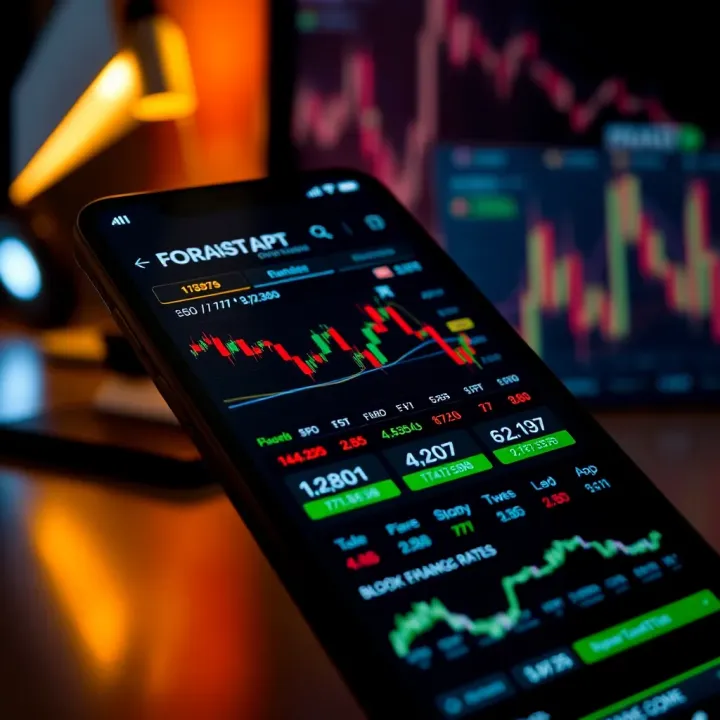
Understanding Forex Trading Apps in Kenya
Explore how forex trading apps work, their benefits and risks, and get expert tips to choose and trade wisely on mobile in Kenya! 📱💹🇰🇪
Edited By
Oliver Bennett
Forex trading, often called foreign exchange trading, is all about buying one currency while selling another simultaneously. It’s a global market where currencies like the US dollar, euro, and Kenyan shilling are exchanged. Unlike stock markets, the forex market runs 24 hours a day, opening in Asia, moving to Europe, and closing in North America. This continuous operation allows traders to respond to economic and political events as they happen.
At its core, forex trading reflects the dynamic value of currencies, driven by factors such as interest rates, inflation, political stability, and trade balances. For example, if the Central Bank of Kenya increases interest rates, the Kenyan shilling may strengthen as investors seek higher returns. Conversely, political unrest can weaken a currency as traders shy away.
Understanding these drivers is essential for anyone looking to trade forex successfully. The market is sensitive to news, economic reports, and even speeches by key officials.
Participants in forex trading range from large banks and multinational corporations to individual traders using online platforms. Banks might trade billions for hedging risks, while individuals may trade smaller amounts aiming for profit from price movements. Regardless of scale, the principle remains the same: exchanging currency pairs such as USD/KES or EUR/USD.
There are several types of forex trades. Spot trading involves immediate currency exchanges, whereas forward or futures contracts agree on exchanges at later dates with set prices. Forex brokers in Kenya commonly offer access to spot trading through platforms integrated with mobile money options like M-Pesa for convenient deposit and withdrawal.
In practical terms, forex traders use various strategies based on technical analysis, fundamental analysis, or a mix of both. Technical analysis relies on chart patterns and indicators, while fundamental analysis looks at economic data and events. Each approach has its risks and rewards, and choosing one depends on the trader's style and market conditions.
To sum up, forex trading is more than swapping currencies; it’s about understanding global economic flow and reacting to changes quickly. With the right knowledge of market drivers and trading types, you can navigate this fast-moving market with greater confidence.
Forex trading, simply put, involves exchanging one currency for another. This process happens in a market known as the foreign exchange, or forex market, which operates 24 hours a day across global financial centres. The activity isn't just about swapping currencies; it’s a major component of the international financial system supporting trade, investment, and economic stability.
Forex trading is the buying and selling of currencies with the goal of making a profit from changes in their value. Unlike trading shares or commodities, forex deals with the relative worth of currencies—how many Kenyan shillings you can get for one US dollar, for instance. Traders speculate by entering positions in currency pairs, such as USD/KES or EUR/USD. Each pair shows the value of one currency against another.
For example, if the USD/KES rate rises, it means the US dollar has strengthened compared to the Kenyan shilling. A trader who predicted this can sell the shillings bought earlier at a profit. Essentially, forex trading is a form of speculation based on how economies, politics, and market sentiment influence currency values.
Many people wonder why forex trading matters beyond profit-making. It serves several purposes in the real economy and financial markets. First, it provides liquidity—meaning there’s always demand and supply available so that businesses and governments can exchange currencies to pay for goods, services, or investments abroad. For instance, a Kenyan exporter receiving payment in dollars needs to convert that money back into shillings to run the business smoothly.
Second, forex trading helps businesses and investors to hedge against currency risk. Say a Kenyan company plans to import machinery from Europe but worries the euro might become more expensive; they may use forex contracts to lock in exchange rates. This strategy protects them from sudden losses due to fluctuating currencies.
Third, from a trader’s perspective, forex offers opportunities to capitalise on short term price movements. Unlike shares that usually trade during set hours, forex’s continuous market hours allow traders to react to news or events anywhere in the world instantly. This flexibility attracts many in Kenya and elsewhere who want to diversify beyond stock markets or real estate.
Forex trading is not just about betting on currencies—it’s a vital part of keeping global commerce smooth and offering ways to manage financial risks.
To sum up, understanding what forex trading really means sets the foundation for grasping how it works and why its influence stretches far beyond just finance-savvy traders. It’s an arena where currencies, much like commodities or stocks, are assets to be managed smartly depending on one’s goals and risk appetite.
Understanding how the forex market operates is central to grasping the practical side of currency trading. The forex market is the largest financial market in the world, with a daily trading volume exceeding $6 trillion. This vast space is where currencies are exchanged, enabling global trade, investments, and tourism to flow smoothly. For traders and investors in Kenya and beyond, knowing how the market functions helps in timing trades better and managing risks effectively.
Currencies are always traded in pairs, where one currency is exchanged for another. This pairing reflects the value of one currency relative to the other. For example, the popular pair USD/KES shows how many Kenyan shillings one US dollar can buy. The first currency in the pair is the 'base currency', while the second is the 'quote currency'. If the USD/KES rate is 110, it means 1 USD equals 110 KSh.
Currency pairs fall into three groups:
Major pairs: These include currencies like the US dollar (USD), euro (EUR), Japanese yen (JPY), and British pound (GBP). For instance, EUR/USD or GBP/USD.
Minor pairs: These pairs exclude the US dollar but combine other major currencies, like EUR/GBP.
Exotic pairs: These involve a major currency paired with one from an emerging or smaller economy, such as USD/KES or EUR/ZAR (South African rand).
Being familiar with pairs is vital because each reacts differently to global events and economic news.
Various players fuel the forex market, each with distinct motives and roles:
Central banks and governments: They influence the market by adjusting interest rates or engaging in currency interventions to stabilise their national currency.
Commercial banks and financial institutions: They provide liquidity and facilitate trades for clients, including corporations and traders.
Speculators and traders: These participants aim to profit from price movements. This group includes retail traders using platforms accessible on mobile devices.
Corporates and businesses: When companies import or export, they buy or sell currencies to pay suppliers or employees abroad.
For example, a Kenyan exporter selling tea to Europe will convert euros earned back into Kenyan shillings via the forex market.
The forex market operates 24 hours a day but is divided into four main sessions based on global financial centres:
Sydney (start of the week)
Tokyo (Asian session)
London (European session)
New York (American session)
Each session overlaps with others, creating periods of greater market activity. For instance, the London-New York overlap often sees the highest trading volumes and price volatility.
Kenyan traders should note that the London session begins around 10 am EAT, making it convenient for active trading during working hours. Understanding trading hours helps you spot times with better liquidity and potential price moves, crucial for planning trades efficiently.
The forex market never sleeps but knowing its rhythm allows you to catch the best trading opportunities and avoid periods of low activity that can lead to unpredictable price swings.
Currency prices in the forex market don’t move randomly. Several factors influence how one currency fares against another. Understanding these drivers can give traders and analysts an edge in making informed decisions and managing risks effectively. This section looks closely at economic indicators, political events, and market sentiment — three key elements that shape currency values.
Economic indicators provide direct clues about a country's financial health and future prospects. Key reports like GDP growth, inflation rates, employment figures, and trade balances affect forex prices significantly. For example, when Kenya releases its GDP growth data showing a strong expansion, the Kenyan shilling tends to strengthen as investors expect better returns. Conversely, a rise in inflation without corresponding wage growth can reduce a currency’s value because it erodes purchasing power.
News related to interest rate changes by central banks, such as the Central Bank of Kenya or the US Federal Reserve, also plays a major role. An unexpected interest rate hike often boosts the currency since higher rates attract foreign capital looking for better yields. This makes staying current with economic news vital for traders who want to anticipate price movements rather than react late.
Political stability is a crucial consideration for forex market participants. Uncertainty caused by elections, policy changes, or geopolitical conflicts can lead to currency volatility. For instance, ahead of national elections in Kenya, traders may see the shilling weaken temporarily as investors adopt a cautious stance, waiting to see the outcome and potential policy shifts.
More severe turmoil like protests, changes in government, or diplomatic disputes can drive sharp, sometimes unpredictable, swings. On the other hand, a stable political environment tends to attract foreign investment, boosting the local currency's appeal. Those trading forex should assess political calendars and news closely, especially in emerging markets where shifts can be more abrupt.
Beyond facts and figures, market sentiment — the overall feeling or mood among investors — can influence currency prices. When traders are optimistic about a country’s economy, demand for its currency rises. This can occur even before concrete data emerges, driven by speculation or herd behaviour.
For example, if global investors believe that the US dollar will strengthen due to upcoming economic reforms, they may start buying dollars en masse, which in turn pushes prices upwards. Similarly, rumours, social media chatter, and international events can trigger rapid speculations causing spikes or dips.
Successful forex trading depends not just on hard data but also on reading the market’s mood and anticipating speculative moves.
In summary, economic indicators and news, political events, and market sentiment intertwine to shape forex price dynamics. Understanding these factors helps traders, analysts, and investors make better calls, manage exposure, and respond swiftly to unfolding developments in the currency markets.
Understanding the popular types of forex trading helps traders choose the approach that suits their skills, goals, and resources. Each type comes with its own set of rules and risks, so knowing these can guide smarter decision-making. In Kenya, forex trading is often accessed through brokers that offer online platforms where these different instruments are available. Here we break down the main types of forex trading to help you see which one fits your trading style.
Spot forex trading is the straightforward exchange of currencies at the current market price, with immediate delivery usually settled within two business days. This type is the most popular amongst retail traders because it allows direct ownership of one currency against another. For example, a Kenyan trader buying USD/KES on the spot market is exchanging Kenyan shillings for US dollars at the exact price quoted. The spot market is quite liquid, running 24 hours across global centres including London and New York, which means you can trade almost any time, a big advantage for different schedules.
Forex futures are contracts that obligate the buyer to purchase a currency at a set price on a forthcoming date. These contracts trade on formal exchanges like the Chicago Mercantile Exchange. Unlike spot trading, futures are standardised and have expiry dates, which some traders use to hedge against currency risks. Forex options, meanwhile, give the right but not obligation to buy or sell a currency pair at a predetermined price before a certain date. This flexibility is attractive for hedging or speculating with limited risk. In Kenya, futures and options are less common but provide valuable tools for investors who want more control over risk compared to spot trading.
Currency Exchange-Traded Funds (ETFs) and Contracts for Difference (CFDs) offer alternative ways to gain exposure to forex markets without owning the actual currencies. Currency ETFs track a basket of currencies and trade like regular shares on the stock exchange, such as the Nairobi Securities Exchange (NSE). This works well for investors looking for longer-term exposure without daily management.
CFDs allow traders to speculate on currency price movements without owning the underlying asset, enabling leverage to gain larger exposure with less capital. However, leverage also amplifies risk. Many Kenyan traders use CFDs through online brokers because they require smaller investments and offer access to global currency pairs.
Understanding these types helps traders align their choice with their risk appetite, knowledge, and capital. While spot trading is more direct and common, futures, options, ETFs, and CFDs offer more sophistication and flexibility at the cost of complexity.
Spot forex: Immediate currency exchange, common and simple
Futures and options: Contracts with expiry, useful for hedging or strategic speculation
Currency ETFs and CFDs: Indirect and leveraged ways to trade, suited for various investment styles
Choosing the right type depends on your personal approach, and combining knowledge with sound risk management will improve chances for success in forex trading.
Managing risks effectively is the foundation of success in forex trading. Without proper risk management, even the most experienced traders can suffer significant losses. This section highlights critical risks and practical strategies that traders, especially in Kenya, can use to protect their capital and navigate volatile currency markets.
Forex trading involves several risks that traders must understand. Volatility risk arises from sudden price swings due to political events, economic reports, or unexpected news. For example, a surprise interest rate change by the Central Bank of Kenya (CBK) can cause the Kenyan shilling to jump or dip sharply against major currencies.
Leverage risk is another concern. Forex brokers often offer high leverage ratios—sometimes up to 1:100—which can magnify both profits and losses. A small adverse move can wipe out an entire trading account if proper stop-loss orders are not used.
Liquidity risk becomes more relevant during off-market hours or less popular currency pairs, where traders might struggle to enter or exit trades at desired prices. Lastly, there is counterparty risk, especially when dealing with unregulated brokers, where the trader faces the risk of unfair practices or inability to withdraw funds.
Practising sound risk management is not optional—it's the lifeline that keeps you trading longer and wiser.
Successful forex trading depends on more than luck; it requires tested strategies. One straightforward method is trend following, where traders identify and move with the market’s dominant direction. In Kenyan contexts, keeping an eye on global economic data releases—like U.S. non-farm payrolls or China’s manufacturing indices—can help spot trends.
Another popular approach is range trading. Traders look for price levels where a currency pair bounces repeatedly before breaking out. This strategy works well in markets showing sideways movement, sometimes seen in quieter African market hours.
Breakout trading involves entering a position as the price moves beyond a resistance or support level. For example, rapid shifts in USD/KES might offer breakout opportunities after Kenya’s budget announcements.
Complementing these, risk-reward ratio planning and use of stop-loss orders are fundamental to control losses and lock in profits.
Kenyan traders should consider the local financial ecosystem when approaching forex markets. First, always trade through brokers regulated by the Capital Markets Authority (CMA) Kenya to avoid fraud and ensure transparent dealings.
Second, use local payment methods like M-Pesa for deposits and withdrawals, which provide speed and security.
Third, stay informed about both local and international news influencing the Kenyan shilling. For example, shifts in commodity prices like tea or coffee production can indirectly affect forex movements.
Finally, start small with demo accounts or modest capital. Forex trading requires patience and discipline; rushing without a tested plan often leads to losses.
In sum, understanding and managing risks, applying sensible trading strategies, and aligning with Kenya’s unique market realities equip traders to improve their chances of success in forex markets.
Explore how forex trading apps work, their benefits and risks, and get expert tips to choose and trade wisely on mobile in Kenya! 📱💹🇰🇪
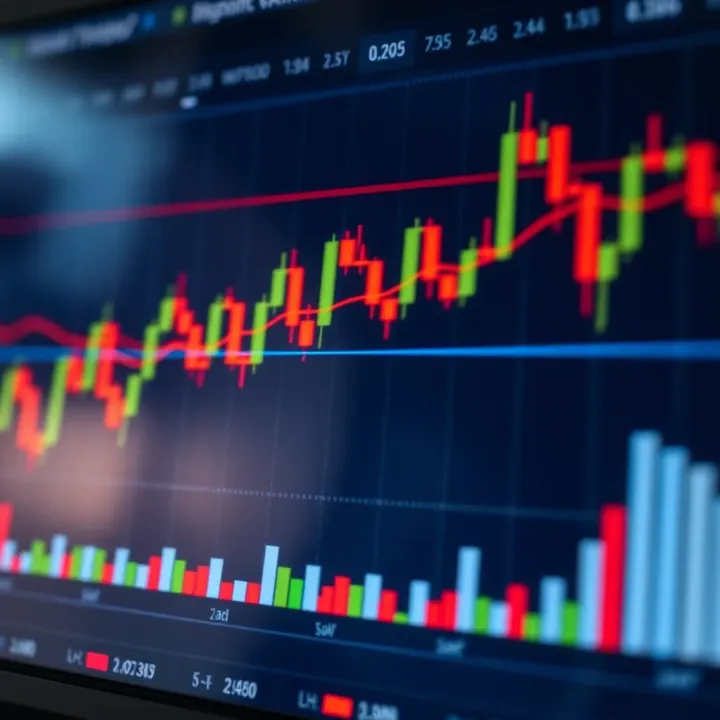
📊 Learn how to read essential candlestick patterns in forex trading, avoid common pitfalls, and improve your strategy for smarter market decisions.
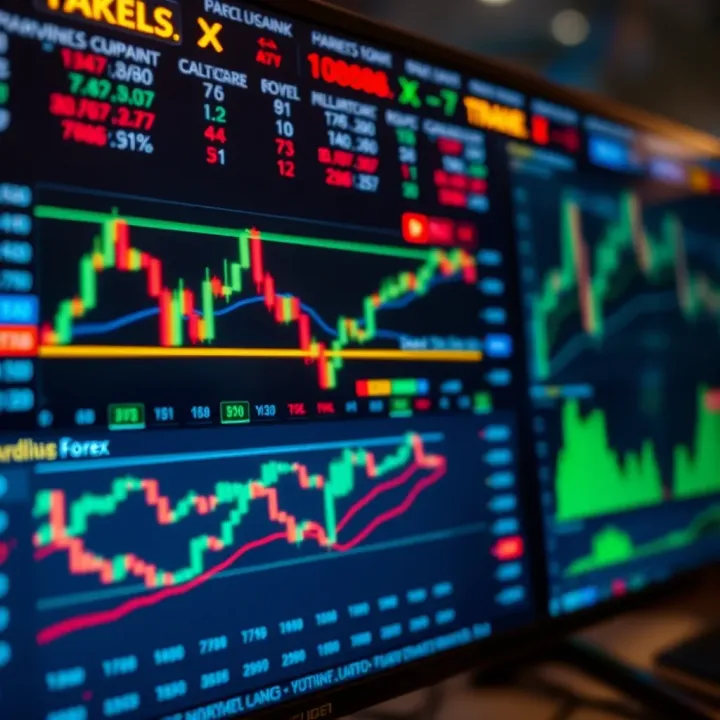
📈 New to forex? This practical guide breaks down key concepts, tools, and strategies to help Kenya beginners trade confidently and make smart choices. 💡
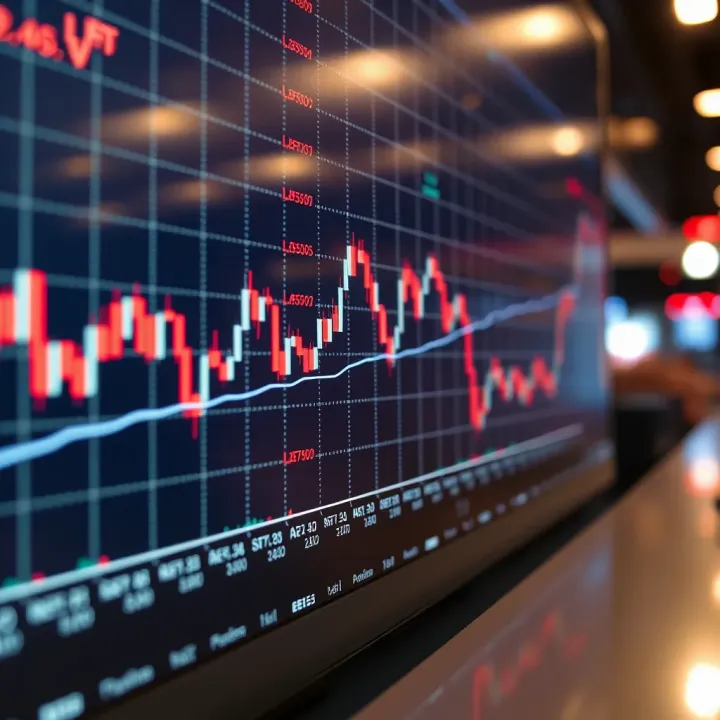
📊 Learn practical risk management strategies in forex trading to protect your investments, control exposure, and improve outcomes in Kenya's volatile market.
Based on 14 reviews