

Understanding Enterprise Risk Management
Explore practical steps to implement Enterprise Risk Management (ERM) in Kenyan businesses 🚀 Learn how to align risk with goals and stay ahead.
Edited By
Henry Dawson
Risk management is about spotting, analysing, and dealing with uncertainties that could affect your financial returns or business operations. Whether you are a trader on the NSE, an investor diversifying your portfolio, or a broker advising clients, understanding risk management helps you make smarter decisions and protect your capital.
At its core, risk management involves identifying potential threats, evaluating their likelihood and impact, and taking steps to control or mitigate them. This process is not only for large corporations; individuals managing personal finances, like using M-Pesa for savings or investing in pension schemes, also benefit from these principles. For example, a small-scale business owner in Nairobi may face risks such as supply chain delays, fluctuating currency rates, or regulatory changes by county governments.
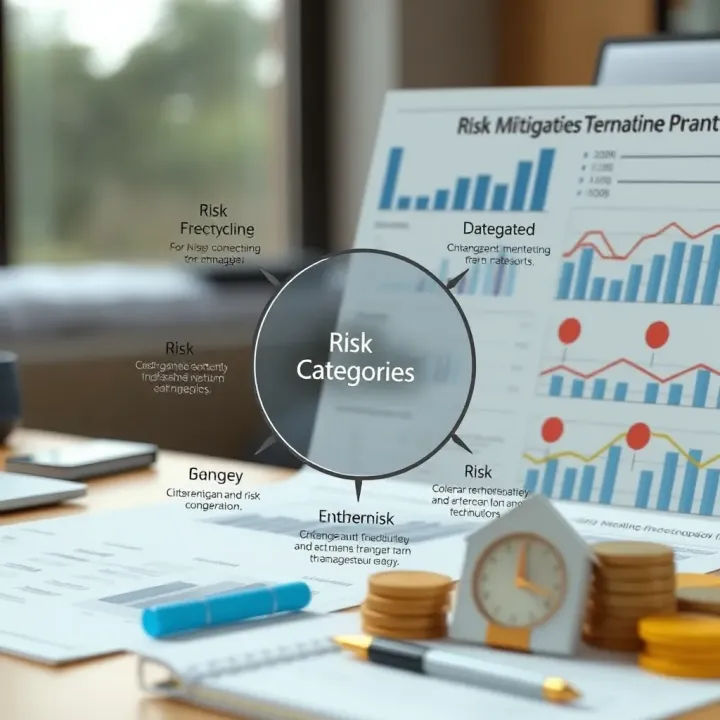
Effective risk management turns uncertainty into manageable challenges rather than unpredictable disasters.
Identification – Spotting risks before they impact you. This includes market risks, credit risks, operational risks, and even cyber-security threats.
Assessment – Measuring how likely these risks are to happen and what damage they may cause.
Control – Implementing strategies to reduce or transfer risk, such as diversification, insurance, or hedging.
Monitoring – Keeping an eye on the risk environment since new threats can emerge or existing ones grow.
For instance, an investor in Kenya might face currency risk if the shilling weakens against the dollar, which impacts foreign investment returns. To control this, they might diversify by including government bonds or investing in sectors less sensitive to currency swings.
Kenya's economy can be vulnerable to sudden changes such as weather affecting agricultural output or political shifts influencing investor confidence. Traders and analysts must factor in these local conditions when managing risks. If your business depends on reliable electricity, you might invest in a generator, safeguarding operations during outages.
In the informal sector, a boda boda operator offers a practical example: unpredictability in fuel prices or matatu strikes can threaten daily earnings. Using risk management techniques, like saving a portion of income or having health insurance, helps cushion such shocks.
Understanding risk management equips you to spot pitfalls and plan ahead rather than reacting after losses. It’s a skill every Kenyan investor, trader, or businessperson should sharpen to thrive amid uncertainty.
Next, we'll explore the detailed steps used in risk management so you can apply them directly.
Risk management is about identifying potential problems before they happen and taking steps to minimise their impact. For businesses and investors in Kenya, understanding this process helps protect money, reputation, and future growth. It’s not just a theory; it’s practical and essential for navigating uncertainties common in markets and daily operations.
Risk is the possibility of losing something valuable — like money, assets, or opportunities — because of uncertain events. For example, a trader at the Nairobi Securities Exchange (NSE) might face risks from changing market prices or new government policies. Risk management, then, is the act of spotting these possible threats early and planning how to handle them. This could involve measures like diversifying investments, buying insurance, or setting aside emergency funds. Simply put, risk management is about making decisions that balance risks with rewards in a way that safeguards what matters most.
The value of managing risk can’t be overstated, especially in Kenya’s fast-changing economic environment. When businesses ignore risks like currency fluctuations, they might lose a substantial part of their profits. Take an exporter who sells goods abroad. Without proper strategies to manage foreign exchange risk, a sudden drop in the dollar against the shilling could cut revenues sharply. Likewise, individuals who borrow through the Higher Education Loans Board (HELB) or invest in small businesses need to consider risks to avoid financial strain.
A good risk management approach also builds trust among stakeholders — from investors to customers. It shows that a company or person is prepared and reliable. Beyond profits, managing risks can prevent costly disruptions, like supply chain breakdowns or legal challenges, that might otherwise take months to recover from.
Effective risk management isn’t about avoiding risks altogether, but about understanding them well enough to make smart choices that keep you steady even when things don’t go as planned.
For traders, brokers, and analysts, recognising and handling risks means staying ahead of surprises and seizing opportunities wisely. In Kenya’s business climate, this skill can make the difference between success and setbacks.
Understanding the key steps in the risk management process helps traders, investors, and analysts in Kenya make smarter decisions. Each step builds on the last to identify risks early and find practical ways to reduce harm. This approach also helps manage capital more effectively and avoid surprises that can upset business plans or portfolios.

Start by spotting potential risks before they cause damage. For instance, a small-scale investor in Nairobi might watch political developments closely because election periods often affect market confidence. At the same time, a business importing goods needs to keep an eye on exchange rate fluctuations that could increase costs sharply. Identifying risks means looking at both internal factors like employee skills, and external ones like changes in government policy.
Once risks are identified, assess how likely each one is to happen and what impact it would have. This helps focus attention on the most serious threats first. For example, in agriculture, drought risk should be prioritised over occasional pests if the drought would wipe out entire crops. Use simple rating scales or risk matrices to rank risks, weighing financial loss against likelihood. This step ensures resources aren’t wasted managing minor risks while bigger dangers go unnoticed.
After prioritising, it’s time to decide how to handle each risk. Common responses include avoiding the risk altogether, reducing its likelihood, or transferring it through insurance. A Kenyan manufacturer might install backup generators to reduce power outage risks, while an investor may diversify their portfolio to spread market risk. Contingency plans also fit here—having a clear approach to act if a risk occurs is vital for quick recovery.
Risks don’t stay the same; new threats emerge and circumstances shift. Regularly reviewing risks and adjusting your responses keeps you ahead. For instance, a tech company in Nairobi should monitor cybersecurity threats continuously, updating safeguards as hackers evolve methods. Monitoring also involves checking if the chosen risk responses are effective or need improvement. This ongoing process is crucial for maintaining a resilient business or investment portfolio in a fast-changing environment.
Consistently applying these key steps helps Kenyan traders, investors, and analysts manage uncertainty with confidence and adapt quickly to emerging challenges, ultimately protecting profits and supporting growth.
By breaking down risk management into these clear stages, you can take meaningful, practical action rather than reacting blindly. Each step involves choices backed by information and real-world context, ensuring you deal with risks wisely instead of hoping for the best.
Understanding the different kinds of risks that organisations and individuals encounter is key to effective risk management. Risk is not one-size-fits-all— it changes with the industry, environment, and personal circumstances. By recognising specific types of risks, traders, investors, and analysts can prepare better, avoid losses, and seize opportunities confidently.
Financial and market risks relate to potential losses caused by fluctuating market conditions or monetary changes. For example, a trader on the Nairobi Securities Exchange (NSE) might face currency risk if the Kenyan shilling weakens against the US dollar, affecting import costs or foreign investments. Inflation spikes or interest rates set by the Central Bank of Kenya (CBK) can also hit profit margins hard.
These risks matter not only to large companies but also to individuals managing personal savings or investments. For instance, a farmer buying fertiliser on credit will feel the strain if input costs rise suddenly due to inflation. Understanding these risks helps in making decisions like hedging currency exposure or choosing fixed-interest loans to stabilise finances.
Operational and technical risks involve failures in daily business functions or technology breakdowns. A company relying on M-Pesa for payments might be vulnerable if a system outage disrupts cash flow. Similarly, a Nairobi supermarket chain could face spoilage costs if refrigeration systems fail unexpectedly.
On the individual level, this could mean losing access to essential services when digital platforms go offline. Proper maintenance plans, backup systems, and employee training are practical ways to minimise these risks in both corporate and household settings.
Legal and regulatory risks arise when changes or breaches in laws affect business or personal status. Kenyan businesses must comply with tax regulations through KRA (Kenya Revenue Authority), labour laws from the TSC (Teachers Service Commission), and environmental rules. Failure to do so could mean hefty fines or legal battles.
For example, a jua kali artisan selling goods without appropriate licences risks penalties. Investors should also watch changes in policies affecting capital gains tax or import restrictions. Staying updated and consulting professionals can prevent unexpected legal troubles.
Environmental and social risks include natural disasters, community relations, and reputational concerns. Kenya’s long and short rains variability, floods, and droughts affect agriculture-based businesses directly. Companies ignoring community needs might face protests or boycotts, damaging their brand locally.
Individuals, especially those farming or living in flood-prone areas, need contingency plans to handle such events. Awareness and investment in resilience — like water harvesting or sustainable practices — can reduce losses and improve social goodwill.
Recognising these risk categories helps you craft responses tailored to your situation, whether running a business or managing household finances. By doing so, you turn uncertainties into manageable challenges rather than setbacks.
Managing risk isn't just about knowing what might go wrong; it's about using the right tools and techniques to handle those risks effectively. These methods help businesses and investors take informed steps, reducing losses and making the best of opportunities. In Kenya's fast-evolving markets, practical risk management tools are especially useful for coping with dynamic factors like fluctuating currency rates, regulatory changes, and operational uncertainties.
Risk avoidance involves steering clear of activities that might cause harm. For example, a trader may decide not to invest in a volatile foreign currency if it's too unpredictable. On the other hand, risk reduction means taking measures to lower the chance or impact of a risk if avoidance isn't possible. A Kenyan manufacturing company might install surge protectors to reduce damage from power fluctuations that sometimes affect Nairobi.
Both strategies aim to shield organisations or individuals before risks materialise. For instance, a farmer could use drought-resistant seeds to lessen the risk of crop failure during the dry season. These proactive steps, though sometimes costly initially, prevent bigger expenses down the road.
When risk can't be avoided completely, transferring or sharing it helps spread the potential burden. Insurance is a common example: businesses in Kenya routinely take fire or theft insurance to transfer those risks to insurers. This means if mishaps occur, the financial loss won’t cripple the business.
Besides insurance, companies may enter partnerships where risks and rewards are shared. For instance, two firms collaborating on a construction project might share costs and liabilities, reducing each party’s exposure. This cooperative approach helps safeguard against one party bearing the full brunt if things go wrong.
Sometimes, the cost of avoiding or transferring a risk is higher than accepting it. In such cases, businesses or individuals acknowledge the risk and prepare to handle its impact if it arises. Stock traders, for instance, may accept market fluctuations but set stop-loss orders to limit possible losses.
Contingency planning is central here. It involves having backup plans ready for different risk scenarios. A Nairobi-based restaurant might stock extra supplies in case of delivery delays or have alternative suppliers lined up. Such planning reduces downtime and keeps operations smooth even when unexpected problems hit.
Effective risk management relies on choosing the best mix of these techniques based on the specific risks, cost considerations, and organisational goals. For Kenyan investors and businesses, blending risk avoidance, transfer, and acceptance with solid contingency plans builds resilience in an uncertain environment.
By understanding and applying these practical tools, traders, analysts, and educators can guide others towards smarter risk decisions that protect capital, maintain trust, and enable growth.
Risk management is not just a corporate buzzword but a necessary practice for Kenyan businesses and households alike. The country’s unique economic dynamics, regulatory frameworks, and social conditions make practical risk management vital. It helps businesses safeguard against sudden market shifts, legal changes, or operational hiccups common in Kenya’s fast-evolving business environment. For individuals and households, managing risks protects limited resources from unexpected shocks such as medical emergencies or income loss.
Kenyan businesses face a variety of risks, from fluctuating foreign exchange rates to infrastructural challenges. For example, exporters relying on the NSE (Nairobi Securities Exchange) may see earnings impacted by currency swings between the Kenyan shilling and the US dollar. Managing such risks often requires hedging strategies or diversification to cushion against shocks.
Additionally, many SMEs deal with irregular power supply or transport delays that disrupt daily operations. Implementing contingency plans—like backup generators or multiple supply routes—can reduce downtime. The rise in digital payments through platforms like M-Pesa also introduces cyber risks. Businesses must invest in cybersecurity measures to protect payment data and trust.
For many Kenyan families, income is largely informal and unpredictable, making financial resilience critical. Household risk management involves budgeting for emergencies, taking up health insurance with NHIF or private providers, and setting aside savings. For instance, families relying on boda boda business should consider accident insurance given the hazards involved.
Moreover, with weather variability impacting crop yields, smallholder farmers benefit from weather-index insurance schemes. These tools offer compensation tied to rainfall levels, helping farmers manage agricultural risk without complete financial loss. Such examples show how local realities shape personal risk mitigation.
Technology has increasingly shaped how risks get managed in Kenya. Digital platforms simplify access to insurance, loans, and financial advice, while M-Pesa’s widespread use enhances liquidity and payment security. On the flip side, this also calls for strong cyber laws and data protection regulations to reduce fraud and identity theft incidents.
Regulators like the Capital Markets Authority (CMA) and the Central Bank of Kenya (CBK) develop frameworks that protect investors while promoting transparency. For example, CMA guidelines on risk disclosure help investors make better decisions in uncertain markets. Kenyan businesses must stay abreast of changing regulations to avoid legal penalties and reputational risks.
Effective risk management in Kenya requires understanding both local challenges and opportunities. Practising it not only safeguards assets but also builds trust with clients, partners, and regulators, strengthening overall resilience.
Explore practical steps to implement Enterprise Risk Management (ERM) in Kenyan businesses 🚀 Learn how to align risk with goals and stay ahead.

Discover practical financial risk management tips 📊 for professionals & students in Kenya. Learn methods, tools & get useful PDFs to manage risks confidently.
Explore how risk management helps businesses identify, assess, and control threats to protect capital and earnings for smarter decisions across sectors. 📊🔒
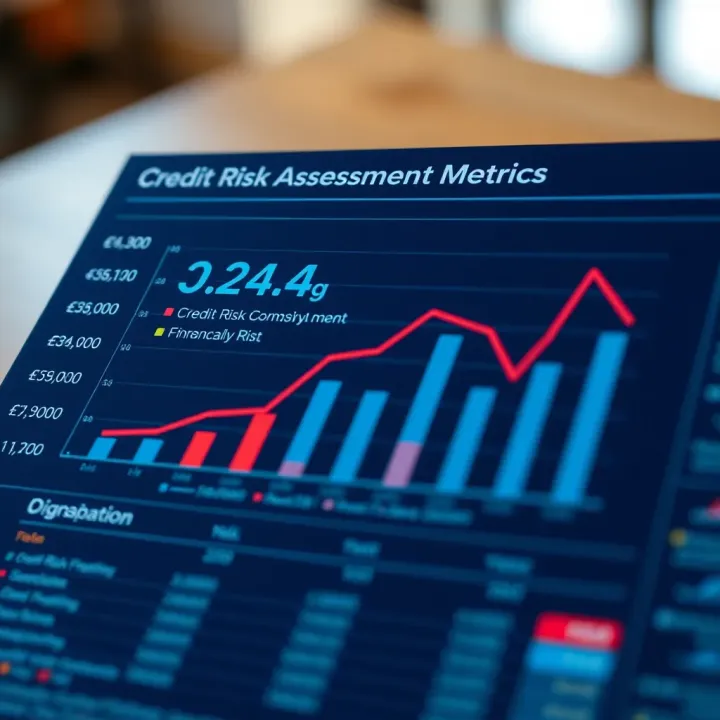
Explore effective credit risk management strategies, tools, and challenges for Kenyan businesses and financial institutions 📊💼. Stay compliant and secure.
Based on 11 reviews