
Understanding Risk Management in Kenya
📊 Learn how to identify, assess, and control risks that affect your business or personal finances in Kenya. Practical steps and tools to manage uncertainty effectively.
Edited By
Emily Carter
Risk management is essential for businesses in Kenya, where economic shifts, regulatory changes, and operational challenges often arise unexpectedly. A strong risk management plan helps traders, investors, analysts, brokers, and educators identify potential threats, gauge their impact, and put steps in place to reduce harm or capitalise on opportunities.
Unlike generic business plans, risk management plans focus specifically on uncertainties that could affect an organisation’s goals. These can range from currency fluctuations and delayed supplier deliveries to compliance failures with Kenya Revenue Authority (KRA) or Capital Markets Authority (CMA) rules.
A practical risk management plan begins with clear objectives and a thorough understanding of the internal and external business environment. For example, a small wholesale trader in Nakuru might face risks linked to matatu strikes disrupting supply chains or sudden M-Pesa system downtimes affecting payments. By recognising these, the trader can craft solutions—such as maintaining buffer stocks or accepting alternative payment methods like bank transfers.
A risk management plan isn’t just a document; it’s a living tool that helps you make informed decisions under uncertainty.
Key elements include risk identification, assessment, prioritisation, and mitigation strategies. Setting up a responsible team and defining communication channels ensure quick responses during crises.
For investors and brokers on the Nairobi Securities Exchange (NSE), understanding corporate risks like market volatility or regulatory shifts helps in portfolio decisions and advising clients properly. Educators training business students can use real-world Kenyan cases, such as disruptions in tea exports or compliance issues in the jua kali sector, to highlight practical risk handling.
Building an effective plan enables Kenyan businesses to stay resilient amid financial uncertainties, operational hiccups, and evolving compliance demands. This guide will unpack each step, offering useful tools that fit local contexts and help safeguard your ventures well into the future.
A risk management plan is vital for any business, especially in Kenya where market conditions and regulatory environments can change quickly. At its core, a risk management plan is a structured approach to identifying, evaluating, and handling potential uncertainties that could disrupt your business goals. It acts much like a map, helping you prepare before risks turn into costly problems.
A risk management plan outlines the processes a business uses to anticipate risks, evaluate their impact, and respond effectively to minimise harm. It is more than a checklist; it involves constant monitoring and improvement to stay relevant as your business environment changes. For instance, a Nairobi-based tea exporter might face currency fluctuations affecting profits; a good risk management plan will help anticipate such swings and set measures like forward contracts or price adjustments.
Kenyan enterprises, from SMEs in Mombasa to large firms on the NSE, encounter various challenges—from political shifts and economic cycles to supply chain interruptions aggravated by infrastructure issues. A risk management plan empowers businesses to spot threats early and react swiftly, thereby safeguarding revenue and customer trust. Consider a small garment manufacturer in Eldoret who faces erratic electricity supply; a risk plan could include investing in a generator or rearranging production schedules to reduce downtime.
Moreover, having a risk management plan aligns your business with regulatory requirements and investor expectations. Loans from financial institutions or grants from the government often require demonstration of risk awareness. In a sense, a solid plan can open doors to financing and partnerships by showing your business is serious about sustainability.
Kenyan businesses typically face several types of risks, each demanding tailored responses:
Financial risks: Exchange rate volatility, inflation, delayed payments from clients.
Operational risks: Supply chain disruptions, unreliable power, theft, or equipment failure.
Regulatory risks: Frequent changes in tax policies by Kenya Revenue Authority (KRA) or compliance with health and safety laws.
Environmental risks: Floods during long rains damaging stock or hindering transport.
Market risks: Competition from imports or shifting consumer preferences.
A bank in Kisumu once faced a surge in loan defaults following a region-wide drought affecting customers' incomes. The incident highlighted the need for early risk identification and diversified credit assessment strategies.
Understanding these risks helps businesses develop practical strategies to handle them, ensuring survival and steady growth amid uncertainties. Without a clear risk management plan, Kenyan businesses may find themselves reacting to crises rather than steering the course.
A good risk management plan is more than just paperwork; it’s a practical tool that helps businesses in Kenya steer clear of trouble and seize opportunities. It organises how risks are spotted, weighed, and handled, making the whole process manageable. Kenyan businesses, whether a bustling jua kali workshop in Kayole or a formal investor at the NSE, benefit when they clearly understand these key elements.
Risk identification lays the foundation of the plan. This step involves spotting threats from both inside and outside the business. For instance, a Nairobi-based SME might face supply chain delays due to rainy seasons disrupting matatu routes or a sudden policy change by the county government. Categorising risks—financial, operational, reputational, compliance—helps focus efforts where it matters most. Concrete examples include credit risk from customers failing to pay, or compliance risk when new CBK regulations roll out.
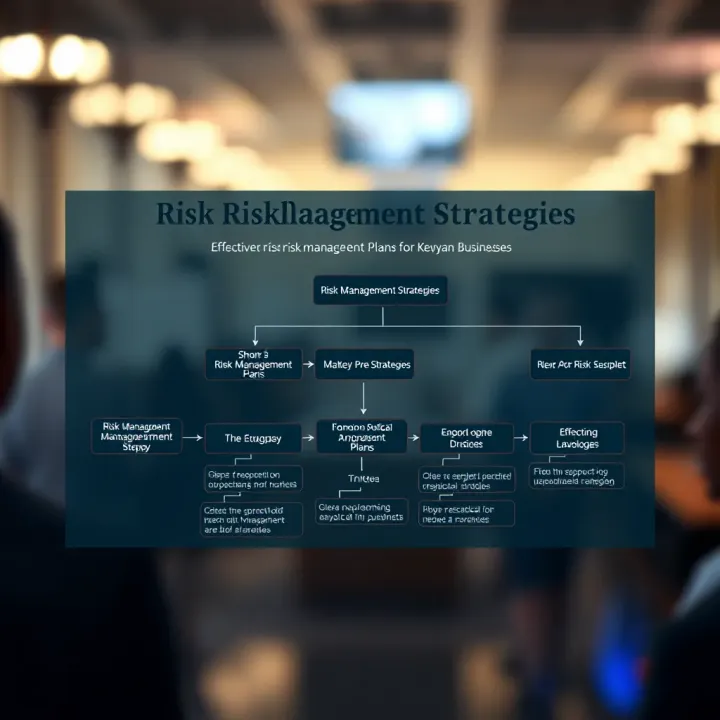
Once identified, risks must be analysed to assess their potential impact and how likely they are to happen. Simple tools like risk matrices are very useful here. For example, a local trader can evaluate the chance of currency fluctuations affecting import costs and rank this risk as high-impact but medium probability. Evaluating risks helps prioritise which ones need urgent attention and which can be monitored over time.
Mitigation means putting plans in place to reduce risks. This could involve diversifying suppliers for a Naivasha farm to avoid dependence on a single source vulnerable to weather disruptions, or instituting stricter cash handling procedures in a retail shop to cut theft risk. Strategies can vary from avoiding a risk altogether, reducing its impact, transferring it (like taking insurance cover), or accepting it with contingencies.
A risk plan succeeds only when people know their part and act on it. Assigning clear roles to staff or departments ensures risks don’t fall through the cracks. For example, the finance team might monitor liquidity risks, while operations focus on health and safety matters. Accountability motivates timely action and better communication across the business.
A well-structured risk management plan with these elements acts like a compass, guiding your business through uncertainties while keeping you prepared for challenges specific to the Kenyan business climate.
In summary, understanding and applying these key elements moves risk management from theory to practice, helping local enterprises stay resilient and flexible amid Kenya's dynamic markets.
Creating a solid risk management plan is vital for Kenyan businesses aiming to protect their operations and assets from unexpected challenges. This guide breaks down the process into clear steps, making it easier to cover all necessary aspects from start to finish. Following such a plan helps companies stay ahead of risks like supply disruptions, regulatory changes, or currency fluctuations, which can hit hard if left unchecked.
Setting the context and scope at the beginning ensures the plan targets the right areas. You need to understand the internal environment, such as the firm’s resources and capabilities, and the external factors like market conditions or county regulations. For example, a small coffee exporter in Kisii might focus on export risks and weather patterns, while a retailer in Nairobi could prioritise risks around supply chain delays and consumer trends. Defining the scope also means deciding which parts of the business the plan will cover, whether the entire company or specific departments.
Brainstorming gathers input from different staff members to spot possible risks. This group effort encourages open dialogue, allowing insights from varied roles — say, someone in procurement may highlight supplier risks, while someone from sales flags customer credit issues. Kenyan firms often hold these sessions before the long rains season to prepare for potential disruptions affecting delivery schedules.
This tool helps you see risks in relation to strengths, weaknesses, opportunities, and threats. For instance, a jua kali manufacturing business in Nakuru might find a strength in skilled fundi but a threat from cheap imports flooding the market. By linking internal strengths to external threats, SWOT helps focus efforts where the company can realistically manage or defend against risks.
Engaging stakeholders, such as suppliers, customers, or even county officials, adds practical perspectives. These consultations help verify identified risks and may uncover blind spots. For example, a Nairobi-based logistics company might learn from county officials about pending transport regulations that could affect routing or costs. Practical feedback from customers about payment challenges through M-Pesa or delays can also guide risk prioritisation.
After listing risks, assess their likelihood and impact. Use simple scoring or ranking suited to your business size. For example, a financial services firm in Mombasa might rate currency fluctuation as high impact and medium likelihood, prioritising hedging as a key strategy. This step means you don’t waste resources on minor risks while missing pressing threats.
Identify measures to reduce, avoid, or transfer risks, then assign responsibility clearly. For example, the finance team might handle insurance policies while the operations team ensures supply chain backups with alternative suppliers. Track progress regularly through updates or risk reviews and use tools like risk registers to monitor status. This keeps risk management dynamic rather than a one-time exercise.
An effective risk management plan is a living document. It must evolve as your business environment changes and new information comes in.
Following these steps helps Kenyan businesses build comprehensive plans tailored to their specific risks and practical realities, strengthening their chances of sustained success despite uncertainty.
Kenyan businesses face a mix of risks, from fluctuating market prices to regulatory changes and technology disruptions. Proper tools and techniques help firms keep track of these risks and respond wisely. They simplify complex information, improve communication, and enable faster decision-making. Adopting the right tools can save both time and money, especially for small and medium enterprises where resources are tight.
A risk register is like a scoreboard for risks. It lists identified risks, their likelihood, possible impact, and the control measures in place. Many Kenyan firms start with simple Excel templates tailored to their industry. For instance, a maize trader in Eldoret might rank price volatility as high risk while placing less concern on transport delays.
Off-the-shelf software like RiskWatch or even project management tools like Trello can be customised to track risks continually. Cloud-based options are especially handy for companies with multiple branches — a rising hazard in Nairobi can be visible instantly to the head office in Mombasa.
Using registers regularly keeps teams alert, helps assign responsibilities clearly, and documents mitigation efforts. This record becomes vital during audits or when seeking loans from banks like KCB or Equity.
Kenyan firms increasingly rely on data to anticipate potential risks. Analytics can identify patterns hidden in sales cycles, customer complaints, or supply delays. For example, a retailer in Kisumu might notice sales drop during election months, indicating political risk affecting spending.
By analysing M-Pesa transaction volumes or social media sentiment, businesses can foresee shifts in consumer behaviour or detect early warning signs of fraud. This proactive approach lets firms adjust stock levels, tighten credit controls, or enhance security measures ahead of time.
Basic tools like Microsoft Power BI or Google Data Studio are affordable and user-friendly for many SMEs. For larger firms, integrating data from ERP systems offers a deeper view into operational risks and financial exposure.
No tool can replace informed and watchful staff. Training employees to recognise and report risks builds a risk-conscious culture. This is particularly vital in Kenya’s jua kali sectors where daily hazards are common, and formal processes might be limited.
Workshops and e-learning modules on identifying fraud, health and safety, or cybersecurity boost frontline vigilance. For example, shop attendants trained to spot counterfeit money protect their businesses better.
Regular drills and risk talks also ensure response plans are understood, cutting response times when incidents occur. Firms partnering with local institutions like KEPSA or NACOSTI can access tailored training programmes at reasonable costs.
Keeping up with evolving risks requires the combination of practical tools, smart data use, and engaged people. Kenyan businesses that integrate these elements stand a better chance of surviving shocks and seizing opportunities.
That said, the right mix depends on each firm’s size, industry, and risk profile. Choosing simple, scalable tools alongside ongoing staff development paves the way for effective risk management in Kenya’s dynamic business environment.
Keeping risk management plans active and current is necessary for Kenyan businesses to handle uncertainties effectively. A plan left untouched can become outdated, leaving a company vulnerable as markets, regulations, and technology rapidly change. Frequent monitoring, reviewing, and updating ensure the plan stays relevant and practical.
Monitoring involves regularly tracking risk indicators and control measures to catch early signs of trouble. For example, a retailer in Nairobi might monitor supply chain delays or changes in customer demand patterns closely. Establishing key performance indicators (KPIs) related to risk factors—like frequency of stock-outs or customer complaints—helps spot issues quickly. Using tools like simple spreadsheets or more advanced software keeps information organised. Daily financial reports, staff feedback, and market news should also feed into monitoring activities. This ongoing vigilance allows businesses to act before small risks escalate.
Risks rarely stay the same; they evolve with internal shifts and external pressures. A small manufacturer in Kisumu might suddenly face new challenges from currency depreciation or power outages. When new risks emerge or existing ones change, businesses must reassess their impact and update strategies accordingly. This might mean renegotiating supplier contracts, adjusting prices, or investing in backup power solutions. Speed is key here—delays in response can translate into losses. Regular risk review meetings ensure updated information informs decision-making, so plans remain agile rather than fixed documents.
Transparency is vital for trust and compliance. Kenyan businesses need to communicate risk management progress and challenges to investors, board members, and relevant regulators such as the Capital Markets Authority (CMA) or Kenya Revenue Authority (KRA). Reports should be accurate, concise, and timely, highlighting critical risks and mitigation steps taken. Well-documented risk reports help secure funding, comply with laws, and demonstrate accountability. For instance, a Nairobi-based investment firm might share quarterly risk summaries during board meetings. This openness encourages informed support and provides a checkpoint to refine strategies further.
Regularly checking, revising, and reporting on risks turns risk management from a one-time task into a continuous cycle that strengthens business resilience.
By embedding these practices into daily operations, Kenyan firms can protect themselves from shocks and maintain steady growth in a shifting environment.
📊 Learn how to identify, assess, and control risks that affect your business or personal finances in Kenya. Practical steps and tools to manage uncertainty effectively.
Explore effective credit risk management strategies, tools, and challenges for Kenyan businesses and financial institutions 📊💼. Stay compliant and secure.

🌧️Natural disasters like floods & droughts deeply affect risk management in Kenya. Learn how communities build resilience, improve insurance, and plan recovery.⚡

Explore how Kenyan government policies and actions shape risk management🔍. From disaster preparedness to public awareness, see how communities are safeguarded and economic stability backed.
Based on 6 reviews