

Forex Trading in Kenya: A Practical Guide
📈 Learn how forex trading works in Kenya, explore local regulations, trading strategies, risks, and steps to start earning through M-Pesa and online platforms.
Edited By
Chloe Walters
Forex trading has increasingly gained attention in Kenya as more people seek alternative income streams beyond traditional jobs. For those new to this, enrolling in a good forex trading course can provide the foundation needed to trade confidently and wisely.
Trading forex involves buying and selling currencies to profit from their shifting values. However, it’s not a game of chance; it requires knowledge of market behaviour, analysis techniques, and risk management. This is where forex trading courses come in. They equip aspiring traders with practical skills and understanding to navigate the often-volatile currency markets.

In Kenya, you will find various types of forex trading courses. Some run in-person workshops while others offer online modules. Class formats vary from brief introductory sessions to in-depth programmes lasting several weeks. Many courses tailor content to Kenyan market conditions and payment methods, such as using M-Pesa for fees.
When choosing a course, consider several factors:
Credibility of the provider: Look for courses offered by recognised trainers or institutions with proven track records.
Course content: A good course should cover technical analysis, fundamental analysis, trading psychology, and practical trading strategies.
Learning format: Decide whether you prefer self-paced online learning or interactive classroom sessions.
Cost and value: Compare fees against the depth of information and support offered.
For instance, some Kenyan forex education centres integrate live trading sessions, allowing learners to see real-time decision-making and use demo accounts effectively.
Starting with a solid forex trading course can prevent costly mistakes and sharpen your trading edge, especially in Kenya’s growing, yet competitive financial markets.
Clear understanding and hands-on practice from these courses can build your confidence and skills, enabling you to participate in forex trading with more control and less guesswork. Taking time to pick the right course suited to your goals and schedule is a practical first step towards becoming a successful trader.
Grasping the purpose and benefits of forex trading courses is key before investing time and money into learning. These courses help traders, whether beginners or experienced, to gain a thorough understanding of how the forex market operates and how to navigate its complexities. In Kenya, where many jump straight into trading relying on hearsay or fragmented information from social media, structured courses offer a solid foundation and practical skills to improve trading success.
Forex trading involves concepts like currency pairs, leverage, pips, and market hours that are not immediately intuitive. A well-structured course lays down these basics clearly, helping learners avoid costly mistakes. For instance, knowing that the US dollar and Kenyan shilling pair (USD/KES) reacts differently from USD/EUR during certain economic events can make a big difference in choosing when and what to trade. Without foundational knowledge, it’s easy to confuse terms or miss crucial signals, leading to losses.
The forex market can be volatile, and traders who lack formal training often fall prey to common pitfalls like overtrading or ignoring stop-loss orders. Courses teach risk management techniques – like setting stop losses or calculating position sizes based on your account balance – that protect your capital. A Kenyan trader, for example, may be tempted to use high leverage thinking it will multiply gains, but without risk principles, they could wipe out their entire account quickly. Learning these skills reduces unnecessary losses and preserves funds for longer-term growth.
Trading is partly about analysing economic reports, charts, and global news — all of which can seem overwhelming. Forex courses train you to interpret these signals systematically rather than guessing or relying on tips. They teach when to enter or exit trades based on clear criteria. For instance, after learning to read candlestick patterns and economic calendars, a trader can make informed decisions rather than reacting on impulse. This discipline often translates into steadier profits over time.
Forex trading courses provide a clear roadmap from basics to advanced topics. Without this, self-study can be haphazard, with learners jumping between topics or missing critical areas. A Kenyan trader might learn technical analysis but neglect risk management if studying alone. Structured courses organise content logically, ensuring you build one skill at a time and avoid knowledge gaps.
Good courses offer mentorship from experienced traders who’ve been through the ups and downs. This direct access to mentors is invaluable for Kenya’s active trading community, as you can ask specific questions about local market conditions or broker choice. Mentors often share practical tips unseen in books, like dealing with Safaricom's frequent network drops during trading hours, or choosing the right broker that supports M-Pesa deposits.
Joining a course often means joining a community of learners. This peer network gives motivation and shared learning, which you miss when studying alone. Kenyan forex groups can provide insights into current market trends, alert you to scam broker alerts circulating locally, or simply offer encouragement during tough trading phases. Discussing strategies and mistakes openly is key to improving quicker than learning quietly by yourself.
A good forex course does more than just teach theory; it builds your confidence and equips you with tools and connections that matter in the Kenyan trading space.
In short, forex trading courses prepare you beyond just knowing the terms. They provide practical tools, risk controls, and communal support—elements that self-study usually lacks. For Kenyan traders, with unique market access and local challenges, structured learning is the smart starting point for consistent trading success.
Kenyan traders have several options when it comes to choosing forex trading courses, each suited to different learning styles and schedules. Understanding the types available helps traders pick a course that best fits their lifestyle, budget, and learning goals. This section breaks down key differences in delivery modes and course pricing, highlighting what to expect from each.
Online forex trading courses have gained popularity among Kenyans due to their flexibility. With the busy hustle of Nairobi and other cities, being able to study at your own pace — perhaps late at night after work or during weekends — is a huge advantage. Online platforms often provide recorded lectures, live webinars, and interactive quizzes, which you can access anywhere with an internet connection. This avoids costly and time-consuming commutes, especially for those living outside major towns.
For example, platforms like Udemy or the Investopedia Academy enable access to global forex expertise without leaving your home in Kisumu or Eldoret. Plus, you can revisit difficult topics as many times as needed until you grasp them well.
In-person forex courses offer direct interaction with trainers and peers, which can be very helpful for beginners. Being in a classroom allows immediate feedback, live demonstrations of trading platforms, and group activities to practise technical analysis or chart reading. Some providers in Nairobi or Mombasa run workshops where you get to simulate trades with market data in real-time, which builds confidence before entering the live market.
This setting suits those who prefer a structured timetable and value face-to-face mentorship that can guide their trading psychology, such as managing emotions under pressure—a common barrier for many Kenyan traders starting out.

Some training centres offer a hybrid approach, combining online lessons with scheduled workshops or live Q&A sessions. This model aims to bring the best of both worlds: study conveniently online but also benefit from personal support when needed. For instance, a Nairobi-based academy might deliver foundational modules online but hold monthly classroom meet-ups for practical exercises.
This flexibility allows traders in smaller towns or with tight schedules to access quality instruction while still engaging in direct discussions and collaborative learning.
Free forex courses are widely available online and can be a good starting point. They usually cover basics like currency pairs, simple trading terms, and the conceptual side of trading. However, they often lack detailed strategies, personalised feedback, or updated market analysis.
Paid courses tend to offer more comprehensive content, including advanced technical analysis, live trading sessions, and continuous updates matching current forex trends. For example, a paid course from a reputable provider might delve into Kenya-specific market nuances or regional economic factors affecting forex pairs involving the Kenyan shilling (KSh).
Paid courses usually provide certificates of completion, which can boost a trader's credibility, especially if the provider is recognised locally or internationally. While not mandatory for trading, certificates demonstrate commitment and can be useful for those who plan to work with brokers or financial institutions.
Free courses typically do not offer formal accreditation, making them less appealing if credentialing is important for your forex journey.
Paid courses often include extras like private community access, mentorship programmes, downloadable study materials, and ongoing support even after course completion. These resources are valuable for staying updated with market changes and refining skills over time.
In contrast, free courses rarely provide such support, meaning learners must find their own way after the course ends. This can make the learning curve steeper for many traders, especially in Kenya’s volatile forex environment.
Choosing between types of forex courses depends on your personal situation: consider your schedule, budget, and how deep you want to go into trading. Taking time to select the right course can save money and accelerate your learning curve.
When you sign up for a forex trading course, the core topics define the skills and knowledge you’ll gain. They serve as a foundation on which you build your trading career. Without grasping these basics well, you risk making costly mistakes in live trading, especially in Kenya’s dynamic forex market.
Understanding currency pairs is vital. Forex trading involves buying one currency and selling another simultaneously. For example, the USD/KES pair shows how many Kenyan shillings one US dollar can buy. Knowing how these pairs work helps you read market prices and understand which currencies are moving and why. A Kenyan trader who studies USD/KES trends can spot when the shilling is weakening and decide when to enter or exit trades thoughtfully.
Forex market hours and liquidity are equally important. The forex market runs 24 hours but is divided into sessions—London, New York, Tokyo, and Sydney. Kenyan traders might find the London and New York sessions most active and liquid, meaning more buyers and sellers, and tighter spreads. Trading during high liquidity hours means you're less likely to face price slippage or wide bid-ask spreads, which can otherwise erode your profits.
Basic trading terms: pips, lots, leverage set the stage for measuring profits and risks. A pip is a tiny price movement, often 0.0001, which determines your gain or loss. A lot is the size of your trade; standard lots typically equal 100,000 units of currency, but mini and micro lots allow smaller trades suitable for those with less capital. Leverage lets you control larger positions with a small amount of money, but Kenyan traders must be careful, as too much leverage can wipe out accounts quickly. For example, using a 1:100 leverage means a KSh 10,000 margin controls KSh 1 million worth of currency.
Chart reading and indicator use teach you how to spot patterns and trends from price charts. Kenyan traders can use tools like Moving Averages or Relative Strength Index (RSI) to find entry and exit points. For instance, a sudden crossover of moving averages might signal a good time to buy the EUR/KES pair after analysing recent price action.
Economic indicators and their impact reveal why markets move. Indicators like GDP growth, inflation reports, and central bank rate decisions heavily influence currencies. When the Central Bank of Kenya changes its interest rates, the immediate impact on KES can be significant. Understanding this helps you anticipate market moves beyond just charts.
Combining analyses for informed trades strengthens your decision-making. While charts show what markets are doing, fundamentals explain why. A trader who combines technical signals with solid economic news can avoid false moves. Say technicals show KES weakening, but upcoming positive government policy news could strengthen it; you'd weigh these before trading.
Setting stop loss and take profit levels protects your capital. A stop loss automatically exits a trade at a set loss to prevent deep cuts, while a take profit locks in gains once prices reach your target. For Kenyan traders, setting these levels keeps emotions at bay and avoids chasing losses or greed-driven decisions.
Calculating position size helps manage exposure. You don’t want to risk too much on one trade. Calculating position size based on your total capital and a set risk percentage—say 1-2%—means you can survive losing streaks and still trade another day.
Emotional discipline often separates successful traders from losers. The forex market can be volatile, and fear or greed leads to rash decisions. Courses emphasise self-control techniques like keeping trading journals or sticking strictly to your plan, which helps Kenyan traders maintain consistency despite market ups and downs.
Mastering these core topics ensures you’re not just guessing but trading with a clear, informed approach suited for Kenya’s forex scene. They prepare you for real challenges, helping you trade smarter and with confidence.
Choosing the right forex trading course is key to your success as a trader. With so many courses available, each tailored to different levels and goals, selecting one that fits your specific needs will save time, money, and frustration. In Kenya, where access to quality training varies widely, identifying the ideal course helps you build relevant skills without wasting resources.
When picking a forex course, focus on the trainer’s background and the course provider’s reputation. Look for trainers who have real trading experience rather than just theoretical knowledge. For instance, a course led by a trader who has navigated actual market swings offers practical insights that textbooks cannot match. Providers with a clear track record of successful alumni or years of operation tend to offer more reliable and up-to-date content.
Avoid programmes that promise overnight riches or show unclear credentials. Instead, check if the trainer holds any recognised certifications or memberships from financial bodies, such as the Capital Markets Authority (CMA) in Kenya or international forex education standards.
Next, examine feedback from past learners. Genuine reviews—whether on social media, forums, or e-learning platforms—reveal how well the course delivers on its promises. Look for detailed testimonials explaining what learners gained, challenges faced, and if support was readily available. If multiple feedback points mention outdated materials or poor communication, it’s a red flag.
Negative reviews can be helpful too, especially if providers respond constructively. Remember, no course is perfect, but transparency matters. Peer opinions give you a sense of what to expect beyond the marketing hype.
Forex courses come in different levels to match your trading background. Beginners need basics such as understanding currency pairs, market hours, and order types. Intermediate courses focus on technical and fundamental analysis, while advanced courses dive into complex strategies and psychological discipline.
Choosing a course above your current level could be confusing, while one below may bore you or miss essential concepts. For example, a beginner enrolling directly into a course on automated trading strategies might struggle without core knowledge.
If you already know the basics, you might want to specialise in certain trading styles. Scalping, for instance, requires quick decisions and understanding of short-term price movements, while swing trading focuses on holding positions for days or weeks.
Courses specialising in these areas teach specific tactics, risk controls, and tools tailored for those strategies. If your trading goal is to profit from short bursts in volatile sessions like the London or New York market hours, a scalping-focused course would be more suitable.
Forex trading courses vary widely in price, from free online tutorials to paid programmes costing tens of thousands of Kenyan shillings. Affordability matters, but don’t automatically equate cheap with poor quality or expensive with the best.
Consider your budget and the value the course offers—does it include live sessions, downloadable materials, or software access? Also, some paid courses provide payment plans or discounts, easing the cost burden, making them accessible to many Kenyan traders.
Look at how long the course runs and the hours per week you need to dedicate. Some courses span a few weeks with intensive daily lessons, while others offer self-paced learning over months.
If you have a full-time job or business, a flexible schedule is essential. For example, an online course with recorded videos lets you learn after work or on weekends. On the other hand, a packed weekend bootcamp might suit those who want to fast-track their training.
Post-course support is a crucial yet often overlooked factor. Does the provider offer mentorship, Q&A sessions, or an alumni community? Having guidance after formal lessons helps you resolve real-time trading challenges and stay motivated.
For example, a course that grants access to a Telegram group where you can discuss strategies with mentors and peers adds ongoing value. This support can be especially helpful as you transition from simulated to live trading.
Choosing the right forex trading course means matching it to your experience, goals, budget, and time. Vet providers carefully and prefer those who stay with you beyond the classroom.
Selecting a course thoughtfully sets you on a smoother path to profitable trading in the Kenyan forex market.
Taking a forex trading course is only the start. The real value comes when you put what you have learnt into practice. It makes the difference between knowing theory and becoming a trader who can confidently navigate the forex market. Practising helps you build skills, test strategies, and manage risks before risking your own money.
Most reputable brokers offer demo accounts that let you trade with virtual money. This is a practical tool for Kenyan traders to experience live market conditions without facing actual losses. For example, brokers like XM and HotForex provide demo platforms where you can practise opening, modifying, and closing trades just like in a real account.
Using a demo account helps you understand how orders work, what spreads feel like during busy market hours in Nairobi or London, and how quick market movements can affect your positions. It’s a safe space to make mistakes and learn without penalty.
Simulating real market conditions is key to closing the gap between learning and actual trading. Demo accounts replicate price fluctuations, economic news impacts, and even latency issues you face in live trading. This realistic environment allows you to adjust to fast decision-making and test how different strategies perform when markets are volatile, say during Kenya’s election season or major economic releases.
Setting realistic goals grounds your trading efforts. Instead of dreaming of doubling your money overnight, aim for steady gains such as 2–5% monthly returns. This approach helps you manage expectations and avoid reckless trading, especially when transitioning from demo to live accounts.
Deciding on your risk tolerance means understanding how much you’re willing to lose per trade or day without it affecting your peace of mind. Kenyan traders should consider their financial responsibilities and only risk disposable income; commonly, risking 1–2% of your trading capital per trade is advised. This keeps you in the game longer and reduces emotional stress.
Choosing trading strategies is about matching your style and the market’s rhythm. For instance, swing trading fits people who cannot watch charts throughout the day, while scalping works better if you can dedicate focused attention during active market hours. Your course should have introduced these; now, selecting one or combining methods makes your plan clear and actionable.
Funding your live account securely is a cautious step. Use trusted payment methods like M-Pesa or bank transfers that most Kenyan brokers accept. Verify the platform’s security and withdrawal process before depositing real money. Start with a small amount, such as KSh 10,000, to avoid heavy losses early on.
Adapting to emotional challenges is critical when real money is on the line. Unlike in demo, feelings of fear or greed can cause rash decisions. Kenyan traders often mention the sudden pressure of “losing actual money” leading to overtrading or closing positions prematurely. Building discipline gradually by sticking to your plan helps overcome these psychological hurdles.
Monitoring and evaluating performance means keeping a trading journal or using apps provided by brokers to track your trades, wins, and losses. Reviewing your trades weekly helps you spot mistakes or patterns, like entering trades too late or cutting profits short. That feedback loop improves your skills and confidence over time.
Practice is the bridge between theory and profitable forex trading. Without active, deliberate learning in live or simulated markets, even the best course knowledge will remain unused.
By combining course learnings with practical application through demo accounts, personal plans, and cautious live trading, Kenyan traders can steadily build expertise and better control their forex trading journey.
📈 Learn how forex trading works in Kenya, explore local regulations, trading strategies, risks, and steps to start earning through M-Pesa and online platforms.
📈 Start your forex trading journey in Kenya with confidence! Learn picking brokers, trading strategies, risk management & practical local tips plus PDF resources.
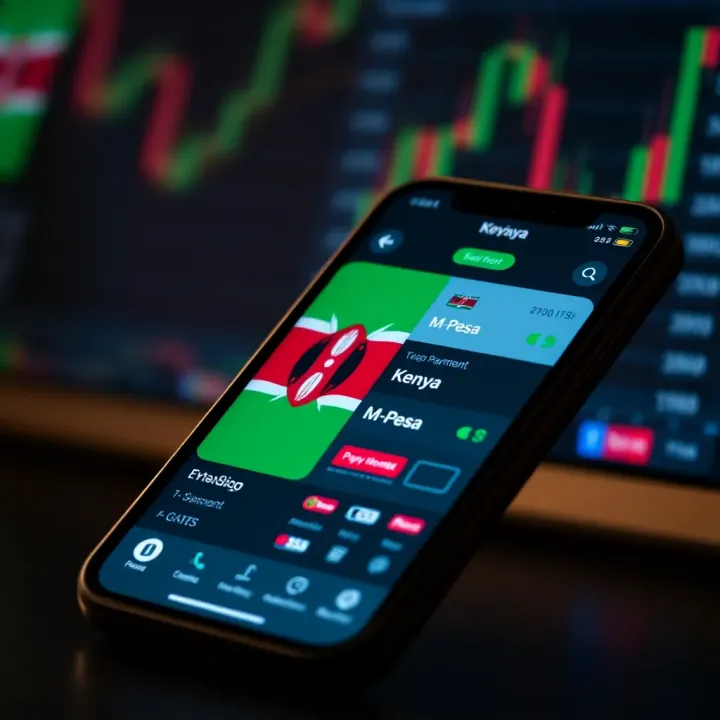
📈 Learn how to trade forex online in Kenya with tips on regulation, local payment methods like M-Pesa, and managing risks. Start your trading journey today!
📈 Learn how forex trading signals guide Kenyan traders to buy or sell currency pairs wisely. Discover types, risks, and tips to pick reliable signal providers.
Based on 15 reviews