
Forex Trading Basics for Beginners in Kenya
Explore forex trading basics tailored for Kenyan beginners 🇰🇪. Learn how the market works, key strategies, tools, and risks to trade confidently 💹.
Edited By
Charlotte Davies
Robot forex trading uses computer programmes that automatically carry out trades on the foreign exchange market without needing constant human supervision. These programmes follow set strategies to buy or sell currency pairs based on data patterns, technical indicators, or price movements. This takes the emotion and guesswork out of trading, making it more systematic and quicker.
In Kenya, where forex trading has gained popularity thanks to easy access through platforms linked to M-Pesa and mobile internet, understanding how these robot systems work is key. Traders use robots to execute trades faster than manual methods, especially since the forex market operates 24 hours a day across different time zones – from Nairobi to Tokyo and New York.
A typical robot, known as an Expert Advisor (EA) in MetaTrader platforms, scans the market continuously and places trades when certain conditions are met. For example, a robot can be set to open a buy position when the 50-day moving average crosses above the 200-day moving average, aiming to catch an uptrend early.
Automated trading systems can react instantly to market changes, making them handy tools to manage multiple currency pairs simultaneously, which is difficult when trading by hand.
Strategy: Traders must define clear rules the robot follows, whether trend-following, scalping, or range trading.
Backtesting: Testing the robot on historical data to evaluate how it would have performed in past market conditions.
Execution speed: Robots can trigger trades faster than humans, securing better entry or exit points.
Risk management: Built-in controls like stop-loss and take-profit levels to protect the trader's capital.
However, while robots offer consistency and speed, they don’t guarantee profits. Unexpected market shocks or news events can cause sudden currency swings that robots may not handle well. Plus, poorly programmed bots can lead to losses.
Knowing these facts helps Kenyan traders pick reliable trading robots and use them wisely alongside their market knowledge. This article will guide you through how these systems operate and practical tips to get the best from robot forex trading locally.
Understanding how robot forex trading operates is fundamental for anyone interested in automated trading systems. These robots, or automated programmes, work by executing trades based on pre-set criteria without requiring constant attention. Knowing how they function helps you make informed decisions, whether you're considering full automation or blending robots with manual trading.
A forex trading robot is essentially software that analyses the currency market and executes trades automatically. It follows specific algorithms—step-by-step instructions coded by programmers. For instance, a robot might be programmed to buy euros against the US dollar when certain conditions, like an uptrend in price or specific economic news, are met. This automation saves the trader from sitting in front of the screen all day, especially useful given that forex markets operate 24 hours.
These algorithms act much like a recipe, specifying when and how to trade. The robot watches the market continuously and responds instantly when signals match its rules. For example, if the code instructs to sell if the moving average crosses below a certain threshold, the robot makes the trade immediately without delay. This speed is crucial, as forex prices can change within seconds.
Technical indicators form the backbone of these algorithms. Indicators such as Moving Averages, Relative Strength Index (RSI), and Bollinger Bands provide data points that help the robot recognise patterns and predict trends. For example, the RSI can signal overbought or oversold conditions, prompting the robot to enter or exit trades accordingly. Knowing which indicators a robot uses can give you insight into its strategy and suitability for current market conditions.
Fully automated systems are the most hands-off option. Once you set them up, they monitor the market, analyse data, and execute trades independently. For example, a trader in Nairobi could start a fully automated robot on a VPS (Virtual Private Server) to avoid interruptions due to power outages or unstable internet connections. However, these systems need careful monitoring since market volatility can lead to unexpected losses.
Semi-automated or signal-based robots don’t place trades without your approval. Instead, they send trade signals based on their analysis, leaving the final decision to you. This is ideal if you want some automation but still prefer to evaluate market sentiment or news events before entering a trade. For example, you might receive alerts on your mobile phone, review the trade suggestion, and then manually execute it through your broker’s platform.
Customisable robots allow traders to adjust strategies, risk levels, or indicators based on personal preferences or market changes. This flexibility is useful when the market conditions shift, such as during Kenya’s rainy season, which can affect economic indicators and consequently forex volatility. In contrast, fixed strategy robots operate on a rigid set of rules and don’t allow much tweaking, making them simpler but less adaptable.
Choosing the right type of robot depends on your trading style, risk tolerance, and how much you want to be involved in daily decisions.
Understanding these operational aspects equips you with the knowledge to use forex robots effectively and avoid common pitfalls.
Forex trading robots offer a notable edge by enhancing efficiency and helping traders manage the fast-moving forex market better. The automation reduces manual workload and enables decisions based on real data without the delays or fatigue human traders often face. For traders in Kenya and beyond, understanding these benefits is key to deciding whether to integrate such systems.

One main advantage of forex robots is their ability to operate round the clock, without needing rest or breaks. Unlike human traders who must sleep, eat, or attend to daily life, these systems can scan multiple currency pairs continuously, spotting opportunities even at odd hours when the Kenyan market might be quiet. For example, a robot can catch sudden moves during the Asian or European trading sessions while the trader sleeps in Nairobi. This means no potential trades are missed just because it's outside regular hours.
Forex robots also process huge volumes of market data instantly, far beyond what a person can handle manually. They apply complex algorithms and technical indicators to spot entry and exit points for trades in a fraction of a second. This rapid processing matters especially during volatile moments when quick decisions are crucial. For instance, during major news releases like CBK interest rate announcements, a robot can calculate moving averages, RSI, and Bollinger Bands simultaneously to react faster than most humans.
One big challenge for any trader is managing emotional impulses—fear, greed, or hope can cloud judgement. Robots don’t have emotions, so they stick strictly to their programmed strategy. This helps prevent actions like panic selling after a sudden price drop or chasing losses with bigger stakes. Kenyan traders often find this useful since market jitters after unpredictable events, like political announcements or global shocks, tempt many to make hasty trades.
Forex robots enforce trading discipline by following the set rules consistently, without deviation. This is crucial for keeping long-term trading plans on track. Consider a trader who wants to limit risk to 2% per trade but often overrides this during stressful times. A robot won't bypass those limits or change stops on a whim, preserving capital and keeping the strategy intact. This steady adherence helps Kenyan traders avoid the common pitfall of abandoning tested strategies during volatile sessions.
Using forex trading robots can save you time, reduce stress, and help maintain a focused approach to trading — all vital in navigating the unpredictable forex terrain.
Ultimately, while robots simplify many technical tasks and remove emotional bias, traders should still review performance regularly and combine automation with their market knowledge for best results.
Automated forex trading systems offer convenience and efficiency but carry risks that traders must understand. Being aware of these challenges helps avoid significant losses and ensures better decision-making. This section highlights two main concerns: technical issues and fraudulent practices that often surface in robot trading.
Impact of software bugs or glitches: Automated trading relies heavily on software accuracy. Even a minor bug or glitch can cause the system to misinterpret data or execute wrong trades. For example, a wrongly coded stop-loss order might not trigger, exposing the trader to huge losses. In Kenya's fast-paced forex market, where currencies like the KSh and USD can fluctuate sharply, such errors can drastically affect profits or capital.
These technical failures often happen unnoticed until after losses occur. That’s why constant monitoring of robot behaviour alongside manual checks is crucial. Ignoring this could lead to erratic trading patterns that deviate from the intended trading strategy.
Handling sudden market changes: Forex markets can shift rapidly due to political events, economic reports, or unexpected news. Automated systems typically follow pre-set rules and may struggle to adapt quickly to such volatility. For instance, during a surprise Central Bank of Kenya rate announcement or an election outcome, the market might react unpredictably.
Robots may keep trading based on outdated signals, resulting in losses. Having safeguards like volatility filters or pausing robot activity during known risky periods is essential. Human oversight ensures that strategies remain relevant amid these sudden shifts.
Identifying fraudulent providers: The popularity of forex robots has attracted unscrupulous sellers promising guaranteed profits. Many of these providers use fake testimonials or manipulate backtest results to lure unsuspecting traders. In Kenya, where access to trustworthy trading education can be uneven, falling victim to such scams is a real risk.
Verifying credentials, checking for transparent performance reports, and seeking reviews from trusted forex communities or forums can help spot fake claims. Genuine robot vendors usually provide verifiable trading records and allow trial runs.
Common red flags in robot marketing:
Promises of consistently high returns with no risk
Pressure tactics to buy quickly or join limited offers
Lack of clear explanations on strategy or risk management
Absence of user support or contact details
These warning signs often indicate a robot designed mainly to collect funds rather than deliver results. Traders should stay cautious and demand evidence before investing their capital.
Caution and due diligence are essential when adopting automated forex trading. Understanding technical pitfalls and recognising dubious sales tactics arms you to trade smarter and safer.
By recognising these risks associated with robot forex trading, you can better prepare and protect your investments from technical failures and deceptive offers.
Selecting and using forex robots carefully can make the difference between steady gains and avoidable losses. Not all robots perform equally, and many require a good understanding to fit your trading style and market conditions. Taking time to evaluate their performance and deploying them cautiously helps protect your capital while benefiting from automation.
Backtesting involves running a forex robot on historical market data to see how it would have performed. It gives a snapshot of its potential based on past price movements, but it’s no guarantee of future success. Markets change, and strategies that worked well before may struggle when conditions shift. Thus, backtesting should be seen as an initial filter rather than a final verdict.
Live trading, on the other hand, reveals how the robot performs in real-time conditions with actual order execution, slippage, and spread variations. Differences between backtesting and live results often arise because backtests do not capture every market nuance. Kenyan traders should look for robots with a strong track record in live trading, preferably with verified third-party results, to reduce risks of surprises.
User reviews and expert opinions can provide insights beyond raw numbers. Feedback from fellow traders often highlights practical aspects like ease of use, reliability, or hidden costs. Experts, on the other hand, may analyse code quality or adaptability to volatile markets. However, beware of overly positive or negative reviews as some may be biased or paid.
It’s wise to cross-reference sources and focus on detailed, honest reviews that match your trading goals. Joining Kenyan forex trading forums or WhatsApp groups can help you gather grounded, local perspectives on different robots.
Testing a forex robot on a demo account before committing real money is essential. Demo trading simulates the market without risking your capital, allowing you to observe how the robot handles live-like conditions and volatility. For example, you can test how it reacts during market news releases or the Nairobi Securities Exchange (NSE) trading hours.
Since demos don’t involve actual order fills, results may differ slightly, but they still offer valuable experience. Kenyan brokers like EGM Securities or FXPesa often provide demo accounts where you can safely explore robot options.
While robots automate trade execution, they are not set-and-forget tools. Periodic monitoring ensures the system runs as expected and allows quick reaction to sudden market changes or technical issues. Traders benefit from blending automated signals with personal judgement—such as pausing the robot when major economic reports like CBK monetary policy statements happen.
Manual oversight also helps in tweaking input parameters or switching strategies based on evolving market trends. This hybrid approach maximises the robot’s strengths while minimising risks.
Proper capital management remains critical even when using robots. Always allocate only a small portion of your total trading funds to automated systems, especially in initial phases. For instance, starting with KS0,000 or less can limit losses while you gain confidence.
Expecting consistent high profits overnight is unrealistic; losses will happen too. The aim is steady growth over time. Understanding that forex robots perform best under certain market conditions prevents disappointment and rash decisions. Kenyan traders should set achievable targets aligned with their risk tolerance and financial goals.
Wise selection and careful usage of forex robots protect your investments while making the most of automation’s speed and precision.
Explore forex trading basics tailored for Kenyan beginners 🇰🇪. Learn how the market works, key strategies, tools, and risks to trade confidently 💹.
Learn how Kenyan investors can navigate forex trading confidently 💹. Understand the market, tools, risks, and smart strategies for success in FX trading.
📈 New to forex? This practical guide breaks down key concepts, tools, and strategies to help Kenya beginners trade confidently and make smart choices. 💡
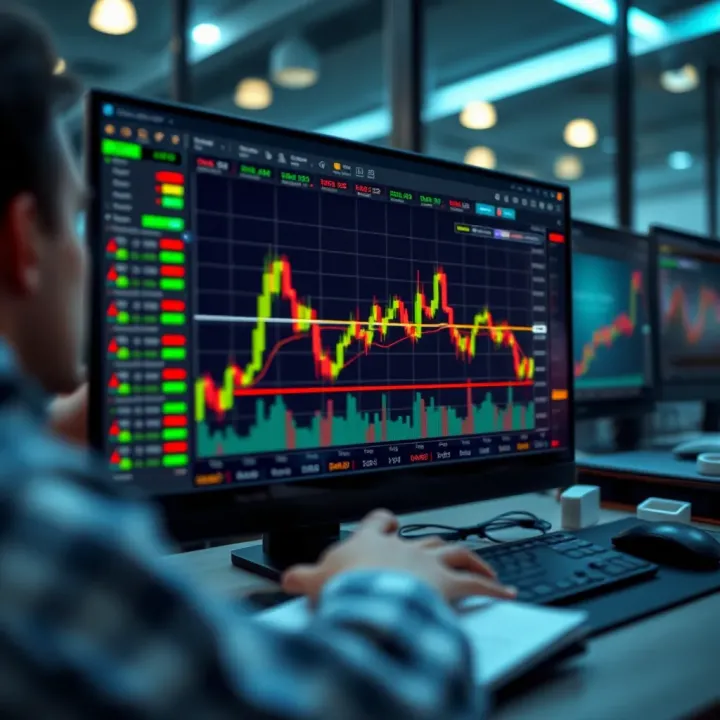
📈 Explore how forex trading bots work and learn to pick reliable ones ⚙️ Manage risks and boost your trading strategy in Kenya and beyond 💹
Based on 6 reviews