

Understanding Forex Trading for Kenyan Traders
Learn how Kenyan traders can confidently enter online forex trading 🔍. Explore key concepts, safe platforms, risk tips, KRA and payment methods including M-Pesa.
Edited By
Amelia Parker
Forex trading has grown tremendously in Kenya, with many keen on tapping the opportunities this market offers. Yet, the complexities of forex can make it hard for traders to get a solid grip on the basics and strategies. This is where forex trading PDFs become handy resources. They offer clear, structured information that helps you understand the markets, risk management, and trading techniques.
Many Kenyans prefer PDFs because they are easy to download, read offline, and revisit whenever needed. Whether you are a beginner trying to learn what forex is all about or an experienced trader hunting for new strategies, the right PDFs can sharpen your skills without needing expensive courses or seminars.

Forex trading PDFs provide accessible knowledge that fits into busy lifestyles and budget constraints common among Kenyan traders.
Comprehensive Learning: PDFs often cover a wide range of topics—from fundamental concepts like currency pairs and pips to advanced trading strategies and technical analysis.
Affordable and Convenient: Many are free or low cost, perfect for traders who prefer self-study over costly training.
Structured Content: They present information in an organised manner, making it easier to follow and understand complex ideas.
Updated content reflecting recent market trends and regulations.
Clear explanations with examples relevant to forex trading conditions.
Sections on risk management tailored for the Kenyan environment, including factors like currency fluctuations and the cost of leverage.
Practical tips on using local trading platforms and payment methods such as M-Pesa for deposits and withdrawals.
You can use these PDFs to prepare before entering trades, plan your strategy, or refine your approach based on market signals. For example, a PDF covering candlestick patterns can help you read charts better and make informed decisions.
In Kenya's trading community, sharing and recommending quality PDFs has become common, helping others avoid misinformation and scams that circulate online.
Overall, forex trading PDFs are valuable tools to equip you with practical skills, reliable strategies, and a deep understanding of forex risks. They complement hands-on experience and build confidence to trade smarter and protect your investments.
PDFs remain a popular choice for many Kenyan forex traders because they offer practical benefits that suit our learning habits and available resources. Unlike online courses or live sessions that may require consistent internet, PDFs allow for downloading and offline study, which is essential for traders in regions with patchy internet connection.
The structured nature of PDFs makes learning smoother. They typically organise information clearly, guiding readers step-by-step from basics to more advanced concepts. This format helps traders who want to revisit specific topics, such as understanding currency pairs or mastering risk management, without wading through irrelevant material.
One major advantage of forex trading PDFs is easy access. Once downloaded, these documents don’t require internet, so you can study anytime—even on a matatu ride or during power outages. For example, a trader in Kisumu might download a PDF during free Wi-Fi hours at a café and then study it later on their mobile phone or tablet without worrying about data costs or connectivity.
Additionally, offline availability means traders can avoid distractions from social media or pop-ups common on web browsers. Sitting with a downloaded PDF allows more focused learning, which is especially helpful for grasping complex forex concepts.
PDF guides are usually compiled by experts who arrange content logically. For example, a beginner’s guide starts with forex basics before going into trading strategies and risk control. This stepwise approach helps traders build a solid foundation and slowly take on more advanced techniques.
Comprehensive PDFs often combine theory with practical examples relevant to Kenyan traders. They may include illustrations of currency pairs like USD/KES, explanations about market sessions affecting Nairobi traders’ schedules, or tips on using local platforms like Safaricom’s M-Pesa for deposits and withdrawals.
Many traders prefer physical copies for note-taking. PDFs are easy to print, allowing you to highlight key points or scribble side notes. Printouts are handy for intense revision sessions, maybe at home after work or during quieter periods on a farm.
A printed guide can also serve as a quick reference on your desk, so you don’t have to keep switching screens while trading. For some people, the tactile feel of paper helps memory retention better than reading on a screen.
Understanding the forex market starts with knowing its basics and language. PDFs usually explain what forex is, how currency pairs function, and introduce essential terms like "pip," "spread," or "leverage."
For instance, Kenyan traders will find explanations on how the Kenyan shilling pairs with major currencies and how global events influence forex prices. Getting comfortable with this vocabulary early on makes following market news and executing trades less daunting.

A crucial feature of these PDFs is outlining effective trading strategies—ranging from day trading and swing trading to longer-term trend following. They show when and how to enter or exit trades based on chart patterns or economic reports.
These sections also cover the dos and don’ts with leverage, which can multiply profits but also leads to bigger losses. With examples tailored for Kenyan markets, such as trading around periods of CBK interest rate announcements or NSE market hours, the strategies become realistic and applicable.
Perhaps the most important content part involves managing risk. PDFs elaborate on setting stop-loss orders, diversifying trades, and controlling the amount of capital exposed in any single trade.
They also stress emotional discipline—helping traders resist impulsive decisions driven by fear or greed. For example, a guide might explain why a trader should avoid doubling down after losses, a common mistake leading to substantial setbacks.
Good risk management saves your trading account from big shocks and keeps you in the game longer. This insight alone makes learning from a well-crafted PDF worthwhile.
Using PDFs as learning tools offers Kenyan traders a practical, flexible, and reliable way to build forex knowledge and improve trading skills. Their clear organisation and offline usability mean they fit well with our local realities and learning preferences.
Accessing trustworthy forex trading PDFs can make a big difference in how Kenyan traders learn and grow in the market. The abundance of guides online comes with risks—some content is outdated or biased. It’s vital to turn to reliable sources that provide accurate and relevant information tailored to Kenyan market realities.
Brokers licensed by Capital Markets Authority (CMA) Kenya
The CMA ensures that forex brokers operating in Kenya meet local regulatory standards. PDFs from these brokers often come with training materials that comply with the rules and cover trading within Kenya’s economic context. For example, brokers like FXPesa and InstaForex Kenya provide educational PDFs which explain how to use platforms like MetaTrader while respecting CMA guidelines. Learning from CMA-licensed entities reduces the risk of falling into scams or illegal trading schemes.
Educational resources from global forex platforms
Well-known global forex platforms such as IG, Saxo Bank, or OANDA offer comprehensive PDFs that cover foundational and advanced forex trading topics. These guides often include strategies, chart analysis, and risk management techniques relevant worldwide. Kenyan traders benefit from this global perspective, particularly when trading major currency pairs like USD/KES or EUR/USD. However, you should complement these PDFs with local market insights to fully grasp regional volatility and trading hours.
Kenyan university and financial institutions
Some Kenyan universities and financial bodies publish forex trading materials in PDF form, which provide context-specific knowledge. For instance, Strathmore University has learning resources that discuss forex within Kenyan economic frameworks. Similarly, financial institutions like the Central Bank of Kenya occasionally release educational content about forex markets and currency risk management. These PDF guides can be practical because they address local tax, regulatory, and economic factors that international PDFs might miss.
Author credentials and experience
Always check who authored the PDF. Reliable content usually comes from experienced traders, economists, or certified financial educators. For example, a PDF written by a CMA-licensed forex analyst or an academic researcher with a background in economics adds trustworthiness. Author credentials ensure the information is not only theoretically sound but practically applicable.
Up-to-date information and market relevance
Forex markets change fast; economic policies, geopolitical events, and technology impact trading. PDFs published within the last couple of years tend to have current data and reflect recent market conditions. Kenyan traders should be cautious about materials from many years ago, as these might not include recent KSh fluctuations or regulatory changes. Always check the publication date and cross-reference the content against the latest market news.
Clear and practical explanations
A good forex PDF will break down complex topics into simple, actionable language. Instead of heavy jargon, expect step-by-step guides with examples, charts, and exercises. Practical explanations help Kenyan traders apply what they read immediately—for instance, understanding how to use stop-loss orders or position sizing in the context of KSh/USD trading pairs. Poorly written materials may confuse rather than educate, so clarity is key.
Finding and using reliable forex trading PDFs is about choosing trusted sources and staying current. This builds a solid foundation for your forex journey, helping you trade more confidently and avoid costly mistakes.
By focusing on regulated brokers, established global platforms, and credible Kenyan institutions, plus evaluating author background and content quality, you position yourself well for success. Keep your learning practical and relevant, and always verify that your PDFs reflect the current trading environment.
Forex trading PDFs serve as valuable resources by breaking down complex elements into manageable and practical sections. These materials equip Kenyan traders with foundational knowledge and skills needed for real-world trading. The key topics typically covered help you understand the forex market structure, master analysis techniques, and develop effective trading strategies.
Currency pairs and how they work: Forex trading revolves around buying one currency while selling another simultaneously. These pairs, such as USD/KES (US Dollar against Kenyan Shilling), show how much of the quote currency you need to buy one unit of the base currency. Knowing the behaviour of major and minor pairs helps traders foresee price moves and trade accordingly. For example, fluctuations in USD/EUR may indirectly impact USD/KES through global market reactions.
Major players in the forex market: The forex market includes several influential participants — central banks, commercial banks, hedge funds, corporations, and retail traders. Central banks, such as the Central Bank of Kenya (CBK), can intervene to stabilise their national currency. Commercial banks facilitate large transactions, whereas individuals and SMEs engage mostly through brokers. Recognising who influences the market at any moment helps traders anticipate shifts and plan strategy accordingly.
Market hours and volatility patterns: The forex market operates 24 hours a day, divided into four major sessions: Sydney, Tokyo, London, and New York. Each session has unique volatility patterns influenced by economic events and trading volumes. For Kenyan traders, active hours overlap mainly with London and New York sessions, which tend to offer higher liquidity and sharper price moves. Understanding when markets are most volatile lets traders time their entry and exit points better.
Interpreting economic indicators: Economic data such as GDP growth, inflation, employment figures, and trade balances impact currency values. Forex PDFs teach how to read these figures, including Kenyan economic reports like the quarterly GDP releases by KNBS (Kenya National Bureau of Statistics). For instance, a rise in inflation might weaken the shilling, affecting USD/KES pair trends. Being able to interpret these helps you react swiftly to news.
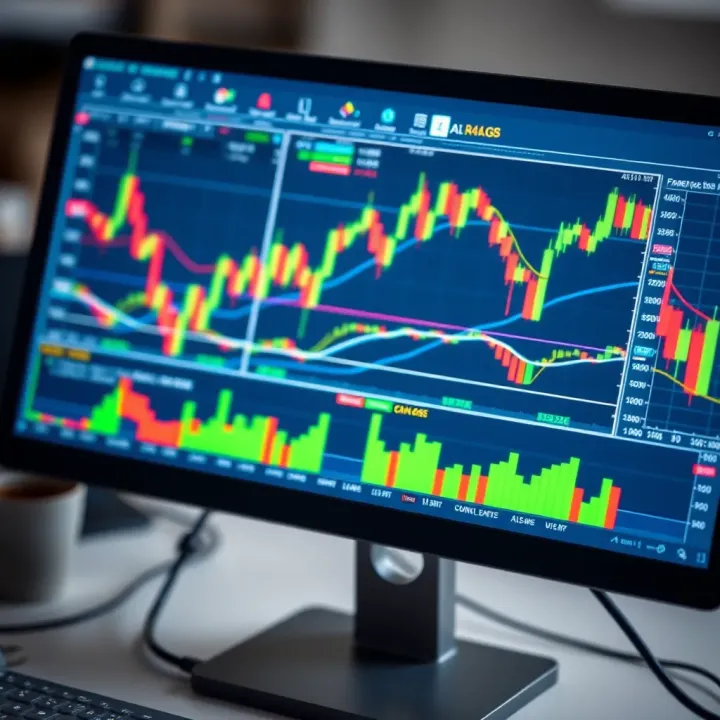
Using charts and technical indicators: Technical analysis relies on price charts and tools like moving averages, RSI (Relative Strength Index), and MACD (Moving Average Convergence Divergence). PDFs show how to identify patterns, trends, and potential reversal points. For example, spotting a head and shoulders pattern on the USD/KES chart may signal an upcoming downward movement. These tools simplify decision-making, especially for traders without deep economic backgrounds.
Combining analysis methods for better decisions: Successful traders often blend fundamental insights with technical signals. For example, a strong economic report (fundamental) coupled with a bullish moving average crossover (technical) may confirm a good buying opportunity. Forex PDFs emphasise this integrated approach to reduce risks and improve accuracy rather than relying on a single type of analysis.
Day trading and swing trading basics: Day trading involves opening and closing positions within the same day, targeting small price moves. Swing trading holds positions for days or weeks to capture bigger shifts. PDFs clarify which styles suit different personalities and time commitments. For instance, a busy trader in Nairobi might prefer swing trading for flexibility, while someone monitoring the market closely might try day trading during peak hours.
Using leverage responsibly: Leverage allows traders to control bigger positions with smaller capital but increases both profit and loss potential. Forex PDFs stress understanding margin requirements and risks. For example, a leverage of 1:30 means you can control KSh 300,000 with just KSh 10,000. However, careless use can wipe out your funds quickly, so risk management strategies like stop-loss orders are vital.
Managing emotions while trading: Emotional discipline is key to long-term success. Fear and greed can cloud judgement, leading to premature exits or overtrading. Forex PDFs often include tips such as keeping a trading journal, setting realistic goals, and sticking to a plan. Kenyan traders can benefit from community support groups or local forums to share experiences and stay grounded.
Understanding these key topics in forex trading PDFs helps Kenyan traders ground their learning in clear, practical concepts. This foundation supports smarter decisions and protects investments against common pitfalls.
By mastering these areas, you prepare yourself better for the tough but rewarding venture of forex trading, making your time spent with these PDFs genuinely worthwhile.
Using Forex trading PDFs efficiently can make a big difference in how quickly and well you absorb the material. These guides offer a solid foundation, but it’s up to you to approach them with a clear plan and practical mindset. PDFs give you the advantage of structured content, yet you must tailor your study to your current skills and goals as a trader.
Focusing on relevant sections for your skill level is key to avoiding information overload. If you’re new to forex, start with beginner-friendly chapters like market basics and fundamental terms instead of diving straight into complex strategies. For instance, a newbie might focus on understanding how currency pairs work before exploring technical analysis. Traders with some experience could skip basic content and instead concentrate on risk management or advanced techniques. This way, time is spent wisely, and motivation stays high.
Practising concepts with demo accounts links theory to reality. Many platforms like Safaricom’s M-Pesa-backed brokers offer free demo accounts where you can test strategies without risking your KSh. Trying out what you’ve learned in PDFs helps cement knowledge and reveals practical challenges not obvious in texts. For example, practising trade entry and exit points can improve your timing and decision-making skills, which are difficult to grasp by reading only.
Tracking progress and revisiting material ensures steady improvement. You could keep a simple journal or a digital note of new concepts learned, strategies tried, and mistakes made. Revisiting PDFs after some trading practice lets you connect theory with your real experiences. This cyclical learning prevents forgetting key information and helps you adjust your approach as market conditions change.
Applying strategies to live market conditions is where the rubber meets the road. Forex PDFs often describe ideal trading setups, but real markets are dynamic. Start by applying strategies during less volatile hours or with small trade sizes to build confidence. For example, if a PDF explains breakout trading, watching how such breakouts behave during Nairobi’s morning session lets you observe practical nuances.
Using notes and summaries for quick reference keeps important points handy during trading. You might create concise flashcards or a folder for crucial strategies and definitions from your PDFs. When the market is moving fast, flipping through detailed books isn’t practical. Having brief notes tailored to your trading style helps you make decisions swiftly and correctly.
Joining other traders to discuss and learn can sharpen your understanding and keep you updated on market trends.
Joining local or online forex trading communities enhances learning beyond PDFs. In Kenya, online forums or WhatsApp groups often share tips specific to our market timings and currency fluctuations. Interacting with others exposes you to different approaches and provides a support system for questions and updates. For example, discussing a PDF’s trading strategy in a local group can reveal practical hurdles or success stories you wouldn’t find alone.
By setting clear learning priorities, practising consistently, and blending PDF knowledge with real-world trading and community support, Kenyan traders stand a stronger chance at mastering forex markets.
Forex PDFs offer valuable learning material but can pose challenges that might trip up Kenyan traders, especially those new to the market. Grasping specialised language and ensuring the information is current and unbiased are two main hurdles. Handling these issues properly improves understanding and builds confident trading skills.
Forex trading involves many technical terms that might sound foreign at first—words like ‘pip’, ‘spread’, or ‘leverage’ often confuse beginners. Using glossaries or supplementary resources is a practical way to get past this barrier. Many Forex PDFs include glossaries explaining key terms in simple language, sometimes with practical examples. Traders should also keep a notebook of new words or use reputable online dictionaries dedicated to financial terms. For example, if a PDF explains ‘stop loss’ orders, looking up or noting down the term helps recall when applying the concept on a demo platform.
Besides self-study, asking questions in forums or classes proves useful. Kenyan traders can join online communities like Forex forums or local trading Facebook groups where fellow traders share their experiences and explain confusing ideas. Physical classes or webinars hosted by Nairobi-based brokers are other avenues. For instance, after reading about ‘margin calls’ in the PDF, posing questions in a forum clarifies when and why brokers might issue such calls. This interactive learning bridges the gap between textbook knowledge and real market practice, helping traders use the PDF content meaningfully.
Forex market conditions and regulations evolve rapidly. Checking the publication date and source credibility of any Forex PDF is key to avoiding outdated tips. Many beginner traders fall into traps by following old PDFs that recommend now obsolete software, outdated trading hours, or expired economic data. It is wise to look for PDFs published within the past two years and issued by certified sources like brokers regulated by the Capital Markets Authority (CMA) Kenya or recognised global trading platforms.
Moreover, cross-referencing with current market data safeguards against biased or incomplete information. For example, a PDF might promote a specific strategy as a surefire success. Kenyan traders should verify such claims by comparing with live data from local forex brokers or platforms like Bloomberg or Reuters. Reviewing recent Kenyan Shilling forex rates and current economic indicators helps confirm whether those strategies are still relevant. Otherwise, outdated advice may lead to poor decisions or losses.
Tackling complex terms and verifying the freshness of information are essential steps. These practices ensure that learning from Forex PDFs is both thorough and practical, empowering Kenyan traders to navigate the market confidently and responsibly.
Learn how Kenyan traders can confidently enter online forex trading 🔍. Explore key concepts, safe platforms, risk tips, KRA and payment methods including M-Pesa.

Explore how forex trading apps work, their benefits and risks, and get expert tips to choose and trade wisely on mobile in Kenya! 📱💹🇰🇪

📈 Explore forex trading in Kenya: learn how to start, understand risks, follow regulations, and spot real opportunities to grow your KSh savings wisely.
Learn how to trade forex in Kenya confidently with practical steps on choosing brokers, managing risks, opening accounts, and expert tips for success 📈💼
Based on 9 reviews