

Risk Management Tools for Kenyan Businesses
📊 Understand key risk management tools Kenyan businesses use to spot, evaluate & handle risks. Learn how to embed risk control in your operations for steady growth 🌍
Edited By
Amelia Brooks
Risk management tools are essential for any business aiming to navigate uncertainties and protect its assets in Kenya’s dynamic market. These tools help identify, evaluate, and handle risks that could disrupt operations or impact profitability. For traders, investors, analysts, educators, and brokers, having a solid grasp of these tools is key to making informed decisions and safeguarding investments.
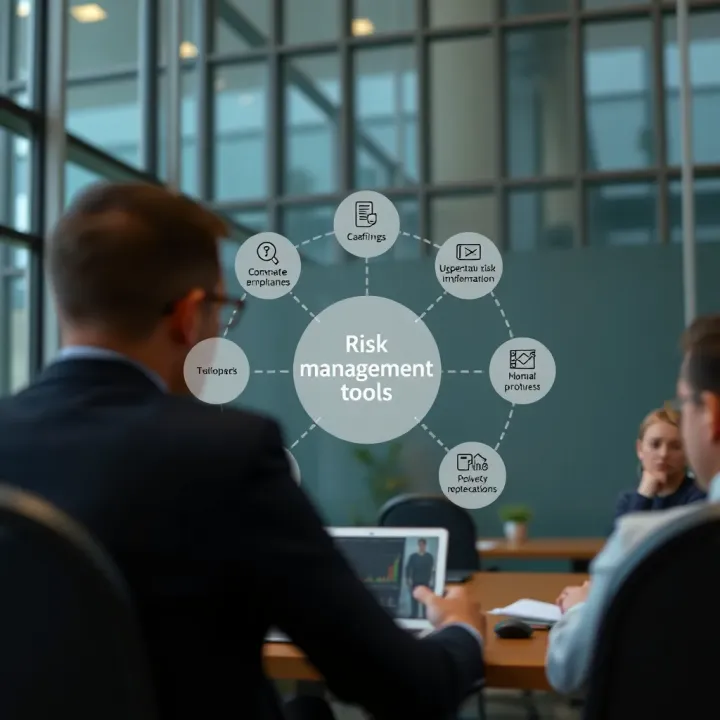
Simply put, risk management tools are methods, software, or frameworks businesses use to spot potential risks early and respond proactively. These tools cover a range of risks — from financial shocks and market fluctuations to operational hiccups and regulatory changes.
For example, a Kenyan maize trader might use price sensitivity analysis to understand how inflation affects buying costs. Meanwhile, an investment analyst could employ portfolio management software to balance asset risks and returns.
Qualitative Tools: These include checklists, risk matrices, and expert interviews, useful for assessing risks without heavy data reliance. For instance, a small retailer might list possible risks like supplier delays or currency fluctuation.
Quantitative Tools: Software and statistical models fall here, such as Value at Risk (VaR) calculators or Monte Carlo simulations. A broker handling international bonds may use these to quantify potential losses under different scenarios.
Hybrid Tools: Combine both approaches, like risk dashboards integrating data and expert insights, helping decision makers get a clear picture.
Relying on gut feeling alone can be costly. Tools provide:
Better visibility: Spot issues before they escalate.
Prioritisation: Focus on risks that matter most.
Informed decisions: Base actions on evidence and trends.
Businesses in Nairobi’s bustling markets or investors tracking NSE stocks can benefit immensely from applying these tools to avoid pitfalls and identify opportunities early.
Start small. Use available resources like Excel sheets for risk registers or free risk assessment templates tailored to your sector. Gradually, consider affordable local software specialising in Kenyan finance or trade, which often account for regional market quirks.
Keeping your tools simple but consistent builds resilience over time.
Risk management tools help businesses spot potential threats and prepare for them before they cause serious harm. For traders, investors, analysts, educators, and brokers, these tools are not just technical gadgets but key aids to protect investments, guide decisions, and maintain steady growth. In Kenya's dynamic business environment, with market fluctuations, regulatory changes, and operational challenges, having the right risk management tools can make the difference between profit and loss.
Risk management involves identifying, assessing, and controlling risks that could disrupt business objectives. Its main goal is to reduce uncertainty and limit damage from unforeseen events. For example, a trader in Nairobi dealing with agricultural commodities must manage risks like weather variability or price swings. The aim is to foresee such risks and have strategies to either avoid them or lessen their impact—such as using forward contracts or insurance.
Risk management also protects resources, reputation, and profitability. It ensures that businesses stay resilient even when faced with shocks like currency depreciation, supply chain disruptions, or policy shifts. Setting clear risk tolerance levels and continuously monitoring exposures are core aspects, helping businesses stay within safe operating zones.
Risk management tools are practical methods and systems used to carry out risk management effectively. They help break down complex uncertainties into manageable parts. Take, for instance, a risk matrix—a simple chart that rates risks by their likelihood and impact. This kind of tool provides a quick overview and guides prioritising responses, which is especially useful for SMEs with limited resources.
Advanced software can simulate different market scenarios to predict potential losses, helping investors decide how much capital to commit. Other tools include SWOT analysis to understand internal and external risks or digital platforms integrated with Kenyan local systems like M-Pesa for real-time financial monitoring.
Without using proper risk management tools, businesses often fly blind, making decisions based on guesswork rather than data. The right tools bring clarity and help transform risk from a threat into an opportunity.
In short, risk management tools support better decision-making, protect business value, and improve chances of long-term success. This makes them indispensable for Kenyan businesses operating in fast-changing markets.
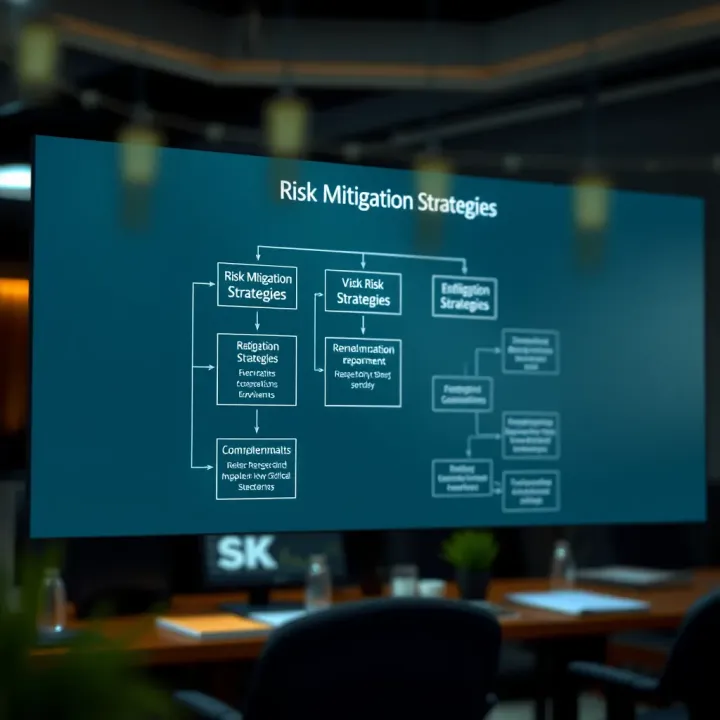
Risk management tools come in various forms, each designed to help businesses handle uncertainty differently. For traders, investors, analysts, educators, and brokers operating in Kenya, understanding these types ensures practical application suited to diverse challenges. These tools fall broadly into qualitative methods, quantitative techniques, and digital solutions, each offering unique benefits and suited to different risk profiles.
Risk Matrices help businesses visualise risk by plotting the likelihood of an event against its potential impact. For example, a trader at NSE might use a risk matrix to quickly determine which market events need immediate attention based on how likely they are and how severe their effect could be. It makes complex risks manageable and supports prioritisation without heavy data demands.
SWOT Analysis (Strengths, Weaknesses, Opportunities, Threats) allows firms to explore both internal and external factors influencing their operations. For instance, a startup in Nairobi conducting a SWOT may spot opportunities in growing digital payment trends, such as M-Pesa adoption, while identifying threats like cyber risks or regulatory changes. It guides strategic planning by combining business realities with market dynamics.
Brainstorming Sessions encourage teams to gather diverse perspectives about potential risks. Kenyan SMEs often rely on this to tap into local insights during harambee meetings or strategy workshops. This method boosts risk awareness collectively, uncovering hidden threats or new risk angles that individual analysis might miss.
Monte Carlo Simulations use repeated random sampling to estimate the probability of different outcomes, helping businesses predict financial risks. An investor managing a portfolio can simulate various market scenarios, such as currency fluctuations between Kenyan shilling and dollar, to gauge possible losses and cushions needed.
Financial Modelling builds detailed numerical frameworks forecasting revenues, costs, and risks. Brokers evaluating lending options might create cash flow models to see how risks like late repayments or interest rate changes affect profitability. These models allow for testing assumptions before committing capital.
Statistical Analysis involves applying data techniques to measure risks quantitatively. Analysts might use regression or correlation analysis to understand how weather patterns during long rains impact crop insurance claims, helping insurers price risks more accurately.
Dedicated Risk Management Software simplifies tracking and reporting of risks. Systems like MetricStream or LogicManager streamline documentation, alert on risk triggers, and integrate compliance checks. For Kenyan corporations, this reduces paperwork and speeds up response when risks materialise.
Cloud-Based Reporting Tools enable real-time data sharing and collaboration across locations. Firms with branches in Nairobi, Mombasa, and Kisumu can monitor risk metrics collectively and update strategies promptly. This remote accessibility fits well with Kenya’s increasing reliance on mobile and internet connectivity.
Integration with Local Systems like M-Pesa connects risk management directly to payment platforms. Businesses can monitor transactional risks, fraud attempts, or liquidity in real time through systems linked with M-Pesa APIs. For fintech startups or retail chains, this integration provides valuable insights and enhances financial control.
Selecting the right mix of these tools depends on your specific risks, business size, and available resources. Combining qualitative and quantitative approaches with smart software can create a strong defence against unexpected losses.
Selecting the right risk management tool matters because every business faces different challenges. An effective tool helps you spot risks clearly and take action before problems grow. For traders, investors, and analysts, the right choice can mean the difference between losing capital and securing profits. Therefore, understanding your business setup is the first step towards picking a suitable tool.
Start by identifying what specific risks your business encounters. For example, a trader on the Nairobi Securities Exchange (NSE) focuses on market volatility, regulatory changes, and liquidity risks. Meanwhile, a jua kali manufacturer may worry more about equipment breakdowns or supply chain delays. The tool you pick should help measure these risks accurately. You might need qualitative tools like SWOT analysis if your risks are mostly strategic, or quantitative tools such as Monte Carlo simulations for financial risk estimation.
Consider how complex your risk environment is and whether you need simple dashboards or detailed analytic reports. Knowing your business’s risk appetite—how much risk you can afford to tolerate—also guides the choice. If quick decision-making is key, tools with real-time indicators will serve you better.
Cost is often a major factor. Small and medium enterprises (SMEs) should balance price with functionality. A costly tool with features you won’t use wastes resources better spent elsewhere. Look for platforms that offer modular pricing or tiered plans.
Usability is just as important. If your staff find the software complicated, you risk poor adoption. Tools with a clean, intuitive interface ease training demands. Besides, language support and customer documentation relevant to Kenyan users speed up learning.
Local adaptability means the tool can integrate with systems common in Kenya, such as M-Pesa payments or local accounting software. This integration reduces manual work and data errors. For example, a cloud-based solution that automatically imports transactions from M-Pesa will simplify cashflow risk monitoring.
A dependable vendor ensures you get timely help when problems arise. Before committing, check reviews from other Kenyan customers or find out if the vendor connects with local IT service providers. Support could mean live chat, phone assistance, or on-site training.
Also ask about update policies. Risk environments evolve, so tools must be regularly updated to cover new threats or regulatory changes. Vendors who actively maintain and improve their software are more trustworthy.
Choosing the right risk management tool isn’t just about features, but how well it fits your business’s risks, budget, usability, and local context.
Taking these points seriously will help your business not just react better but anticipate risks ahead and stay protected in the ever-changing market environment.
Implementing risk management tools in Kenyan businesses is a practical step that helps firms stay ahead of uncertainties. These tools provide a structured way to identify, assess, and respond to risks, particularly in Kenya's dynamic market environment where factors like fluctuating exchange rates, policy changes, and supply chain hiccups are common. Proper implementation ensures that businesses protect their investments, maintain smooth operations, and comply with local regulations.
Training staff on risk management is essential to making the tools effective. Without clear understanding, even the best software or models won't help much. For instance, a medium-sized agro-processing company in Eldoret introduced hands-on workshops to teach employees about identifying risks such as pest infestations or transport delays. This practical approach not only improved reporting but also motivated staff to suggest risk mitigation ideas. Regular refreshers keep staff alert to new or evolving threats, especially in sectors like manufacturing and retail that face seasonal disruptions.
Risk management tools must fit into the company’s daily routines and IT systems. Businesses using M-Pesa for payments, for example, benefit from risk tools that link directly to transaction data. This integration helps spot unusual payment patterns signalling fraud or cash flow problems early on. Likewise, inventory management systems combined with risk assessment models can flag suppliers' delays before they disrupt production. Integration reduces manual data entry and errors, making risk monitoring more accurate and less burdensome.
Risks evolve, so tools and strategies have to adapt. For Kenyan businesses, changes in government policy or weather conditions can quickly create new risks. A Nairobi-based logistics company recently updated its risk tools to include alerts for fuel price hikes and road closures caused by the long rains. Continuous monitoring allows timely decisions, such as rerouting deliveries or adjusting budgets. Equally important is reviewing the tools’ effectiveness periodically and making necessary updates so that the business remains prepared against fresh challenges.
Effective implementation of risk management tools in Kenya demands ongoing staff engagement, seamless system integration, and regular updates to keep pace with the changing business environment.
By focusing on these practical steps, Kenyan traders, investors, and analysts can protect their businesses better and make smarter decisions even when uncertainties strike.
Risk management tools offer essential support for businesses, but their effective use isn't always straightforward. Kenyan businesses, especially SMEs and large corporates, typically confront unique obstacles when integrating these tools. Understanding and addressing these challenges helps ensure that risk management efforts truly offer protection and foster growth.
Kenyan SMEs often wrestle with limited financial resources and lack of specialised skills, which hampers effective use of risk management tools. For instance, many small businesses might shy away from investing in dedicated software due to upfront costs and ongoing maintenance fees. Meanwhile, large corporates commonly face issues with bureaucratic inertia and siloed departments, which slow down decision-making and the sharing of risk-related information.
Moreover, resistance to change remains widespread. Even when tools are available, staff may prefer traditional methods and distrust new systems, impacting implementation success. Take a Nairobi-based textile firm that struggled to adopt digital risk assessment algorithms simply because the management team preferred familiar manual processes.
Poor data quality stands as one of the biggest hurdles for effective risk management in Kenya. Often, records are incomplete, outdated, or scattered across different locations and formats. For example, many businesses rely on paper-based records or fragmented Excel sheets that don’t sync well with risk software.
Improving data quality requires a concerted approach. Organisations should prioritise digitising records and training staff on accurate data entry. Using cloud-based platforms can enhance data accessibility—even remote branches can update information in real time. Equally important is establishing routine data audits to catch errors early. For example, some Kenyan financial institutions have introduced strict data governance policies to strengthen integrity and accessibility.
Sustainability in risk management means embedding tools and practices into the daily workflow rather than treating them as one-off projects. Continued training and awareness campaigns play a key role here. Businesses that schedule regular refresher sessions tend to keep their teams alert and responsive to new or evolving risks.
Additionally, companies should continuously review and update their risk management strategies in response to changing market conditions. For example, during Kenya's recent fuel price hikes, firms that revised their risk models promptly managed supply chain disruptions better than those relying on outdated data.
Finally, engaging leadership is essential. When the top management champions risk management, allocating budgets and monitoring progress becomes easier, ensuring these practices stick around in the long haul.
Overcoming challenges around risk management requires persistent effort, from improving data systems to winning hearts and minds across the organisation. When done well, it transforms risk tools from mere checklists into business assets that protect and guide growth.
By recognising hurdles and taking practical steps, Kenyan traders, investors, and analysts can make better use of risk management tools that suit their needs and contexts. The goal is not just to manage risks but to turn risk management into a strategic advantage, especially for businesses competing in Kenya's dynamic markets.
📊 Understand key risk management tools Kenyan businesses use to spot, evaluate & handle risks. Learn how to embed risk control in your operations for steady growth 🌍
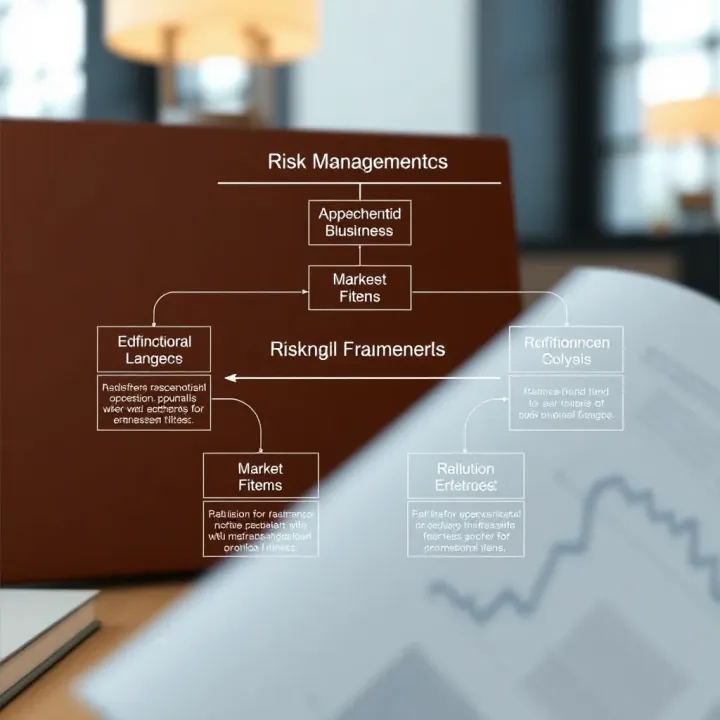
📊 Learn how Kenyan organisations can identify, assess, and manage risks with practical risk management frameworks. Boost resilience and safeguard your business today.

Learn how Kenyan businesses can spot and handle strategic risks affecting their goals. Get practical tips for integrating risk management into daily decisions 📊

📊 Learn how Kenyan businesses can spot and manage market, credit, and operational risks effectively, using local tools to protect growth and stability. 💼
Based on 12 reviews