

Strategic Risk Management for Kenyan Businesses
Learn how Kenyan businesses can spot and handle strategic risks affecting their goals. Get practical tips for integrating risk management into daily decisions 📊
Edited By
Charlotte Mitchell
Risk management is no longer a luxury for Kenyan businesses—it's a must-have. With unpredictable factors like fluctuating currency rates, changes in government policy, and even climate variability affecting operations, every business must be prepared. Proper risk management tools help spot potential problems early and guide decisions that protect both assets and reputation.
Kenyan companies face various risks, including credit risk from delayed payments, operational risks like system failures, and market risks due to intense competition especially in sectors like retail and agriculture. A construction firm based in Nairobi, for example, might encounter risks from fluctuating material prices or delays caused by rains during the long rainy season. Recognising these risks upfront allows businesses to plan proactively.

One practical way to identify risk is through structured risk assessments. Businesses often use risk registers, which list all identified risks alongside their likely impact and probability. For instance, a small manufacturer might rate the risk of power outages as high since many parts of Kenya experience inconsistent electricity supply. This register becomes a living document to review regularly.
After pinpointing risks, Kenyan enterprises can consider tools to manage them:
Risk Avoidance: Choosing not to engage in activities with high potential losses, such as avoiding dealings in unstable commodity markets.
Risk Reduction: Investing in dependable technologies or training staff to minimise errors; for instance, banks upgrading their cybersecurity to protect customer data.
Risk Transfer: Using insurance products to shift potential financial burdens, common among trucking companies that buy motor vehicle insurance to cover accidents.
Risk Acceptance: When risks are small or unavoidable, businesses may accept them but plan contingency measures.
Embedding risk management in daily operations isn't just about checklists. It's about making informed choices that keep your business steady, especially amid Kenya’s shifting economic environment.
In Kenya’s dynamic business scene, tools like Enterprise Risk Management (ERM) software have started gaining ground, allowing bigger firms to track and analyse risks comprehensively. However, for many SMEs, simpler, cost-effective solutions like detailed risk mapping and regular staff training work well.
Overall, using the right mix of risk management tools equips Kenyan businesses to handle uncertainties with confidence, ultimately contributing to steadier growth and sustainability.
Understanding the types of risks Kenyan businesses face helps traders, investors, and analysts prepare better and reduce potential losses. Different risks affect various sectors, from jua kali artisan groups to large-scale importers. Pinpointing these risks improves how businesses plan, invest, and react to challenges on the ground.
Supply chain disruptions often hit Kenyan businesses hard, especially those relying on imports via the port of Mombasa. Delays caused by strikes or logistical bottlenecks can stall production or cause stock shortages, directly impacting sales and customer trust. For example, a Nairobi-based electronics retailer depending on shipments from China might face delays when paperwork slows down at customs or when transport costs spike unexpectedly.
Equipment failure is another common operational risk. A small manufacturing outfit in Eldoret may lose production time when machinery breaks down due to poor maintenance or power outages. Fixing or replacing equipment without proper insurance or contingency plans can strain cash flow and delay orders.
Workforce challenges affect many Kenyan businesses because of issues such as strikes, limited skills, or absenteeism. For instance, a tea factory in Kericho might face drop in productivity if workers down tools over wage disputes or if highly skilled staff leave for better pay elsewhere. Investing in employee training and fostering good labour relations can reduce such disruptions.
Currency fluctuations affecting imports and exports are a daily worry. The Kenyan shilling’s value swings against the US dollar, impacting businesses dependent on foreign exchange. Importers of raw materials, like manufacturers of processed foods, may face increased costs when the shilling weakens. Similarly, exporters risk losing competitiveness if foreign buyers shift to cheaper markets. Companies often need hedging strategies to cushion such swings.
Credit risks from customers arise when buyers delay payments or default. Traders extending credit without careful vetting often experience late payments that disrupt their working capital. For example, a wholesaler supplying stock on credit to small retailers might struggle to pay suppliers when debts pile up.
Cash flow and liquidity issues are the most common financial headaches. Unpredictable incomes due to seasonal sales or slow-paying customers can leave businesses unable to meet day-to-day expenses. SMEs in Nairobi often juggle between multiple M-Pesa loans to manage short-term cash shortages, risking high-interest costs.
Changing consumer preferences demand that businesses stay alert. A garment maker in Nairobi may find its products outdated if fashion trends shift suddenly or if cheaper imports flood the market. Keeping tabs on customer tastes and innovating regularly helps businesses remain relevant.
Inflation and interest rate shifts influence costs and borrowing. The Central Bank of Kenya adjusts rates affecting loan costs. High inflation raises input prices, squeezing margins especially on staple goods. Firms with variable-rate loans or overdrafts may face heavier repayment burdens, making cash management critical.
Political instability and regulatory changes often weigh on Kenyan business climate. Political tensions around elections can disrupt market operations or delay contracts. Sudden changes in tax laws or import duties can also catch businesses off guard, forcing quick adjustments. Staying informed through industry groups or professional advisers helps mitigate these risks.
Identifying specific risks facing Kenyan businesses sharpens decision-making, enabling better risk management tools and strategies to safeguard growth and stability.
Effective risk management starts with identifying and assessing potential threats to your business. Understanding what risks you face and their likely impact helps you focus resources on managing those that matter most. For Kenyan businesses dealing with a complex mix of market, financial, and operational challenges, using practical methods to spot and evaluate risks provides a clearer picture of where vulnerabilities lie.
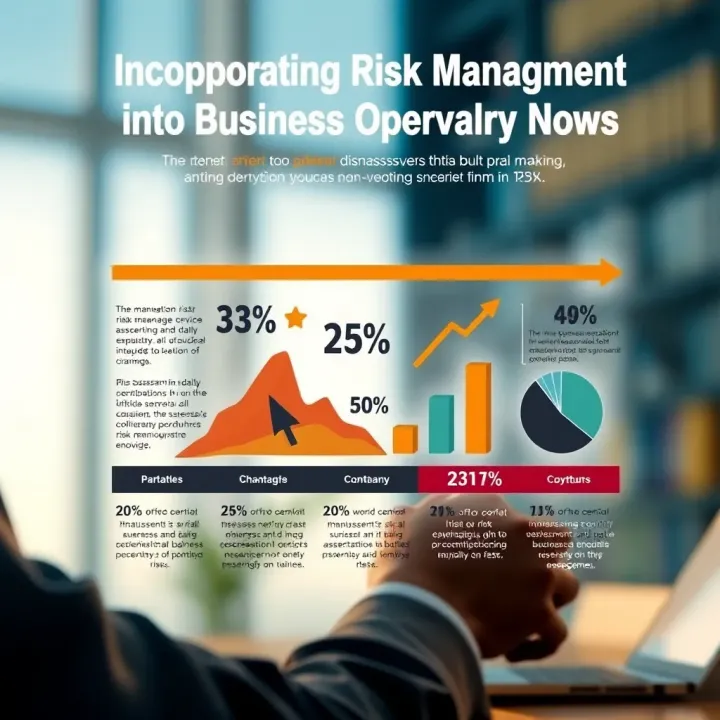
Gathering input from different departments through brainstorming helps capture diverse insights on potential risks. For example, a retailer in Nairobi might discover supply chain concerns from the procurement team, while sales might highlight changing consumer trends affecting demand. This collective approach promotes open dialogue, making it easier to identify less obvious risks that may otherwise slip by unnoticed.
Looking into past incidents and setbacks sheds light on recurring risks and weak points in operations. Suppose a small manufacturer faced equipment breakdowns in previous years; understanding these patterns enables better preparation. Historical review also informs whether previously used controls were effective, allowing adaptation of strategies to avoid repeating costly mistakes.
Experts bring an outside view backed by broader experience across businesses and sectors. Getting advice from professionals familiar with Kenyan trade dynamics or regulatory trends can highlight emerging risks like changes in import tariffs or sector-specific compliance requirements. For a growing exporter, an expert might warn on currency risks tied to the shilling's volatility, helping the business plan suitable hedging actions.
This method involves ranking risks by how likely they are to happen and what damage they could cause if realised. By using simple categories such as high, medium, or low, managers form an immediate sense of priority. For instance, a boda boda business may consider accident risk as high likelihood with significant impact, urging focus on safety protocols.
Applying numbers to risks adds precision. Tools like risk matrices or statistical models estimate potential financial loss or downtime from specific threats. A Kenyan exporter might use quantitative analysis to understand how a 10% drop in foreign demand could affect revenue, helping shape insurance purchase decisions or investment plans accordingly.
Since resources are limited, businesses must allocate attention to the riskiest threats first. Prioritisation emerges naturally once risks are identified and assessed through qualitative and quantitative means. This step ensures urgent or costly risks do not hide behind less impactful issues. A firm facing both fraud risks and minor paperwork delays, for example, will channel efforts more towards fraud prevention.
Regularly identifying and assessing risks sharpens a business’s readiness to face challenges. The clearer you are about your downside exposures, the better you can defend against them and protect your growth.
By applying these clearly defined methods, Kenyan traders, investors, and analysts can turn a maze of potential hazards into a manageable, well-understood portfolio of risks.
Kenyan businesses face a variety of risks, making risk management tools indispensable for survival and growth. Using these tools helps firms reduce financial losses and operational disruptions, ensuring continuity amid challenges like currency swings, political uncertainty, or supply chain hiccups. The following tools are practical, widely used, and tailored to suit Kenya's unique business landscape.
Property and equipment insurance protects businesses against damages or loss to physical assets like machinery, vehicles, or buildings. For example, a tea processing factory in Kericho will find this insurance valuable given frequent heavy rains that might damage equipment or storehouses. It covers repair or replacement costs, safeguarding investments and reducing unexpected expenses.
Liability insurance shields businesses from claims due to injury or damage caused to third parties. A Nairobi-based construction company, for instance, might face lawsuits if a visitor gets hurt on site. Liability cover ensures legal costs and compensation payouts don’t cripple the business.
Business interruption cover compensates for revenue lost when operations halt due to insured events, like fire or floods. SMEs in Mombasa who deal with seasonal flooding can rely on this cover to manage wages and fixed costs during downtime, allowing them to restart smoothly without exhausting their reserves.
Hedging with derivatives, such as forward contracts, helps Kenyan importers and exporters fix prices for goods, shielding against currency fluctuations. For example, a trader importing electronics from China can lock in costs in advance, avoiding losses if the shilling weakens unexpectedly against the US dollar.
Diversification of investments is useful for investors seeking to spread risk by holding varied assets. A portfolio mixing NSE-listed stocks, government bonds, and real estate in towns like Kisumu and Eldoret reduces dependency on one market, cushioning shocks from economic shifts.
Credit guarantees and collateral assist businesses in securing loans by providing banks security against default. Many SMEs lack substantial collateral but can improve credit access through guarantees offered by institutions like the Youth Enterprise Development Fund, enhancing liquidity and growth potential.
Data backup and cybersecurity tools keep sensitive business data safe from loss or cyberattacks. With growing cyber threats, Nairobi-based fintech firms, for instance, invest heavily in firewall systems and cloud backups to protect client information and maintain regulatory compliance.
Inventory tracking systems allow real-time monitoring of stock levels, reducing losses from theft or overstocking. Retail chains such as Naivas and Carrefour Kenya use these systems to optimise stock and prevent spoilage, especially important for perishable goods.
Risk management software platforms integrate risk identification, assessment, and reporting into one system. Businesses in sectors like manufacturing or finance employ these platforms to monitor risks systematically, make informed decisions, and stay ahead of emerging threats.
Employing these tools strategically positions Kenyan businesses to handle uncertainties confidently, turning potential setbacks into manageable challenges for long-term success.
Integrating risk management into everyday business practices is essential for Kenyan companies aiming to maintain steady growth amid uncertain conditions. It transforms risk from a reactive concern into a systematic approach embedded within daily operations and strategic planning. This integration helps businesses anticipate challenges like cash flow disruptions or supply chain delays and respond confidently.
Clear policies lay the foundation for consistent risk handling. They define what risks are acceptable, the limits for financial exposure, and the processes for managing different types of risks. For example, a Nairobi-based textile exporter might set strict policies on foreign exchange exposure limits, given fluctuating currency rates impacting profits. Well-articulated policies also guide staff on necessary steps during a risk event, reducing confusion and delays.
Every organisation needs defined roles to avoid duplicated efforts or gaps in oversight. Assigning specific risk management tasks ensures accountability. For instance, an SME in Mombasa might designate its finance manager to monitor cash flow risks while the operations head handles supply chain risks. This division helps each team member focus on their area of expertise and respond swiftly when issues arise.
A clear and open communication system allows risks to be reported promptly and escalated when necessary. Companies benefit from channels such as regular team meetings, digital reporting tools, or designated risk officers. Consider a Nairobi-based agribusiness that uses a weekly risk report submitted via email to flag pests affecting crop yields. Quick sharing of such information enables faster response, reducing potential losses.
Staff need to recognise risks and understand their role in managing them. Regular training builds familiarity and confidence. For instance, training warehouse workers in Kisumu on fire safety and handling equipment breakdowns ensures they react correctly during incidents, minimising damages. Such programmes also keep risk management fresh in employees’ minds.
Fostering an environment where employees feel safe to report concerns without fear of blame is vital. Open dialogue uncovers hidden risks early. A Nairobi tech startup encouraging casual daily check-ins where staff share operational hitches can catch issues before they escalate. This cultural aspect strengthens overall risk resilience.
Integrating risk assessment into strategic decisions ensures that choices align with the organisation’s risk appetite. If a retail chain in Eldoret considers expanding to a new location, including risk evaluation of local competition, infrastructure, and economic conditions guides a balanced investment choice. This approach helps avoid costly surprises.
Scheduled audits review how well risks are managed and highlight gaps. This process is like getting a health check-up for the business. For example, a financial institution in Nairobi conducting quarterly risk audits can identify shifts in customer default patterns early and tweak credit policies accordingly.
No one-size-fits-all solution stays effective forever. Adjustments based on audit findings, market changes, or new risks keep the system relevant. A Kenyan logistics firm might adopt new tracking technology after discovering blind spots in delivery routes during an audit, improving risk control.
Risk landscapes can change quickly, as seen during the COVID-19 pandemic when many businesses faced supply chain shocks. Rapid response like sourcing alternative suppliers or moving services online helped many survive. Kenyan businesses that keep flexible strategies and monitor trends can adapt faster and limit impacts.
Embedding risk management into the fabric of business operations isn’t just wise—it’s necessary. Companies that make it part of their everyday practice can better navigate challenges, protect assets, and seize opportunities with confidence.
Learn how Kenyan businesses can spot and handle strategic risks affecting their goals. Get practical tips for integrating risk management into daily decisions 📊

📊 Learn how Kenyan businesses can spot and manage market, credit, and operational risks effectively, using local tools to protect growth and stability. 💼
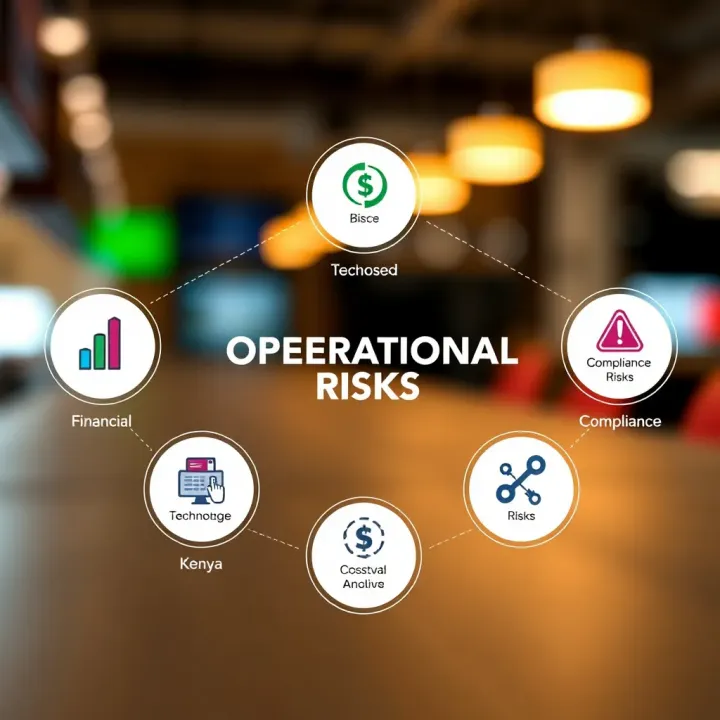
Learn how Kenyan businesses can identify, assess, and control operational risks with local insights. Includes tech use and regulatory tips 📊 to protect your venture.

Master risk management for Kenyan businesses 📈 Learn practical ways to identify, analyse, control, and finance risks to safeguard your enterprise locally and grow with confidence.
Based on 8 reviews