
Forex Trading Basics for Beginners in Kenya
Explore forex trading basics tailored for Kenyan beginners 🇰🇪. Learn how the market works, key strategies, tools, and risks to trade confidently 💹.
Edited By
Edward Palmer
Forex trading has become an accessible way for many Kenyans to earn income through currency exchange, especially with widespread internet access and mobile money services like M-Pesa. However, the market’s complexity means jumping in without proper knowledge usually leads to losses. This guide aims to give you practical steps to start trading forex confidently while avoiding common traps.
Kenyan traders often face challenges such as choosing reliable brokers, understanding market behaviour, and managing risk effectively in the volatile forex environment. Unlike stock trading on the Nairobi Securities Exchange (NSE), forex operates 24 hours, five days a week, with currencies traded in pairs like USD/KES or EUR/USD.

Getting a solid foundation in forex basics helps you avoid costly mistakes and builds your confidence as you move from demo accounts to live trading.
Forex trading is buying one currency while selling another simultaneously. The goal is to profit from changes in exchange rates, which are influenced by economic indicators, geopolitical events, and market sentiment. For example, if you believe the US dollar will strengthen against the Kenyan shilling, you might buy USD/KES, hoping to sell later at a higher rate.
Understand Market Terms: Know what pips, lots, leverage, and spreads mean.
Use Demo Accounts: Platforms like XM or HotForex offer Kenyan traders risk-free trial accounts to practise.
Follow Local and Global News: Economic data from Kenya’s Central Bank or the US Federal Reserve affects currency moves.
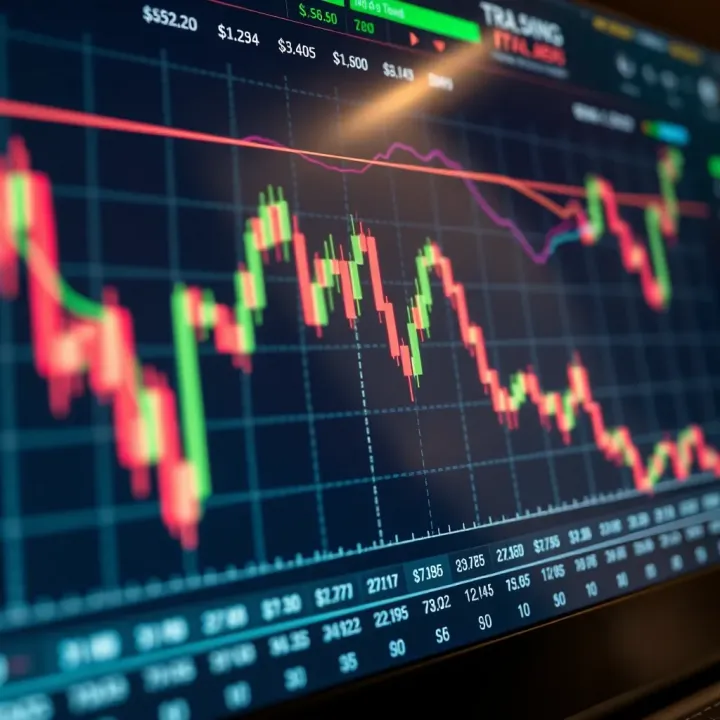
Learn to Read Charts: Price charts and indicators like RSI or moving averages help identify trade opportunities.
Selecting a trusted broker registered with the Capital Markets Authority (CMA) or regulated internationally gives legal protection and better trade execution. Kenyan traders should confirm if brokers accept M-Pesa or other local payment methods for easy deposits and withdrawals.
Taking a step-by-step approach rooted in real practice rather than hype enables Kenyan traders to build profitable habits. Throughout this article, we will explore detailed strategies, risk controls, and continuous learning tips tailored for Kenya’s growing forex community.
Understanding forex trading basics is key before you start risking your money. It helps you grasp how currency markets operate, reducing guesswork and avoiding costly mistakes. In Kenya, many traders jump straight into trading without this foundation and end up losing their savings. By knowing core concepts early on, you build confidence and make smarter decisions.
Forex trading, or foreign exchange trading, is buying one currency while simultaneously selling another. The goal is to profit from changes in exchange rates. For example, if you believe the US dollar (USD) will strengthen against the Kenyan shilling (KES), you buy USD/KES hoping to sell it later at a higher rate. It’s a global, liquid market where forex trades around the clock.
At its core, forex trading is about speculating on currency fluctuations, influenced by factors like economic data, interest rates, geopolitical events, and local market sentiment. Understanding this lets you spot opportunities and risks more clearly.
Currencies are traded in pairs because you are exchanging one currency for another. Each pair has a base currency (the first listed) and a quote currency (the second). Taking EUR/USD as an example, EUR is the base and USD the quote. If the pair’s price is 1.2000, it means one euro costs 1.20 US dollars.
In practical terms, buying a pair means you expect the base currency to rise relative to the quote currency. Selling means you expect the opposite. This mechanism allows Kenyan traders to take advantage of both rising and falling markets.
Unlike local stock markets with set hours, forex runs 24 hours a day during weekdays, thanks to major financial centres across the globe. Trading starts in Sydney, moves to Tokyo, then London, and finally New York before the cycle repeats.
This around-the-clock nature means Kenyan traders can engage at their convenience, even after regular work hours. Still, market volatility varies, often highest when London and New York sessions overlap. Knowing these hours helps you choose the best times to trade or avoid uncertain volatility.
A pip is the smallest price movement in a currency pair, usually 0.0001 for most pairs. For example, if USD/KES moves from 110.0000 to 110.0001, that’s one pip. Lots are standardised trade sizes: a standard lot is 100,000 units of the base currency, a mini lot 10,000, and a micro lot 1,000. Kenyan traders often start with micro lots to limit risks.
Leverage lets you control a larger position with a small deposit (margin). For instance, 1:100 leverage means with KS,000, you can trade KS00,000 worth of currency. While it boosts potential gains, it also increases risks, so use it cautiously.
The spread is the difference between the bid (selling) and ask (buying) prices. Brokers charge this as a cost per trade. For example, if USD/KES’s bid is 110.001 and ask 110.005, the spread is 0.004 (or 40 pips).
Margin is the amount of your funds needed to open a position. If a trade requires 1% margin, you must have at least KS,000 in your account to control KS00,000.
Rollover refers to the interest paid or earned when holding a position overnight. Different currencies have varying interest rates, so this affects costs or earnings.
The bid price is what buyers are willing to pay for a currency pair; the ask is what sellers want. When you buy, you pay the ask price; when you sell, you receive the bid price. This gap ensures brokers cover their trading costs.
Understanding these terms helps you see what price you will execute trades at, avoid surprises, and calculate your potential profit or loss accurately.
Grasping these basics lets you enter the forex market with clear eyes. It helps you plan your trades properly and manage risks that come with currency volatility, especially in Kenya’s dynamic economic environment.

Starting forex trading without proper setup is like trying to drive a matatu without knowing the roads. Setting up for trading success means putting in place the right tools, accounts, and understanding crucial factors that affect your daily trading activity. This foundation reduces costly mistakes and helps you focus on developing your skills effectively.
Choosing a broker regulated by respected authorities like the Capital Markets Authority (CMA) Kenya or international bodies such as the Financial Conduct Authority (FCA) ensures your funds and trades are protected. Licensed brokers must follow strict rules on transparency and fund safety, reducing risks of fraud or sudden platform shutdowns. For example, FXPesa is a locally regulated broker that meets CMA standards, giving Kenyan traders confidence in compliance and security.
The broker's trading platform is your primary tool for executing trades. Popular platforms like MetaTrader 4 (MT4) and MetaTrader 5 (MT5) offer user-friendly interfaces, charting tools, and automated trading options. Brokers may also offer proprietary platforms with unique features. Account types often vary—standard, mini, or micro accounts differ in minimum deposits and lot sizes, allowing beginners to start small. For instance, a micro account with a lower initial deposit can help you learn without risking too much capital.
A reliable broker should support convenient and affordable ways for you to deposit and withdraw funds. In Kenya, M-Pesa integration is a big plus, making transactions effortless and fast. Bank transfers and mobile money options like Airtel Money are also common. Fees vary; some brokers charge deposit or withdrawal fees, while others have hidden costs in spreads or commissions. Always check fees carefully—for example, a broker may offer zero deposit fees but have wider spreads that eat into your profits.
Most brokers provide demo accounts where you trade with virtual money. This is essential for practising without risking real cash. Use the demo environment to familiarise yourself with order types, charts, and the platform interface. Treat the demo seriously—try different strategies and see how market movements affect positions. Successful Kenyan traders often spend weeks on demo accounts before funding live ones.
Leverage lets you control a larger trade size with a small deposit, but it also magnifies risks. For example, with 1:100 leverage, KSh 1,000 can control KSh 100,000 worth of currency. However, wrong moves can quickly lead to margin calls, where the broker demands extra funds to keep positions open or closes trades automatically to limit losses. Learn how to manage leverage carefully, avoid overexposure, and use stop losses.
Funding your trading account is straightforward if your broker supports M-Pesa. This mobile money option is familiar, secure, and fast, allowing deposits anytime without visiting banks. Alternatively, direct bank transfers from Equity Bank, KCB, or Co-operative Bank are common but may take longer during weekends or holidays. Always confirm with your broker the minimum deposit for funding. Quick, reliable deposits help you seize trading opportunities as they arise.
Strong setup means smoother trading. Don't rush; these steps build your foundation for success in the forex market.
Learning tools and resources form the backbone of successful forex trading, especially for Kenyan traders starting out. They provide the necessary knowledge, practice platforms, and market insights that help traders build confidence and make informed decisions. Without good resources, it’s easy to get overwhelmed or take unnecessary risks.
Kenyan traders can find both free and paid educational resources online. Free content, such as YouTube tutorials and forex blogs, gives a great introduction and covers the basics. For example, websites like BabyPips offer beginners clear explanations of terms and strategies without any cost. However, these may lack advanced details or personalised guidance.
Paid courses often provide structured lessons, mentorship, and more up-to-date materials. Platforms like Udemy and Coursera sometimes have forex courses that offer practical tutorials and assignments. For serious learners who want quicker progress, investing KSh 5,000 to KSh 20,000 in a reputable course could be worthwhile. That said, it’s crucial to check reviews and avoid scams.
Local forex learning communities and workshops also help Kenyan traders exchange ideas and gain practical tips. Cities like Nairobi and Mombasa sometimes host forex meetups which enable face-to-face networking. These gatherings often share insights tailored to Kenyan market conditions and sometimes include sessions on managing funds through M-Pesa or Kenyan banks.
These tools let you practise trading without risking real money. Demo accounts replicate live markets on platforms like MetaTrader 4 (MT4) but use virtual cash. Kenyan traders can use these simulators to familiarise themselves with order execution, setting stop-losses, or checking chart trends.
Besides practising basic skills, traders use demo accounts to test out strategies before applying them with real funds. For instance, you might try trend-following techniques or scalping during volatile times like after CBK announcements. Demo accounts help spot mistakes early so you don’t lose capital while learning.
Tracking your performance during practice is vital. Keep a simple trading journal noting down entry points, outcomes, and emotions. This process highlights weaknesses and builds discipline over time. For many Kenyan learners, starting a spreadsheet or notebook alongside demo trading is an affordable way to improve without pressure.
Staying updated on forex news is key to understanding market moves. Reliable sources include Reuters, Bloomberg, and local business news outlets like Business Daily. Knowing about interest rate decisions from the Central Bank of Kenya (CBK) or global events affecting the US dollar gives traders useful context.
Charting software such as TradingView or MT4 provides price graphs and technical indicators like moving averages or Relative Strength Index (RSI). These tools help spot entry and exit points. For example, recognising when a currency pair is oversold can guide when to buy.
Economic calendars listing events – such as GDP releases, inflation numbers, or elections – allow Kenyan traders to prepare for sudden volatility. Many platforms offer customised calendars showing times in East Africa Time (EAT), which is handy to follow important announcements from both local and global markets.
Consistently using these learning tools sharpens your trading skills and helps navigate the forex market more confidently. The Kenyan context, including local payment methods and market hours, should always guide your choices.
By blending online courses, demo practice, and reliable market data, Kenyan traders can set themselves up for steady progress. These resources turn complex forex concepts into practical knowledge and real results, making trading more approachable and less risky.
Developing practical forex trading skills is a step that moves you from theory to real-world application. For Kenyan traders, mastering these skills helps you respond confidently to market movements, reduce costly mistakes, and make calculated decisions. Skills like choosing the right trading strategy and managing risk protect your KSh investment, making trading a sustainable activity rather than a gamble.
Trend following is a strategy where you identify the general direction of a currency pair and trade in that direction. For example, if the USD/KES pair is steadily rising during the day, a trend follower would buy, expecting the upward momentum to continue. Breakouts happen when the price moves beyond a known resistance or support level, signalling a potential new trend. Breakouts are important because they often lead to large price moves which you can profit from.
A Kenyan trader might spot a breakout of the EUR/USD pair above a resistance point formed during Nairobi trading hours. Entering the trade early increases chances of catching the move while setting your stop-loss just below the breakout level to limit losses.
Range trading involves buying and selling between well-established upper and lower price levels, called resistance and support respectively. When a currency is consistently bouncing between these levels, you can buy near support and sell near resistance. This strategy works well in markets lacking clear trends, which is often the case when global markets are quiet.
For instance, during slow periods—like the short rains season when global trading volume dips—the USD/JPY might trade within a tight range. Kenyan traders can capitalise by recognising these levels and placing orders accordingly. However, watch out for sudden breakouts signalling trend changes.
Stop-loss helps you limit losses by automatically closing your position once the price hits a set level. Take-profit locks in gains by exiting at a predetermined profit point. These tools keep your trading disciplined and shield your account from sudden market swings.
Imagine you buy GBP/USD at 1.3000 expecting an upward movement, but set a stop-loss at 1.2950 to prevent a bigger loss if the market falls. If the price reaches 1.3100, your take-profit order would close the trade and secure your gain without you having to watch the market constantly.
Choosing how much to trade (position size) affects potential profit and loss. It depends on your trading capital and risk tolerance. For low risk, many Kenyan traders limit each trade to 1-2% of their total account balance. So if you have KS00,000, you risk just KS,000 or KS,000 per trade.
Too large positions can wipe your account quickly, especially in volatile pairs. Using a calculator or broker tools will help you set correct sizes based on stop-loss distance and risk percentage.
Risk limits stop you from losing too much on a single trade. For forex beginners, sticking to a maximum of 2% risk per trade protects your capital and helps you stay in the game longer. By setting this limit, you avoid chasing losses or increasing stakes irrationally.
Say you risk KS,500 on a trade but the price moves against you, your stop-loss order should close the position and cap the loss at that level. This consistency builds good habits and prevents emotional decisions that lead to blowing accounts.
Controlling emotions like fear and greed is critical. Overtrading happens when you place too many trades in quick succession or increase position sizes to recover losses, often leading to bigger problems.
A practical way to manage emotions is by using a trading journal to record every trade and the thoughts behind it. Taking breaks after losses lets you reset mentally. For Kenyan traders juggling busy schedules, clear rules on when and how much to trade keep things organised and reduce impulsive decisions.
Effective forex trading blends clear strategies with solid risk management to ensure you stay in control, safeguard your capital, and increase chances of success. Developing these skills gradually will build your confidence on the Nairobi forex scene and beyond.
Building confidence as a forex trader is a gradual process, shaped by experience, knowledge, and awareness of market shifts. Staying updated helps Kenyan traders make informed decisions amid frequent changes in global markets and local economic conditions. Together, these elements empower you to trade responsibly, reducing the risk of emotional decisions that often lead to losses.
Keeping a trading journal is a practical way to build confidence. It means writing down details of each trade, including entry and exit points, reasons for the trade, and the outcome. This habit helps you spot patterns—both successful and costly—and avoid repeating mistakes. For example, if you realise that trades made during volatile market hours consistently lose money, you can adjust your strategy or reduce positions during those times.
Analysing wins and losses goes hand in hand with journaling. Look closely at your profitable trades to understand what worked: Was it a strong trend, good timing, or a particular strategy? Equally, study losses without emotion by identifying what went wrong — maybe poor stop-loss placement or ignoring economic news. This analysis sharpens your skills and improves judgement, crucial for long-term trading success.
Adjusting strategies based on performance means you don’t stick stubbornly to one method if it’s not effective. Review your trading journal and analysis regularly to tweak your approach. For instance, if range trading isn’t yielding profits during certain market conditions, you might shift to breakout strategies temporarily. This flexibility strengthens your ability to adapt to market changes, something vital for Kenyan traders who face both international currency swings and local economic updates.
Following forex news and economic releases keeps you in tune with factors influencing currency prices. Important announcements, like US Federal Reserve interest rate changes or Brexit developments, often cause sharp shifts. Being aware allows you to anticipate and prepare, rather than getting caught off guard. Kenyan traders should watch major sources like Bloomberg or Reuters for timely updates.
Using Kenyan National Treasury and Central Bank updates is equally critical. Policies affecting inflation, government borrowing, and interest rates can have immediate impacts on the Kenyan shilling. For example, a change in Central Bank of Kenya (CBK) monetary policy might affect forex spreads or liquidity. Paying attention to these updates lets you align your trades with local economic realities and avoid sudden losses.
Joining online forums and local trader groups adds a community dimension to trading. Platforms where Kenyan traders exchange ideas, discuss strategies, or share alerts provide practical, first-hand insights. These groups also help you stay motivated and disciplined, especially when facing tough trading days. For instance, a Facebook forex community often posts on expected economic events and recommended broker offers, making it easier for you to stay informed and connected.
Staying confident and well informed isn’t just about knowledge — it is about applying lessons from your trading experience and being alert to how local and global trends affect forex markets. This approach increases your chance of success in a demanding but rewarding field.
Explore forex trading basics tailored for Kenyan beginners 🇰🇪. Learn how the market works, key strategies, tools, and risks to trade confidently 💹.

📈 Learn how beginners in Kenya can earn money with forex trading. Understand market basics, proven strategies, risk control, and safe start tips tailored for Kenyan traders.

📈 New to forex? This practical guide breaks down key concepts, tools, and strategies to help Kenya beginners trade confidently and make smart choices. 💡

📚 Discover key books for mastering forex trading in Kenya. Learn market basics, risk management, and strategies to trade with confidence! 💹
Based on 15 reviews