
Learn Forex Trading in Kenya: Step by Step Guide
📈 Master forex trading in Kenya with this step-by-step guide covering basics, local market tips, managing risks, and setting up smart trades confidently.
Edited By
James Thornton
Learning forex trading can seem daunting at first, but breaking it down into clear steps makes the journey manageable. Whether you're a trader, investor, analyst, educator, or broker, understanding the core principles and practical moves is key.
The forex market, where currencies are exchanged, operates 24/5 and is the largest financial market globally. Unlike stock trading, forex trading involves buying one currency while selling another simultaneously — for example, purchasing the US dollar (USD) against the euro (EUR). Exchange rate changes offer profit opportunities but also carry risks.
Before you place your first trade, grasp these basics:
Market Hours: Forex operates through global sessions — London, New York, Tokyo, and Sydney. Familiarise yourself with these as volatility and liquidity vary.
Currency Pairs: Major pairs like EUR/USD and USD/JPY are popular due to higher liquidity. Emerging market currencies, such as the Kenyan shilling (KES) paired with USD, may have less liquidity but can offer unique opportunities.
Leverage Use: Forex brokers offer leverage, sometimes up to 1:100 or higher. While it amplifies gains, it also increases potential losses. Always assess your risk tolerance first.
Choose a Reliable Broker: Look for one regulated by reputable bodies like the Capital Markets Authority (CMA) in Kenya or the Financial Conduct Authority (FCA) in the UK.
Open a Demo Account: Practice trading with virtual money to understand order types and test strategies without risking real cash.
Learn Basic Analysis: Familiarise yourself with technical tools like moving averages and support/resistance levels, as well as fundamental factors such as interest rates and geopolitical news.
Start Small: Once confident, trade small amounts and avoid overextending your capital.
Consistency in learning and practising outweighs chasing quick profits. Forex trading rewards patience and understanding.
Risk management isn't optional. Use stop-loss orders to limit potential losses and keep trade sizes reasonable compared to your overall capital. Employing a risk-reward ratio of at least 1:2 ensures you stand to gain more than you lose on each trade. Always keep an eye on leverage use to prevent blowing your account.
Trading platforms like MetaTrader 4 or MetaTrader 5 provide useful charting and automated trading options.
Economic calendars alert you to key data releases, helping you prepare for market swings.
News feeds and local sources keep you informed about developments that could impact currency prices.
Taking these steps builds a strong foundation for forex trading rooted in real-market knowledge and sound practice, rather than guesswork or hearsay. Soon enough, with discipline and learning, you can boost your skills and trade confidently in the forex market.
Grasping the basics of the forex market is the first step for any trader. It helps you understand how currencies move, who drives these movements, and the hours during which you can trade. Without this foundation, navigating the market can feel like wandering in the dark.
Forex trading, also called foreign exchange trading, involves buying one currency while selling another simultaneously. It’s the world’s largest financial market, operating 24 hours a day across different time zones. For example, a trader in Nairobi might buy the US dollar while selling the euro, hoping to profit from changes in their exchange rate. This process hinges on currency pairs, making trades two-sided by nature.
Major currency pairs like EUR/USD (euro vs US dollar), GBP/USD (British pound vs US dollar), and USD/JPY (US dollar vs Japanese yen) dominate most forex trading. These pairs tend to have tighter spreads and larger trading volumes, offering better liquidity and lower costs. For Kenyan traders, understanding these pairs is practical because they often influence the shilling’s value indirectly, especially through the US dollar.
Unlike stock markets, forex doesn’t have a central exchange and operates worldwide through electronic networks. Also, forex trading runs almost nonstop during weekdays, unlike stock exchanges with specific opening hours. Plus, forex is heavily influenced by global economic events and monetary policies rather than corporate performance. This means prices can swing sharply with news like US interest rate announcements or oil price changes.
The forex market opens in stages, aligning with business hours in major financial centres — Sydney, Tokyo, London, and New York. For instance, the London session overlaps with New York’s for a few hours, creating the busiest trading period with higher volatility. Knowing these sessions helps you plan your trading times to match periods when liquidity and price movements suit your strategy.
Banks and large financial institutions are the heavyweights, handling most forex volumes daily. Brokers act as middlemen, connecting retail traders to the market. Meanwhile, retail traders—individuals like you and me—trade smaller amounts but collectively add to daily turnover. For Kenyan traders, using regulated brokers ensures safe access to the market while understanding the players provides insight into market dynamics.
Several key factors shift currency prices: economic indicators (like inflation rates), political stability, interest rates, and even natural disasters. For example, if Kenya’s inflation rises sharply compared to trading partners, the shilling might weaken as investors seek more stable currencies. Currency prices reflect traders’ expectations about these factors, so staying updated on news can give you the edge.
Understanding these market fundamentals builds your confidence, helping you make informed trading decisions rather than guesswork. It also guides you on when and what to trade, turning theory into practical skill.
Getting started on forex trading without a solid foundation is like setting off on a long journey without a clear map. This stage ensures you build the right base before risking your money. From picking a trustworthy broker to grasping basic trade terms and trying out demo accounts, each step prepares you to trade confidently and avoid common pitfalls.

Licensing and regulation are the cornerstones of safety when choosing a broker. Regulated brokers comply with standards set by financial authorities, which helps protect your funds from fraud. For example, in Kenya, brokers licensed under the Capital Markets Authority (CMA) or recognised international bodies follow rules that add a layer of security for traders.
Beyond licensing, the trading platforms and tools provided shape your trading experience. A good platform offers real-time charts, news feeds, and order execution features essential for quick decisions. Platforms like MetaTrader 4 (MT4) and MetaTrader 5 (MT5) are popular in Kenya because they combine user-friendly interfaces with powerful analysis tools.
Understanding account types and costs is vital to avoid surprises. Brokers offer various accounts differing in minimum deposit, leverage, and spreads (the gap between buy and sell prices). Some charge commissions per trade, but others embed costs in spreads. For example, an account with low spreads but high commissions might be better for high-volume traders, whereas beginners could prefer accounts with simpler pricing.
Grasping pips, lots, and leverage lays the groundwork for understanding profit and loss calculations. A pip is the smallest price move in currency pairs. Lots represent the size of the trade—standard lots typically mean 100,000 units of currency. Leverage allows you to control larger amounts with a small deposit but increases both potential gains and risks. For instance, using 1:100 leverage means you can trade 100 times your deposit, but losses also multiply.
Buy and sell orders are the simplest yet most vital concepts. A buy (or long) order means expecting the currency price to rise, while a sell (or short) order bets on a fall. Knowing when and how to place these orders based on market conditions is at the heart of trading.
Reading forex quotes and charts helps you spot opportunities. Quotes show the bid and ask prices for currency pairs, such as EUR/USD 1.1200/1.1202, where the difference is the spread. Charts track price movement over time, and understanding candle patterns or trend lines helps predict where prices might go next.
A demo account is a risk-free practice ground. It mimics live trading conditions using virtual money, allowing you to understand platform features and test strategies without losing cash.
By practising strategies without financial risk, you can sharpen your skills and build confidence. For example, you can try different timeframes or indicators to see which suit your style before moving to real money.
When you feel ready, transitioning from a demo to a real account should be gradual. Start with small trades to manage emotions better and avoid rushing into big positions just because demo trading was easy. This cautious approach helps bridge the gap between learning and earning.
Before risking your own money, ensure your foundations are strong. Proper preparation saves you from costly mistakes and builds trading confidence over time.
Setting up right from the start increases your chances of success in the fast-moving forex market. It helps you understand what you’re doing, limits risks, and prepares you to respond well when real stakes are involved.
Creating a concrete trading strategy is key to success in forex markets. It helps you avoid guesswork and emotional decisions by setting clear rules for when to enter and exit trades, how much risk to take, and how to respond to changing market conditions. Without a plan, even experienced traders can easily lose money amid the forex market's volatility and complexity.
Economic indicators like inflation rates, GDP growth, and employment data directly influence currency values. For instance, if Kenya’s inflation rises unexpectedly, the Kenyan shilling might weaken against the US dollar because investors worry about decreased purchasing power. Keeping track of such indicators helps you predict currency movements tied to a country’s economic health.
News releases such as central bank announcements or geopolitical events often cause sharp currency swings. For example, if the Central Bank of Kenya raises interest rates, it could prompt a quick uptick in the shilling’s value. Learning to anticipate market reactions to these events lets you position trades to benefit from sudden moves rather than getting caught off guard.
Reliable data sources include the Kenya National Bureau of Statistics for local reports and international bodies like the International Monetary Fund (IMF). Staying updated through trusted news outlets and economic calendars is vital to plan trades informed by the latest economic developments.
Chart patterns and trend lines help identify market direction and potential reversal points. A rising trend line connecting recent lows signals upward momentum, suggesting buying opportunities. Conversely, a "head and shoulders" pattern often indicates a possible downtrend. Spotting these patterns improves your timing when entering or exiting positions.
Indicators such as moving averages smooth price data to highlight trends, while the Relative Strength Index (RSI) indicates overbought or oversold conditions. For example, an RSI above 70 may warn that a currency pair is overpriced and ready to reverse. These tools support objective decisions by quantifying market behaviour.
Volume and price action reveal how strong a move is. If prices break a resistance level on high volume, it’s more likely the trend will continue than if volume is low. Observing these details gives clues about market conviction and helps avoid false signals.
Setting clear entry and exit rules defines when you act and when you step back. For example, you might enter a trade once the price crosses above a moving average and exit either at a target profit or when it falls below that average. Predefined rules reduce temptation to react impulsively to market noise.
Including risk and money management means deciding how much capital to risk per trade and how to use stop-loss orders. For instance, risking 1% of your trading capital per position helps protect your account from big losses. Money management is the backbone of long-term survival and growth.
Maintaining a trading journal is crucial for continuous improvement. Recording each trade’s setup, outcome, and emotions involved enables you to identify what works and what doesn’t. Over time, this disciplined review sharpens your strategy and builds trading confidence.
A trading strategy is not set in stone; it evolves with experience, market changes, and ongoing learning. Treat it as your trading roadmap that guides steady progress rather than a fixed rulebook.
Risk management and discipline form the backbone of sustainable forex trading. Without them, even the best strategies can lead to heavy losses. In the forex market, where prices fluctuate rapidly and leverage can multiply gains or losses, controlling risk is not optional but necessary. A trader who understands risk and maintains discipline can protect capital and navigate the market's ups and downs more confidently.
Forex markets can swing wildly within minutes, affected by economic releases, geopolitical tensions, or unexpected events. Leverage allows traders to control a large position with a small deposit, but it also magnifies losses. For example, using 100:1 leverage means a 1% adverse movement in price can wipe out your entire account. That’s why it’s essential to understand how leverage affects your exposure and to use it carefully.
Many new traders jump in without proper risk controls, chasing quick profits or following unreliable tips. Frequent errors include overleveraging, ignoring stop-loss orders, and trading without a plan. For instance, a trader might enter several large trades at once, hoping one will pay off, but overtrading often leads to big losses and emotional decision-making. Recognising these pitfalls early saves your trading capital.
Forex trading is not a get-rich-quick scheme. Expecting huge profits every day sets you up for frustration and poor decisions. Consistent, smaller gains over time are more achievable and safer. For example, targeting steady 1-2% monthly returns keeps risk in check and builds confidence without undue pressure.
Stop-loss orders limit potential losses by automatically closing a trade at a set price level. Take-profit orders lock in gains by closing the trade once a target price is reached. These tools help you control outcomes and prevent emotional reactions. For example, if you buy USD/KES expecting it to rise, setting a stop loss below recent support can protect your investment if the market turns.
Deciding how much to risk per trade affects overall account safety. A common rule is risking no more than 1-2% of your trading capital on a single trade. If your account is KS00,000, risking KS,000 or KS,000 per trade allows room for several trades and buffers against losing streaks.
Spreading risk across different currency pairs reduces the impact of a single adverse move. However, too much diversification can dilute focus and increase complexity. Overtrading occurs when you place too many trades or trade too frequently, often to recover losses. This behaviour quickly drains capital and leads to exhaustion. Balance your trades and avoid chasing losses.
A trading plan outlines your strategies, risk limits, and goals. Following it consistently helps avoid impulsive trades. For example, if your plan says no trading during major news, resist temptation even if the market looks favourable. Discipline in execution builds long-term success.
Fear can cause hesitation or premature exits, while greed might push you to take unnecessary risks. A trader overwhelmed by emotions loses objectivity. Using preset orders and clear rules helps keep feelings in check. Breathing exercises or short breaks during stressful moments also aid in emotional control.
Markets evolve, and so must your strategies. Regularly reviewing past trades, learning new analysis methods, and staying updated on economic news allow you to improve. For instance, a Kenyan trader might adjust tactics during the long rains when market liquidity can vary. Staying curious and flexible ensures you avoid stagnation.
Effective risk management and discipline turn trading from a gamble to a skill. Protect your capital, plan wisely, and let patience guide your decisions.
Using the right tools and resources is key to climbing the learning curve in forex trading. These help you make informed decisions, practise effectively, and improve steadily. From reliable trading platforms to solid educational materials, having access to these assets saves time and avoids costly mistakes.
Popular platforms available in Kenya include MetaTrader 4 (MT4), MetaTrader 5 (MT5), and cTrader. These platforms offer easy access to the forex market and are widely supported by Kenyan brokers like HF Markets, Exness, and Hotforex. Having a platform that you trust ensures smooth order execution and access to real-time market data.
Features that enhance analysis and execution are vital. Look for platforms with built-in technical indicators such as moving averages, RSI, and Fibonacci retracements. These help you analyse price trends without extra tools. Platforms like MT5 also allow automated trading through Expert Advisors (EAs), which is handy for testing strategies without constantly watching the charts. Fast order execution and reliable charting tools reduce the chances of slippage during volatile market hours.
Mobile versus desktop trading options matter depending on how and where you plan to trade. Desktop versions generally offer more advanced tools and a wider view, ideal for thorough market analysis. Meanwhile, mobile apps let you monitor trades and place orders while on the move, which is practical given the busy lifestyles many Kenyan traders have. Ensure your chosen broker provides a mobile app compatible with your phone for seamless access.
Books, courses, and online tutorials suited for Kenyan traders provide a solid knowledge base. Opt for locally relevant materials that include examples from the Nairobi Securities Exchange (NSE) or Kenya’s economic events. Online platforms like Udemy, Coursera, or even YouTube channels with Kenya-focused content offer flexible learning options that fit varied schedules.
Forex forums and social media groups can be great places to exchange ideas, ask questions, and learn from fellow traders. Platforms like Telegram groups or Facebook communities dedicated to forex trading in Kenya provide peer support and instant insights on market trends. Just be cautious of unverified advice and always cross-check information.
Following local and international market news keeps you updated on events impacting currencies. Sources like Business Daily, The Standard, and international news outlets help you track economic reports or political developments which can sway the forex market. Kenyan traders benefit from understanding local factors alongside global trends that affect the shilling.
Using trading journals effectively is one of the best habits for continuous improvement. Record every trade with details such as entry and exit points, reasons for the trade, emotions felt, and outcome. This practice highlights patterns in your decisions and areas for development.
Reviewing past trades to improve lets you learn from mistakes and replicate successes. Regularly analysing your journal entries helps you identify strategies that work or flaws in your risk management. Over time, this reflection sharpens your trading skills and discipline.
Setting realistic milestones gives you clear goals to aim for, such as achieving a certain percentage of profitable trades or limiting losses per month. Breaking down learning into manageable targets prevents overload and keeps motivation steady. Celebrate small wins as you build your experience and confidence.
Having solid tools and resources at your disposal is like having a dependable fundi in your corner—it guides your moves and boosts your chances of success in the unpredictable forex market.
📈 Master forex trading in Kenya with this step-by-step guide covering basics, local market tips, managing risks, and setting up smart trades confidently.
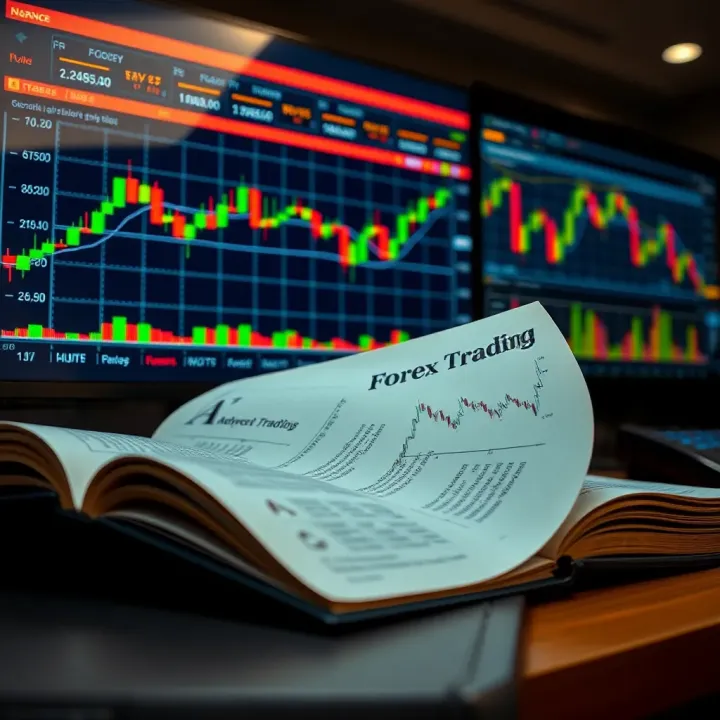
📚 Discover key books for mastering forex trading in Kenya. Learn market basics, risk management, and strategies to trade with confidence! 💹

📈 Discover how forex trading began centuries ago, evolving from simple currency swaps to Kenya's vibrant, tech-driven market today. Learn the history behind this global financial hub.
💹 Thinking of forex trading in Kenya? Learn how to pick top brokers, understand the market, manage risks, and shape smart strategies for steady profits.
Based on 9 reviews