
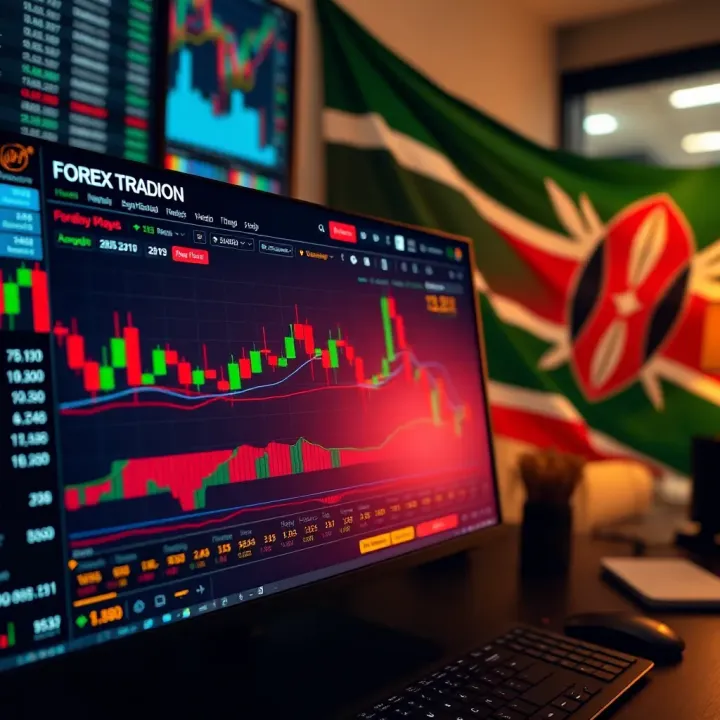
How to Open a Forex Trading Account in Kenya
Ready to trade forex in Kenya? Learn how to pick a licensed broker, gather the right documents, choose your account type, and fund with M-Pesa or bank transfer 📈💰
Edited By
Sophie Clarke
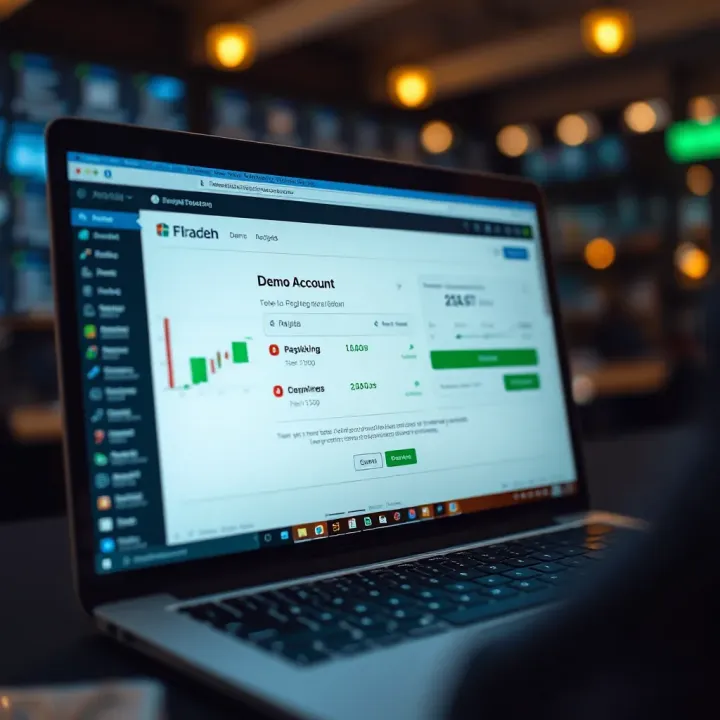
Opening a forex demo account is the first step if you want to get a real feel for currency trading without putting your money on the line. It's like a playground where you can try strategies and understand how the market moves using virtual cash. This hands-on experience is especially handy for new traders and even those looking to test new tools.
Before diving in, you should know that demo accounts replicate live trading conditions pretty closely, but they don't carry the emotional weight of risking your own cash. That makes them ideal for learning but not perfect for gauging how you might react under real stress.
Here are a few key points to keep in mind:
Broker Choice Matters: Not every broker offers the same demo experience. Look for one with a reliable platform, clear fees for live trading, and fair execution of trades. Some popular brokers like OANDA, FOREX.com, and IG provide free demo accounts with real-time prices.
Registration Is Simple: Usually, just an email and a few details get you started. Some brokers need extra info if you want a bigger virtual balance or access to advanced features.
Account Features: You should get access to real-time charts, various order types (like market, limit, and stop orders), and technical indicators. This helps you get comfortable with tools you’ll use live.
Virtual Fund Amount: Demo accounts typically come loaded with $10,000 to $100,000 in virtual money. Pick an amount that mimics what you intend to trade with later.
Practice Purpose: Use the demo account to explore how spreads, leverage, and margin calls work in practice. This helps avoid surprises when you move to real trading.
Remember, the whole point of the demo account is to get familiar with how forex markets behave and how your trading system holds up, without risking actual dollars.
Getting started is straightforward, but the smart move is to treat demo trading seriously. Track your trades, note what worked and what failed, then use that insight to build confidence before going live. This way, you'll know the tools and the market without ever risking your own cash right away.
Picking the right forex broker to open a demo account with can save you a lot of headaches down the road. Demo accounts are designed to mirror real trading conditions without risking actual money, so the broker's reputation, features, and technology matter a great deal. A solid broker lets you test strategies, understand execution speeds, and get comfortable with their platform. For example, choosing a broker known for unreliable execution or frequent downtimes will limit your ability to practice genuine market scenarios.
Researching industry standing starts with looking into how long the broker has been operating, what other traders say about them, and their overall market presence. A broker that has held a steady position in the industry for years with mostly positive reviews signals trustworthiness. On the other hand, brokers that pop up and vanish within a year or two can be risky, even if they offer snazzy demo accounts. For instance, reading user forums or watchdog websites can reveal if clients experience hidden fees or withdrawal delays.
Remember, a respected broker generally ensures the demo account conditions closely reflect those of live accounts.
Confirming regulatory compliance is another critical step. Regulated brokers must meet specific standards enforced by agencies like the Commodity Futures Trading Commission (CFTC) in the U.S., the Financial Conduct Authority (FCA) in the UK, or the National Futures Association (NFA). These rules provide a layer of protection, ensuring your demo trading experience won't be full of unfair surprises. Brokers operating without licenses might offer appealing perks but can expose you to unreliable pricing or poor trade execution.
Simulated market conditions are the backbone of any demo account. Look for brokers whose demo platforms use real market feeds or very close approximations. Some brokers use delayed prices or limited instruments, which won't prepare you for the fast-moving forex market. For example, if a demo account only updates every few seconds, practicing scalp trading strategies won’t be realistic.
Duration and reset options of demo accounts vary. Some brokers offer unlimited access, while others limit demo use to 30 days or less. Also, the ability to reset your demo balance back to a starting amount is useful for repeated practice without creating a new account. Imagine running out of virtual funds in a demo but having no way to reset – you’d have to start over, which wastes time and interrupts your learning flow.
Trading platforms available play a big role too. Many brokers offer popular platforms like MetaTrader 4 (MT4), MetaTrader 5 (MT5), or their proprietary software. You should pick a broker providing the platform you plan to use live. This helps you get familiar with order entry, charting, and available tools. Plus, having options like desktop, web, and mobile versions lets you practice trading on the go, matching your future real trading habits.
In short, picking a trustworthy broker with realistic demo features gives you the best shot at learning forex trading effectively without risking your own cash. Take your time comparing brokers on these points before jumping into demo trading.
Opening a forex demo account is more than just clicking a few buttons. You have to register and configure settings carefully to make the most of your practice. This phase lays the foundation for your trading experience without risking real money, so getting it right matters.
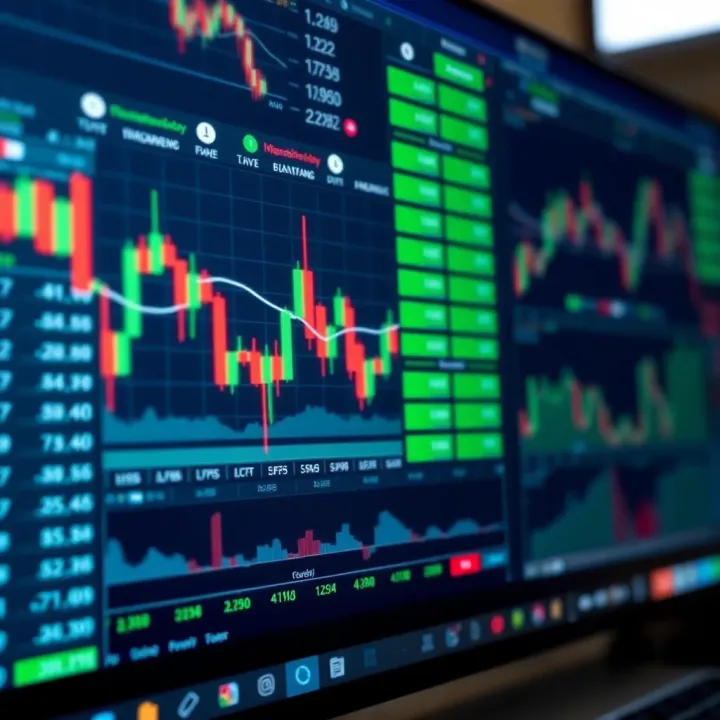
Most brokers require basic personal information like your name, email, phone number, and sometimes your country of residence. This isn't just bureaucratic red tape; it helps the broker comply with regulatory rules and tailor your demo experience. For example, brokers might customize available instruments based on your location. Providing correct details ensures smoother communication and uninterrupted access.
While many demo accounts let you skip full identity checks, some brokers ask for verification to prevent abuse or to introduce you to their platform's live environment later. This could mean submitting a photo ID or proof of address. Even for a demo account, it's wise to choose brokers that maintain verification processes — it signals a more trustworthy and regulated platform.
Your demo account's base currency sets the frame for all your trades and portfolio valuation. You might pick USD, EUR, or other major currencies depending on your preference or what you plan to trade later live. For example, if you're testing strategies for trading the EUR/USD pair, setting EUR or USD as your base currency helps keep your virtual profits and losses clear.
Demo accounts usually allow you to pick your starting virtual cash — say $10,000 or $100,000. This flexibility helps simulate different trading styles, from small-scale day trading to bigger swing trades. Choosing an amount close to what you'd invest live helps condition you to manage risk and position sizes realistically.
Leverage amplifies both potential gains and losses. Demo platforms let you select leverage ratios (e.g., 1:50, 1:100) to reflect real trading conditions. Picking the right leverage protects you from unrealistic risk appetite. Also, specify which instruments you'll practice with, such as major currency pairs, commodities, or indices, tailoring the demo experience to your trading goals.
Many brokers provide downloadable apps for desktops and smartphones. Installing these lets you practice wherever you are and provides full access to charting tools and order execution features. For example, MetaTrader 4 and 5 apps give traders functional demo environments identical to live versions, which helps build muscle memory.
If you prefer not installing software, web-based platforms offer instant access from any browser. These platforms typically offer basic trading functions and quick setup. They’re ideal for users trying out multiple brokers or those testing demo control without committing to an installation. However, some advanced features may be limited compared to desktop apps.
Setting up your demo account carefully is key to practicing under conditions that mirror real trading. From accurate personal info to choosing the right balance and leverage, each decision shapes how well you prepare for live markets.
By understanding and managing these setup steps, you create a demo environment that’s not only practical but also primary training for actual forex trading.
Diving into the core features of a forex demo account is essential for anyone looking to sharpen their trading skills without risking real money. These features let you experience the trading environment and tools you’d use with real funds, giving you practical insight into market behavior and how to manage your trades effectively.
Applying technical indicators is one of the most practical features of demo accounts. Indicators like moving averages, RSI (Relative Strength Index), and Bollinger Bands help traders identify trends or potential reversals. For instance, you might spot a moving average crossover signaling a shift in trend, letting you plan your entry or exit points better. Practicing with these makes you comfortable with when and how to act on such signals in live trading.
Reviewing historical price data can’t be overlooked either. Demo platforms usually offer access to past price movements, allowing you to analyze patterns or test strategies against real market conditions from previous months or years. This backward glance is crucial — by studying how the market reacted during major events, like economic reports or geopolitical news, you get a feel for price behavior and volatility without guessing blindly.
Understanding market orders vs. limit orders is vital for efficient trade execution. A market order executes immediately at the current price, useful when you want to enter or exit quickly. On the other hand, limit orders let you set a specific price to buy or sell, giving more control but no execution guarantee. The demo environment lets you try both types so you learn the trade-offs in a risk-free way.
Setting up stop-loss and take-profit orders is another key practice area. These help manage risk by automatically closing your trade at predefined loss or gain levels. For example, if you buy EUR/USD at 1.1000, a stop-loss at 1.0950 limits your loss to 50 pips, while a take-profit at 1.1100 locks in a 100-pip gain. Using these consistently in a demo account builds good habits before risking real capital.
Tracking profits and losses lets you measure how your strategies perform over time. The demo account keeps a record of all trades, including wins and losses, so you get a realistic sense of your trading results. This also helps identify mistakes or successes to refine your approach.
Finally, analyzing risk exposure is something many beginners miss but is easy to practice in a demo. It involves looking at how much of your virtual capital is on the line per trade and overall. For instance, risking 2% of your demo balance on one trade vs. 20% can lead to drastically different outcomes. Learning to balance risk early prevents big mistakes when moving to live trading.
Getting comfortable with these demo features not only builds skills but also confidence, setting the stage for smoother transitions to real forex trading.
Using a forex demo account is a solid step toward understanding trading without risking real money. But to really get the most out of your practice, you need to treat the demo experience seriously. Practicing this way helps you build skills, develop strategies, and get a feel for the market’s rhythm. Here’s how to make your demo sessions count.
Limiting Virtual Balance: It’s easy to get carried away when you start with an unrealistically high demo balance. Setting a virtual balance closer to what you plan to trade with in real life forces you to manage risk better and avoid habits that wouldn’t hold up under actual money pressure. For example, if you’re planning to start live trading with $1,000, setting your demo balance similarly trains you to allocate capital wisely.
Setting Realistic Trading Goals: Just throwing darts in the market during practice won’t cut it. Define clear goals such as the number of trades per day or target profit percentages. Realistic goals keep your focus sharp and measure your progress effectively. Say you decide to make three trades a day targeting a 1% gain each—this gives structure to your demo trading and mirrors the discipline needed for live markets.
Backtesting with Demo Data: Before putting any real money on the line, it’s smart to test your strategy on past market data using the demo account. This lets you see how your approach would have performed in different market conditions. For example, if your strategy involves moving averages, backtesting shows how it handled volatile swings or flat markets.
Adjusting Based on Outcomes: Demo trading isn’t just about following a plan; it’s about learning and tweaking it. When a strategy underperforms or doesn’t fit market behavior, adjust your rules or risk settings. For instance, if your stop-loss is consistently hit, tightening or widening it based on observations can improve outcomes before going live.
Emotional Differences vs. Real Money Trades: One key difference between demo and live trading is the emotional impact. Demo trading doesn’t trigger the same fear or greed since no real cash is at risk. This means your decisions might be more logical and less impulsive in the demo environment, which can lead to overconfidence.
Remember, trading real money involves stress and emotions that the demo account won’t fully replicate.
Transitioning to Live Accounts Carefully: Moving from demo to live requires a cautious approach. Start small with real money to feel the real pressure and market dynamics before increasing position sizes. Gradual transition helps maintain discipline and adapts your psychology to the stakes involved.
By keeping these tips in mind, your demo trading becomes more than just a practice round—it turns into a meaningful stepping stone on your road to successful forex trading.
Ready to trade forex in Kenya? Learn how to pick a licensed broker, gather the right documents, choose your account type, and fund with M-Pesa or bank transfer 📈💰

📉 Learn how forex trading lets you buy and sell currency pairs to profit from rate changes. Understand leverage, market players, and risks for trading wisely in Kenya.
🇰🇪 Find top forex brokers in Kenya! Compare fees, platforms, account types & regulation. Learn tips for safe, smart trading in Kenya's forex market 📈💼
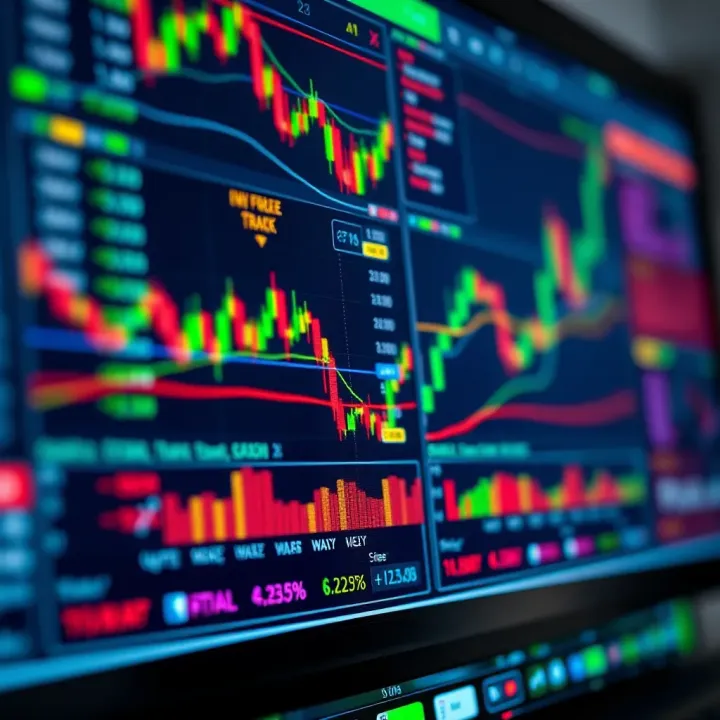
Find the best forex broker in Kenya by exploring key features, regulations, and trading conditions to protect your investments and avoid common mistakes 📈🇰🇪
Based on 11 reviews