
Managing Supply Chain Risks for Kenyan Businesses
Manage supply chain risks in Kenyan businesses with practical strategies, tech tools, and strong governance for smooth operations and resilience 🛠️🚚
Edited By
Emily Dawson
Supply chains in Kenya and across the region face a range of risks that can disrupt business operations and affect profitability. From transport delays caused by poor road conditions to sudden changes in import regulations, these risks can hit hard if not managed properly. Traders, investors, and analysts need to understand risk management as an essential part of keeping goods moving smoothly and businesses profitable.
Effective risk management starts with recognising what threats could affect the supply chain. These include external factors like political unrest, seasonal floods during the long rains, fluctuating fuel prices, and pandemics, as well as internal issues such as inventory mismanagement or supplier insolvency. A good example is how the 2017 West Kenya floods disrupted maize deliveries, causing price hikes and shortages in local markets.
Managing supply chain risks is not just about handling crises but building resilience that safeguards business continuity.
Once risks are identified, the next step is assessing their likelihood and potential impact. For instance, a supplier delay might affect one shipment but a port strike could hold back an entire container of goods for weeks. Applying a risk matrix helps prioritise which risks demand immediate action.
Practical strategies for mitigation include diversifying suppliers to avoid overreliance, investing in local sourcing to reduce cross-border complications, and engaging tech tools that track shipments in real time. Kenyan companies increasingly use WhatsApp groups and GPS tracking to monitor deliveries, which boosts response times when issues surface. Besides technology, collaboration with partners and authorities provides important early warnings and helps coordinate responses during disruptions.
In essence, managing supply chain risk within Kenya’s unique environment means blending modern solutions with on-the-ground knowledge — understanding seasonal weather patterns, government policy shifts, and local transport realities. When businesses approach these challenges proactively, they stand a better chance of maintaining steady supplies and satisfying customers, no matter the hiccups along the way.
Supply chains in Kenya and beyond face a variety of risks that can disrupt business flows. Understanding these risks helps businesses prepare and respond effectively. When traders and investors grasp the types of risks involved, they can tailor strategies to avoid losses and keep operations running without major hitches. For example, a manufacturer in Nairobi that understands logistics risks specific to the city’s traffic jams can better manage delivery schedules.
Operational risks involve problems that happen within daily processes. These include equipment breakdown, labour shortages, or IT failures. Consider a packaging machine breaking down at a Kenyan factory, leading to delays that ripple through the whole supply chain. Operational risks highlight the need for regular maintenance and a skilled workforce to avoid costly stoppages.
Financial risks affect the costs and liquidity of supply operations. Currency fluctuations, credit risks, or unexpected tariffs fall in this category. For instance, a producer importing raw materials might find their costs skyrocketing if the Kenya Shilling weakens against the US dollar, squeezing profit margins. Managing these risks calls for careful budgeting and sometimes financial hedging where possible.
External risks such as political and environmental factors refer to hazards outside a company’s direct control. Political unrest or sudden regulatory changes can disrupt imports or exports. Similarly, Kenya’s weather patterns can affect agricultural inputs and outputs, such as drought reducing maize harvest yields. Businesses must stay alert to government announcements and weather forecasts to adjust their plans in time.
Supplier and logistics risks arise from problems with vendors or transport services. A supplier failing to deliver critical components on time or a strike by matatu drivers delaying shipments are common examples. These risks highlight the importance of supplier diversification and maintaining good relationships with transport providers.
Loss of revenue and increased costs hit businesses directly when supplies fall short or production halts. A retailer unable to stock key products loses sales, while a manufacturer pausing output pays fixed costs without income. Repairing disruptions often means paying premium prices for replacement parts or express shipping, adding to expenses.
Damage to reputation and customer relations happens when delays or shortages become frequent. Customers may turn to competitors if deliveries are unreliable. For example, a Kenyan supermarket that repeatedly runs out of staple items like cooking oil risks frustrating shoppers and losing loyalty.
Effects on production and delivery schedules disrupt the smooth flow of goods. Manufacturing lines may be forced to slow or stop, and deliveries become erratic. This not only increases operational costs but also damages partnerships down the supply chain, such as retailers depending on timed stock replenishment.
Effective risk management starts with recognising these potential threats clearly. Being prepared enables businesses to keep their promise to customers and maintain steady revenue streams.
Understanding risk types and their impact equips traders, investors, and analysts with practical knowledge to design focused risk management approaches suitable for Kenya's unique market environment.
Identifying and assessing risks within the supply chain is fundamental for any business aiming to stay competitive and resilient. Without knowing where vulnerabilities exist or how severe potential disruptions could be, a company cannot make informed decisions or prepare appropriately. This process shines a light on weak spots before they escalate, which ultimately saves resources and protects reputation.
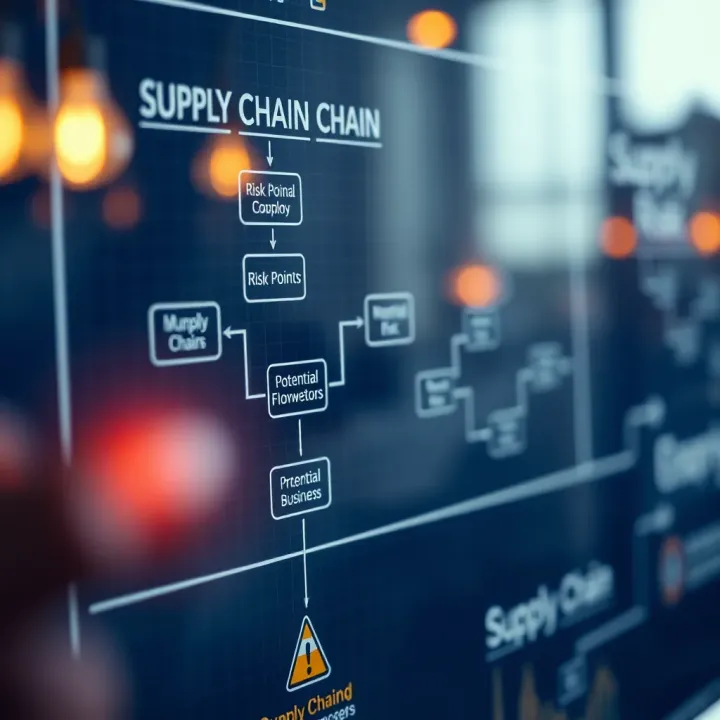
Mapping the supply chain requires creating a detailed outline of all components involved—from raw material sources to final delivery points. For example, a Kenyan exporter of fresh produce might map every step, including farmers in Naivasha, transport routes through Nairobi, cold storage facilities, and customs clearance points for shipments abroad. This visualisation helps spot bottlenecks or dependencies on single suppliers that could become risks if disrupted.
Consulting stakeholders and suppliers involves engaging partners across the supply chain to gather insights about possible threats. Those on the ground often observe issues early. A logistics provider in Mombasa might highlight challenges with port congestion or paperwork delays that a manufacturer in Nairobi would otherwise overlook. These conversations reveal practical challenges and build a shared understanding that aids risk management.
Reviewing historical data and trends gives evidence-based insight into past interruptions or slowdowns. A retailer could analyse KCSE season sales patterns to adjust inventory based on previous supply delays during festive seasons. Similarly, reviewing weather patterns or transport strike records can inform how climate or industrial actions have affected deliveries before, allowing better forecasting and planning.
Qualitative versus quantitative assessment balances expert judgment with measurable data. Qualitative assessments might include risk workshops where teams estimate likelihood and effects based on experience. Quantitative methods, on the other hand, use numbers—such as calculating financial losses from late shipments. For example, a Nairobi-based electronics importer could estimate the financial hit of a two-day delay versus a week-long disruption to compare risks more objectively.
Risk probability and impact analysis separates risks by how likely they are to occur and their possible consequences. A low-probability but high-impact event like political unrest around election periods demands different attention compared to frequent but minor supplier delays. This distinction helps companies allocate resources effectively, focusing more on risks that pose the greatest threat to business continuity.
Prioritising risks based on business objectives ensures that mitigation efforts align with what the company values most. For instance, a firm prioritising customer satisfaction will give more weight to delivery speed disruptions, while one focused on cost reduction might concentrate on supplier financial instability. This targeted approach makes risk management practical and aligned with overall strategy.

Clear identification and proper assessment of supply chain risks empower businesses to act wisely, rather than react to crises after they hit.
By applying these techniques, Kenyan businesses in sectors ranging from agriculture to retail can better understand their exposure and plan accordingly, reducing shocks and maintaining steady operations.
Managing risks in the supply chain involves practical strategies that reduce vulnerabilities and ensure smooth operations. This is especially crucial in Kenya, where factors like infrastructure challenges, regulatory changes, and political events can disrupt supply chains. Using targeted risk management strategies helps traders, investors, and business analysts protect their investments and maintain steady supply.
Diversifying suppliers and sourcing locally is a key way to reduce dependency on a single source or foreign suppliers prone to delays. For example, Kenyan tea exporters who also work with small-scale farmers in different counties avoid total loss if one region faces drought or transport strikes. Sourcing locally cuts lead times and reduces exposure to customs delays, currency fluctuations, or global shocks.
Building inventory buffers and safety stock means holding extra supplies beyond usual demand to cushion against unexpected disruptions. A retailer in Nairobi might keep an additional two weeks’ worth of stock, especially during political season when transport may stall. While carrying extra inventory ties up capital, it prevents costly stockouts that hurt revenue and reputation.
Implementing contingency plans involves preparing clear responses to likely risks such as supplier failure or natural disasters. A manufacturer in Mombasa may arrange alternative transport routes or quick supplier switches if port congestion occurs. Contingency plans must be realistic and tested to avoid paralysis during a crisis; this foresight ensures continuity even when things go sideways.
Partnering with suppliers and logistics providers strengthens the supply chain's resilience. When businesses keep open, honest communication with their suppliers—like a flower exporter coordinating with cold storage providers—they can quickly adapt to delays or quality issues. Collaboration fosters problem-solving beyond contracts, turning suppliers into allies.
Regular updates and information sharing keep all parties aligned and aware of changing conditions. For instance, a supermarket chain using weekly digital reports from suppliers can prepare in advance for stock shortages or transport breakdowns. This transparency reduces surprises and allows quicker decision-making throughout the chain.
Strengthening relationships through trust makes a huge difference in managing risks. Trust encourages partners to share warnings early and support one another during tough times. Kenyan SMEs that invest time cultivating trust with their logistics firms often get priority service when capacity is tight, a practical advantage when every hour counts.
Sustainable risk management depends not just on plans but on strong partnerships and flexible approaches adapted to real local conditions.
Together, these strategies provide a solid foundation for businesses navigating Kenya's complex supply environment. Practical application of mitigation, combined with open collaboration, helps secure the chain from common shocks and keeps goods moving efficiently.
Technology plays a significant role in managing risks within supply chains, especially as businesses face increasing uncertainties. In Kenya's context, where logistics and infrastructure can be unpredictable, digital tools help companies monitor operations in real time and respond quickly to disruptions. Employing appropriate technology enables better visibility, smarter forecasting, and more efficient workflows, ultimately reducing losses and boosting resilience.
Tracking systems provide real-time data on the movement of goods and resources along the supply chain. For example, transport companies in Nairobi use GPS devices to monitor matatus and delivery trucks, ensuring that products reach their destination on time. These systems also detect delays or diversions early, enabling companies to reroute consignments or notify customers immediately.
Apart from vehicles, Kenyan manufacturers rely on temperature and humidity sensors in cold chain logistics to guarantee freshness, especially for perishable goods like fresh produce and dairy. This monitoring reduces spoilage risks, which can otherwise cause significant financial loss.
Analysing historical and current data helps firms predict potential risks such as demand fluctuations, supplier delays, or adverse weather that might affect transport. Retail chains in Kenya increasingly use sales trends combined with weather data to anticipate stock requirements, especially during the rainy season when rural access roads often become impassable.
Data analytics also assists in identifying weak points in the supply chain by flagging suppliers or routes with frequent delays or quality issues. This insight supports management to make proactive decisions, like shifting to more reliable suppliers or adjusting lead times to cushion against potential disruptions.
Automated systems simplify inventory tracking by updating stock levels in real-time, reducing human errors that commonly cause discrepancies. For instance, supermarkets such as Naivas and Carrefour Kenya use automated stock management integrated with sales points to reorder goods promptly.
Automation also accelerates order processing and reduces the risk of overstocking or stockouts, which can stall production or sales. By having accurate, up-to-date information, businesses can maintain optimal inventory levels and improve cash flow management.
Adopting advanced technology in supply chain risk management often requires significant investment, which can be a barrier for smaller Kenyan businesses. Infrastructure such as reliable internet and power supply sometimes remains inconsistent outside major urban centres, limiting the effectiveness of digital tools.
Moreover, some solutions might not be affordable or suitable for all companies. Choosing the right technology—scalable and tailored to specific needs—is crucial to avoid wasted resources.
Implementing new systems demands staff training to ensure smooth adoption and maximise benefits. Many Kenyan firms face challenges finding employees with the necessary technical skills in data analytics or system management.
In addition, ongoing refresher courses are vital because technology platforms regularly update features. Partnering with local training providers or tech companies can help bridge this skills gap effectively.
Increased reliance on digital platforms exposes supply chains to cyber threats like data breaches or ransomware attacks. Kenyan businesses must prioritise cybersecurity measures, including firewalls, secure authentication, and regular system audits.
Failure to safeguard supply chain data can disrupt operations and damage company reputation. Hence, investing in cybersecurity is not just precautionary but essential for maintaining business continuity in a connected environment.
Practical technology adoption in Kenyan supply chains enhances visibility, prediction, and responsiveness, but it must be balanced with careful cost management, staff capability building, and robust security practices to truly manage risks effectively.
Using case studies and practical examples from Kenya gives real-world context that sharpens understanding of supply chain risk management. When risk factors are illustrated with actual Kenyan experiences, traders, investors, and analysts can better grasp the local challenges—whether it is disruptions caused by strikes or adverse weather—and formulate relevant strategies. This Kenyan perspective avoids generic talk and shows how businesses have navigated familiar obstacles.
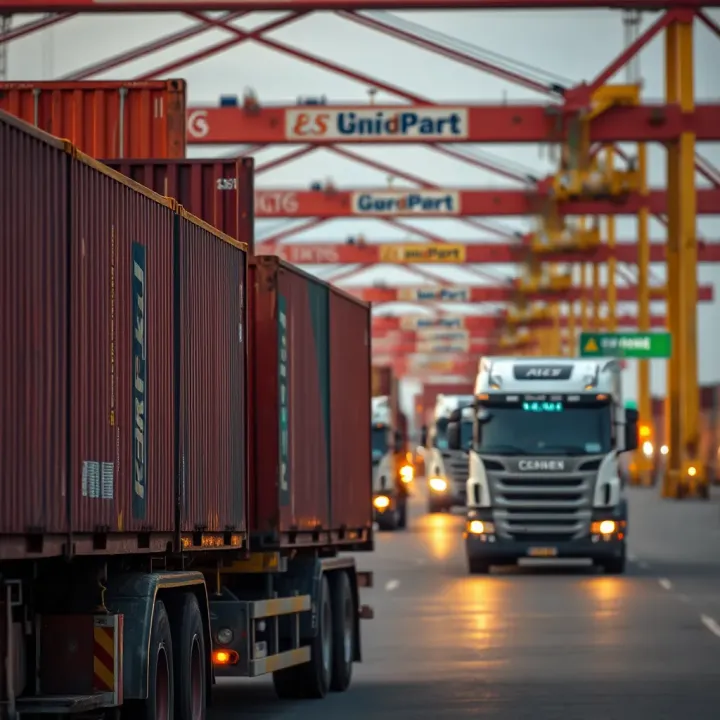
Transport strikes, especially those involving matatu and truck drivers, frequently disrupt supply chains in Kenya. When drivers halt service to demand better conditions or protest regulatory changes, goods often fail to arrive in towns on time. For example, during a strike in 2022, fresh produce from Eldoret to Nairobi struggled to reach supermarkets, forcing traders to raise prices or pull these items entirely from shelves. This hits both consumers and retailers hard, reducing availability and causing losses.
Such transport strikes underline the fragility of relying on a single mode or route for deliveries. Businesses that work closely with logistics providers or diversify transport options lessen the risk of sudden stockouts.
Weather irregularities, especially following the long rains, routinely disrupt Kenyan agricultural supply chains. Flooded roads in regions like Kisumu cut off access to key markets, while droughts hit crop yields in arid counties like Turkana. These conditions delay harvesting and transport, leading to spoilage and reduced farmer incomes.
Farmers and buyers have started using mobile platforms for weather updates and coordinating collection points closer to production areas, reducing transit times. Forward contracts and warehouse receipts also help stabilise supply despite uncertainty. This highlights the need for proactive measures that fit local seasonal patterns.
Regulatory shifts, such as new taxes or import restrictions, directly affect supply chain costs and operations in Kenya. For instance, sudden changes in VAT rates or new labeling requirements force manufacturers and importers to alter pricing or packaging, sometimes overnight. This causes delays as companies adjust processes and seek compliance.
The introduction of stricter county-level bylaws on food hygiene and transport has further complicated cross-county movement of goods. Navigating these requires constant monitoring of official communications and engaging policy experts.
Kenyan manufacturers balance risk by localising some of their supply chains and holding safety stock. For example, a Nairobi-based plastics producer sources raw materials not only from Mombasa port but also locally where possible, reducing reliance on imported inputs vulnerable to delays.
Additionally, manufacturers invest in staff training and machinery maintenance to reduce operational breakdowns that cause costly stoppages. Some have strengthened ties with suppliers through contracts that include contingency clauses.
Importers and retailers have turned to multiple suppliers spread across different countries or regions to shield from geopolitical risks and shipping delays. East African retailers like Naivas and Carrefour have enhanced cold chain logistics and invested in forecasting tools to better match stock with demand fluctuations during disruptions.
Retailers also use flexible payment solutions such as M-Pesa and supplier credit schemes to manage cash flow pressures when supply is interrupted.
Technology adoption has become a cornerstone for risk management in Kenyan small and medium enterprises (SMEs). Many use digital inventory systems and mobile apps that track shipments in real time, enabling quicker responses to delays.
For instance, SMEs involved in exporting tea and flowers tap platforms such as iTax and eCitizen for documentation to avoid last-minute clearance hurdles. Digital payments and communication tools also enhance transparency and trust across the supply chain.
Integrating practical examples from Kenya reveals direct lessons and workable tactics that firms can adopt, making risk management more than just theory.
This local adaptation ensures businesses remain competitive despite the ups and downs of the supply chain environment unique to Kenya.
Manage supply chain risks in Kenyan businesses with practical strategies, tech tools, and strong governance for smooth operations and resilience 🛠️🚚
📊 Learn how to manage risks in projects effectively by identifying, assessing, and controlling threats while seizing opportunities, tailored for Kenya's business setting.

📊 Learn how binary trading works in Kenya, explore practical strategies, understand risks, and get tips for beginners aiming to trade smart and safe.

📊 Explore binary trading in Kenya with insights on its legal status, top platforms, risks, and smart tips to trade safely and effectively in 2024.
Based on 6 reviews