

Is Forex Trading Profitable for Kenyan Traders?
Thinking of forex trading in Kenya? 📊 Discover real profit potential, risks, smart strategies, leverage impact, and how to avoid common mistakes for better KSh gains.
Edited By
Ethan Walker
Forex trading in Kenya has become increasingly popular among individuals looking to grow their savings or generate a steady income. However, success in this market requires more than just placing random trades. Kenyan traders need to combine solid understanding of forex basics with disciplined strategies and smart risk management.
The first step is knowing that forex involves trading currency pairs, like USD/KES or EUR/USD, where profitability depends on the direction and timing of price movements. To maximise returns, traders should rely on both technical analysis and economic indicators relevant to the countries behind those currencies. For example, knowing when the Central Bank of Kenya (CBK) announces policy shifts or watching global events that impact the US dollar can directly influence trade outcomes.

Another vital aspect is adopting practical strategies tailored to personal trading styles. Some Kenyan traders prefer day trading to quickly capitalise on short-term price swings, while others might use swing trading to catch trends lasting several days. Whichever approach, tools like stop-loss orders protect against unexpected market moves – especially critical given forex volatility.
Risk management is not optional; it’s what separates sustainable traders from those who lose their capital fast.
Local considerations also come into play. Many platforms offer direct M-Pesa integration, making deposits and withdrawals convenient. However, always ensure the broker is regulated by bodies like the Capital Markets Authority (CMA) Kenya to avoid scams. Knowing your broker and payment methods reduces worries about cash flow and allows focus on trading performance.
By blending market knowledge, tested trading tactics, and awareness of local trading conditions, Kenyan forex traders can boost the chances of steady profits. The following sections will explore these areas in detail to equip you with practical insights that matter most in Kenya’s forex environment.
Grasping the fundamentals of forex trading is essential for anyone aiming to profit in currency markets. Without a solid foundation, even the best strategies can flounder. Understanding what forex trading entails, how profits arise, and the key terms involved equips you to make smarter decisions rather than relying on guesswork or hearsay.
Forex, or foreign exchange trading, involves buying and selling currencies from different countries on a global market. Unlike stock markets, the forex market operates 24 hours a day except weekends, meaning traders can react quickly to news from anywhere in the world. For example, a Kenyan trader might buy the US dollar against the Kenyan shilling (USD/KES) anticipating the dollar will strengthen during a period of US economic growth.
Forex markets function through currency pairs, where one currency is exchanged for another. Traders profit by correctly predicting the rise or fall of a currency’s value against its counterpart. This dynamic makes forex trading both accessible and fast-paced, a stark contrast with more traditional investments like real estate.
Profits in forex come from the difference between the buying and selling price of a currency pair, known as the "spread" or through price movements after entry. If you buy USD/KES at 110.00 and sell when it reaches 111.00, you earn a profit from that 1.00 difference per unit.
Leverage plays a big role in amplifying profits, but it also increases risk. For instance, Kenyan brokers typically offer leverage ranging from 1:10 up to 1:100. This means a KSh 10,000 deposit can control a position worth much more, boosting potential gains—or losses. Prudent use of leverage and timing market entry carefully can significantly improve results.
Another way profits arise is through quick trades taking advantage of small price changes, often called scalping. Equally, longer term positions aim to capitalise on broader economic trends, such as changes in Kenya’s inflation affecting the shilling.
Before placing trades, knowing the common terms is a must. Here are some key ones to keep in mind:
Pip: The smallest price movement in a currency pair, often 0.0001 for major pairs.
Spread: The difference between the bid (selling) and ask (buying) price charged by brokers.
Leverage: Using borrowed funds to increase trading position size.
Lot: The unit size of a trade, usually standard lots equal 100,000 units of currency.
Long/Short Position: Buying (long) expecting a currency to rise or selling (short) expecting it to fall.
Margin: The deposit required to open a leveraged position.
For example, when trading the EUR/USD pair, a Kenyan trader should understand how pip movements translate to actual profit or loss depending on their position size and leverage. Getting familiar with these terms helps avoid confusion and improves confidence when evaluating market moves.
Good forex trading starts with basics firmly in place. Without clear understanding, traders risk losing capital quickly, especially in markets as fast and flexible as forex. Being clear on what the market involves, how gains are made, and the language used paves the way for more strategic, profitable trading.
With this foundation, Kenyan traders are better placed to explore strategies, risk management, and local considerations discussed in later sections.

When trading forex, recognising the factors that influence profit is crucial for making smart decisions. Different elements affect the fluctuations of currency pairs, and understanding these drivers helps Kenyan traders anticipate market movements to secure profitable trades.
Market volatility refers to the speed and magnitude at which currency prices change. High volatility means prices swing widely within short periods, offering more chances to make significant profits. However, it also carries higher risks of loss. For instance, during Kenya's election months, the shilling tends to show increased volatility due to political uncertainty, affecting related forex pairs like USD/KES. Traders who spot this volatility early can exploit price swings but must be ready with sound risk management strategies.
Not all currency pairs offer the same profit opportunities. Major pairs like EUR/USD, GBP/USD, and USD/JPY are popular due to their liquidity and narrower spreads. However, for Kenyan traders, pairs involving the KSh—such as USD/KES or EUR/KES—can be attractive, especially when global or local economic events impact them sharply. Exotic pairs like USD/ZAR or USD/NGN might offer higher returns due to larger spreads and volatility, but they also come with greater risk and less liquidity. Balancing between stability and profit potential is essential for a sound trading approach.
Timing plays a key role in maximising forex profits. Different trading sessions (Asian, European, and American) vary in activity and volatility. For example, the overlap between London and New York sessions often brings high trading volumes and price movements. Besides timing, economic indicators such as inflation rates, GDP reports, and central bank decisions directly influence currency values. In Kenya, announcements from the Central Bank of Kenya on interest rates significantly move USD/KES pairs. Keeping a close eye on economic calendars and knowing when to trade around these reports can give traders an edge.
Mastering these factors helps Kenyan forex traders act decisively, reduce unnecessary risks, and spot high-return opportunities. Always combine these insights with a clear strategy and proper money management to protect your capital.
By staying informed about market volatility, selecting the right currency pairs, and timing trades based on economic data, you stand a better chance of growing your forex profits responsibly and sustainably.
Creating a solid trading strategy is a cornerstone for forex traders aiming to make consistent profits. Without a clear plan, traders often react emotionally to market swings, which can lead to losses. A well-thought-out strategy helps you understand when to enter or exit trades, manage risks better, and stick to disciplined decision-making. For Kenyan traders, adapting strategies to local market conditions, such as currency volatility influenced by regional economic reports or political events, can make a noticeable difference.
Technical analysis involves studying historical price data and chart patterns to predict future currency movements. Tools like moving averages, Relative Strength Index (RSI), and Fibonacci retracements are popular among traders worldwide. For example, if USD/KES shows a support level around KS10, a trader who spots repeated bouncing at this point may decide to buy near that level anticipating the price will rise again. Using technical analysis enables quick decision making, especially during Nairobi’s active trading hours when liquidity is higher. Software platforms like MetaTrader 4 or TradingView provide user-friendly charting tools accessible even on mobile, which Kenyan traders can utilise effectively.
Fundamental analysis looks at economic indicators, political events, and news to gauge a currency’s strength. Kenyan traders tracking the Central Bank of Kenya's monetary policy announcements, inflation rates, or export data can anticipate how the Kenyan shilling might move against other currencies. For instance, if inflation surges unexpectedly, it could weaken the KSh, creating a sell opportunity on USD/KES. Keeping abreast with global developments—like US Federal Reserve interest rate changes—affects major pairs involving the USD and can influence your trades. Fundamental analysis requires patience, but combined with technical signals, it helps form a balanced view.
Different trading styles suit different personalities and goals. Day trading involves making multiple trades within a single day, ideal for those who can monitor markets constantly. Swing trading, holding positions for several days, may suit traders with other jobs or commitments. Kenyan traders might prefer swing trading to avoid the strains of watching the market non-stop, especially when managing hawkers’ business or family responsibilities. Position trading takes an even longer view, focusing on weeks or months, best for those looking to capitalise on economic trends. Choose a style that fits your time availability, risk appetite, and financial objectives to improve long-term success.
Regularly review and adapt strategies based on performance. What works during Kenya’s election season or tourist peak years may shift in quieter times. Being flexible, yet systematic, will keep your trading profitable.
By developing and refining your trading strategies around these elements, you’ll build confidence and improve your chances of generating steady forex profits. Always remember, strategy without discipline is like a car without fuel—it won't take you far.
Risk management is the backbone of sustainable forex trading. Without it, even the best strategies can lead to heavy losses, especially given the volatile nature of currency markets. For Kenyan traders, managing risks carefully helps protect capital and ensures steady growth over time rather than chasing quick, unpredictable gains. Successful traders often say it’s not just about how much you make but about how much you don’t lose.
Setting stop-loss and take-profit orders is a practical way to control risks and lock in profits. A stop-loss order automatically closes a trade if the price moves against you beyond a set limit, preventing excessive losses. For example, if you buy USD/KES at 110 and set a stop-loss at 109, your position closes if the price drops to 109, capping your loss.
Similarly, a take-profit order closes the trade when it reaches a desired profit level, so you don’t give back gains if the market reverses unexpectedly. For instance, if you aim to profit at 112, setting a take-profit there helps secure those earnings without having to monitor the market continuously. Both tools encourage disciplined trading and reduce emotional decisions under pressure.
Leverage lets you control a larger trade size with smaller capital, but it’s a double-edged sword. Many Kenyan traders get tempted to use high leverage since it magnifies potential profits, but it equally amplifies losses. A prudent approach is to use moderate leverage — for example, 1:10 or 1:20 — depending on your risk appetite and experience.
Using excessive leverage without proper risk controls has caused many traders to wipe out their accounts quickly. For instance, a sudden 1% adverse move with 1:100 leverage could eliminate your capital. Start small, increase leverage slowly, and always know the maximum you’re willing to lose per trade to keep your risk manageable.
Many traders fall into pitfalls that erode profits. Overtrading, where you place too many trades to chase losses, is common and quickly eats capital. Trading without a plan or ignoring risk management rules often leads to emotional decisions.
Another mistake is neglecting to update strategies according to market conditions. Forex markets change with economic news and policy shifts, so staying informed and adapting your approach is vital. Also, relying solely on tips or rumours without solid analysis is risky. Keep a trading journal to review decisions and learn from past errors, which helps refine your process over time.
Practising disciplined risk management is what separates consistent Kenyan forex traders from those who burn out fast. Protect your capital first, grow steadily later.
Together, these risk management measures help protect and grow profits by reducing exposure to unpredictable market swings and encouraging a clear, controlled trading routine.
Kenyan forex traders face unique challenges and opportunities that make practical considerations vital for successful trading. Beyond understanding market trends and strategies, traders in Kenya must navigate local realities such as payment systems, regulatory frameworks, and broker reliability. These factors directly affect how smoothly one can trade and how much profit is ultimately realised. For instance, a good broker combined with accessible payment methods like M-Pesa makes trading nimble and cost-effective.
Picking a trustworthy broker is the first big step. Many global brokers serve Kenyan clients, but not all operate fairly or comply with local rules. Look for brokers regulated by recognised bodies like the Capital Markets Authority (CMA) Kenya, or internationally respected regulators. A broker regulated by CMA, for example, shows it meets minimum standards of transparency and financial security.
Also, check the platforms brokers offer. MetaTrader 4 and MetaTrader 5 are popular globally and preferred by many Kenyan traders for their user-friendly tools and robust charting features. Avoid new platforms with little reputation, which might lack security. You want a smooth execution of trades to avoid costly delays or slippage.
A key practical consideration is how you fund your trading account and withdraw profits. M-Pesa remains the most reliable and accessible mobile money platform in Kenya, widely accepted by brokers that support Kenyan clients. The ability to deposit and withdraw via M-Pesa saves time and reduces extra fees from bank transfers or international payment methods.
Besides M-Pesa, some brokers accept bank wire transfers, credit cards, and other mobile money platforms like Airtel Money, though availability varies. Ensure the broker you choose offers payment methods that suit your convenience and cost preferences. Being able to quickly top up an account after spotting an opportunity can make the difference between catching a good trade or missing out.
Kenyan traders must understand the regulatory landscape which affects both trading and taxation. The Capital Markets Authority (CMA) oversees forex trading activities to protect investors and promote fair practices. Trading with unregulated brokers risks losing funds and violates local laws.
On taxes, profits from forex trading are usually considered part of business or personal income and must be declared to the Kenya Revenue Authority (KRA). Traders should keep proper records of trades, gains, and losses. Using iTax and the KRA PIN system helps report forex earnings correctly. Failure to declare profits could lead to penalties.
Staying compliant with Kenya’s regulations and understanding tax obligations is as important as mastering trading strategies.
By focusing on trusted brokers, using convenient local payment methods like M-Pesa, and following regulatory rules, Kenyan forex traders can protect their investments and boost their chances of steady profit growth.
Thinking of forex trading in Kenya? 📊 Discover real profit potential, risks, smart strategies, leverage impact, and how to avoid common mistakes for better KSh gains.
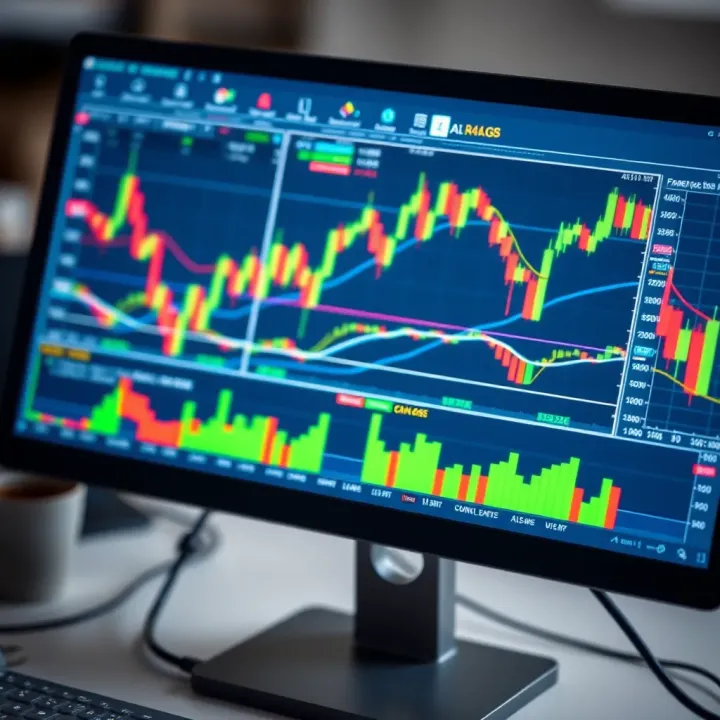
Learn how to trade forex in Kenya confidently with practical steps on choosing brokers, managing risks, opening accounts, and expert tips for success 📈💼

💹 Thinking of forex trading in Kenya? Learn how to pick top brokers, understand the market, manage risks, and shape smart strategies for steady profits.

📈 Master forex trading with strategies tailored for Kenyan traders. Learn market analysis, risk management, and develop a plan that suits your goals and risk level.
Based on 7 reviews