
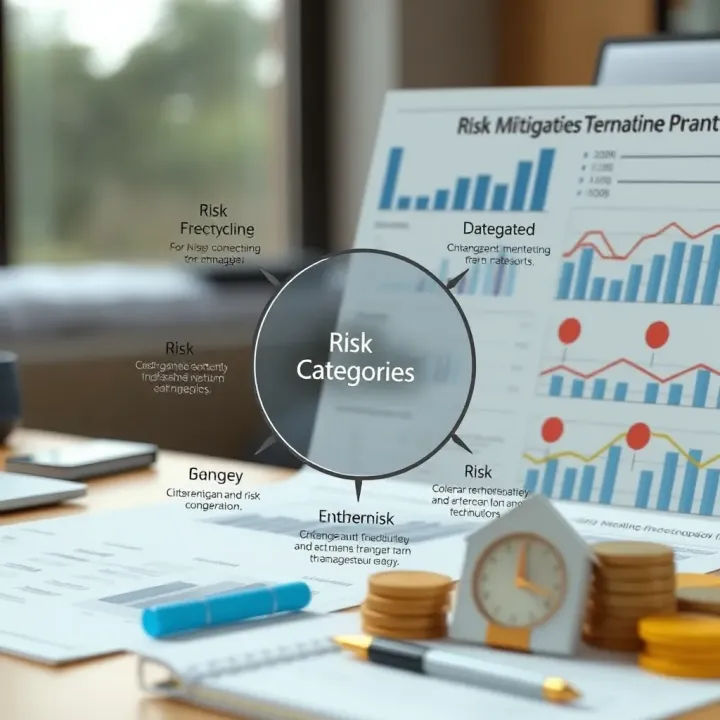
Understanding Risk Management in Kenya
📊 Learn how to identify, assess, and control risks that affect your business or personal finances in Kenya. Practical steps and tools to manage uncertainty effectively.
Edited By
James Mitchell
Risk management has become a key skill set for anyone involved in Kenya’s economic activities. Whether you’re a trader handling fluctuating market prices, an investor weighing potential gains against losses, or an analyst assessing threats that could impact business stability, solid risk management knowledge is essential. This demand has led to an uptick in specialised training courses tailored to Kenyan market realities.
Many institutions across Kenya now offer risk management education, from certificate programmes at technical colleges to diploma and degree courses at universities. Such programmes cover practical areas like financial risk, operational risk, market volatility, and legal compliance, reflecting the diverse challenges faced in sectors like banking, agriculture, insurance, and investment.
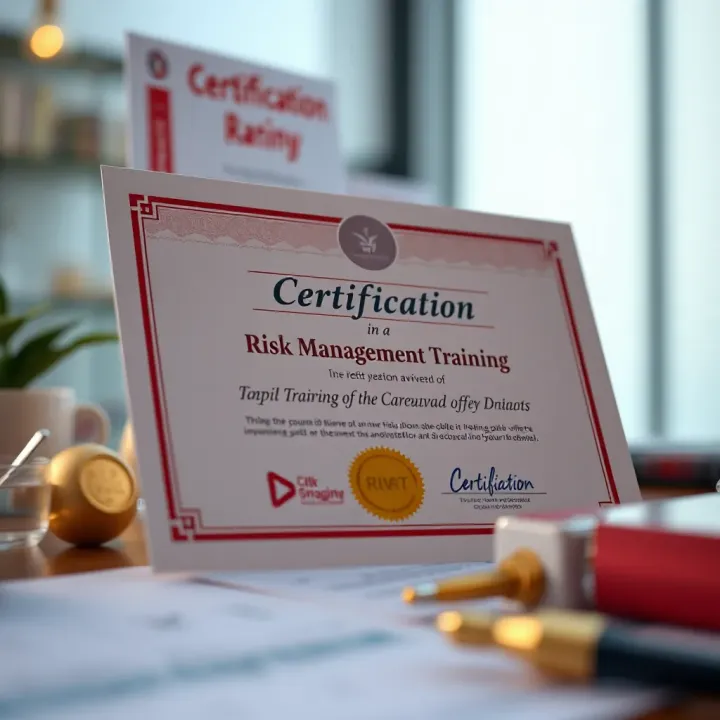
Proper risk management isn’t just about avoiding loss; it’s about making informed decisions and positioning your enterprise or career to handle uncertainties confidently.
Training courses often include modules on risk identification, assessment techniques, mitigation strategies, and regulatory frameworks governed by bodies like the Capital Markets Authority (CMA) and the Central Bank of Kenya (CBK). These are vital for compliance and for navigating Kenya’s evolving business environment.
Among the opportunities these courses offer are:
Enhanced career prospects in financial institutions, insurance firms, and corporate organisations
Skills in using risk analysis tools and software, which are increasingly in demand
Understanding compliance requirements specific to Kenyan law
Preparation for professional certification, such as the Certified Risk Manager (CRM) or risk modules in the Association of Chartered Certified Accountants (ACCA) syllabus
Costs and durations vary widely. For example, short courses may last a few weeks and cost around KSh 20,000 to KSh 50,000, while diploma or degree programmes spread over years could cost upward of KSh 200,000. The right choice depends on your current level, budget, and professional goals.
This article will offer a practical guide to the types of risk management courses available, where to find reliable institutions, and how to select a course that fits both your ambitions and the Kenyan market’s needs.
Risk management is about identifying, analysing, and responding to potential hazards that could disrupt businesses or projects. In Kenya, where the economy is diverse and sometimes unpredictable, managing risk well is key to staying afloat and growing. This section explains why understanding risk management matters, especially for traders, investors, and analysts who need to make solid decisions amid uncertainties.
Risk involves situations with possible negative outcomes, while uncertainty refers to unknown factors about the future. In Kenya, small-scale farmers might face risks such as sudden drought or pest outbreaks, showing how natural elements introduce uncertainty. Without managing these risks, they may lose crops and income. Understanding these concepts helps businesses prepare rather than react to problems after they happen.
Risk management offers a framework to weigh options carefully. For example, an investor considering a new manufacturing plant in Nairobi will use risk analysis to assess costs, market demand, or regulatory changes. By forecasting potential setbacks and planning responses, the investor can decide whether the opportunity is worth it or if adjustments are needed. This reduces guesswork and improves confidence in business choices.
Kenya's agriculture sector frequently faces climate risks such as erratic rains affecting maize yields. Financial institutions deal with credit risk when borrowers fail to repay loans, impacting lending strategies. Manufacturing suffers from supply chain disruptions, like delays in imported raw materials due to port congestion. Identifying these sector-specific risks enables targeted management approaches that minimise losses and maintain productivity.
Kenya's growing economy, with expanding industries and rising foreign investment, means more complex risks. Fluctuating global commodity prices impact exporters, while currency swings affect import costs. Moreover, the informal
Kenya offers a wide range of risk management courses tailored to different career stages and learning needs. These courses are essential for those looking to master risk concepts, from quick skill upgrades to deep dives into insurance and enterprise risk management. Understanding these options helps you identify the right path that matches your goals and schedule.

Short courses in risk management typically last a few days to a few weeks. They cover practical topics such as risk identification, assessment techniques, mitigation strategies, and regulatory compliance. For example, a short course might teach how to assess credit risk in Kenyan banks or manage operational risks in agricultural supply chains. These programmes are designed to be concise but packed with actionable knowledge.
Several institutions, including the Institute of Risk Management Kenya (IRMK) and industry-specific training centres, offer these short courses. Many private organisations also run specialised workshops focused on areas like financial risk or cyber risk, allowing learners to choose based on interest. These institutions usually provide flexible schedules to accommodate busy professionals.
Short courses suit those currently employed who want to boost skills without interrupting their jobs. The format allows learners to balance work and study, often including evening or weekend classes. For example, risk officers in Nairobi banks can upgrade their qualifications quickly without taking long leaves. This flexibility makes short courses a popular choice for career advancement.
Diploma programmes typically take one to two years and delve deeper into risk theories, insurance principles, and management frameworks. They provide a solid foundation for someone entering the field or working as an assistant risk analyst. For instance, a diploma might cover Kenyan insurance laws alongside risk control methods pertinent to local industries like manufacturing or transport.
Many universities offer bachelor’s and master’s degrees with specialisations such as enterprise risk management, financial risk, or project risk management. These courses combine theory with case studies relevant to Kenya’s economy. For example, students might analyse risk factors facing Nairobi’s real estate market or design risk mitigation strategies for renewable energy projects.
Public universities like the University of Nairobi and Kenyatta University provide accredited risk management programmes. Other institutions such as Strathmore University also offer recognised courses with strong industry links. Choosing an accredited institution ensures that the qualification is respected by employers and professional bodies, which is crucial for career credibility.
Whether you aim to quickly sharpen your risk management skills or pursue a full professional qualification, Kenya’s course offerings provide practical, relevant options. Selecting the right type depends on your time, budget, and career objectives.
Selecting the right training provider is a key step in gaining practical risk management skills that truly match the Kenyan business environment. The choice affects not only the quality of education but also recognition by employers and professional bodies. When aiming to build a career or enhance your firm’s capacity, you want programmes that combine solid theory with locally relevant practice and strong certification. Kenyan institutions vary widely, so knowing what each offers helps you make a smart decision.
Public universities like the University of Nairobi, Kenyatta University, and Moi University provide comprehensive risk management programmes. These often come as diplomas or degrees, integrating subjects such as insurance, finance, and crisis management with Kenyan case studies. Their long-standing presence means their courses are well-validated by local industry, giving students training that meets national standards.
Government-backed certifications from these universities carry weight across sectors. Employers in banking, agriculture, and manufacturing recognise them, as these programmes comply with regulatory guidelines laid out by bodies such as the Capital Markets Authority (CMA) and the Insurance Regulatory Authority (IRA). Holding a certificate or diploma from a public university can thus open doors to formal jobs and even public sector roles.
Private providers such as Kenya Institute of Risk Management (KIRM) and Strathmore Business School offer specialised short courses and professional certificates. These focus more sharply on certain risk topics like enterprise risk management or compliance. Their courses often include simulations and guest lectures from industry experts, making them ideal for professionals wanting quick upskilling without a full degree.
Online platforms have also grown popular, enabling learners from outside Nairobi to access programmes flexibly. Providers like ALISON and Udemy offer modules relevant globally but sometimes lack Kenya-specific content. However, local private centres increasingly run hybrid models to blend traditional and digital learning, reflecting busy work schedules.
Reputation is key when choosing private centres or online courses. Listen to student feedback and check for accreditation from recognised bodies such as the Institute of Risk Management Kenya (IRMK). Reviews help you avoid training that is too theoretical or outdated. Experienced providers usually showcase their alumni success stories or have clear links to professional qualifications.
Choosing between public and private providers depends on your career goals, budget, and time. Public institutions bring authority and broad recognition, while private centres offer flexibility and focussed training. Doing a bit of homework on each option ensures you invest in education that pays off in Kenya’s diverse risk management field.
Kenya's growing sectors such as banking, insurance, telecommunications, and agriculture increasingly require professionals skilled in risk management. Financial institutions, for instance, must constantly navigate credit risks, market volatility, and regulatory changes. Similarly, agribusiness faces weather-related uncertainties and supply chain disruptions, making risk management expertise highly valuable. This rising demand means completing formal education in risk management can open doors to steady employment and career growth.
Certification from recognised bodies plays a crucial role in boosting your employability. Bodies like the Institute of Risk Management Kenya (IRMK) set standards that employers trust. Holding a certification signals that you have met professional benchmarks, making you stand out in a competitive job market. For those looking to advance beyond entry-level roles, professional accreditation often becomes a requirement for middle and senior management positions.
Career paths for risk management graduates are diverse. You could find roles as risk analysts, compliance officers, insurance underwriters, or operational risk managers. Large institutions such as KCB Bank, Jubilee Insurance, and Safaricom regularly seek such expertise. Moreover, with growing investments in infrastructure, working as a project risk manager in construction or energy sectors is increasingly common. These roles offer opportunities not only to work in Nairobi or Mombasa but also in emerging county hubs where businesses expand.
Kenyan regulatory authorities, including the Capital Markets Authority (CMA) and the Central Bank of Kenya (CBK), place clear compliance requirements on organisations to manage risks effectively. For instance, banks must comply with CBK’s risk frameworks to avoid penalties and safeguard customer deposits. Businesses in the insurance sector similarly follow CMA guidelines to maintain stability and consumer confidence. Having formal education equips you with knowledge about these rules, enabling your organisation to stay compliant and avoid costly fines.
Trained risk managers contribute significantly to organisational resilience by identifying vulnerabilities and implementing risk controls before problems escalate. For example, by analysing operational risks, a risk manager at a manufacturing firm in Nakuru might discover machinery maintenance gaps, reducing breakdown frequency and saving repair costs. Similarly, in finance, risk experts help design fraud prevention systems that protect assets and data. This proactive approach ensures businesses recover quickly from shocks, promoting long-term sustainability amid Kenya’s dynamic economic conditions.
Formal risk management education doesn't just prepare you for a job; it equips you to protect organisations against losses, secure compliance, and seize business opportunities confidently.
By understanding both career advantages and regulatory landscapes, you can make informed decisions about pursuing risk management courses that match your professional goals and Kenya's market needs.
When deciding to study risk management in Kenya, practical factors like course fees, duration, mode of study, and certification matter a lot. These elements not only affect your budget and schedule but also influence your career path and professional standing. Addressing these points early can help you pick the course that fits your lifestyle and goals.
Public universities generally offer risk management courses at more affordable rates, ranging between KSh 30,000 and KSh 70,000 per semester for undergraduates. Private institutions often charge higher fees, with some courses costing up to KSh 150,000 per semester. However, private centres might provide niche training or specialised certificates that public universities don’t, so weigh cost against programme content carefully.
Course duration varies depending on whether you enrol part-time or full-time. Diplomas and degree programmes typically last two to four years, while professional certificates might take a few weeks to a few months. Online courses are gaining popularity, especially for working professionals who cannot commit to daily classes. Digital learning platforms offer flexibility, allowing students to study evenings or weekends and advance at their own pace.
Financial aid is also a key consideration. Some universities offer scholarships based on academic merit or financial need. Additionally, institutions may partner with organisations to provide bursaries or payment plans. For example, the Higher Education Loans Board (HELB) sometimes supports students in risk management courses, particularly in public universities. It’s advisable to inquire about these options early to plan your finances well.
Institutions like the Institute of Risk Management Kenya (IRMK) provide certifications that carry weight in the local job market. Being certified by a recognised body signals that you understand both global risk principles and local business environments. This is crucial for sectors like banking, insurance or manufacturing, where adhering to risk standards and compliance is mandatory.
Joining professional bodies offers more than just a certificate. Membership grants access to workshops, seminars, and networking events where you meet industry experts and stay informed about evolving risk issues in Kenya and the East African region. For instance, IRMK members get updates on new regulations affecting the insurance sector, a handy resource for brokers and analysts.
Certification is often the first step in a longer professional journey. Many students use initial qualifications to qualify for advanced diplomas, specialisations, or even postgraduate degrees. Pathways exist within Kenyan universities and professional bodies for continuing education, allowing you to progress from foundational knowledge to expert status, which can improve your earning prospects and job stability substantially.
Choosing the right course is more than picking a syllabus; it’s about matching your ambitions with practical supports like flexible learning, affordable fees, recognised certification, and ongoing professional growth.
Making informed decisions on these practical fronts will help you get the most from risk management education, positioning you well for Kenya’s competitive and evolving job market.
📊 Learn how to identify, assess, and control risks that affect your business or personal finances in Kenya. Practical steps and tools to manage uncertainty effectively.
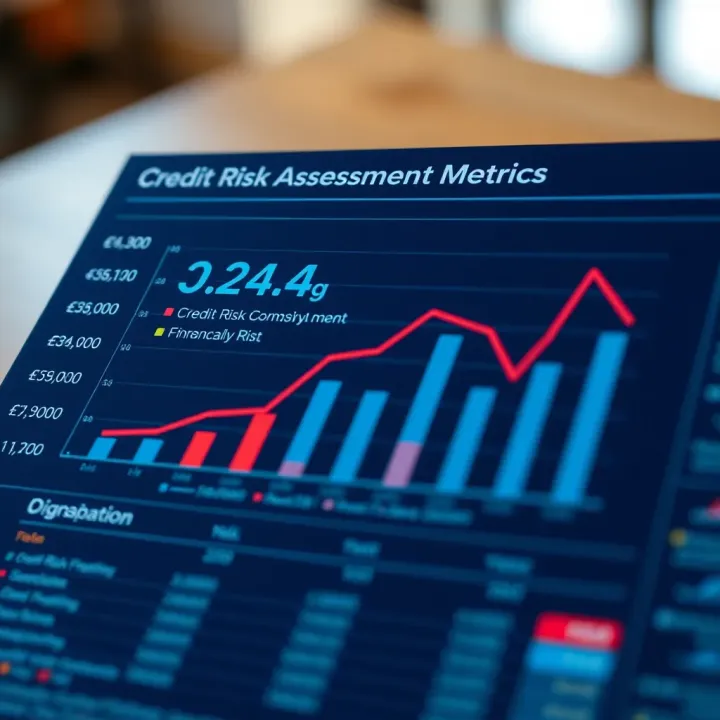
Explore effective credit risk management strategies, tools, and challenges for Kenyan businesses and financial institutions 📊💼. Stay compliant and secure.
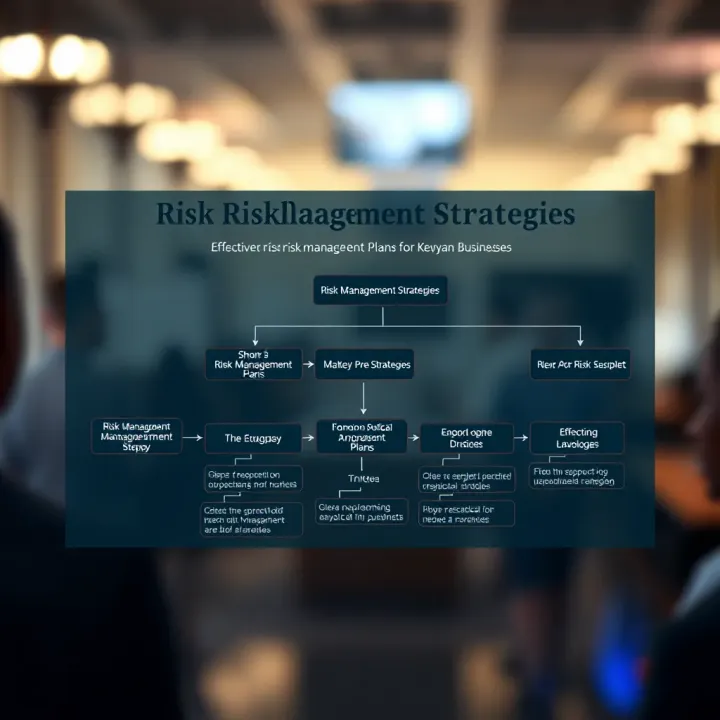
📊 Learn how Kenyan businesses can build strong risk management plans to spot and handle financial, operational, and compliance risks, ensuring steady growth and security.

🌧️Natural disasters like floods & droughts deeply affect risk management in Kenya. Learn how communities build resilience, improve insurance, and plan recovery.⚡
Based on 7 reviews