

Operational Risk Management for Kenyan Businesses
Learn how Kenyan businesses can identify, assess, and control operational risks with local insights. Includes tech use and regulatory tips 📊 to protect your venture.
Edited By
Oliver Bennett
Risk management in finance is all about spotting, assessing, and handling risks that can affect a business’s financial health. For Kenyan businesses, these risks come in different forms — from market fluctuations and credit defaults to operational hiccups and regulatory changes.
Businesses in Kenya face unique challenges, like fluctuating exchange rates due to currency movements, or delays in payments because of unreliable infrastructure. Understanding these risks helps traders, investors, and analysts avoid unexpected losses.

Effective risk management isn’t about avoiding risks entirely but about knowing which risks to take, how to control them, and how to respond when things don’t go as planned.
Market Risk: Includes risks from changes in interest rates, currency values, or commodity prices. For example, a tea exporter may suffer if the price of tea on the global market drops.
Credit Risk: This occurs when customers or partners fail to pay what they owe. Small and medium businesses relying on supplier credit or installment buyers often face this.
Operational Risk: Covers failures in day-to-day processes, like fraud, power outages, or IT system breakdowns. A jua kali artisan’s workshop suffering from power cuts delays production.
Regulatory Risk: Changes in policies from institutions such as the Central Bank of Kenya or Kenya Revenue Authority can catch businesses off guard if not anticipated.
Kenyan businesses can make use of practical tools to measure and manage financial risks:
Cash Flow Forecasting: Helps predict when payments come in and go out, showing potential liquidity gaps.
Credit Vetting: Using credit reference bureaus like CRB helps screen clients before granting credit.
Currency Hedging: For businesses dealing with foreign exchange, basic hedging using forward contracts can shield against shilling volatility.
Insurance: Covering risks such as fire, theft, or business interruption reduces losses.
Understanding these tools and risks is the first step to building a strong risk management framework that supports steady growth and sustainability in Kenya’s dynamic business environment.
Risk management forms the backbone of financial sustainability for any business. Understanding its basic principles is key to navigating the uncertain economic waters Kenyan businesses face daily. From currency shifts to changes in regulatory frameworks, recognising the fundamentals allows companies to prepare rather than react after losses.
Financial risks in Kenya vary widely but commonly include market risk, credit risk, and operational risk. Market risk involves fluctuations in currency exchange rates—like the Kenyan shilling’s shifts against the US dollar—which especially impact import-export businesses. Credit risk arises when customers or partners fail to meet payment obligations, a frequent challenge for many SMEs reliant on invoice credit. Operational risks stem from internal breakdowns such as system failures or fraud, which can halt operations and erode trust.
These risks directly affect businesses by increasing costs or causing outright losses. For example, a small retailer relying on foreign goods can suffer when currency devaluation raises import costs unexpectedly. Similarly, an agricultural cooperative might lose funds if member farmers default on agreed payments or if records are mishandled, disrupting supply and cash flow.
Minimising losses and protecting assets are central aims of risk management. By identifying potential risks early, businesses can put measures in place to reduce exposure. Consider a Nairobi-based trader who uses forward contracts with local banks to hedge against forex movements, thereby shielding profits from sudden shilling depreciation. Protecting assets also involves maintaining adequate insurance and physical security, essential for both small businesses and larger enterprises.
Further, risk management ensures companies stay compliant with laws set by regulators like the Capital Markets Authority (CMA) or the Central Bank of Kenya (CBK). Compliance avoids hefty fines and preserves a firm’s reputation with investors and customers. Maintaining stakeholder confidence is critical; when shareholders see consistent risk controls and transparent reporting, they are more likely to invest or extend credit, which supports growth and stability.
A robust risk management approach not only safeguards a company’s capital but fosters trust among partners, customers, and regulators. Without it, businesses expose themselves to disruptions that can be costly or even fatal to operations.
In sum, mastering these basics helps Kenyan businesses navigate their environment with clearer insight and greater resilience, preparing them not just to survive but to thrive amid financial uncertainties.
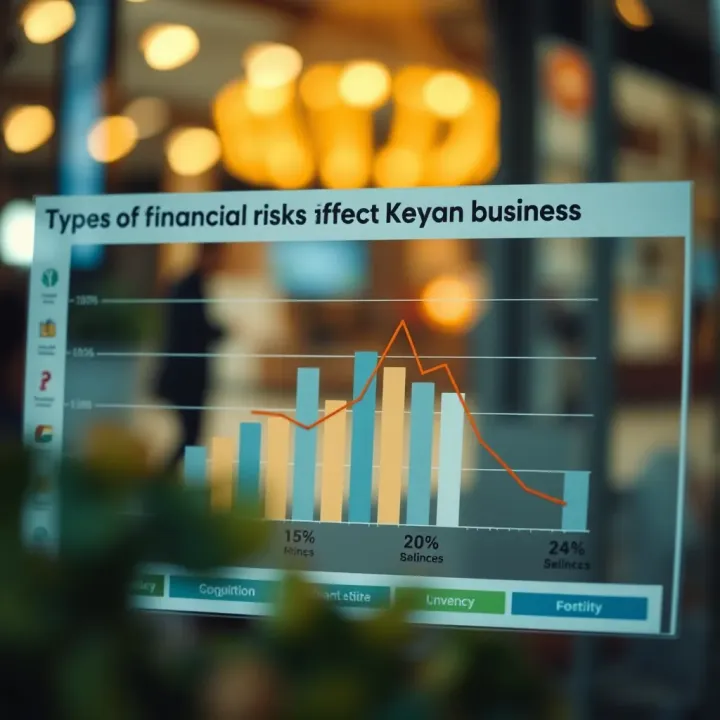
Kenyan businesses regularly face several financial risks that can directly impact their profitability and operations. Understanding these risks is essential for making informed decisions and safeguarding business growth. This section outlines the main types of financial risks in Kenya, focusing on practical examples and local realities.
Market risk refers to potential losses due to changes in market variables like currency rates, interest rates, and commodity prices. For most Kenyan businesses, currency fluctuations are significant because many import raw materials or export products. For example, a Nairobi-based textile firm paying suppliers in US dollars can face increased costs if the shilling weakens against the dollar. Similarly, changes in interest rates affect loan repayments—when the Central Bank of Kenya (CBK) adjusts the base rate, the cost of borrowing changes, influencing business cash flows.
Commodity prices also matter, especially for agribusinesses and manufacturers. A coffee exporter, for instance, may see profits shrink if global coffee prices fall unexpectedly. This unpredictability makes careful monitoring and hedging important to reduce shock.
On top of this, regional and global economic changes play a heavy role. Political shifts, trade disruptions, or global recessions affect demand for Kenyan exports or foreign investments. The European Union or China deciding to tighten import rules or slow down demand can ripple quickly to local traders and exporters. Businesses that depend on foreign buyers or international supply chains must factor in these global risks when planning.
Being aware of these influences helps businesses adjust pricing, plan reserves, or explore currency hedging options through local banks or forex bureaus.
Assessing borrower reliability is crucial, especially for banks, microfinance institutions, and suppliers offering credit. A common challenge in Kenya is evaluating borrowers who lack formal credit history or collateral. Businesses rely on credit reference bureaus like CRB Africa, but often must combine this with local knowledge and personal guarantees to gauge repayment likelihood.
Failing to properly assess creditworthiness leads to higher chances of overdue payments and defaults, which can strain cash flow and even cause some firms to collapse. For example, a supplier providing goods on credit to several small businesses might suffer losses if many clients delay payments or default simultaneously. To manage this risk, firms often tighten credit terms, require upfront partial payments, or improve follow-up procedures.
Maintaining a disciplined credit policy and using tools such as automated reminders, credit scoring, and flexible repayment plans helps Kenyan businesses limit losses from unpaid debts.
Internal process failures include mistakes in accounting, supply chain interruptions, or poor stock management. In hectic environments like Kenya’s jua kali sector, inefficiencies and human errors can easily cause financial losses. For example, a small retailer mismanaging stock records might either over-order products leading to wasted capital or understock, resulting in missed sales.
Besides processes, technology and fraud risks in financial services are rising concerns. With increasing use of mobile money platforms like M-Pesa and online banking, cybercrime and fraud attempts have grown more sophisticated. A small business might fall victim to scams involving fake payment confirmations, phishing, or malware attacks that try to siphon funds.
Kenyan companies should therefore invest in staff training, secure IT systems, and establish clear fraud response protocols to build resilience.
In practice, managing these financial risks isn’t about eliminating them entirely but recognising their specific impacts on Kenyan businesses and proactively setting up controls.
Understanding these key risks arms businesses, investors, and analysts with insights to navigate Kenya's dynamic financial environment better.
Effective risk assessment hinges on using the right tools and methods suited to the financial landscape of Kenyan businesses. These techniques help identify, measure, and manage exposures that could disrupt operations or financial stability. For firms and investors, understanding both quantitative and qualitative approaches is essential to balancing data-driven insights with real-world context.
Financial ratios are a straightforward yet powerful way to assess risk. Ratios like debt-to-equity, liquidity ratios, and interest coverage give a quick snapshot of a company's financial health. For example, a high debt-to-equity ratio in a local manufacturer could signal overreliance on borrowed funds, increasing vulnerability when interest rates rise by CBK (Central Bank of Kenya). Statistical models go a step further by analysing patterns from large datasets, estimating the probability of default or price volatility. Tools such as Value at Risk (VaR) are increasingly used by Kenyan banks and investment firms to quantify potential losses under normal market conditions.
Stress tests simulate extreme but plausible scenarios, such as sudden currency shocks or drought-induced supply disruptions that affect agro-processors. Kenyan businesses applying these tests might model a sharp depreciation of the Kenyan shilling against the US dollar, examining how imported raw material costs and loan repayments would be impacted. Scenario analysis allows planners to explore multiple outcomes, including changes in government policy or regional trade barriers affecting East African Community (EAC) markets. These techniques help firms prepare for uncertainties unique to Kenya’s socio-economic conditions rather than relying solely on global assumptions.
Bringing together diverse teams in workshops enables firms to identify risks that numbers alone cannot catch. For instance, a microfinance institution might gather frontline loan officers, compliance staff, and market analysts to map operational, credit, and reputational risks. Expert judgment comes into play where past experience and industry knowledge fill gaps in data. This participatory approach encourages cross-departmental understanding and uncovers emerging risks like fraud schemes or political unrest that could affect collections or business continuity.
Kenyan businesses operate within a dynamic legal and economic framework. Monitoring changes in taxation policies by KRA (Kenya Revenue Authority), shifts in NHIF/SHA contributions, or new regulations from the Capital Markets Authority (CMA) can materially affect risk exposure. Additionally, assessing macroeconomic trends such as inflation, inflation, or interest rate changes helps firms anticipate market risks. Regular reviews of the business environment enable companies to adjust their risk appetite and compliance strategies proactively.
A balanced mix of these tools tailored to Kenyan realities enables businesses not just to survive challenges but to identify opportunities in managing financial risks effectively.
By combining both number-driven models and hands-on assessments, Kenyan enterprises gain a fuller picture of their risk landscape, improving decision-making and resilience.
An effective risk management framework is a backbone for Kenyan businesses aiming to navigate financial uncertainties. It aligns risk control efforts with business goals, allowing firms to operate confidently even when the market shifts unexpectedly. Without this framework, companies risk exposure to losses that could have been avoided or minimized through structured processes.
Having such a framework helps businesses identify potential risks early, assign responsibility clearly, and maintain continuous monitoring. For example, a medium-sized exporter dealing with fluctuating forex rates can better adapt if the company has clear policies and tools to monitor those risks regularly. This framework also supports compliance with Kenyan regulatory standards such as those from the Capital Markets Authority (CMA) or Central Bank of Kenya (CBK).
Management plays a central role in defining the risk culture of any firm. In Kenyan businesses, top leadership must champion risk management by setting clear expectations and giving resources to teams handling financial risks. A risk committee, often composed of members from different departments, supports management by reviewing risk reports, setting priorities, and ensuring that policies stay relevant to the business environment. Such committees are vital for balancing growth ambitions with caution, especially in sectors like banking or agriculture where volatility is common.
For instance, a Kenyan bank’s risk committee might meet monthly to assess loan portfolios and review fraud risks, making sure the institution remains robust against defaults and cyber threats.
Risk appetite defines how much risk a company is ready to accept while pursuing its goals. This varies widely depending on the industry and business size. Kenyan firms need to establish clear limits to avoid taking excessive risks that can threaten survival. For example, a firm engaged in import-export may set limits on foreign exchange exposure, deciding how much currency fluctuation it can absorb before taking protective steps, like hedging.
Defining these limits also helps staff at all levels make consistent decisions aligned with the company’s risk tolerance. Without such limits, informal or ambiguous practices may lead to big financial surprises, hurting trust among shareholders and partners.
In the Kenyan financial landscape, technology is increasingly vital for timely risk management. Real-time tracking systems enable companies to spot issues early and respond promptly. For example, banks often use software that flags unusual transaction patterns or liquidity problems, alerting risk managers before situations worsen.
Moreover, many fintech firms in Kenya rely on dashboards that combine data from M-Pesa, bank accounts, and credit bureaus to monitor credit and operational risks. This continuous monitoring reduces delays in detecting trouble spots, which is crucial when markets change fast.
Clear and regular reporting is essential to keep all stakeholders informed. Internally, risk reports provide management and risk committees with necessary insights to adjust strategies or tighten controls. For regulatory compliance, Kenyan firms must submit accurate risk disclosures to bodies like the CBK or CMA, following guidelines that ensure transparency and accountability.
An example would be a microfinance institution preparing monthly risk summaries showing loan default rates and mitigation efforts. These reports support decision-making internally and satisfy regulatory demands, helping the firm maintain a good standing and customer confidence.
Establishing and maintaining a strong risk management framework is not just about ticking boxes; it protects businesses from shocks and builds trust with customers, investors, and regulators alike.
Through well-defined policies, clear responsibilities, continuous monitoring, and disciplined reporting, Kenyan firms can strengthen their financial resilience and support sustainable development in a challenging environment.
Applying practical examples of risk management helps Kenyan businesses understand how to deal with real financial challenges. These examples show how theory works on the ground, offering insights relevant to local markets and conditions. Through practical cases, businesses can grasp techniques to reduce financial losses and maintain stability.
Kenyan importers and exporters face currency risk due to fluctuations in the Kenyan shilling against foreign currencies like the US dollar or euro. To manage this, many use hedging techniques provided by local banks and forex bureaus. For example, a business importing electronics might enter into a forward contract with a bank to lock in the current exchange rate for payments due in three months. This safeguards the company from a sudden shilling depreciation that would otherwise increase costs.
Forex bureaus also offer options and spot contracts that businesses use for smaller or short-term needs. These arrangements help maintain predictable cash flow and prevent unexpected losses from currency volatility. Practical use of these tools reduces uncertainty and allows firms to budget more accurately.
Currency volatility impacts Kenyan businesses in various ways. For instance, in 2022, several exporters of tea and flowers reported price fluctuations caused by the weakening shilling, leading to lower profitability. Some struggled to meet foreign supplier payments on time due to unexpectedly higher costs. Businesses that had taken hedging positions fared better by offsetting these currency swings, while others faced tighter margins or losses.
Such real-world cases highlight the importance of understanding and planning for currency risk. Without practical management, companies remain exposed to market shocks that can disrupt operations.
Loan appraisal and ongoing monitoring form the backbone of credit risk management in Kenyan microfinance institutions and banks. Before granting loans, institutions assess borrowers’ repayment capacity by reviewing income, credit history, and business viability. This step prevents lending to high-risk clients.
After loan disbursement, close monitoring through repayment schedules, financial reviews, and site visits ensures early detection of repayment challenges. For example, a microfinance group in Kisumu regularly follows up on client payments and offers financial literacy training, improving loan recovery and reducing defaults.
Credit reference bureaus like CRB Africa play a critical role in supporting this process. By providing detailed credit reports, CRB Africa helps lenders check a borrower’s existing obligations and repayment behaviour. Access to this information reduces guesswork and improves lending decisions.
Use of credit reference data enables Kenyan lenders to manage risk with more confidence. For example, banks often require submitting CRB clearance certificates before approving substantial loans, helping cut down on bad debts and boosting portfolio quality.
Effective credit risk management not only protects financial institutions but also supports sustainable access to credit for Kenyan businesses and individuals.
Through these localised, practical examples, Kenyan businesses and financial professionals can better appreciate concrete steps to tackle major financial risks in their environment.
Learn how Kenyan businesses can identify, assess, and control operational risks with local insights. Includes tech use and regulatory tips 📊 to protect your venture.

Master risk management for Kenyan businesses 📈 Learn practical ways to identify, analyse, control, and finance risks to safeguard your enterprise locally and grow with confidence.
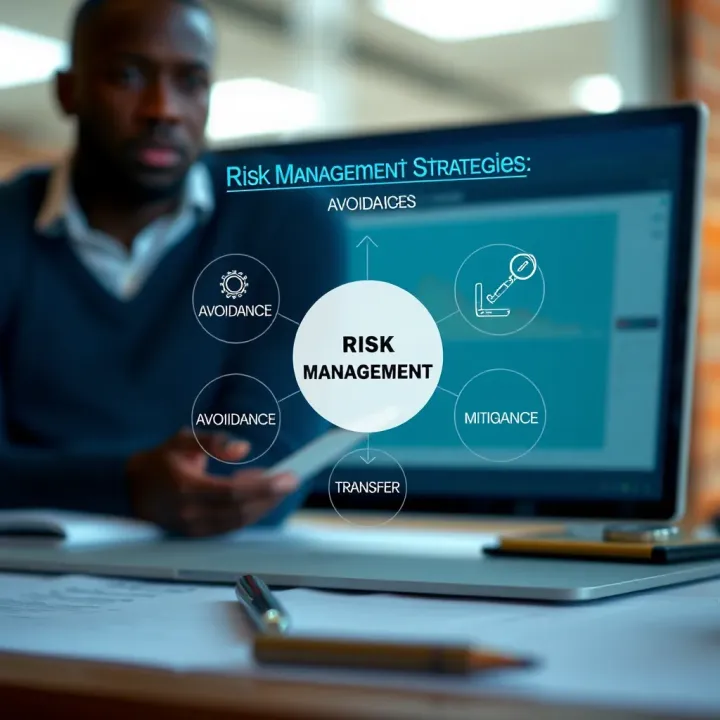
Manage risks effectively in Kenyan businesses with proven techniques—identify, assess, mitigate, and transfer risks to safeguard your operations and finances 📊💼

📊 Learn how to create a risk management plan tailored for Kenyan businesses. Identify risks, analyse impact, plan responses & monitor to protect your projects effectively.
Based on 13 reviews