
How to Start Forex Trading in Kenya: A Practical Guide
Learn how to trade forex in Kenya confidently with practical steps on choosing brokers, managing risks, opening accounts, and expert tips for success 📈💼
Edited By
Edward Bennett
Forex trading has become popular among Kenyans looking for ways to diversify income and tap global markets. Before jumping in with real money, it's wise to take a forex trading course tailored for Kenya’s market conditions and regulations. A good course helps you understand how forex works, the risks involved, and practical strategies to trade confidently.
Trading forex without proper training is like driving without a licence — risky and likely costly. A course lays the foundation, covering basics like currency pairs, using trading platforms, and analysing market trends. Considering how volatile forex markets can be, the right education reduces chances of big losses.
Practical relevance is key. A course offering Kenyan context will introduce you to the Kenya Revenue Authority (KRA) guidelines on forex income, explain the role of the Capital Markets Authority (CMA) in regulation, and highlight safe ways to fund accounts — for instance, through M-Pesa or bank transfers.
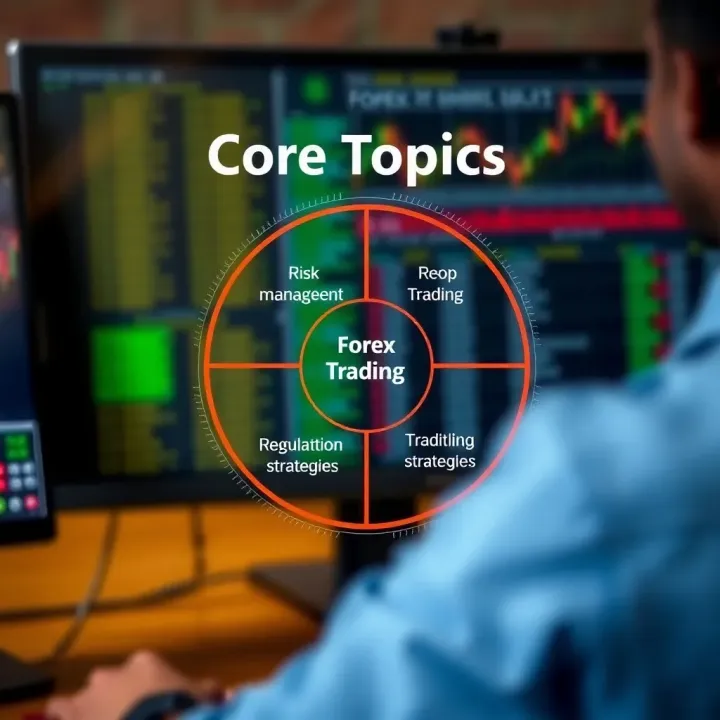
Core topics often covered include:
Understanding forex market mechanics
Reading price charts and technical indicators
Fundamental analysis of global economic factors
Risk and money management tactics
Trading psychology and discipline
Regulatory compliance in Kenya
Not all courses suit Kenyan learners. Look for programmes either offered locally or by reputable international providers with local support. Verify the trainer’s track record and read reviews from fellow traders. Also, confirm that the course includes hands-on sessions or simulations to practise trading without financial risk.
Remember, forex trading is about steady learning and discipline, not quick riches. Taking a structured course in Kenya protects your capital and sets you on the right path.
Getting a proper start with a well-chosen course is your first step towards becoming a confident forex trader in Kenya’s growing market.
Forex trading involves buying and selling currencies from different countries. For Kenyan traders, understanding forex is vital because it connects local financial activities to global markets. This knowledge helps you spot real opportunities and avoid unnecessary risks when trading currencies like the US dollar, euro, or even the Kenyan shilling.
Forex, short for foreign exchange, is the global market where countries’ currencies are traded. Unlike stock markets, forex operates 24 hours a day on weekdays, reflecting economic and political news worldwide. Key terms include ‘pip’ (the smallest price movement), ‘lot’ (quantity traded), and ‘leverage’ (borrowing power). Knowing these basics gives Kenyan traders a useful foundation to navigate the market confidently.
The forex market deals mostly in pairs, such as USD/KES (US dollar to Kenyan shilling), EUR/USD (euro to US dollar), and GBP/USD (British pound to US dollar). Kenya’s time zone (East Africa Time, UTC+3) places local traders in an advantageous spot to catch the London and New York sessions, which are the most active with high liquidity. Understanding market hours helps you plan trades better, avoiding low activity times that could lead to poor pricing.
Trading forex means speculating on whether one currency will strengthen or weaken against another. If you buy USD/KES, for example, you expect the US dollar to gain value compared to the Kenyan shilling. Trades happen through brokers who provide platforms to execute orders. Kenyan traders commonly use mobile apps connected to M-Pesa and bank accounts to fund and withdraw, making access easier than ever.
Forex trading has become popular in Kenya thanks to user-friendly online platforms. Whether through a laptop or mobile phone, Kenyan traders can access live charts, place orders, and monitor markets anytime. Platforms like MetaTrader and local brokers offering Swahili customer support lower the barriers, making forex a popular side hustle or even a full-time income source.
Many Kenyans find forex appealing because it offers a chance to diversify income beyond farming, salaried jobs, or business. Given economic shifts and inflation affecting the shilling, forex provides a flexible way to potentially earn from currency movements. However, success requires discipline and education—trading without proper knowledge is like stepping into the matatu rush without paying attention.
Forex trading directly ties to how the Kenyan shilling performs against major currencies. An understanding of forex helps traders anticipate movements influenced by factors like Kenya’s current account balance, political developments, or CBK (Central Bank of Kenya) interventions. For example, if CBK announces a change in interest rates, it can ripple in forex markets, impacting the KES value and opening chances for savvy traders.
Grasping the basics and local relevance of forex trading equips Kenyan investors with tools to engage confidently, manage risks, and recognise genuine opportunities linked to their everyday economic environment.
Enrolling in a forex trading course offers clear advantages, especially for Kenyan traders hoping to master the market with confidence. It provides a structured path to understand the complex forex environment instead of relying on guesswork or trial and error. Practical skills gained through a course help traders spot patterns, read market moves, and decide when to buy or sell currencies like the Kenyan shilling against the dollar or euro.
Market analysis is the foundation of successful forex trading. A good course teaches you how to interpret price movements, economic reports, and global events that sway currency rates. For example, understanding how Central Bank of Kenya policy changes might affect the KSh can guide your trading decisions. Without this skill, traders risk making decisions based on hunches rather than facts, which often leads to losses.
A trading course clarifies the difference and use of technical and fundamental analysis. Technical analysis involves studying charts and past price data to forecast future movements — think of spotting support and resistance levels on a graph. Fundamental analysis, on the other hand, looks at economic indicators like GDP growth or inflation that influence currency values. Kenyan traders, for instance, might use fundamental analysis to react to inflation reports from the Kenya National Bureau of Statistics and technical indicators to time their trades better.
Enrolling in a course helps you learn tested trading strategies rather than random approaches. You get to practise techniques like trend following, breakout trading, or range trading, with real examples. A course might show how using stop-loss orders can protect your KSh investments and when best to leverage positions without taking on excessive risks. This preparation makes your trades deliberate and improves your chances of consistent profits.
Forex trading can be nerve-wracking, and many beginners fall prey to emotional decisions like panic selling during sudden drops. Courses help you recognise such tendencies and teach methods to stay disciplined. For example, sticking to a trading plan reduces impulsive trades motivated by fear or greed. Developing emotional control safeguards your capital and helps maintain a clear mind in volatile markets.
Kenya’s growing forex market unfortunately attracts scams and dishonest brokers. Training programmes educate you on how to identify legitimate, regulated brokers—most importantly those licensed by the Capital Markets Authority (CMA). Knowing what red flags to look out for, such as unrealistic promises or unregulated platforms, protects you from losing your hard-earned KSh to fraud.
Managing risk is crucial to preserve your trading capital over time. A course highlights techniques like setting appropriate stop-losses to limit losses and calculating position size relative to your account balance. For instance, risking only 1–2% of your trading capital per trade prevents a single bad trade from wiping you out. Understanding risk management gives you the discipline to trade sustainably and grow your funds steadily.
A structured forex trading course equips you not just with knowledge but also with practical skills and safeguards against common mistakes. This foundation is essential for anyone serious about trading forex in Kenya’s dynamic market.
Selecting the right forex trading course is key for anyone serious about investing in the Kenyan market. A good course not only builds your foundational skills but also helps you avoid costly mistakes amid the many options available online and offline. You want a programme that matches your learning style, fits your budget, and covers topics relevant to trading currencies, especially considering the Kenyan shilling's unique position in forex markets.
Online courses offer flexibility that suits most Kenyan traders juggling work or studies. Platforms like Udemy or local providers often host courses accessible anytime, which is great for those who prefer self-paced learning. However, in-person training can provide hands-on guidance and peer interaction that improves understanding, especially for beginners who may find the forex market daunting at first.
In Kenya’s major towns like Nairobi and Mombasa, some academies run in-person sessions, which can help build networks and local support. Still, the convenience of online access via mobile phones or computers means many prefer digital courses, particularly given transport costs and traffic challenges.
There are plenty of free resources, including blogs, YouTube channels, and forums tailored to Kenyan forex traders. These can be excellent for getting a feel of the market without upfront costs. For example, Safaricom’s M-Pesa blog sometimes covers basics of sending money overseas, which indirectly relates to forex.
Paid courses are usually more structured and offer in-depth content, practical assignments, and sometimes personal mentorship. A paid course with a clear curriculum and certified trainers may better prepare you for actual trading, but it’s essential to research the provider thoroughly to avoid scams.
Local providers understand the Kenyan economic context better. They often address issues like forex trading during exchange rate fluctuations that affect the shilling or payment methods using M-Pesa and Kenyan banks. Courses from providers such as Forex Time (FXTM) Kenya blend global expertise with local insight.
International courses may expose you to varied strategies and a broader trading environment but might miss local nuances, such as Kenyan regulatory rules or payment channels. Ideally, a course combining both perspectives provides the best learning experience.
Before enrolling, check if the course is accredited by recognised bodies or industry associations. A reputable course often means experienced instructors and reliable content. For instance, those recognised by the Capital Markets Authority (CMA) Kenya or with reviews from well-known Kenyan traders tend to be trustworthy.
Beware of flashy adverts promising quick riches. Always seek independent reviews and, if possible, talk to alumni about their experience and outcomes.
Make sure the syllabus covers vital areas such as risk management, Kenyan forex regulations, trading psychology, and forex platforms popular in Kenya like MetaTrader or cTrader. The course should balance theory with practical elements like demo trading.
Courses too generic might overlook Kenyan-specific issues like how political events or inflation impact the currency markets here, so look for content tailored to local needs.
Forex trading can be lonely and tricky for beginners. Courses offering ongoing support through forums, live Q&A sessions, or local study groups add real value. Some programmes create WhatsApp groups or Telegram channels where Kenyan learners share tips and updates relevant to our market.
Being part of such communities helps you keep up with market changes and gain emotional support, both crucial to becoming a disciplined trader.
Choosing the right course carefully is your first step toward making informed trades and building confidence in forex markets that can be volatile but rewarding when approached well.
Understanding the core topics in a forex trading course is essential for Kenyan traders aiming to build a solid foundation. These topics equip you with the knowledge to navigate the volatile currency markets confidently and apply practical skills tailored to conditions affecting the Kenyan Shilling (KSh).
Forex courses begin by dividing currency pairs into three groups: majors, minors, and exotics. Major pairs involve the most traded currencies worldwide, such as the US dollar (USD), Euro (EUR), and British pound (GBP). For example, USD/KES (Kenyan Shilling) is significant for Kenyan traders interested in foreign exchange between local and international currencies. Minor pairs involve less globally dominant currencies like AUD/CAD, while exotic pairs combine a major currency with an unstable or less liquid one, like USD/ZAR (South African Rand).
Learning these distinctions helps traders identify liquidity levels and volatility, which influence trading opportunities and risks. For instance, exotic pairs often show larger price swings but have wider spreads, meaning trading costs can be higher.
Exchange rates don’t move randomly; they respond to multiple economic and political factors. These include interest rates set by central banks, inflation rates, trade balances, and political stability. For Kenyan traders, monitoring the Central Bank of Kenya’s (CBK) policies or regional events in East Africa can shed light on KSh fluctuations.
Being aware of these forces allows traders to anticipate market movements better. For example, if CBK raises interest rates, the KSh might strengthen against the USD, impacting forex positions accordingly.
The forex market hosts various players—from central banks and commercial banks to hedge funds, corporations, and retail traders. Central banks like the CBK intervene occasionally to stabilise their currencies. Commercial banks execute large volume trades, influencing liquidity.
For an individual Kenyan trader, understanding who's behind the price moves can clarify why sudden shifts happen. When major players adjust positions, retail traders often face rapid price changes requiring quick decisions.
Charts are the trader’s roadmap. They display past price action, helping predict future trends. Learning to read candlestick charts or line graphs enables you to spot patterns such as head and shoulders, double tops, or flags, which signal potential market reversals or continuations.
In the Kenyan context, mastering chart reading aids in timing entry and exit points, crucial for markets affected by fluctuating global sentiments and local economic news.
Technical indicators like moving averages, Relative Strength Index (RSI), and MACD provide mathematical calculations that hint at overbought or oversold market conditions. Oscillators help measure momentum.
Using these tools alongside price charts enhances decision-making by giving extra confirmation before trades. For example, an RSI below 30 might suggest a currency pair is oversold, signalling a potential buying opportunity.
Practical trading experience comes first with demo accounts. They simulate live markets without risking real money, letting learners test strategies and understand trade execution.
Kenyan traders can leverage demo accounts to build confidence, especially where internet bandwidth or access to brokers may vary. This practice prevents costly mistakes when transitioning to live trading.
Backtesting involves applying a trading strategy to historical data to assess its effectiveness. It shows how the approach would have performed under past market conditions.
For traders in Kenya, backtesting on pairs like USD/KES allows understanding strategy viability considering local market volatility. This step reduces guesswork and builds system reliability.
Successful trading balances potential gains (reward) against possible losses (risk). Calculating the risk-reward ratio helps decide if a trade makes financial sense.
For example, targeting a profit of 100 pips with a stop-loss of 50 pips yields a risk-reward ratio of 1:2, which is generally favourable. Kenyan traders should always consider this mindset to avoid reckless losses.
Determining how much to trade (position size) based on your account size and risk tolerance is crucial. Position sizing manages exposure and prevents devastating losses.
Practical rule: Risk only a small portion (typically 1-2%) of your total capital on a single trade. For instance, if your account has KS00,000, you should risk no more than KS,000–2,000 per trade to survive losing streaks.
Paying attention to these core topics in forex trading courses gives you the tools to trade deliberately and manage the challenges unique to Kenya’s trading environment. It isn’t just about buying and selling currencies but building a disciplined approach supported by sound knowledge and practical exercises.
Completing a forex trading course is just the first step. Knowing how to start actual trading lets you put that learning into practical use, helping you to grow as a trader instead of staying in theory. For Kenyan traders, this means opening a proper account, crafting a clear plan, and adapting to local market realities including currency dynamics and trading hours.
Choosing a regulated broker is essential for security and trust. The Capital Markets Authority (CMA) in Kenya regulates forex brokers to ensure they follow rules protecting your funds and trading activities. Trading with a CMA-licensed broker reduces risks like fraud or discrepancies. For example, brands like XM and HotForex hold regulation and often allow Kenyan clients to trade safely.
Account types vary and come with different leverage options. Understanding account types and leverage helps you control risk. A standard account offers typical trade sizes, while mini or micro accounts allow smaller trades, which is good for beginners testing the waters. Leverage lets you control more money with a small capital, like 1:50 or 1:100. While this can maximise profits, it can also deepen losses. So, it’s wise to pick leverage suited to your risk tolerance and experience.
Funding your trading account has become straightforward with Kenyan payment methods. Using M-Pesa or bank transfers to deposit funds is common since these platforms are secure and fast. For instance, if you’re funding a ForexTime (FXTM) account, you can transfer money directly via M-Pesa, avoiding the hassle of international wire transfers and high fees. This ease of funding supports quick market entry and better fund management.
Setting realistic goals keeps your trading focused and manageable. Instead of expecting to make KS00,000 in a week, aim for small, consistent profits. For example, targeting 1–2% monthly growth aligns better with market realities and helps prevent reckless trades.
Your plan should also include defining entry and exit rules to take emotions out of decision-making. This means specifying conditions to buy or sell—say, entering a trade when the 50-day moving average crosses above the 200-day. Likewise, exit rules might involve stop-loss orders to minimise losses, ensuring you don’t hold on hoping things will improve.
Tracking performance is key to growth. Maintaining a trade journal helps you understand what’s working or where mistakes happen. For example, recording trade outcomes including entry price, exit price, and reasoning gives insights you can review weekly or monthly to improve your strategies.
Time matters. Knowing time zones and market sessions is useful because forex runs continuously across the globe. The London and New York sessions are particularly active. Kenyan traders should plan to trade during these hours—around 4 pm to midnight EAT—when volatility and volume are higher, offering better chances for profitable trades.
The Kenyan Shilling (KSh) is affected by foreign exchange fluctuations. Handling currency fluctuations affecting KSh involves understanding how global events impact your trading funds or gains. If your account base currency is USD, shifts in USD/KSh affect your actual earnings when you convert back to shillings. Staying informed about CBK policies or local economic news helps manage this risk.
Mobile technology helps Kenyan traders stay ahead. Using mobile apps for trading and monitoring allows you to execute trades from anywhere—even while on a matatu. Popular platforms like MetaTrader 4 and 5 support mobile trading, alerts, and monitoring. This flexibility means you don’t miss out on critical market movements or opportunities.
Opening a regulated account, making a clear trading plan with realistic goals, then adapting to Kenya’s market timings and currency behaviour forms the backbone of getting started with forex trading after your course.
By following these steps, you take your knowledge from theory to practice naturally, creating a solid foundation for your forex trading journey in Kenya.
Forex trading carries several risks that every Kenyan trader needs to understand before getting involved. Being aware of these dangers helps protect your investments and makes your trading experience less stressful. Alongside managing risks, knowing the regulatory framework in Kenya is equally vital to ensure you deal with legitimate brokers and stay out of trouble.
Market volatility refers to the rapid price changes in currency values caused by various factors such as economic reports, political events, or sudden global incidents. For example, when Kenya’s inflation figures change unexpectedly, the value of the Kenyan shilling may swing sharply against the US dollar. Such volatility can mean both opportunity and danger — while it offers chances to profit, it can also lead to swift losses if you’re not prepared.
Leverage dangers arise because forex brokers often offer high leverage — sometimes 1:100 or more. This means you can control a large trade using a small amount of your own money. While leverage can multiply gains, it also multiplies losses. For instance, if you use high leverage and the market moves against you by just a small percentage, you can lose your entire invested capital quickly. Proper money and risk management are key to avoiding these pitfalls.
Emotional and psychological challenges commonly trap new traders. Fear and greed often lead to impulsive decisions rather than sticking to a plan. Kenyan traders might feel pressured to recover losses quickly or jump into trades based on rumours during matatu conversations or WhatsApp groups. Recognising these feelings and maintaining discipline helps build a calmer, more successful trading approach.
The Capital Markets Authority (CMA) in Kenya oversees forex trading and brokers offering these services locally. CMA licensing ensures a broker follows Kenyan laws, including financial reporting and client fund protection. Trading through CMA-regulated brokers gives you more confidence compared to unregulated offshore firms that may disappear overnight.
Licence verification is critical before opening a trading account. Many scams target Kenyans by pretending to be brokers or by offering unrealistic guarantees. Always check if your broker is listed on the CMA’s official registry. Choosing a licensed broker safeguards deposits and provides a legal route to resolve disputes.
Kenya’s regulatory system also supports consumer protection and fraud reporting. If you fall victim to fraudulent activities or manipulative trading practices, CMA provides channels to lodge complaints. Sharing details of suspicious brokers helps protect the entire community of Kenyan traders from losing hard-earned money.
Always treat forex trading as a business. Manage your risks carefully, verify who you deal with, and respect the rules set by Kenyan authorities.
By understanding these risks and regulations, you build a safer foundation to grow your forex trading skills and avoid costly mistakes.
Learn how to trade forex in Kenya confidently with practical steps on choosing brokers, managing risks, opening accounts, and expert tips for success 📈💼
💹 Thinking of forex trading in Kenya? Learn how to pick top brokers, understand the market, manage risks, and shape smart strategies for steady profits.

Learn how to start forex trading in Kenya 🇰🇪 with clear steps on setting up, managing risk, and gaining confidence to trade responsibly for steady returns 📈
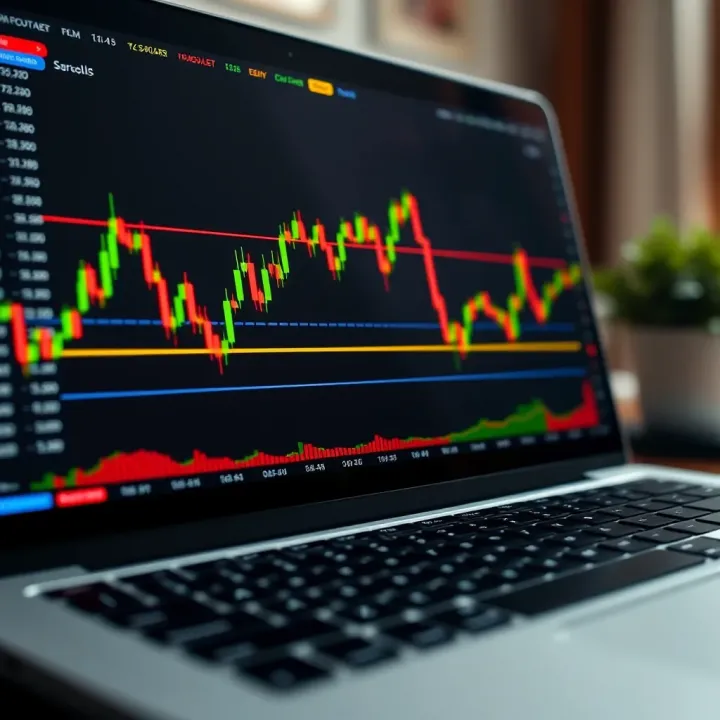
Start forex trading confidently in Kenya 🇰🇪. Learn legal steps, account setup, trusted platforms, and local strategies to trade smartly and manage risks wisely 💹.
Based on 9 reviews