

Steps in the Risk Management Process for Kenyan Businesses
🔍 Learn the practical steps Kenyan businesses take to identify, assess, and manage risks effectively, ensuring smooth operations and safeguarding success.
Edited By
Isabella Green
Risk management is a methodical approach to recognising and handling threats that could interrupt business or personal objectives. In Kenya’s dynamic economic and social environment, being able to spot, assess, and manage risks offers a critical advantage. Whether you're a trader navigating NSE fluctuations, a broker advising clients, or an educator preparing students for the realities of the market, understanding these steps helps protect your investments and decisions.
Every risk management process begins with identifying what might go wrong. This could range from market shifts affecting share prices, political changes influencing regulation, to operational hiccups like supply delays or cash flow issues.
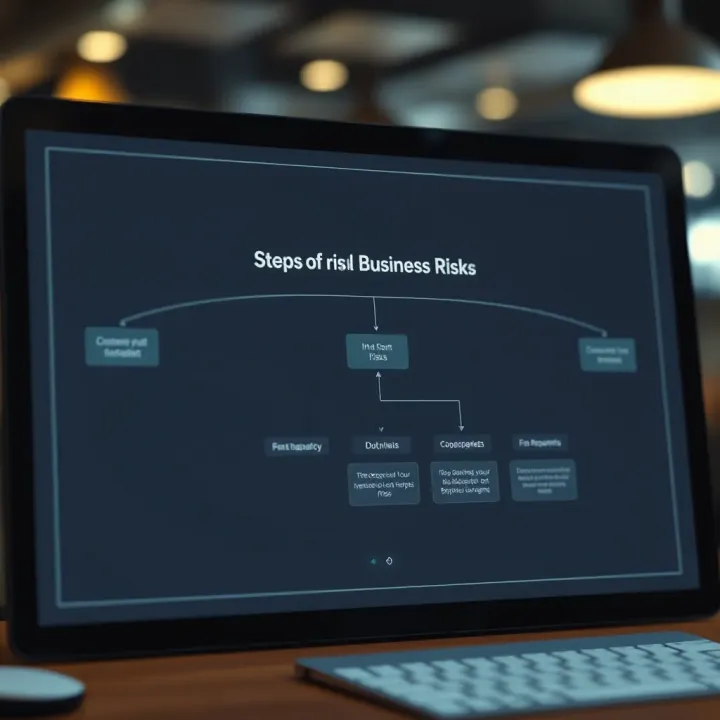
Once risks are identified, the next step is assessment. This means considering two main factors: the likelihood of the risk happening and the impact it would have. For example, a trader might look at how probable a sudden drop in coffee prices is and what that drop could cost in shillings.
After assessment, control measures come into play. These usually fall into several categories:
Avoidance: Taking steps to eliminate the risk entirely, such as a business deciding not to enter a volatile market.
Mitigation: Reducing the chance or effect of the risk, like diversifying investments across sectors to spread exposure.
Transfer: Passing the risk on, typically through insurance or contractual agreements.
Acceptance: Deliberately choosing to accept the risk, often when the cost of prevention exceeds the impact.
Effective risk management is about balancing these options wisely, especially in Kenya's context where economic factors and regulations can shift rapidly.
A clear example is how local farmers use crop insurance to transfer the risk of drought, while stabilising harvests by planting drought-resistant varieties as a mitigation tactic. Businesses often combine several of these strategies to shield their operations sustainably.
In the sections that follow, you will find practical guidance on applying each of these stages to manage risk effectively. This builds a foundation for decision-making that respects the uncertainties of the Kenyan market and the global economy.
Understanding risk management is not just for the large companies or seasoned investors. Even a small trader using M-Pesa for payments or managing stock can benefit by recognising risks early and preparing appropriately. This article will help you with that practical know-how, encouraging you to act before problems escalate, not just react after.
Spotting risks early is the first step to protecting your investments and business activities. Without identifying what could go wrong, you can't plan effectively to avoid or manage the setbacks. This applies whether you’re running a small retail shop in Nairobi, managing a farm in Eldoret, or investing in the Nairobi Securities Exchange.
Operational risks stem from internal processes and day-to-day activities. For example, a jua kali workshop might face breakdowns of crucial equipment or shortage of skilled labour, which disrupts production. In banking, system glitches in mobile money platforms like M-Pesa could lead to transaction failures, affecting customer trust.
Financial risks relate to money matters, such as fluctuating market prices, credit defaults, or cash flow shortages. A trader importing goods into Kisumu may encounter delays in payments or currency fluctuations between the Kenyan shilling and the dollar, leading to losses. Similarly, an investor in stocks faces risks of price drops that reduce portfolio value.
Legal and regulatory risks emerge from changes in laws or failure to comply with existing rules. For instance, a business selling pharmaceuticals must comply with Pharmacy and Poisons Board regulations; otherwise, it risks fines or closure. Changes in import tariffs or taxation by Kenya Revenue Authority (KRA) can also impact costs unexpectedly.
Environmental and social risks involve natural events and community relations. Flooding during the long rains might disrupt farm operations or supply chains. Social unrest or strikes in a county can halt business activities. Companies ignoring these risks may suffer damage to assets or reputation.
Brainstorming and consultations bring diverse viewpoints together to uncover hidden threats. When a company gathers its team—from finance to operations—to list possible risks, it often uncovers issues management alone might miss. Community consultations, especially for projects affecting local neighbourhoods, can also highlight concerns that might otherwise be overlooked.
Reviewing past incidents offers lessons from history. Looking back at previous disruptions, such as cash flow problems during festive seasons or losses from a competitor’s aggressive pricing, helps anticipate similar challenges. Traders who learn from such past hiccups are better prepared for what’s ahead.
Using risk checklists ensures no common risks slip through unnoticed. These lists, tailored to sectors like manufacturing or education, prompt managers to consider risks ranging from equipment failure to data breaches. A real estate developer might use checklists to verify safety compliance and zoning laws.
Stakeholder feedback captures input from customers, suppliers, or community members. Regular surveys or meetings can point out emerging risks, like declining product quality or supplier instability. For example, a dairy farmer attending local cooperative meetings might learn of market price changes early, helping adjust production plans.
Identifying risks is like shining a torch into dark corners—without it, you risk stumbling over issues that could derail your goals. This groundwork makes all other risk management steps effective.
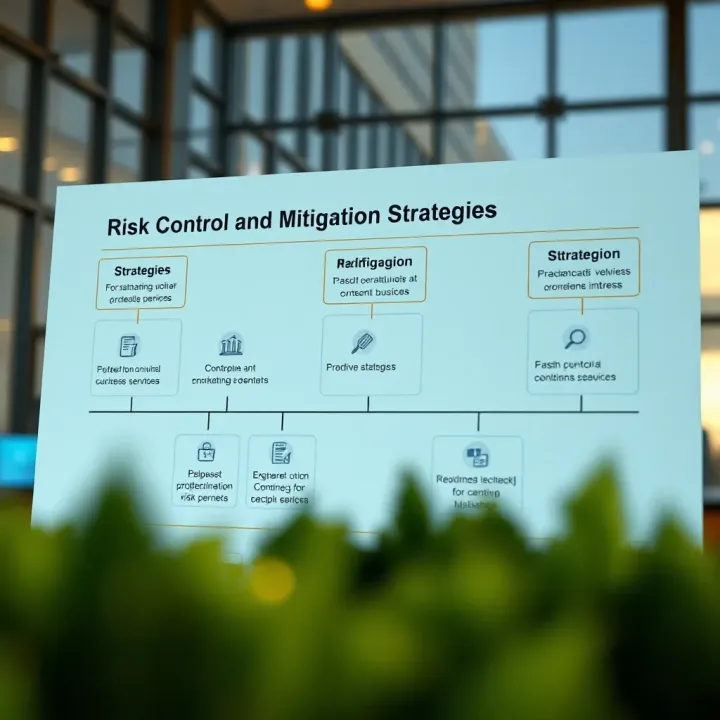
Understanding how likely a risk is to occur and what damage it can cause helps businesses and investors prioritise what needs attention first. It allows better decision-making about which risks deserve immediate action and which ones to monitor over time. For example, a trader dealing in exotic fruits might find that the risk of seasonal supply shortages has high likelihood but moderate financial impact compared to risks related to transport disruptions which might be less frequent but cause heavier financial losses.
Qualitative assessment techniques help determine how probable a risk is without relying solely on numbers. This might include expert opinions, checklists, or risk matrices where risks are categorised as high, medium, or low likelihood. For instance, Kenyan farmers may use community knowledge to judge the likelihood of drought affecting crop yields based on historical weather patterns and local observations.
In contrast, quantitative data use entails applying hard numbers. Historical records, statistical models, or software tools analyse past data to predict future risk occurrence rates. A Nairobi-based SME might use sales records to predict the chance of default by customers based on their payment histories.
Risk ranking and scoring combine likelihood and impact to assign a score or rank to each risk. This helps rank risks in order of urgency. A broker might score risks such as currency fluctuations, transport strikes, and regulatory changes to decide where to focus mitigation efforts first. By placing risks on a scorecard, it's easier to communicate priorities across teams.
Financial losses are often the most obvious consequence. Calculating potential revenue drops, cost hikes, or asset damages helps businesses prepare financially. For example, a Nairobi retailer might estimate the cost impact of power outages during peak business hours.
Reputation damage can lead to long-term setbacks, affecting customer trust and market position. A Kenyan bank facing a data breach might lose customers fast if not handled transparently and promptly.
Operational disruptions affect day-to-day activities, potentially stalling production or delivery. For a matatu company, breakdowns or road closures can delay schedules, causing losses and unhappy customers.
Health and safety concerns demand serious attention, especially in factories or construction sites. An incident compromising worker safety not only harms lives but can attract fines and shutdowns. For instance, a jua kali workshop must evaluate risks related to equipment handling and fire hazards.
Analysing the likelihood and impact of risks is like a compass: it directs attention where it matters most, helping businesses and investors to act wisely and stay resilient under uncertainty.
By breaking down risks into their chances of happening and their potential fallout, stakeholders can manage resources better and protect their investments or operations more effectively.
Planning how to manage and respond to risks is a vital step that bridges the gap between knowing what threats exist and actually dealing with them. Without a clear plan, organisations or individuals risk being caught off guard, which can lead to financial losses, damaged reputation, or operational disruptions. In a Kenyan business context, proper risk planning ensures you prepare for common challenges like supply chain delays during rainy seasons or regulatory changes from county governments.
Avoiding the risk means steering clear of activities that expose you to specific risks. For example, an investor might decide not to invest in a startup without proven market demand to avoid the risk of losing capital. In Kenyan agriculture, a farmer might avoid planting a crop prone to pests during the wet season to prevent losses. This option is often the cleanest but not always practical—it might mean giving up opportunities.
Reducing the risk involves taking measures to lower the chance or impact of a risk. A trader in Nairobi might diversify suppliers so that if one fails, business continues uninterrupted. Similarly, reducing operational risks could mean training staff on safety and health protocols, which limits accidents that could halt production. This option balances risk and opportunity by accepting some exposure but managing it actively.
Transferring the risk usually involves shifting the burden to another party. Kenyan businesses often buy insurance policies to cover fire or theft damage, effectively transferring financial risk to the insurer. Outsourcing IT services to a specialised vendor also transfers technology risks. It’s practical where specialised skills or capital are needed to manage risks efficiently.
Accepting the risk happens when the cost of managing a risk outweighs the potential loss or when the risk is minor. A small retail shop may accept the risk of occasional power outages instead of investing heavily in backup generators. This conscious decision requires constant monitoring to ensure the risk doesn’t escalate unexpectedly.
Setting clear action plans ensures everyone knows the steps to take when a risk materialises. This could mean documenting procedures for handling delayed payments or customer complaints, so teams respond swiftly and consistently. Clear plans help prevent confusion in crises and keep operations steady.
Allocating resources means dedicating funds, people, and time to risk management. For instance, a microfinance institution might reserve a portion of its budget for staff training on fraud detection. Without proper resource allocation, risk plans remain ideas on paper rather than practical measures.
Creating contingency measures involves preparing backup plans in case things go wrong. Kenyan event organisers often have alternative venues or dates ready because unexpected weather or permit delays can disrupt plans. Contingency measures reduce downtime and financial impact when risks occur, making businesses more resilient.
Effective risk management in Kenya's diverse economic environment depends not just on identifying risks, but planning how to handle them with practical, tailored strategies. Without this, even the best assessments won't protect your goals.
Implementing risk control measures effectively is the stage where plans shift from paper to practice, holding real stakes for businesses and investors alike. Without proper execution, even the best-crafted risk plans remain useless. This phase ensures that identified risks are properly managed to minimise losses and keep operations running smoothly in the face of uncertainty.
Assigning roles and responsibilities is key to making sure risk controls are not just ideas but actions. Each risk management task must have a designated person or team accountable for its execution. For example, in a manufacturing firm facing operational risks, the quality control manager might oversee daily compliance with safety standards, while the finance team handles hedging against currency fluctuations. Clear roles prevent overlaps and ensure thorough follow-through.
Moreover, accountability improves responsiveness when unexpected challenges emerge. When trading desks know exactly who monitors market volatility or credit risks, they can act swiftly to adjust positions or raise alerts. Proper role assignment also aids coordination as teams understand their specific scope within the broader risk strategy.
Integrating controls into daily operations means making risk management part of everyday business routines rather than a separate process. For instance, a retailer could embed inventory checks within daily opening procedures to identify stock shortfalls early, helping avoid losses linked to theft or spoilage. Similarly, a brokerage firm might include compliance reviews as a standard step before processing client transactions.
Embedding controls avoids them being overlooked during busy periods or when priorities shift. Practically, this integration fosters a culture that treats risk awareness as a continuous responsibility, improving overall resilience. It also enables quicker detection of deviations, allowing faster corrective measures.
Awareness sessions play a vital role in ensuring that everyone from management to frontline workers understands potential risks and how to handle them. These sessions build a shared knowledge base and align teams on the importance of following established risk controls. In Kenya’s dynamic markets, where rapid changes may surprise unprepared teams, regular training can boost confidence and reduce errors.
Training often covers real-life examples relevant to the business environment — for example, discussing past cases where poor risk control led to financial losses or reputational damage. When traders or analysts see the direct impact on their work, they are more likely to stay alert and adhere to procedures.
Risk reporting channels establish clear ways for employees to communicate risk concerns, incidents, or near misses promptly. This might include formal reporting lines, dedicated email addresses, or mobile-based systems, acknowledging Kenya’s high mobile penetration. Easy-to-use channels encourage early warnings about emerging risks.
For example, if a broker notices unusual client behaviour signalling possible fraud, the ability to report discreetly and quickly helps the firm respond before the issue escalates. Without reliable communication lines, risks may go unnoticed or unresolved, causing bigger problems down the line.
Effective risk control implementation depends as much on clear roles, daily habits, and open communication as it does on the risk plans themselves. The practical steps of execution, training, and reporting form the backbone of resilient organisations.
In sum, successful risk management requires active, ongoing effort. Assigning responsibilities, weaving controls into daily work, training teams, and nurturing open reporting all help organisations in Kenya and beyond navigate uncertainties with confidence.
Keeping a close eye on risks and revising management plans is essential to ensure your strategy stays effective. Risks don’t stay constant—they evolve with new market trends, policies, or economic conditions. For example, a trader in Nairobi may face different risks during the long rains season that affect logistics, requiring fresh control measures to maintain supply chains.
Regular risk assessments help organisations spot shifts in risk levels before problems arise. This means consistently evaluating the risks identified earlier and checking if any new ones have emerged. For instance, an investor might review quarterly reports to detect changing economic indicators that could affect portfolio performance. This proactive approach prevents surprises and helps keep strategies relevant.
Using key risk indicators (KRIs) involves setting measurable signs that signal rising or falling risks. These indicators can be financial ratios, market volatility indexes, or operational metrics. A broker, for example, might track KRA changes in currency exchange rates as a KRI to adjust forex trading tactics. KRIs act like early warning lights, allowing swift action before risks escalate.
Learning from incidents and feedback is crucial. If a past event exposed weaknesses in your risk controls, reviewing what failed and why helps improve policies. Suppose a shamba owner suffered losses due to unexpected flooding; analysing that incident can lead to better insurance coverage or alternative planting schedules. Collecting feedback from staff and clients also uncovers practical insights that paper assessments might miss.
Adjusting controls and strategies based on ongoing learning keeps risk management flexible. Markets and environments constantly change, so sticking rigidly to a stale plan can backfire. A securities analyst might tweak diversification strategies when a sector shows rising uncertainty. Updating controls ensures resources focus on the most pressing risks, improving resilience and saving costs in the long run.
Regular monitoring and review turn risk management from a one-time task into an ongoing process. This helps businesses and individuals make informed decisions, adapt quickly, and protect their interests better.
Risk monitoring and plan review form the backbone of effective risk management. This continuous attention helps you stay ahead of threats instead of reacting after damage has occurred.
🔍 Learn the practical steps Kenyan businesses take to identify, assess, and manage risks effectively, ensuring smooth operations and safeguarding success.

🌍 Practical disaster risk management in Kenya 🇰🇪 with strategies for risk assessment, preparedness, response & recovery to build lasting resilience.

Explore how insurance and risk management help protect Kenyans from financial loss. Learn about managing matatu accidents, M-Pesa risks, and key local insurance types 📊🚖📱
Explore risk management courses in Kenya 📚. Learn where to train, course costs, certifications, benefits, and career options to boost your skills and job prospects.
Based on 13 reviews