
Understanding Forex Trading for Kenyan Traders
Learn how Kenyan traders can confidently enter online forex trading 🔍. Explore key concepts, safe platforms, risk tips, KRA and payment methods including M-Pesa.
Edited By
James Whitaker
Forex trading, or foreign exchange trading, is the act of buying and selling currencies to earn profit from fluctuations in their exchange rates. For Kenyan traders, it represents an opportunity to engage with global financial markets without the need for a physical presence abroad. Unlike stock trading, forex operates 24 hours on weekdays, offering flexibility to fit the typical Kenyan hustle and unpredictable scheduling.
At the core, forex trading involves currency pairs like USD/KES (United States Dollar/Kenyan Shilling) where you speculate whether one currency will strengthen or weaken against the other. For instance, if you believe the US dollar will rise against the shilling, you would buy the USD/KES pair. If the rate moves in your favour, you earn a profit when you close the position.

Several types of participants shape forex markets:
Banks: They handle most currency trading daily, providing liquidity.
Brokers: Local Kenyan brokers connect your trades to global markets, often via online platforms.
Retail Traders: Individuals like you using platforms such as MetaTrader or cTrader.
Institutions & Corporations: Use forex for hedging and business operations.
Imagine you expect the Kenyan Shilling to weaken due to domestic inflation. You could open a sell position on the KES against stronger currencies like the USD or EUR. If your view proves correct, profits can be realised as the exchange rates change.
Understanding how international events affect currency movements is vital. For example, Kenya's trade balance or CBK monetary policy decisions can influence the KES exchange rate.
Forex trading is accessible, but it needs clear understanding and discipline. For Kenyans, this means recognising factors affecting KSh and hosting trades during local active hours, typically coinciding with the London and New York market sessions.
This guide aims to make forex trading practical, relevant and transparent for Kenyan traders, helping you navigate the opportunities and risks ahead.
Understanding the basics of forex trading is essential for anyone looking to enter this market, especially Kenyan traders who want to navigate the unique opportunities and risks it presents. This section lays the foundation by introducing what forex trading means, why people participate in it, how the market functions, and what these details mean for someone trading from Kenya.
Forex trading involves buying one currency while simultaneously selling another. It's all about profiting from changes in exchange rates between currency pairs. For instance, if you expect the US dollar to strengthen against the Kenyan shilling, you might buy USD/KES. If the dollar does rise, you can sell the pair later for a profit. This setup allows you to trade on global economic factors, political events, and market sentiment without owning the actual currencies physically.
People engage in forex trading to make profits, hedge against currency risk, or to facilitate international business transactions. Traders at the Nairobi Securities Exchange (NSE) might use forex to balance their exposure to currency fluctuations when dealing with foreign investments or imports. Forex trading is also attractive because of its high liquidity and potential for round-the-clock activity, which can be a good fit for traders who need flexible hours.
The forex market centres on currency pairs, such as EUR/USD or GBP/KES. Each pair shows the price of one currency relative to another. The first currency is known as the base, and the second is the quote currency. Understanding this helps traders grasp what they’re buying or selling. In Kenya, popular pairs include USD/KES and EUR/KES, considering the shilling’s importance to local trade and remittances.
Trading hours follow the opening and closing of financial centres worldwide, like London, New York, and Tokyo. The forex market is open 24 hours from Sunday evening to Friday night because centres in different time zones overlap. For Kenyan traders, the London session, which runs from 10 am to 7 pm local time (EAT), is particularly important as it often brings the highest trading volume and market movement. This timing matches Kenyan business hours well, allowing for active market participation during the day without staying up late.
Knowing when the market is most active helps you plan your trades better and avoid times when liquidity is low and spreads widen, which can eat into profits.
By mastering these basics, Kenyan traders can better understand how global events and local situations influence currency prices. This knowledge helps in crafting informed strategies suited to the regional market environment.
Understanding who drives the forex market helps Kenyan traders grasp how prices move and where opportunities lie. This section looks closely at the main players shaping forex trading, from powerful institutions to individual speculators. Knowing their roles clarifies the market's workings and aids in making informed trading decisions.
Central banks and governments hold a significant place in the forex market. They intervene to stabilise their currencies or control inflation. For example, the Central Bank of Kenya may step in to manage the shilling's value against the dollar during periods of volatility. These moves can cause sudden shifts in currency prices, which forex traders watch closely. When central banks adjust interest rates or announce policy changes, these events often lead to increased trading activity.
Commercial banks and financial institutions act as the main liquidity providers. They facilitate huge volumes of currency trades daily, serving clients like corporations and hedge funds. In Kenya, big banks such as KCB and Equity Bank play this role, connecting local businesses to the global forex market. Their activities impact exchange rates because their large trades can move prices. For retail traders, paying attention to banks' market openings and reports helps in timing their trades.
Retail traders and speculators include individual investors and day traders aiming to profit from currency movements. They typically use online platforms to trade smaller amounts but collectively add substantial volume to the market. In Kenya, more people are joining retail forex trading due to accessible brokers and mobile platforms. These traders often respond to news, technical analysis, and market sentiment. Their behaviour contributes to market trends and volatility, especially during key economic announcements.
Types of brokers available in Kenya vary mainly between dealing desk (market maker) and no dealing desk (STP/ECN) models. Market makers take the opposite side of traders' positions, sometimes raising conflict of interest issues. On the other hand, STP (Straight Through Processing) or ECN (Electronic Communication Network) brokers pass orders directly to the market, offering better transparency. Choosing a broker regulated by the Capital Markets Authority (CMA) of Kenya ensures safer trading. For example, brokers like Exness and HotForex have a notable presence in the Kenyan market.
Popular trading platforms and their features include MetaTrader 4 (MT4), MetaTrader 5 (MT5), and cTrader. MT4 remains popular due to its user-friendly interface, reliable charting tools, and custom indicators. MT5 offers enhanced features like more timeframes and order types. cTrader is known for its fast execution and advanced chart analytics. These platforms provide mobile apps, which are essential for traders on the move in Kenya, allowing them to monitor trades, analyse charts, and manage orders easily.
Good forex trading starts with understanding who is behind market moves and using reliable brokers and platforms to access the market safely and efficiently. Kenyan traders should prioritise regulated brokers and familiarise themselves with popular platforms to build confidence and control in their trading journey.
Starting forex trading in Kenya goes beyond just knowing what the market is about; it involves practical steps to set you up for success. Getting started means finding the right broker, opening an account that suits your goals, and understanding the trading tools you'll use daily. These steps matter because forex trading has risks, and a solid foundation helps manage them well.
Choosing a reputable forex broker is key for any trader in Kenya. The broker acts as your bridge to the forex market, so trustworthiness affects not just the safety of your money but also how smooth your trading experience will be. Look for brokers regulated by the Capital Markets Authority (CMA) or with clear licensing evidence. For example, brokers like Exness and FXTM are popular among Kenyans because they comply with regulations and provide good customer support.
Watch out for brokers promising unrealistic returns or pushing you to deposit more money quickly. A reputable broker should offer transparent fees, clear contract terms, and real-time market data without delays. You wouldn’t want to be caught out by hidden charges or slow executions when the market moves fast.
Account types and minimum deposits vary depending on the broker, and choosing wisely impacts your exposure and learning curve. Some brokers offer micro accounts with deposits as low as KS,000, allowing beginners to start small and learn without losing too much capital. Others provide standard accounts requiring higher deposits but offer tighter spreads or more trading tools.
For instance, if you’re new to forex, starting with a demo account or a micro account can help you get a feel for trading without risking large sums. On the other hand, more experienced traders might prefer standard or even VIP accounts for better conditions and access to advanced features.
Leverage and margin explained: Leverage lets you control a large position with a smaller amount of your own money, called margin. Suppose a broker offers 1:100 leverage; for every KS,000 you put in, you can trade up to KS00,000. This boosts potential profits but also increases risk. In Kenyan markets, it’s wise to use leverage carefully because it can magnify losses just as much as gains.
Pips and lots: These are the basic units of forex pricing and trade sizes. A pip is the smallest price change a currency pair can make, often the fourth decimal place. A lot is a standard measure of trade size — usually 100,000 units of the base currency in a standard lot. However, many brokers offer mini lots (10,000 units) or micro lots (1,000 units), which let you trade smaller amounts safely while learning.
Order types: Knowing how to place the right order is crucial. The main ones include market orders (buy or sell immediately at the current price), limit orders (set to buy or sell at a better price), and stop-loss orders (to automatically close a trade and limit losses). For example, if the USD/KES rate is at 110.00 and you want to buy at 109.80, a limit order lets you set that price so the trade automatically happens only if the market hits it.
Understanding these basic tools and terms helps you trade with confidence and protects your capital from unexpected market swings.
By mastering these practical elements, Kenyan traders prepare themselves to navigate the forex market wisely and with an informed approach.
When trading forex, understanding the risks involved is essential for every trader in Kenya. Forex markets can be tempting with promises of quick gains, but without clear awareness of the challenges, losses may outweigh profits. Getting a grip on common risks helps you protect your capital and trade more confidently.
Forex markets tend to swing rapidly due to global economic events, political developments, and sudden news. For instance, if the US Federal Reserve changes interest rates, the USD-KES pair can shift sharply within minutes. This volatility means prices can move against your position suddenly, wiping out gains or even your entire deposit if you're not cautious.
Leverage allows you to control larger amounts of currency with a smaller deposit. While this can multiply profits, it also magnifies losses. Say you use 1:100 leverage to buy USD/EUR with KSh 10,000; your actual position would be worth KSh 1,000,000. A small adverse move of 1% could mean losing your full deposit. Many Kenyan traders underestimate this risk and end up wiping out their accounts quickly if they don't set limits.
Forex trading fundamentally depends on changes in exchange rates, but those changes can be influenced by unpredictable factors. For example, political unrest in a country or unexpected inflation figures can cause a currency to fall sharply. Kenyan traders dealing with pairs involving the shilling should keep an eye on local economic reports and regional developments, as these can affect currency strength and impact trade outcomes.
Stop-loss orders automatically close your trade when a certain loss level is reached, preventing emotional decisions during fast market swings. For example, if you buy GBP/USD at 1.30, setting a stop-loss at 1.28 limits your loss if the market falls. On the other hand, take-profit orders lock in gains once a target price is hit. These tools help Kenyan traders avoid big losses or missed profit opportunities without constantly watching the screen.
This ratio compares potential loss against potential gain on a trade. A common rule is to aim for a minimum 1:2 risk-to-reward ratio—meaning risking KSh 1,000 to make at least KSh 2,000. Maintaining this discipline helps traders avoid bad trades that offer little reward for large risks. Kenyan traders should plan trade sizes and exit points using this ratio to improve overall profitability and withstand inevitable losing streaks.
Jumping into too many trades or frequently opening and closing positions can drain your account through spreads, commissions, and emotional fatigue. A Kenyan trader might feel pressured to trade daily because of market noise but doing so without a solid strategy often leads to losses. Instead, focus on quality trades backed by analysis, and take breaks when the market lacks clear signals. This helps conserve your funds and keeps you sharp.
Managing risks isn’t about avoiding trades but about knowing your limits and protecting your investment. Smart risk management makes forex trading sustainable in the long run.
Understanding and managing these risks are key components to becoming a successful forex trader in Kenya. Practising good risk control measures will set you apart from those who chase quick wins without caution.
Having clear strategies and practical advice matters a lot for Kenyan traders to navigate the volatile forex market. Strategies guide your actions and help manage risks, while tips improve your trading habits for better results. For example, a trader in Nairobi may combine strategy with disciplined risk control to protect their KSh savings from sudden market swings.
Scalping and day trading focus on quick trades to cash in on small price moves within the day. Scalping requires close attention and fast decision-making, as traders open and close multiple positions in minutes. This suits busy Kenyans who want active involvement but have limited time, such as someone balancing forex with a full-time job. Quick trades can capitalise on rapid market shifts around events like CBK announcements or US economic reports.
Day trading holds positions for hours but closes everything by market close to avoid overnight risks. Nairobi’s timezone means careful timing for market openings in London and New York, where major currency moves happen. For instance, a trader may watch the GBP/USD pair closely during European afternoon hours when volatility typically peaks.
Swing trading aims to catch medium-term price movements lasting several days or weeks. This strategy suits Kenyan traders who can track market trends without daily screen time. Swing trading relies on spotting price patterns and keeping an eye on economic calendars, say, after a KRA tax policy change or IMF report affecting the shilling. It fits those trading from Mombasa or Kisumu who want flexible engagement.
Trend following strategies involve identifying and riding larger market trends over weeks or months. It’s less stressful and often safer than scalp or day trading but needs patience and discipline. Kenyan traders using trend following might look at global events like the Fed’s interest rate decisions or oil price changes that influence currency pairs over time. This suits investors who prefer a hands-off approach while benefiting from strong directional moves.
Keeping up with global economic news is key because forex markets react instantly to world events. Kenyan traders should regularly follow updates from news outlets like Bloomberg or Reuters, and watch reports from institutions like the Central Bank of Kenya (CBK) or the International Monetary Fund (IMF). For example, if global inflation rises, it could strengthen the US dollar against emerging market currencies like the Kenyan shilling.
Demo accounts for practice help build confidence without risking real money. Most brokers in Kenya offer these simulated accounts where you can test strategies and learn platform functions. A common mistake is switching to live trading too soon—demo trading from your laptop or phone allows you to iron out errors before risking actual funds.
Continuous learning and analysis keeps you sharp and ready for market changes. Kenyan traders performing regular reviews of past trades can identify mistakes and improve. Reading forex books, attending webinars by brokers like HF Markets or HotForex, and discussing strategies in trader forums sharpen skills. For example, analysing why a trade failed during sudden currency depreciation helps prevent repeated losses.
Successful forex trading combines good strategies with steady learning and staying informed. Kenyan traders who apply practical approaches grow their chances of turning forex into a reliable income source.
This mix of strategy and practical advice offers a strong foundation for Kenyan forex traders aiming to work smart and protect their investments.
Forex trading in Kenya operates within a regulatory framework designed to protect traders and maintain market integrity. Understanding this environment helps Kenyan traders make informed decisions and avoid fraudulent schemes. Regulation assures traders that brokers meet certain standards, promoting transparency and accountability in all transactions.
The Capital Markets Authority (CMA) is the main regulatory body overseeing forex trading in Kenya. It authorises and supervises brokers operating within the country to ensure they follow legal requirements and protect investor interests. By enforcing these rules, CMA aims to foster a fair and orderly market where traders can participate with confidence.
For example, brokers must hold a licence from CMA to operate legally. These brokers have to maintain adequate capital reserves and provide clear information on fees and risks involved in forex trading. Traders dealing with CMA-regulated brokers reduce the risk of losing funds due to malpractice or insolvency.
Identifying a regulated broker is vital for any Kenyan forex trader. CMA maintains an updated list of licensed brokers, which traders should consult before opening accounts. Dealing with unlicensed brokers increases exposure to risks including sudden account freezing and inability to withdraw funds.
Practical steps to confirm broker legitimacy include checking for a valid CMA licence number on the broker’s website and cross-referencing it with the official CMA register. Also, be wary of brokers offering unrealistically high returns or pushing aggressive marketing tactics, as these are often red flags.
Forex scams frequently target Kenyan traders through promises of guaranteed profits or secret trading strategies. Common schemes include Ponzi setups, where earlier investors are paid using funds from newer ones, and fake trading platforms designed to siphon deposits without allowing withdrawals.
Another scam involves brokers manipulating prices or delaying order execution to cause losses. These scams waste time and money, so recognising warning signs early helps traders stay safe.
To avoid falling victim to scams, start by verifying the broker’s registration with CMA. Check reviews from other traders and seek information on how long the broker has operated locally. Legitimate brokers typically have physical offices in Kenya or partnerships with local banks for payment processing.
Additionally, use demo accounts to test the broker’s platform before risking real money. Always read the terms and conditions carefully, especially regarding withdrawal procedures. Never rush into funding an account without proper due diligence.
When trading forex in Kenya, your best safeguard is dealing with regulated brokers and staying alert to suspicious offers. Protect your capital by trusting only those licensed by CMA and questioning anything that sounds too good to be true.
By sticking to these guidelines, Kenyan traders can navigate forex markets more safely and focus on building steady trading skills and profits.
Learn how Kenyan traders can confidently enter online forex trading 🔍. Explore key concepts, safe platforms, risk tips, KRA and payment methods including M-Pesa.
📘 Discover how forex trading PDFs can equip Kenyan traders with practical skills, reliable strategies, and risk insights to trade smarter and protect investments.
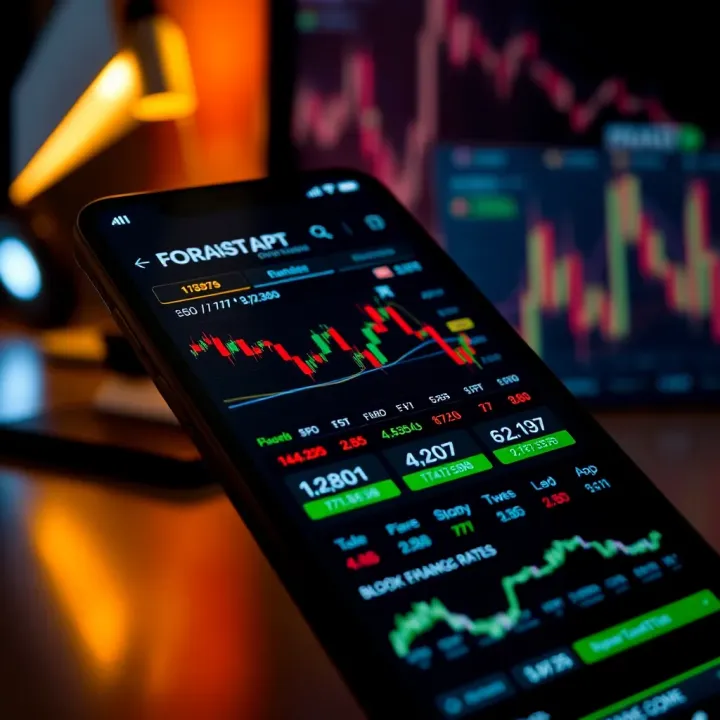
Explore how forex trading apps work, their benefits and risks, and get expert tips to choose and trade wisely on mobile in Kenya! 📱💹🇰🇪
📈 Explore forex trading in Kenya: learn how to start, understand risks, follow regulations, and spot real opportunities to grow your KSh savings wisely.
Based on 12 reviews