
Understanding Forex Trading for Kenyan Traders
Learn how Kenyan traders can confidently enter online forex trading 🔍. Explore key concepts, safe platforms, risk tips, KRA and payment methods including M-Pesa.
Edited By
Benjamin Clarke
Forex trading, also known as foreign exchange trading, is the act of buying and selling currencies with the goal of making a profit from fluctuations in exchange rates. For Kenyan traders, understanding how forex works opens doors to a global market that operates 24 hours a day, five days a week.
In practical terms, forex involves exchanging one currency for another, for example, converting Kenyan shillings (KSh) to US dollars (USD) or euros (EUR). The price you get depends on the current exchange rate, which changes due to supply, demand, economic news, and geopolitical events. A trader aims to buy a currency at a lower rate and sell it at a higher one or vice versa.
Forex trading happens over the counter, meaning there is no central exchange like the Nairobi Securities Exchange (NSE). Instead, it takes place electronically through networks of banks, brokers, and individual traders.
The main players include:
Central banks, such as the Central Bank of Kenya (CBK), influencing rates through monetary policy
Commercial banks and financial institutions facilitating large trades
Forex brokers who provide platforms for individual traders
Retail traders like yourself, joining via online platforms
Prices in the forex market are quoted in pairs. For example, the USD/KES pair shows how many Kenyan shillings one US dollar can buy. If you believe the shilling will weaken against the dollar, you might decide to buy USD/KES and sell it later at a profit.
Trading forex is not a guaranteed way to make money. Currency markets are volatile and influenced by many factors including political developments, international trade, and natural disasters.
Be cautious: leveraging (borrowing money from brokers to increase your position) can amplify gains but also multiply losses. Many retail traders in Kenya have lost significant amounts by trading without a clear plan.
Successful traders in Kenya commonly use:
Online trading platforms like MetaTrader 4 or local broker software
Real-time news feeds to stay updated on economic indicators
Technical charts and indicators to analyse price patterns
By combining these tools with solid knowledge and risk management, Kenyan traders can approach forex with more confidence and control.
This guide aims to provide practical steps and insights so you can navigate forex markets responsibly and effectively within the Kenyan context.
Forex trading involves exchanging one currency for another, with the goal of making profit from changes in exchange rates. For Kenyan traders, understanding this process is vital because the forex market directly impacts import and export costs, remittances, and investments. When you buy or sell currencies, you're speculating on how rates will move, which requires grasping how currency values are quoted, the market's setup, and how trades are executed.
Currencies are quoted in pairs, such as USD/KES (US Dollar to Kenyan Shilling). The first currency is the base, while the second is the quote currency. If USD/KES is 110, it means 1 USD costs 110 Kenyan shillings. Traders buy one currency while simultaneously selling the other, aiming to capitalise on rate movements. For example, if you expect the shilling to weaken against the dollar, you might buy USD/KES hoping to sell later at a higher exchange rate.
The most traded pairs involving the Kenyan shilling include USD/KES, EUR/KES, GBP/KES, and sometimes JPY/KES. These pairs are important because Kenya engages heavily with these regions through trade and remittances. USD/KES, in particular, is the most actively traded, reflecting Kenya’s reliance on the US dollar for international business. Understanding these pairs helps traders focus on markets with good liquidity and relevant economic news.
Exchange rates show the value of one currency in terms of another and fluctuate based on factors like trade balances, inflation, interest rates, and political stability. For instance, if Kenya’s inflation rises while the US maintains low inflation, the shilling may weaken against the dollar. Traders watch such changes closely to predict whether to buy or sell a currency pair.
Unlike stock markets, forex trading does not happen on a single exchange. It’s a decentralised market where transactions occur over the counter (OTC) through banks, brokers, and electronic platforms worldwide. For Kenyan traders, this means access can be 24/7 and available through various channels like online brokers or banks, making forex flexible but also requiring care to choose reliable counterparties.
The forex market operates continuously through overlapping sessions in major financial centres: Sydney, Tokyo, London, and New York. This continuous flow means you can trade at almost any time. Knowing these sessions helps Kenyan traders plan their activities, for example focusing on London and New York hours when liquidity and volatility tend to peak.
Forex trades involve simultaneous buying and selling, facilitated by brokers who match orders electronically. When you place an order through an online platform, your broker routes it to interbank networks or other traders. The process is usually quick, often settling within two business days, ensuring prompt execution and transparency. For traders, this real-time processing helps respond quickly to market changes.
Grasping how forex trading works—from currency pairs to market hours—empowers Kenyan traders to make informed decisions and tap into global currency movements effectively.
Understanding who takes part in forex trading helps you appreciate how the market functions and why exchange rates move. Each participant group plays a specific role, influencing liquidity, volatility, and opportunities. For Kenyan traders, this knowledge shapes how to position themselves effectively and choose the right brokers or partners.
Central banks and governments steer the forex market with policies and interventions. For instance, the Central Bank of Kenya (CBK) occasionally steps in to stabilise the Kenyan shilling by buying or selling foreign currency reserves. Such actions can influence exchange rates significantly, impacting importers, exporters, and traders. Internationally, central banks like the US Federal Reserve adjust interest rates, which send ripples through the currency markets, affecting the Kenya shilling indirectly.
Commercial banks and financial institutions form the backbone of forex trading by providing liquidity and executing large-scale transactions. Kenyan banks like Equity Bank or KCB handle billions of shillings daily for clients needing forex for trade, travel, or investment. These banks also offer forex services to retail clients and act as intermediaries for brokers. Their role ensures smooth currency exchange and access to global markets.
Retail traders and brokers are the everyday market participants, including individual Kenyans trading forex through online platforms. Brokers, often registered with the Capital Markets Authority (CMA), provide the technology and access retail traders need. For example, platforms like MetaTrader powered through local brokers allow individuals to trade currencies, sometimes using leverage. Retail traders contribute significantly to market volume but must choose reliable brokers to avoid risks.
Local brokers and regulations are crucial for safe forex trading. Kenya’s Capital Markets Authority oversees licensed brokers to protect traders from fraud or malpractice. Choosing a CMA-regulated broker means you trade under Kenyan laws, with safeguards such as client fund segregation and transparent pricing. For example, locally licensed brokers like CMS Forex or Tradenation offer payment methods familiar to Kenyans, including M-Pesa.
Popular currency pairs among Kenyan traders typically feature the Kenya shilling against major currencies such as the US dollar (USD/KES), Euro (EUR/KES), and British pound (GBP/KES). These pairs reflect Kenya’s main trade partners and remittance corridors, making them relevant for hedging and speculation. Currency pairs not involving the shilling, like EUR/USD, draw interest for global trends and more stable markets.
Legal considerations and compliance ensure your trading remains above board. Kenya requires forex brokers and trading activities to comply with anti-money laundering (AML) rules and other financial regulations. Retail traders should know that engaging only with registered entities is essential, as unlicensed brokers could disappear with your funds. Also, tax obligations on forex profits are supported by Kenya Revenue Authority (KRA) guidelines, so keeping clear records is smart to avoid issues.
Trading forex in Kenya means understanding both global market players and local nuances. Keep in mind who influences price moves and trade responsibly with licensed partners.
Successful forex trading relies heavily on the right techniques and strategies. For Kenyan traders, understanding these approaches is vital for managing risks and making consistent profits. Grab the wrong method, and losses pile up quickly due to the market’s volatility. This section breaks down practical trading techniques and the analysis tools you need to make informed decisions.
Day trading and swing trading are two popular approaches Kenyan traders use. Day trading involves opening and closing positions within the same trading day, which helps avoid overnight risks. For example, you might buy the USD/KES pair in the morning based on expected bank announcements and sell it by afternoon. This suits people who can monitor the market constantly during the day.
Swing trading, on the other hand, holds positions for several days or even weeks to benefit from larger moves. A trader might buy the Euro against the US dollar anticipating a slow rise driven by European Central Bank policy changes, then hold until the trend fades. This approach fits those who can’t watch the market every hour but want to catch bigger price swings.
Trend following and range trading are two ways traders interpret market movements. Trend followers look for currencies moving strongly in one direction, assuming that momentum will continue. For instance, if the Kenyan shilling is steadily weakening due to inflation worries, a trend follower might sell KES pairs expecting the downward move to last.
Range traders pick when currencies bounce between support and resistance levels, buying low and selling high within those bounds. This works well during stable economic periods when prices oscillate without clear direction. For example, a trader might buy USD/GBP when it dips to a known support price and sell near resistance, repeating this cycle several times.
Using leverage means using borrowed funds to increase your trading position, magnifying both potential gains and losses. In Kenya, brokers often offer leverage ratios from 1:50 to 1:100. That means for every KSh 1,000 of your own money, you can trade up to KSh 50,000 or KSh 100,000. While leverage can boost profits, careless use can wipe out your investment fast. Managing margin – the minimum funds needed to hold a leveraged position – is essential. Always set stop-loss orders to limit losses and avoid margin calls that force account liquidation.
Interpreting price charts and indicators helps traders predict where currency prices might go next. Charts like candlestick or line graphs display price history, while indicators such as moving averages or RSI provide signals on momentum or overbought conditions. A Kenyan trader could use a 50-day moving average to confirm when the US dollar is strengthening against the shilling before entering a trade.
Economic data and news strongly impact forex prices by influencing market sentiment. Reports like Kenya’s inflation rate, GDP growth, or Central Bank rate decisions can make the shilling move sharply. For example, if the Central Bank of Kenya raises interest rates unexpectedly, traders may buy the shilling expecting it to strengthen.
Kenyan economic factors uniquely affect forex trading here. Dependence on agriculture exports, remittances from abroad, inflation trends, and political developments all sway exchange rates. A drought shrinking export volumes might weaken the shilling, presenting opportunities for traders positioned on USD/KES. Keeping an eye on local economic news and events makes a big difference in timing your forex trades well.
Effective forex trading hinges on choosing the right strategies and keeping up with both global and Kenyan economic data. Combining technical chart reading with an understanding of local factors helps you trade smarter and manage risks better.
Forex trading offers chances to profit, but it carries significant risks that every Kenyan trader must grasp. Understanding these risks helps you protect your capital and make informed decisions rather than jumping in blindly.
The forex market is famously volatile and unpredictable. Prices can swing wildly within minutes due to economic data releases, geopolitical events, or even rumours. For example, if the Central Bank of Kenya changes its monetary policy unexpectedly, the Kenyan shilling's exchange rate might shift sharply, catching traders off guard. This means you must stay alert and use tools like stop-loss orders to limit potential losses when the market moves against you.
Leverage allows traders to control big positions with a small amount of money. While it can boost profits, it also amplifies losses. Say, you trade KSh 10,000 of your own money with 1:50 leverage; your position size effectively becomes KSh 500,000. Even a 2% adverse move wipes out your invested capital, which is why many Kenyan traders get overexposed and risk losing more than they planned. It’s vital to manage leverage carefully, always knowing how much you can afford to lose.
Another important concern is counterparty and broker risks. Since forex trades occur over-the-counter through brokers rather than a central exchange, your broker’s trustworthiness matters a lot. An unregulated or unscrupulous broker might execute trades poorly, delay withdrawals, or vanish altogether with your funds. It has happened locally and internationally, so choosing a broker with a solid reputation and clear regulatory oversight is crucial.
In Kenya, the Capital Markets Authority (CMA) oversees financial markets, including forex trading activities. The CMA issues licences to brokers that meet operational, transparency, and capital requirements to protect investors. Engaging only with registered brokers helps ensure your money is dealt with fairly and reduces the chance of fraud.
Identifying licensed brokers involves checking the CMA’s official list, which is updated regularly. Beware of brokers advertising high returns with no licensed backing or asking for upfront hefty fees. A regulated broker will provide transparent terms, clear pricing, and client fund segregation. If a broker hesitates to share their licence number or seems dodgy, it’s better to avoid them.
Sadly, scams remain a real threat in the Kenyan forex space. Fraudsters use fake offers, misleading promises, or cloned websites to lure traders. Protect yourself by verifying broker credentials, never sharing sensitive login details, starting with small deposits, and insisting on secure payment methods like M-Pesa or bank transfers. Also, avoid pushing pressure tactics or promises of guaranteed profits — the forex market always carries risk, and anyone claiming otherwise is suspicious.
Always remember, taking time to understand these risks and regulatory safeguards helps Kenyan traders avoid costly mistakes and build trading careers step by step.
By carefully considering market risks and choosing regulated brokers, you create a safer trading environment tailored to your goals and the realities of the Kenyan forex market.
Starting forex trading in Kenya involves several practical steps that help minimise risks and build a solid foundation. The process begins with setting up a trading account, understanding the tools needed, and adopting the right mindset. Taking time to prepare well can make your trading journey smoother and increase chances of success.
Choosing a reliable broker is the first critical step. Look for brokers regulated by the Capital Markets Authority (CMA) in Kenya or internationally recognised bodies like the Financial Conduct Authority (FCA) or Cyprus Securities and Exchange Commission (CySEC). This ensures your funds have protection and the trading platform meets industry standards. For example, brokers like ThinkMarkets or IG offer compliance with local regulations and good customer support. Avoid brokers promising unrealistic returns or those with poor reviews.
Next, understand the account types and features available. Most brokers offer various account options, such as standard, mini, and VIP accounts. These differ in minimum deposit, leverage levels, and spreads. For a Kenyan beginner, starting with a mini account requiring a lower deposit (sometimes as low as KSh 5,000) is sensible. It allows you to experiment without risking large sums. Check if the broker offers Islamic accounts if you need them, as they avoid interest charges which matter to some traders.
Regarding deposit and withdrawal options, having easy access to fund your account is crucial. Many Kenyan traders prefer brokers that support M-Pesa deposits and withdrawals without hefty fees. This mobile money system is efficient and widely trusted locally. Other supported methods include bank transfers and debit/credit cards. A good broker will process withdrawals promptly, often within 24–48 hours, avoiding lengthy delays that can frustrate traders.
Popular trading platforms and apps like MetaTrader 4 (MT4), MetaTrader 5 (MT5), and cTrader are widely used in Kenya. These platforms offer user-friendly interfaces, real-time charts, indicators, and easy order execution. Many brokers provide mobile versions, enabling you to trade on the go with your smartphone. Choosing the right platform affects how well you can analyse the market and react quickly.
Access to learning materials and demo accounts helps beginners practice without risking money. Demo accounts simulate real market conditions, letting you test strategies and understand platform features. Look for brokers or educational sites that also offer video tutorials, webinars, or in-depth articles tailored for Kenyan traders. Continuous learning sharpens your skills and confidence.
Keeping track of market news and updates is vital for timely decisions. Use sources like Bloomberg, Reuters, or local business news outlets to follow economic indicators or global events influencing currency prices. Some trading platforms incorporate news feeds directly, saving time. For instance, changes in Kenyan economic policy, inflation reports, or Central Bank announcements often affect forex pairs involving the Kenyan shilling.
Start with small funds to protect your capital while you learn. Trading with KSh 10,000 to KSh 20,000 initially helps you focus on mastering techniques rather than chasing big profits. This approach reduces stress and keeps losses manageable.
Maintaining discipline and emotional control is key in forex trading. The market can be volatile, and it's easy to get swayed by emotions like fear or greed. Set clear rules about when to enter or exit trades and stick to them. Journalling trades and reviewing mistakes later can build better habits.
Lastly, continuing education and practice are ongoing processes. The forex market evolves, and staying informed about new strategies, technologies, or regulatory updates in Kenya keeps you competitive. Attend workshops or join trading communities where experiences and advice are shared.
Starting forex trading with the right account, tools, and mindset prepares you to navigate the market more effectively and limits unnecessary losses. Take each step carefully—success rarely happens overnight.
Learn how Kenyan traders can confidently enter online forex trading 🔍. Explore key concepts, safe platforms, risk tips, KRA and payment methods including M-Pesa.
📘 Discover how forex trading PDFs can equip Kenyan traders with practical skills, reliable strategies, and risk insights to trade smarter and protect investments.
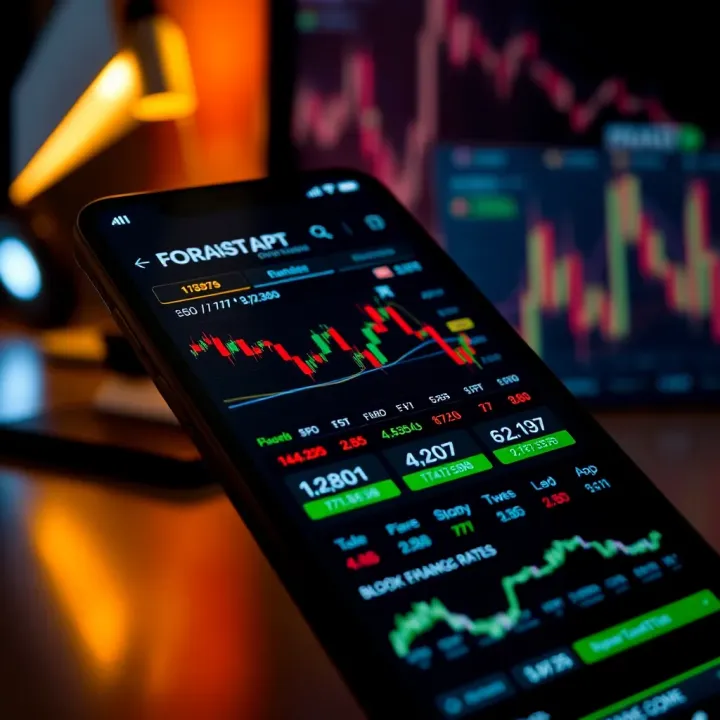
Explore how forex trading apps work, their benefits and risks, and get expert tips to choose and trade wisely on mobile in Kenya! 📱💹🇰🇪
📈 Explore forex trading in Kenya: learn how to start, understand risks, follow regulations, and spot real opportunities to grow your KSh savings wisely.
Based on 5 reviews